The Cabinet of Dr. Caligari
"Step into a nightmare where the shadows are painted on."
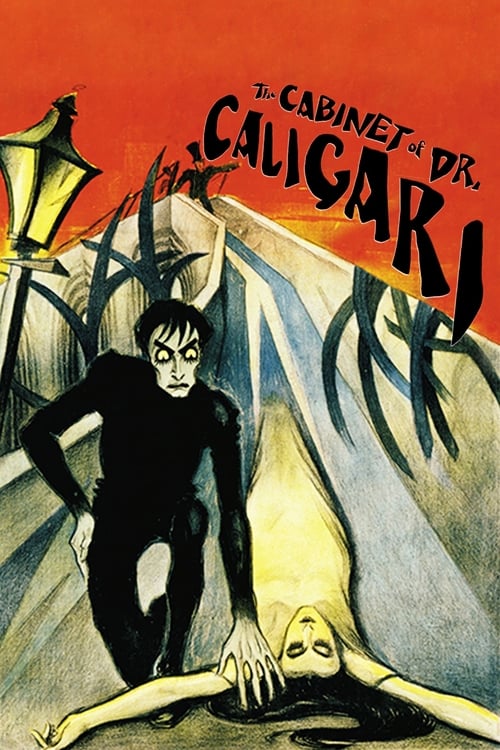
I actually watched the 4K restoration of this while my neighbor was loudly practicing the tuba through the wall, and the discordant, flat brass honks honestly made the experience ten times more terrifying. There is something about The Cabinet of Dr. Caligari that demands a bit of environmental friction. It’s not a film that wants you to be comfortable. From the very first frame, you realize you aren't looking at a world that follows the rules of physics, or even the rules of sanity.
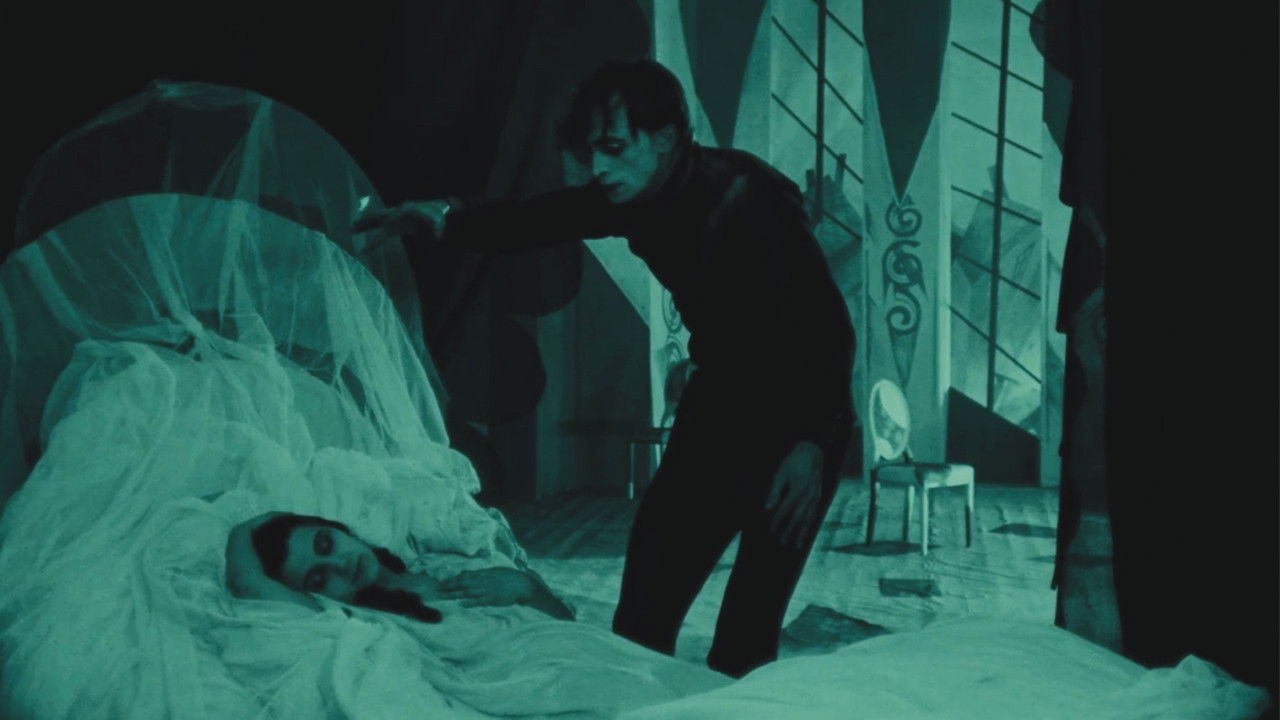
If you’ve ever wondered where the "spooky" aesthetic of Tim Burton or the brooding shadows of film noir came from, this is the ground zero. Director Robert Wiene didn't just make a movie; he captured a collective nervous breakdown on celluloid. Released in 1920, just as Germany was reeling from the physical and psychic wreckage of World War I, Caligari feels like a scream muffled by a heavy wool blanket.
A Geometry of Madness
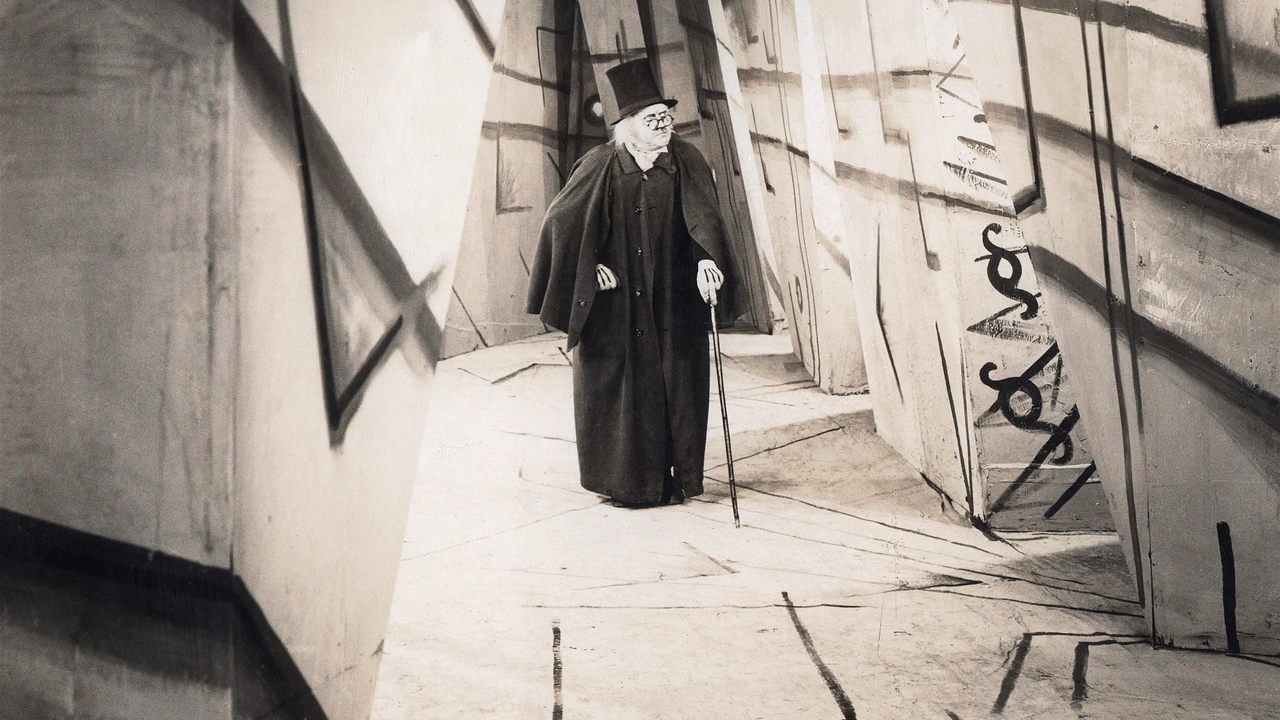
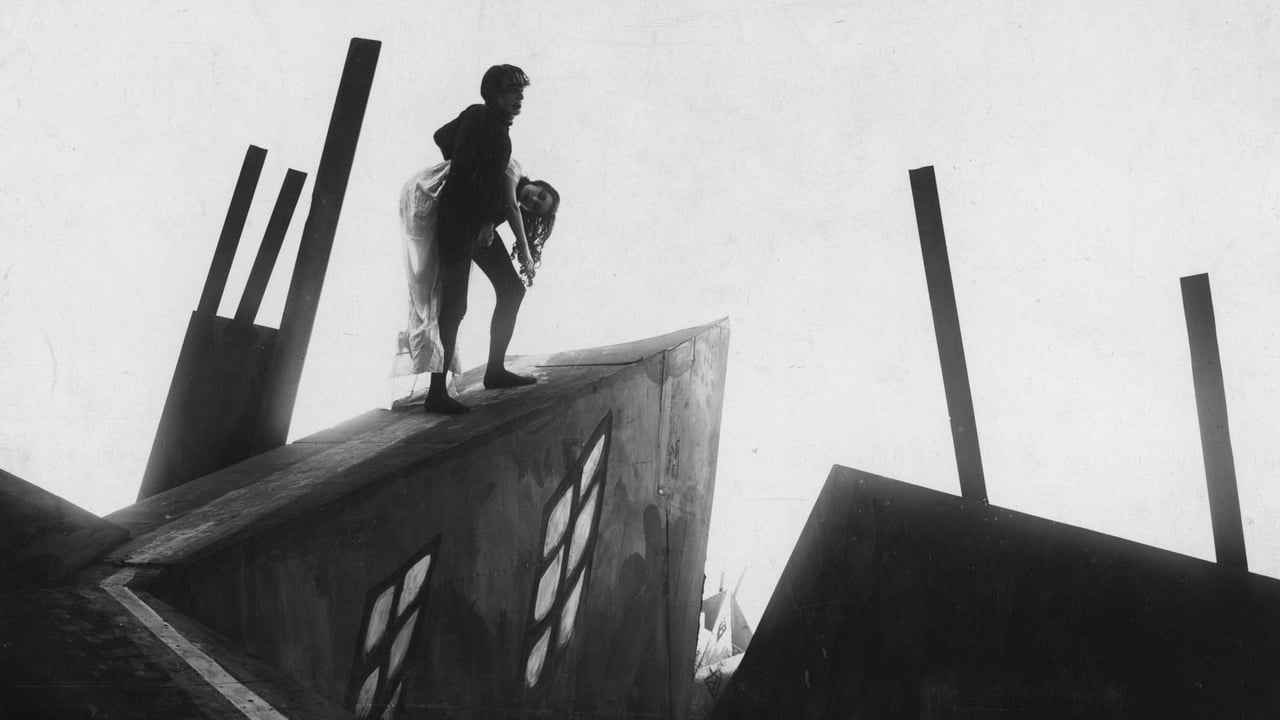
The first thing that hits you—and I mean really hits you, like a sharp elbow to the ribs—is the production design. Most films try to convince you that their world is real. Caligari does the opposite. The sets, designed by Hermann Warm, Walter Reimann, and Walter Röhrig, are a jagged mess of impossible angles, leaning chimneys, and windows that look like squinting eyes.
Because the production had a microscopic budget of about $18,000 and the studio was facing post-war electricity rationing, they couldn't afford elaborate lighting rigs to create deep shadows. Their solution? They simply painted the shadows directly onto the floors and walls. It’s a stroke of genius born from being completely broke. This creates a flat, hallucinatory space where the actors look like they’re trapped inside a madman’s sketchbook. When Friedrich Fehér as Francis walks down a hallway, he isn't just moving through a building; he’s navigating a fractured psyche.
The Somnambulist and the Puppet Master

The plot is deceptively simple: A mysterious doctor (played with a delightful, greasy menace by Werner Krauss) arrives at a village fair with a wooden box. Inside is Cesare, a "somnambulist" who has slept for 23 years and can supposedly predict the future. Conrad Veidt, who plays Cesare, gives one of the most haunting physical performances in the history of the medium.
Veidt moves like a strand of black ink dripping down a white wall. He’s spindly, graceful, and utterly unnerving. When he creeps into the bedroom of Jane (Lil Dagover) to carry out a murder, he doesn’t walk—he glides along the walls as if he’s part of the architecture. There’s no gore here, no jump scares in the modern sense, but the sheer "wrongness" of his movement creates a sustained dread that most modern slashers can't touch.
The horror here isn't just about a killer in the night; it’s about the loss of agency. Cesare isn't evil; he’s a tool. He is a man who has lost his will to a charismatic, authoritarian figure. Given what would happen in Germany over the next two decades, the subtext is so loud it’s practically deafening. Writers Carl Mayer and Hans Janowitz reportedly intended the film to be an attack on the mindless obedience demanded by the military state, though the famous "frame story" twist at the end complicates that message in a way that still keeps film historians arguing in bars to this day.
The Birth of the Twist
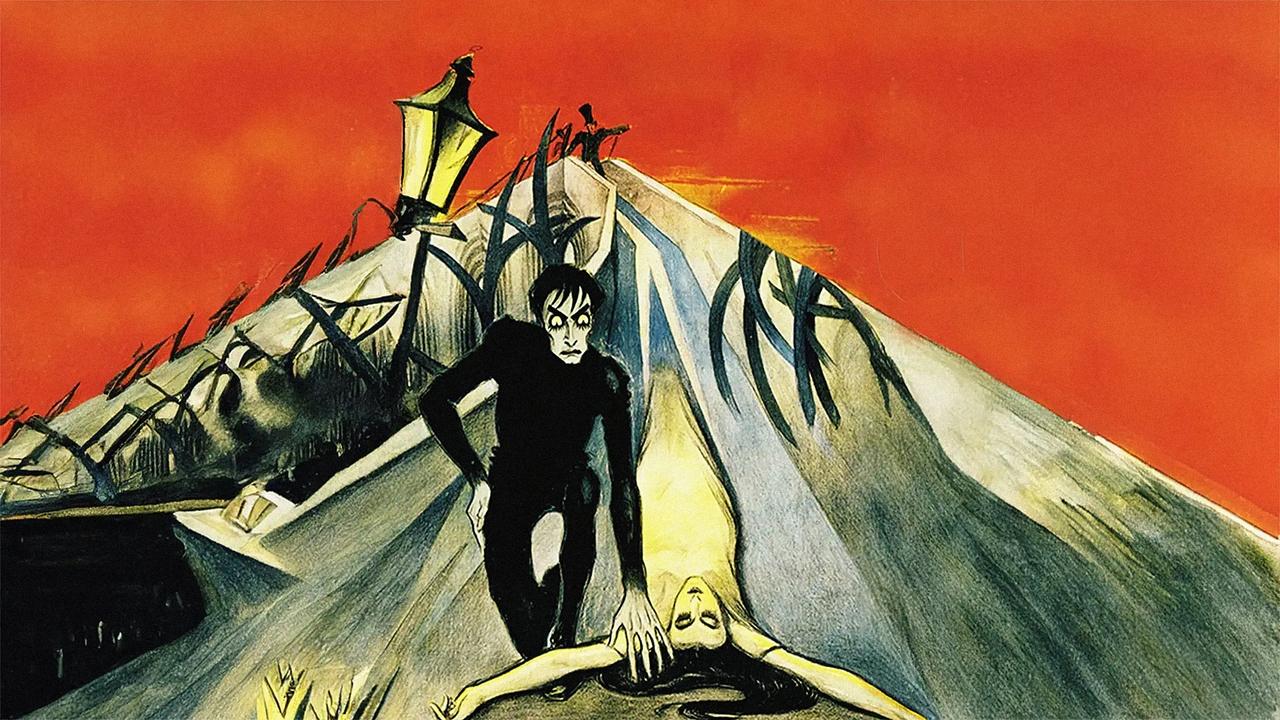
Speaking of that ending—don't worry, I won't spoil the specifics if you’re a Caligari virgin—it is widely considered the first "unreliable narrator" twist in cinema. The twist ending isn't a cheat; it's a chilling admission that we're all unreliable narrators of our own trauma. It forces you to re-evaluate everything you just saw, turning a weird horror story into a tragic psychological puzzle.
While the acting style is definitely "big" (this was the era of silent pantomime, after all), it fits the operatic intensity of the visuals. Werner Krauss uses his eyes like weapons, and Friedrich Fehér portrays a man slowly losing his grip with a sincerity that anchors the weirdness.
Watching this today isn't a chore or a "homework" assignment. It’s a trip. It’s only 77 minutes long, which is shorter than most modern trailers, and it moves with a frantic, feverish energy. It’s a reminder that before cinema became obsessed with realism and CGI, it was a place for dreams—and nightmares—to take physical form. If you can, find a version with a good orchestral or synth score. Or, if you’re feeling brave, find a neighbor who plays the tuba.
The Cabinet of Dr. Caligari remains the ultimate "indie gem" from an era before that term even existed. It proved that you don't need a massive budget or realistic sets to scare an audience; you just need a bold vision and a few buckets of black paint. It’s a foundational stone of the horror genre that still feels as sharp and dangerous as a jagged piece of glass. If you haven't seen it, you're missing the blueprint for every cinematic nightmare that followed.
Keep Exploring...
-
M
1931
-
Freaks
1932
-

The House That Jack Built
2018
-
Rope
1948
-
The Night of the Hunter
1955
-
Peeping Tom
1960
-
What Ever Happened to Baby Jane?
1962
-

Repulsion
1965
-
In the Heat of the Night
1967
-
Straw Dogs
1971
-
Bound
1996
-

The Devil's Backbone
2001
-
Irreversible
2002
-
The Orphanage
2007
-
Felon
2008
-

Blood and Bone
2009
-

Undisputed III: Redemption
2010
-
Good Time
2017
-

Les Misérables
2019
-
Run
2020