The Kid
"Raising a child takes a village—or just one Tramp."

I watched The Kid on a rainy Tuesday while my neighbor was outside power-washing his driveway. The rhythmic, muffled roar of the machine actually synced up perfectly with the Tramp’s frantic window-washing routine, creating a bizarre, industrial-remix soundtrack for a film that’s now over a century old. It was a weirdly modern way to experience a movie that, despite its age, feels more human than half the stuff currently clogging up the multiplex.
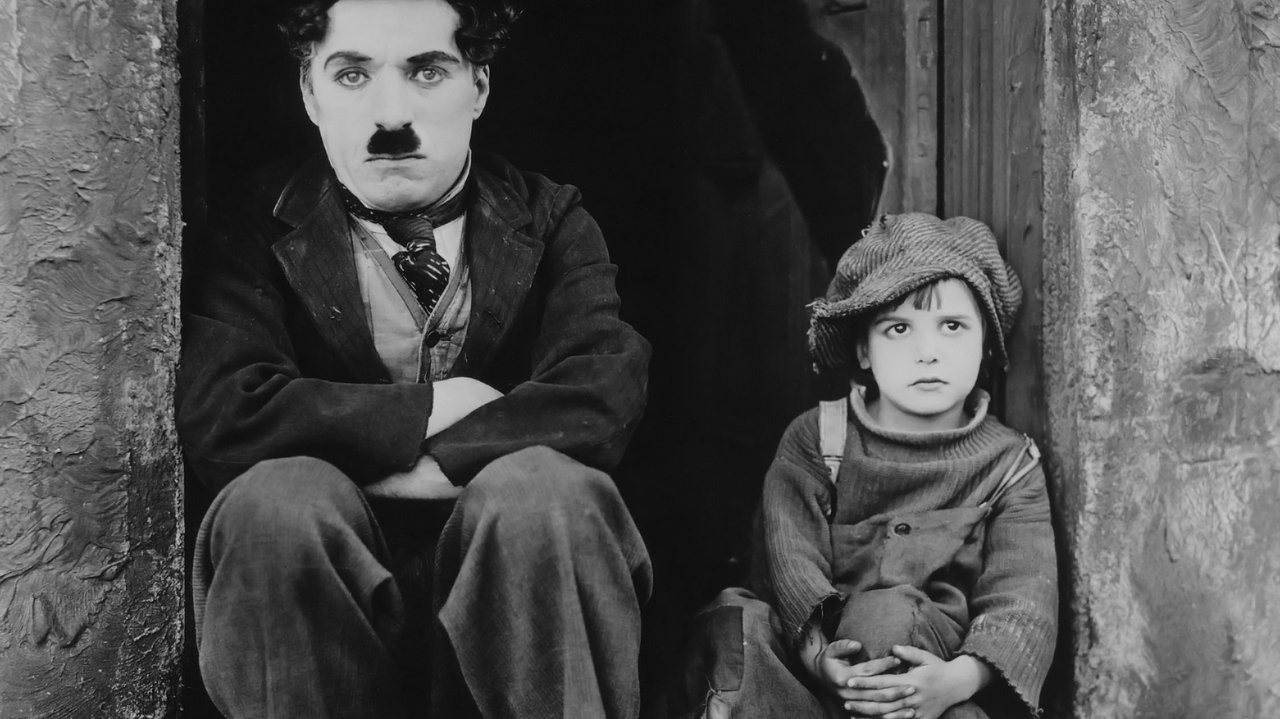
In 1921, Charlie Chaplin was the biggest star on the planet, but he was also a man on the edge. He was mourning the death of his infant son and drowning in a messy divorce from Mildred Harris. Instead of retreating, he poured that grief into a six-reel gamble that would change cinema forever. At a time when comedies were just a series of kicks to the shins, Chaplin decided to make people cry.
A High-Stakes Smuggling Operation
Calling The Kid an "indie gem" feels right because it was born out of pure, unadulterated defiance. Charlie Chaplin didn't just direct and star; he produced it through his own company to escape the creative thumb of First National. When his divorce lawyers tried to seize the film as an asset, Chaplin literally smuggled 400,000 feet of negative out of California in coffee cans. He edited the thing in a hotel room in Salt Lake City, hiding from the law like a character in one of his own movies.
This wasn't a studio assembly-line product. It was a passion project where the director shot over 50 times more footage than he actually used—an obsession with perfection that would have bankrupted anyone else. You can feel that labor in every frame. There isn't a wasted second in its 68-minute runtime. Most modern directors couldn't tell this much story in three hours with a trillion-dollar CGI budget.
The Child Who Stole the Show
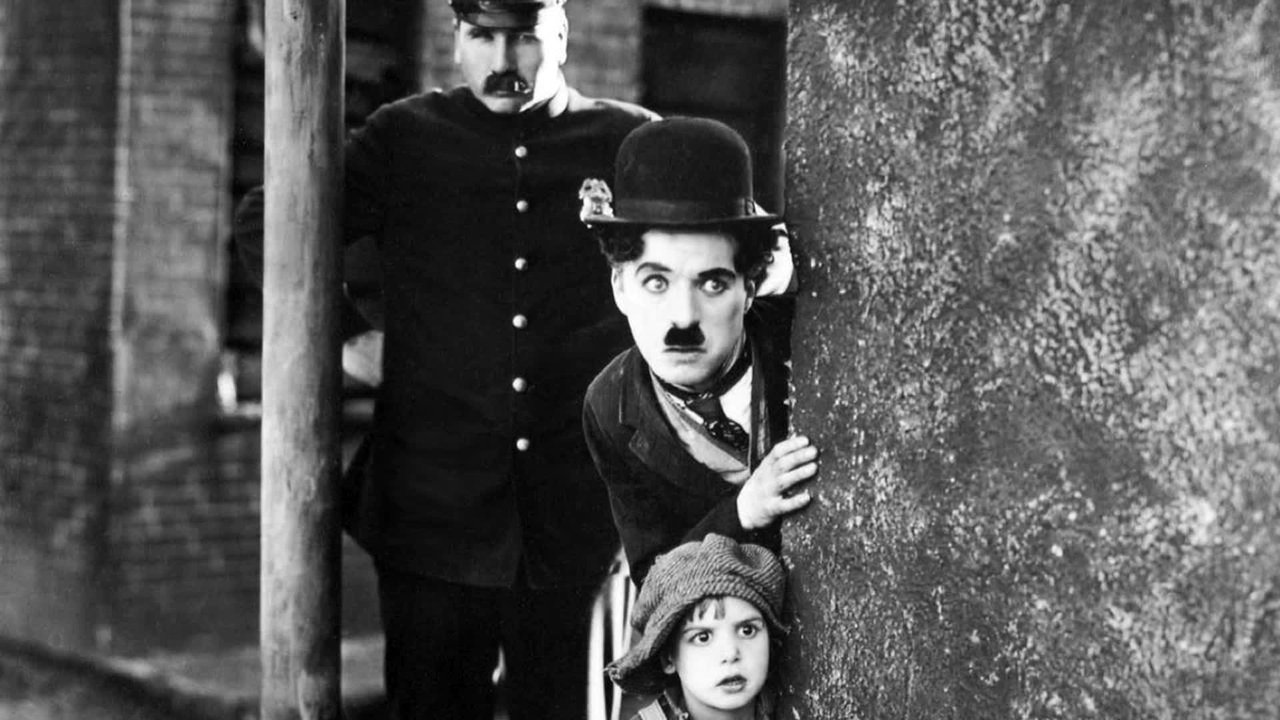
We need to talk about Jackie Coogan. Before he became Uncle Fester in The Addams Family decades later, he was the first real child superstar, and for good reason. Usually, kids in silent films are treated like props or over-rehearsed porcelain dolls. But Coogan is a revelation. He doesn't just mimic Chaplin; he matches him beat for beat.
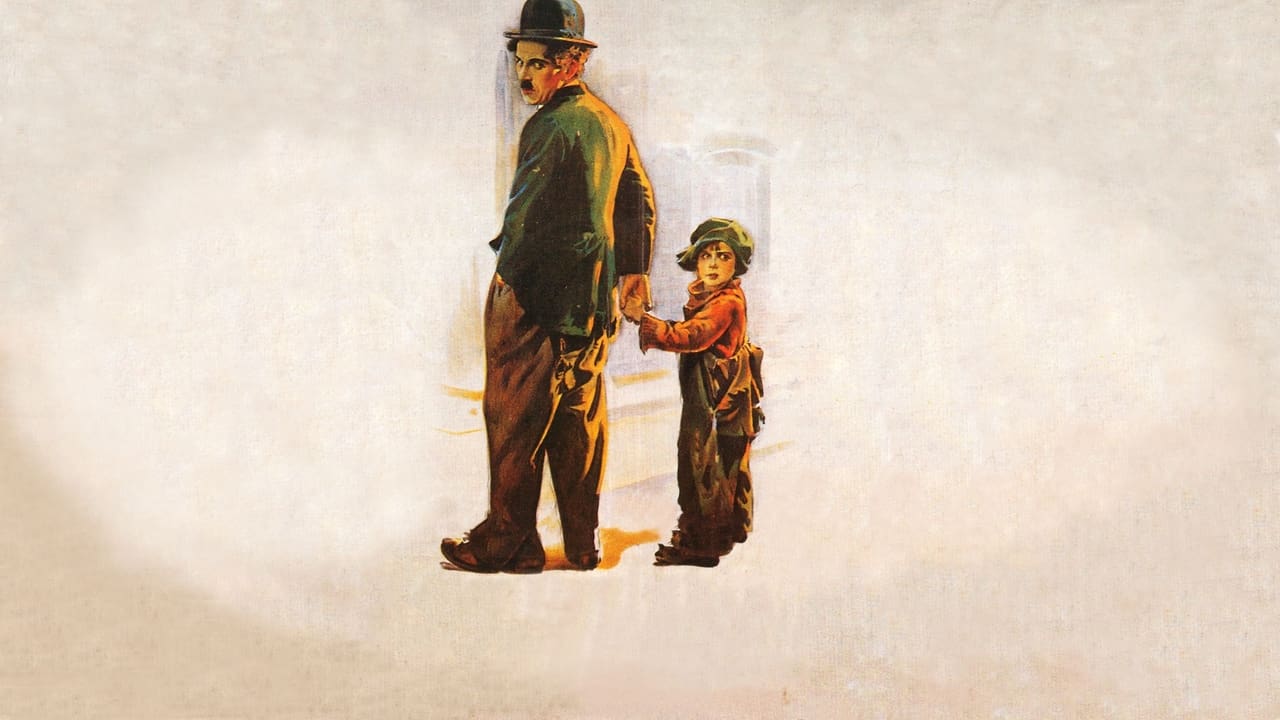
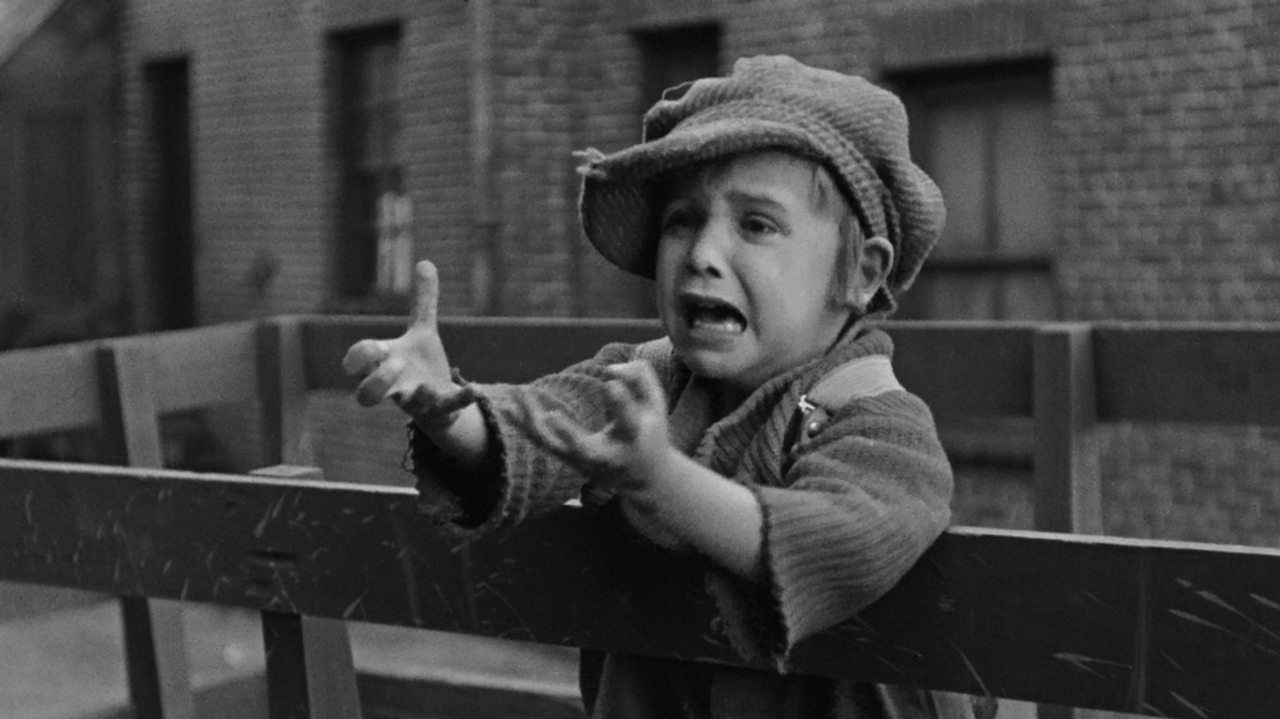
The chemistry between the two is the film’s engine. When they’re running their glass-breaking scam—the kid breaks the window, the Tramp "happens" to be nearby with a replacement pane—it’s pure comedic choreography. But when the authorities eventually come to take the boy away to the orphanage, the mood shifts violently. That scene on the rooftop, with Coogan reaching out and crying for his surrogate father, is genuinely harrowing. If you don’t feel a lump in your throat during the rooftop chase, you might actually be a sophisticated piece of AI.
The Philosophy of the Gutter
Beyond the slapstick, The Kid asks some pretty heavy questions about what makes a family. The Tramp is, by all social standards of the 1920s, a "unfit" parent. He’s poor, he’s a petty criminal, and he lives in a garret. Yet, the film argues that his love is far more legitimate than the cold, bureaucratic "care" offered by the state.
There’s a dream sequence near the end—often called "Dreamland"—where the slums are transformed into a floral paradise and everyone has wings. It’s a strange, surreal detour that some critics find jarring, but I think it’s essential. It represents the Tramp’s internal world: a place where poverty doesn't exist and even the poorest soul is angelic. The Dreamland sequence is the original 'it was all a dream' trope, but somehow it doesn't suck because it’s rooted in such desperate optimism.
Chaplin was drawing directly from his own traumatic childhood in the London workhouses, and that authenticity burns through the screen. He isn't mocking the poor; he’s deifying them. He uses the camera to show that dignity isn't a byproduct of wealth.
Stuff You Didn't Notice
The First Feature: This was Chaplin’s first full-length film as a director, proving to the world that "The Little Tramp" could sustain a narrative longer than twenty minutes. The Coogan Bill: Jackie Coogan made millions from this film, but his parents spent every cent of it. This led to the "Coogan Act," the first major piece of legislation designed to protect the earnings of child performers. The Woman: Edna Purviance delivers a subtle, aching performance as the mother. In a silent era often defined by "theatrical" histrionics, her restraint is incredibly modern. The Score: Chaplin actually composed a new score for the 1971 reissue. He was a self-taught musician who hummed melodies to arrangers because he couldn't read music.
It’s easy to dismiss silent films as dusty relics, but The Kid survives because it understands a universal truth: life is a messy mix of the hilarious and the heartbreaking. It’s a film that manages to be cynical about "the system" while remaining hopelessly in love with humanity. If you have an hour to spare, give it to Chaplin and Coogan. You’ll find that a hundred years hasn't dimmed the sparkle in the Kid's eyes or the weight of the Tramp's shoes one bit.
Keep Exploring...
-

City Lights
1931
-
The Gold Rush
1925
-

The Circus
1928
-
Modern Times
1936
-
The Great Dictator
1940
-

Mr. Smith Goes to Washington
1939
-
It Happened One Night
1934
-
Bringing Up Baby
1938
-
The Apartment
1960
-
Annie Hall
1977
-
Night on Earth
1991
-
The General
1926
-
The Postman
1994
-
Good Bye, Lenin!
2003
-
The Cabinet of Dr. Caligari
1920
-
Freaks
1932
-
Sunrise: A Song of Two Humans
1927
-
Sabrina
1954
-
Breakfast at Tiffany's
1961
-
Harold and Maude
1971