Nosferatu
"Death has a long, thin shadow."
The Miracle of the Unkilled Corpse
I watched this most recently on a Tuesday evening while eating a bowl of slightly burnt popcorn, and the smell of carbon actually matched the aesthetic perfectly. It’s fitting, really, because Nosferatu shouldn’t even exist. We are essentially watching a ghost—a film that was ordered to be destroyed by a court of law after Bram Stoker’s widow, Florence, sued the production for blatant copyright infringement. Prana-Film didn't have the rights to Dracula, so they changed "vampire" to "Bird of Death" and "London" to "Wisborg," thinking no one would notice. They were wrong. Every print was supposed to be burned, but like the Count himself, a few copies survived in the shadows, lurking in the dark corners of cinema history until the world was ready to be haunted again.
What strikes me every time I revisit F. W. Murnau’s 1922 masterpiece is how much it benefits from being a silent film. In modern horror, we are constantly bombarded by jump-scare "stingers" and deafening sound design. Nosferatu operates on a different frequency. It’s a rhythmic, oppressive crawl. There is a specific kind of dread that only exists when you are forced to stare at a grainy, black-and-white frame while a spindly, clawed figure emerges from the darkness in total silence. It feels less like watching a movie and more like witnessing a fever dream that someone happened to capture on a hand-cranked camera.
A Rat-Like Plague
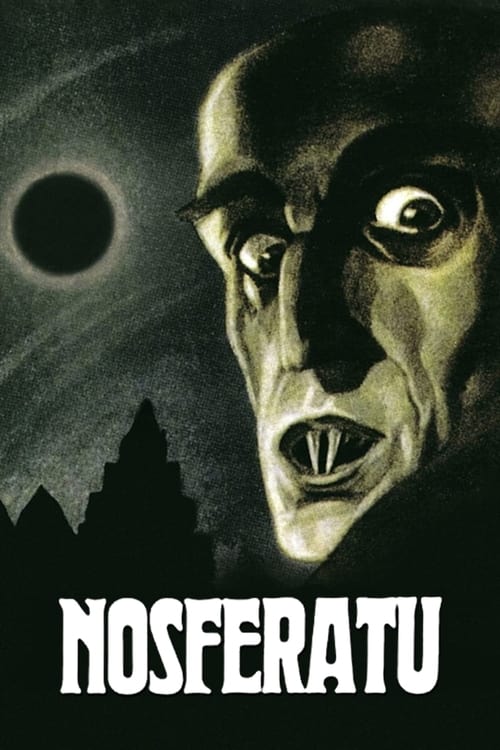
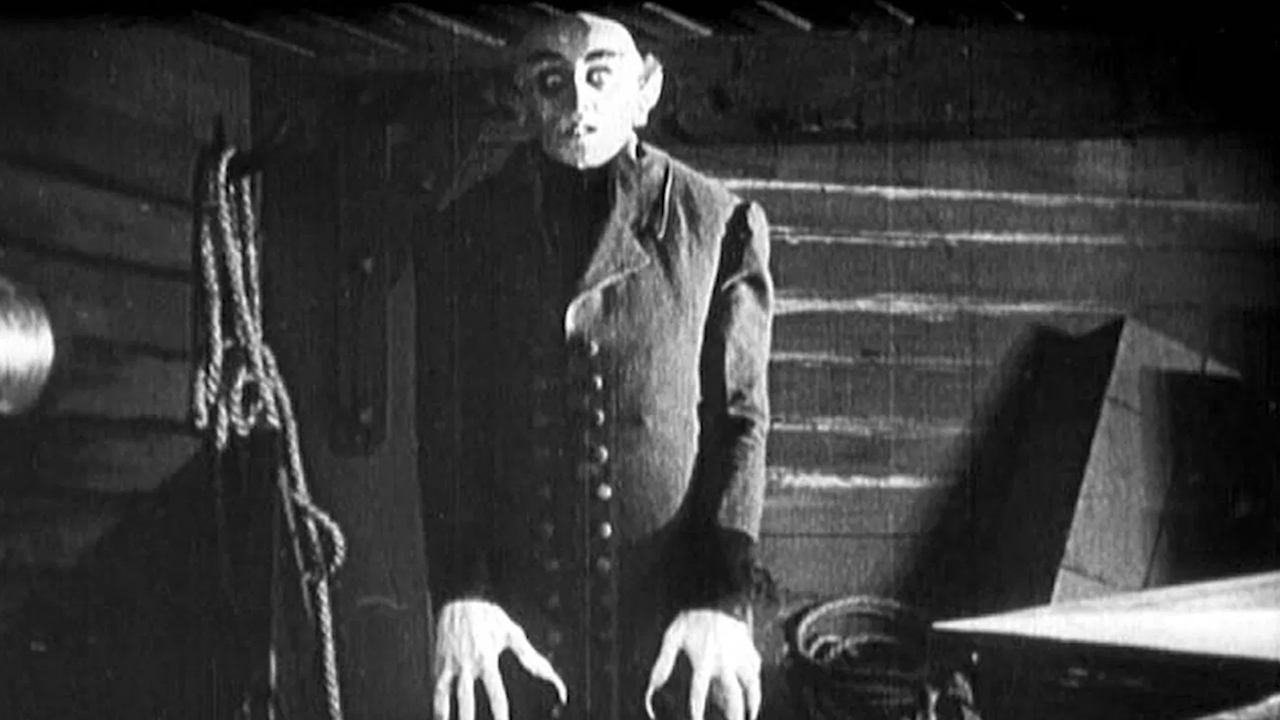
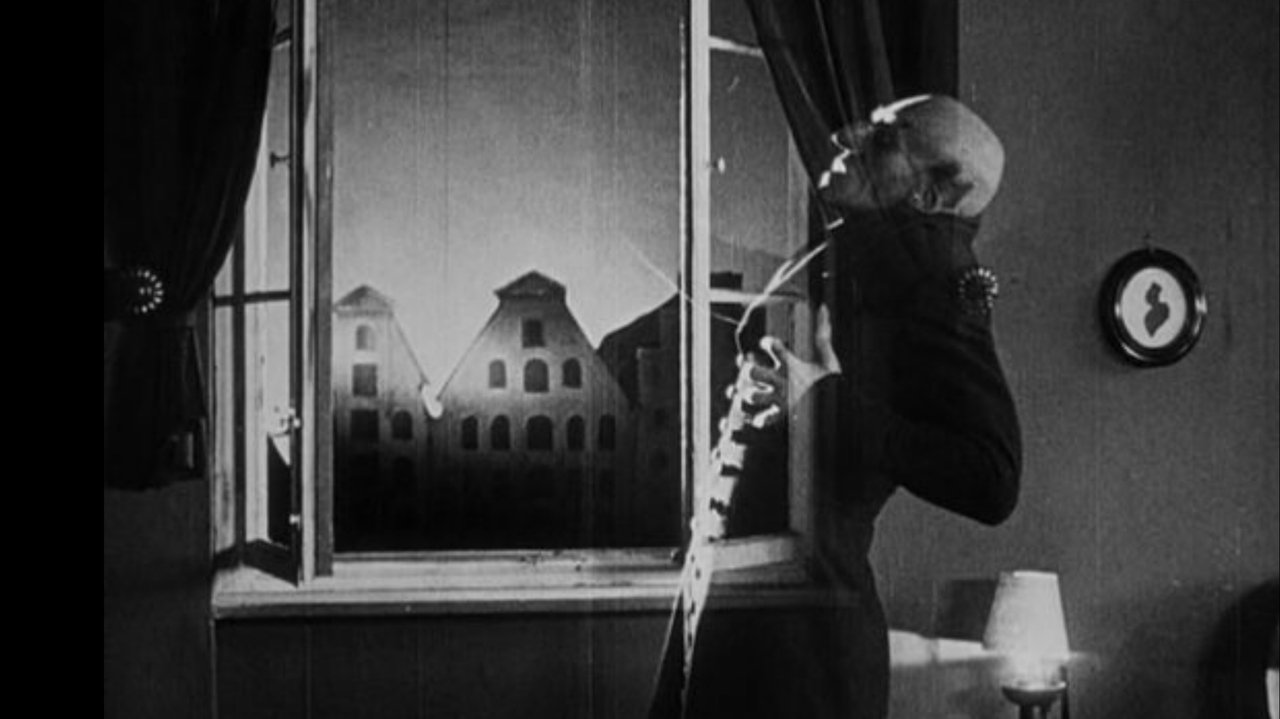
While most modern interpretations of the vampire lean into the "Byronic hero" or the "sexy aristocrat" trope, Max Schreck’s Count Orlok is something else entirely. He is a parasite. With his bulbous bald head, pointed ears, and those two central incisors that make him look like a sleep-deprived wet rat in a frock coat, he represents the fear of disease rather than the fear of a predator.
I’ve always found Schreck’s performance to be genuinely unsettling because he doesn't move like a human. He’s stiff, almost mechanical, rising from his coffin like a wooden plank being hoisted by invisible wires. There’s a long-standing legend that Schreck was a real vampire—a myth popularized by the 2000 film Shadow of the Vampire—and while that’s obviously nonsense, you can see why people believed it. He possessed a physical commitment to the grotesque that was decades ahead of its time.
The direction by F. W. Murnau is equally revolutionary. Unlike many of his contemporaries who were obsessed with the distorted, painted sets of German Expressionism (think The Cabinet of Dr. Caligari), Murnau took his camera outside. He filmed on location in Lübeck and the Carpathian Mountains. By placing a supernatural monster in a real, tangible world, he made the horror feel invasive. When Orlok walks through the streets of Wisborg, he isn't just a monster in a story; he is a plague-bringer entering our space.
Innovations in the Dark
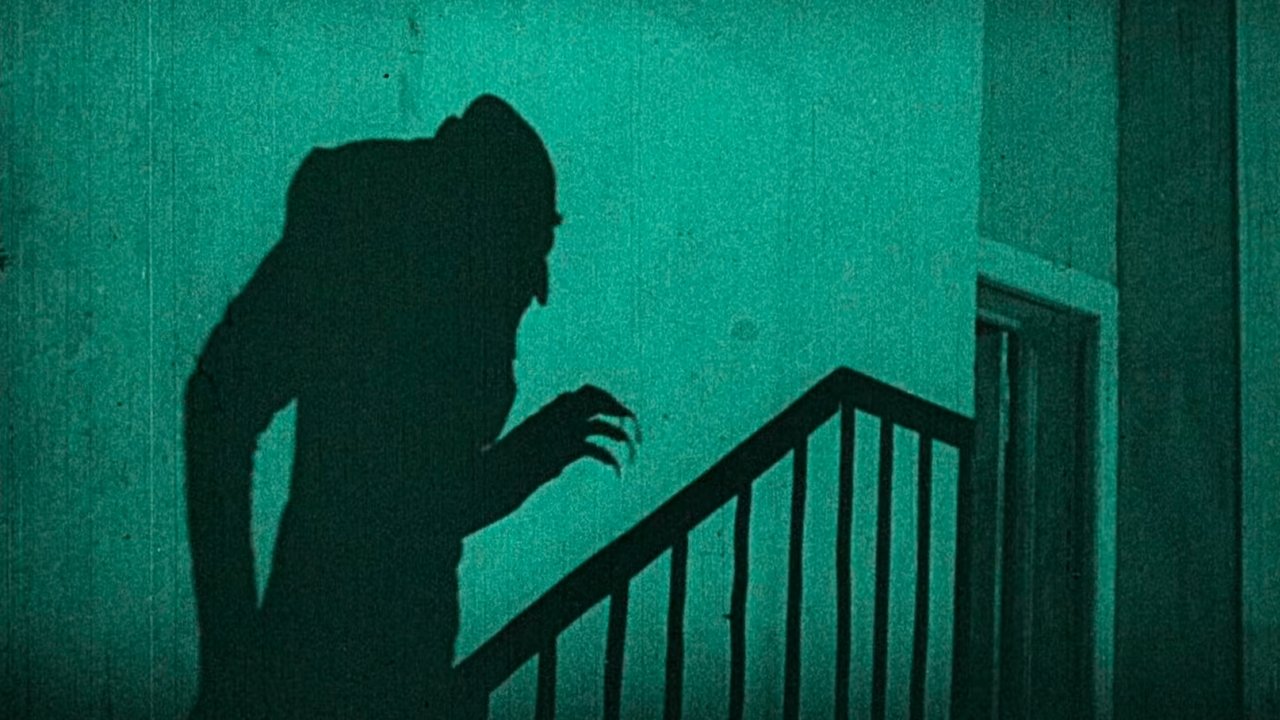
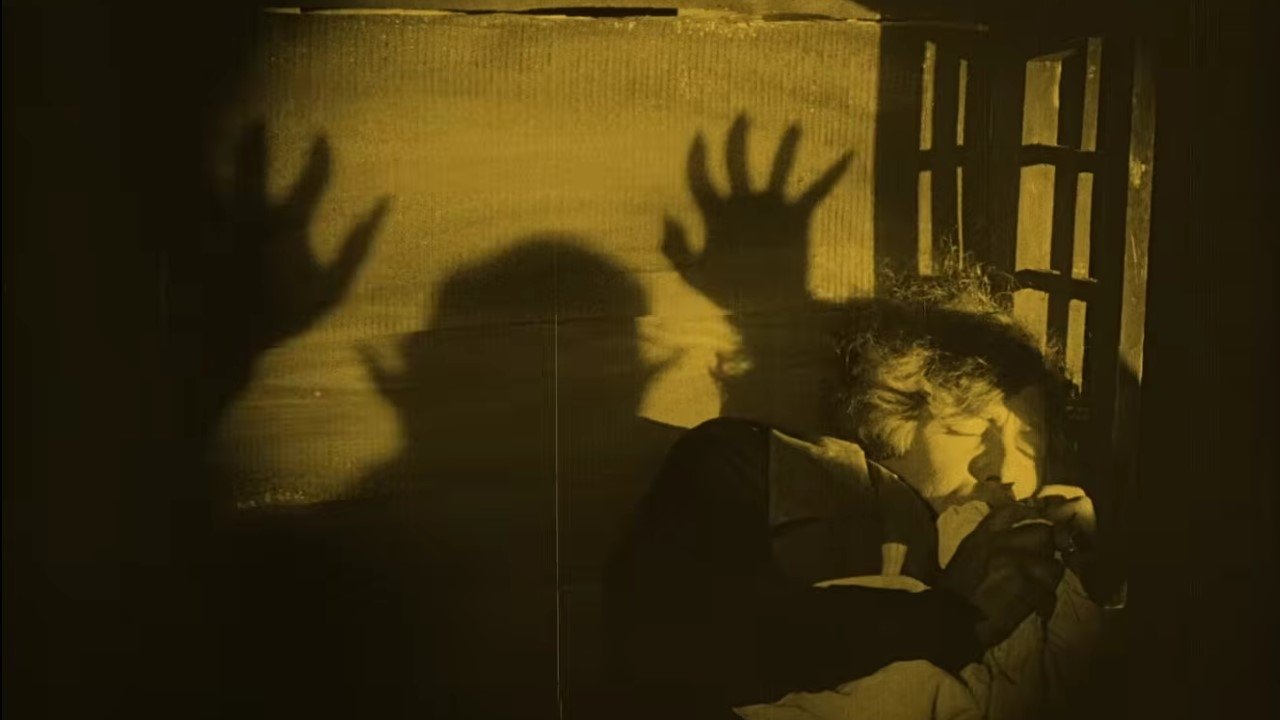
For a film over a century old, the technical ingenuity still leaves me floored. Henrik Galeen’s screenplay and Fritz Arno Wagner’s cinematography utilized negative film strips to represent the "land of ghosts"—white trees against a black sky—creating a visual vocabulary for the supernatural that we still use today. Then, of course, there is the shadow. The shot of Orlok’s shadow gliding up the stairs, its elongated fingers reaching for Ellen’s heart, is arguably the most famous image in horror history. It’s a reminder that the scariest thing isn't the monster, but the inevitability of the monster.
Despite the theatrical acting style of Gustav von Wangenheim (Hutter), who spends the first act being aggressively jolly, the film shifts into a somber, weighty tone the moment the deal is finalized. The editing by Murnau creates a psychic link between Hutter in Transylvania and his wife Ellen (Greta Schröder) back home. This "cross-cutting" was a relatively new narrative tool at the time, and using it to suggest a telepathic connection between the hunter and the prey was a stroke of genius.
Stuff You Didn't Notice
If you look closely at the history of this production, you'll find it's as cursed as the Count. Prana-Film, the studio behind the movie, went bankrupt almost immediately after its release due to the legal battles with the Stoker estate. Nosferatu was their first and only film. It’s also worth noting the influence of producer Albin Grau, an occultist who designed the sets and costumes. Grau claimed he was inspired to make a vampire film after a Serbian farmer told him stories about his father being one of the "undead" during the Great War. This wasn't just entertainment for the creators; it was an exploration of the post-WWI trauma that gripped Germany, where death had become a constant, unwelcome neighbor.
If you can surrender yourself to the pacing of 1922, Nosferatu offers a reward that few modern films can match. It is a pure distillation of atmosphere, a "symphony of horror" that proves you don't need digital gore or loud noises to create an indelible image of evil. It is the root of the tree, the shadow that birthed every cinematic monster that followed. Even 102 years later, it still has the power to make you look twice at the shadows in your hallway before you go to bed.
Keep Exploring...
-
Dracula
1931
-
King Kong
1933
-
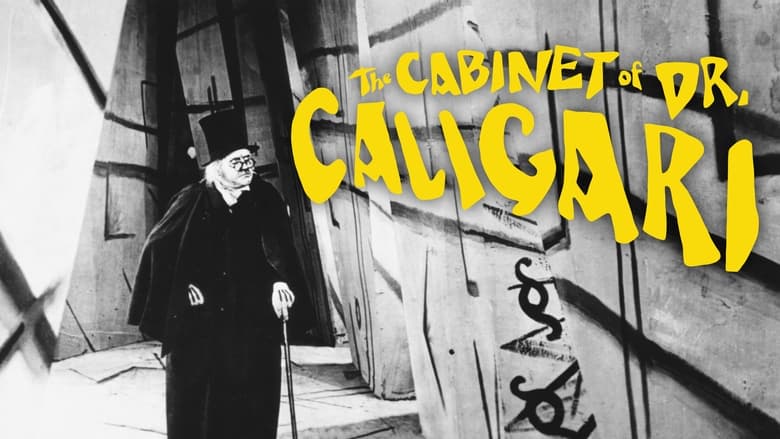
The Cabinet of Dr. Caligari
1920
-
Sleepy Hollow
1999
-
Constantine
2005
-
Doctor Sleep
2019
-
Frankenstein
2025
-
Sunrise: A Song of Two Humans
1927
-

Un Chien Andalou
1929
-
Frankenstein
1931
-
Freaks
1932
-
The Invisible Man
1933
-
Bride of Frankenstein
1935
-
M
1931
-
The Rocky Horror Picture Show
1975
-
Interview with the Vampire
1994
-

The Devil's Backbone
2001
-
Inland Empire
2006
-
Red Dragon
2002
-
Perfume: The Story of a Murderer
2006