Battleship Potemkin
"A rhythmic collision of blood and steel."
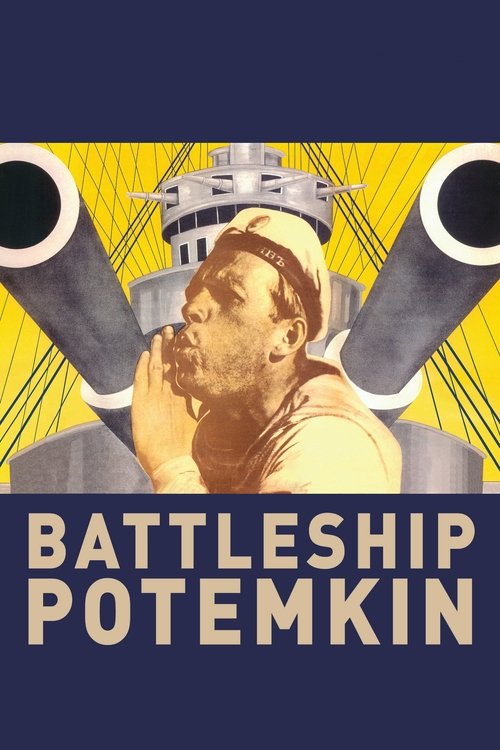
Most people recognize the baby carriage. You’ve seen it parodied in The Untouchables, referenced in Star Wars, and probably glimpsed in every "History of Cinema" montage ever assembled. But sitting down to actually watch Sergei Eisenstein’s 1925 giant, Battleship Potemkin, is a different beast entirely. It’s not a dusty museum piece or a polite historical reenactment; it is a loud, rhythmic, and deeply unsettling scream of a film that manages to feel more modern than half the blockbusters currently clogging up the local multiplex.

I recently rewatched this on my laptop while my neighbor was outside pressure-washing his driveway. Curiously, the steady, mechanical thrum-thrum-thrum of the water against the pavement synced up perfectly with the engine-room sequences of the ship. It added a layer of industrial dread that I don't think even Eisenstein could have planned, but it fit the mood perfectly. This is a film built on the beauty—and the horror—of the machine.
The Art of the Angry Edit
To understand why this movie still has the power to make your heart race, you have to talk about "Montage." Before Eisenstein, movies were mostly filmed like plays—long takes, wide shots, and a lot of waiting for actors to walk across the room. Eisenstein decided that was boring. He believed that film shouldn't just show you a story; it should collide images together to create a new feeling in your brain.
In Potemkin, he doesn't just show a mutiny. He shows a close-up of a bowl of maggot-infested meat, a flash of a commander’s arrogant sneer, and the frantic eyes of a sailor. When those images hit each other in rapid succession, you don't just see a plot point; you feel the physical nausea of the crew. It’s a jolting experience. Honestly, it’s essentially a 75-minute heavy metal music video without the music, and it moves with a predatory speed that puts most 1920s cinema to shame.
The Meat, the Mutiny, and the Massacre
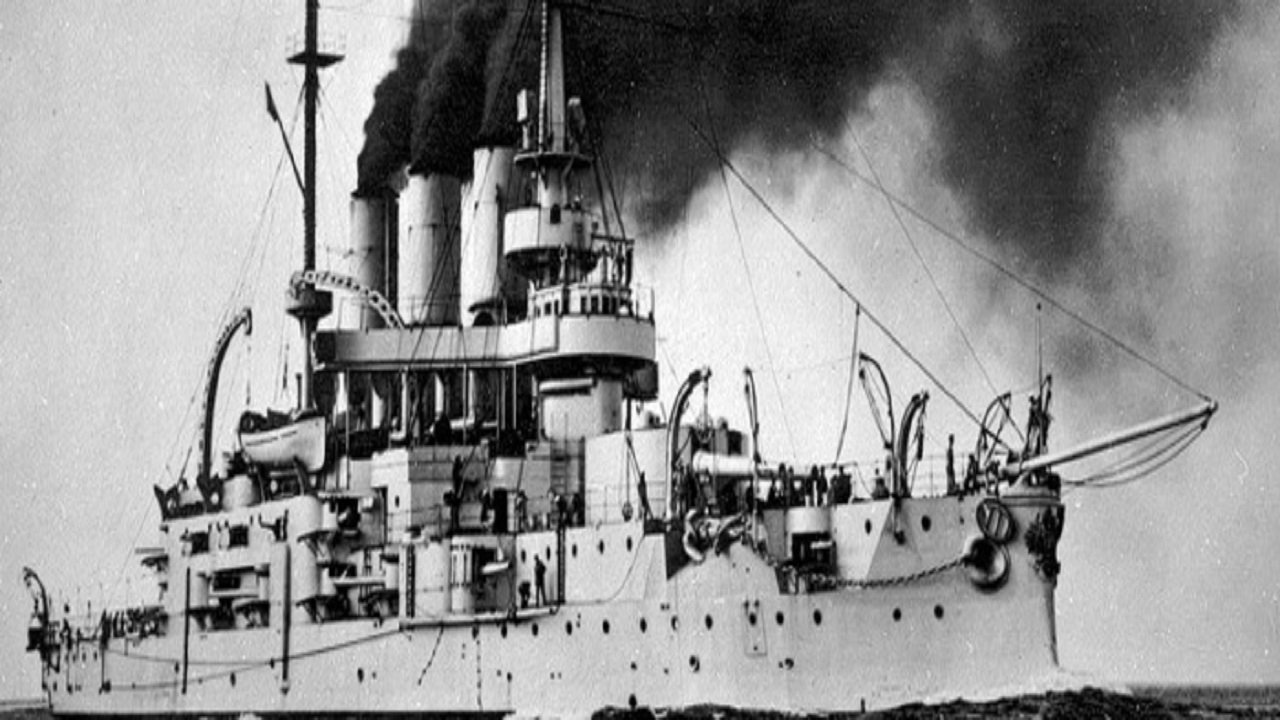
The story is a dramatization of a real-life 1905 mutiny, and it kicks off with the aforementioned meat. The sailors are being fed rotting rations, and when they complain, Vladimir Barsky (as Commander Golikov) treats them with a callousness that makes your blood boil. The tension on the ship is thick enough to cut with a bayonet. Aleksandr Antonov plays Grigory Vakulinchuk, the charismatic heart of the rebellion, with a rugged, grounded intensity. When the fighting finally breaks out, it isn't choreographed like a graceful dance; it’s a chaotic, desperate scramble for survival.
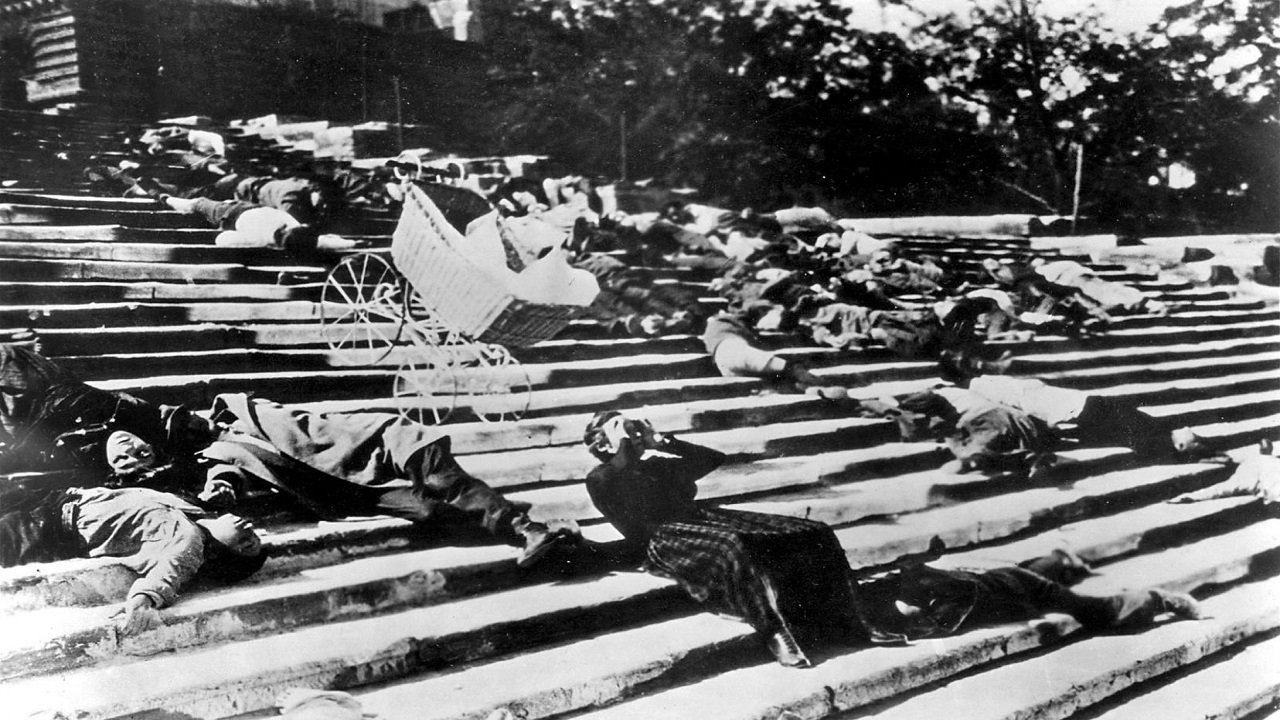
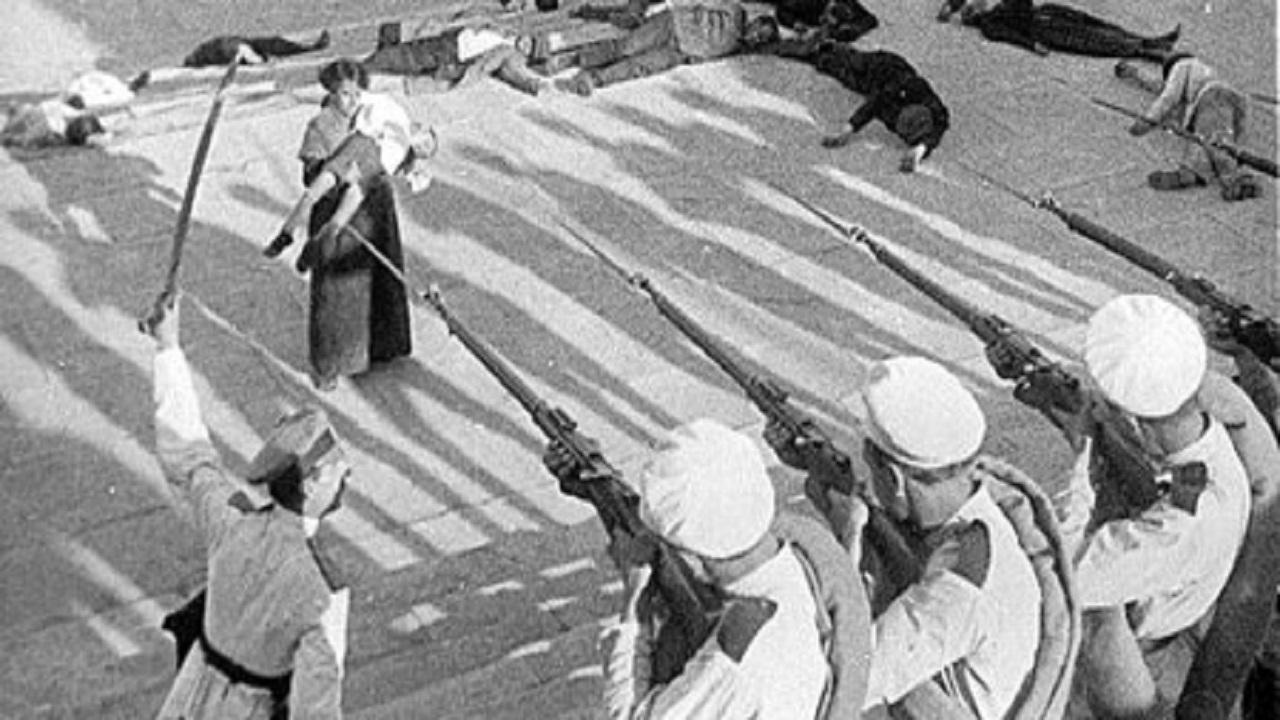
The "Odessa Steps" sequence remains the film's most haunting achievement. It’s a masterclass in atmospheric dread. You see the faceless, rhythmic march of the Tsar’s soldiers—boots, rifles, shadows—coming down the stairs toward a crowd of cheering civilians. Then, the massacre begins. Eisenstein uses the camera like a weapon, jumping from a shattered pair of spectacles to a bleeding mother to that famous, runaway perambulator. It’s dark, it’s intense, and it refuses to blink. There’s a specific shot of a woman’s face right after she's been struck that stayed in my head for three days.
A Masterpiece Hiding in Plain Sight
Why has a film this influential become something of an "obscure" watch for the average moviegoer? Part of it is the "silent film" stigma—the assumption that without dialogue, a movie must be slow or theatrical. But Potemkin isn't theatrical; it’s propaganda at its most potent and visually stunning. It was banned in several countries for years because governments were legitimately terrified it would start actual riots. If you think silent movies are just guys in top hats falling into ponds, this will hit you like a brick to the jaw.
One of the coolest details about the original release is that the revolutionary flag, which is raised during the mutiny, was actually hand-tinted red in every single frame of the film strip. In a world of black-and-white, that sudden flash of crimson was a technical miracle. It’s that kind of obsessive attention to the emotional impact of an image that keeps Eisenstein’s work relevant. He wasn't just recording a play; he was inventing the language of visual tension that every director from Hitchcock to Spielberg would eventually borrow.
The film is a reminder that cinema was born out of a desire to move people, not just to entertain them. While the political messaging is overt—this was, after all, commissioned by the Soviet government—the human drama of the crew’s struggle and the sheer technical audacity of the editing transcends its origins. It is a lean, mean, 75-minute exercise in how to tell a story through pure motion. Grab a drink, turn off your phone, and let the rhythmic chaos of the Odessa Steps remind you why we go to the movies in the first place.

Keep Exploring...
-
All Quiet on the Western Front
1930
-
Patton
1970
-
A Bridge Too Far
1977
-
Casualties of War
1989
-
Glory
1989
-
Joyeux Noel
2005
-
The Round Up
2010
-

Land of Mine
2015
-
Т-34
2018
-

The Passion of Joan of Arc
1928
-
Gone with the Wind
1939
-
The Bridge on the River Kwai
1957
-
Spartacus
1960
-
Barry Lyndon
1975
-
Das Boot
1981
-

Empire of the Sun
1987
-
Schindler's List
1993
-

Braveheart
1995
-
Saving Private Ryan
1998
-
The Thin Red Line
1998