The Gold Rush
"Licorice boots, dancing rolls, and the sheer audacity of genius."
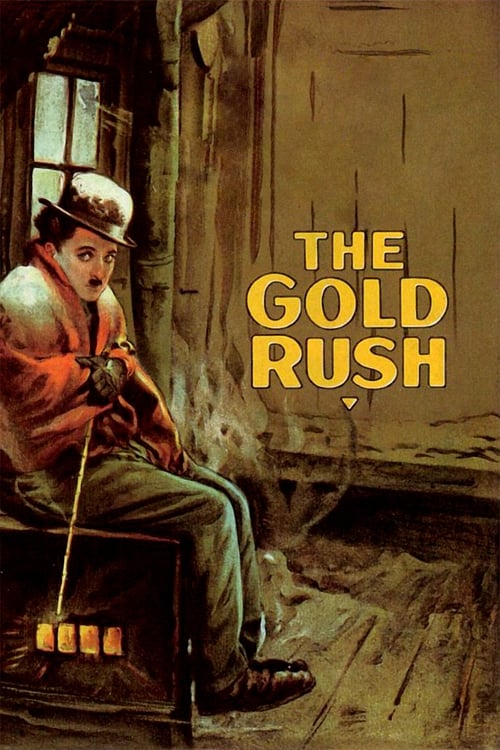
Imagine standing in a line of 2,500 actual extras trudging up a mountain made of salt and flour because you refuse to settle for anything less than visual perfection. That was the reality on the set of The Gold Rush, a film where Charlie Chaplin—already the most famous man in the world—decided to take the most horrific survival stories of the American frontier and turn them into a comedy. It’s a move that should have been in incredibly poor taste, yet a century later, it remains the high-water mark for what a single creative mind can achieve when given a massive budget and zero supervision.
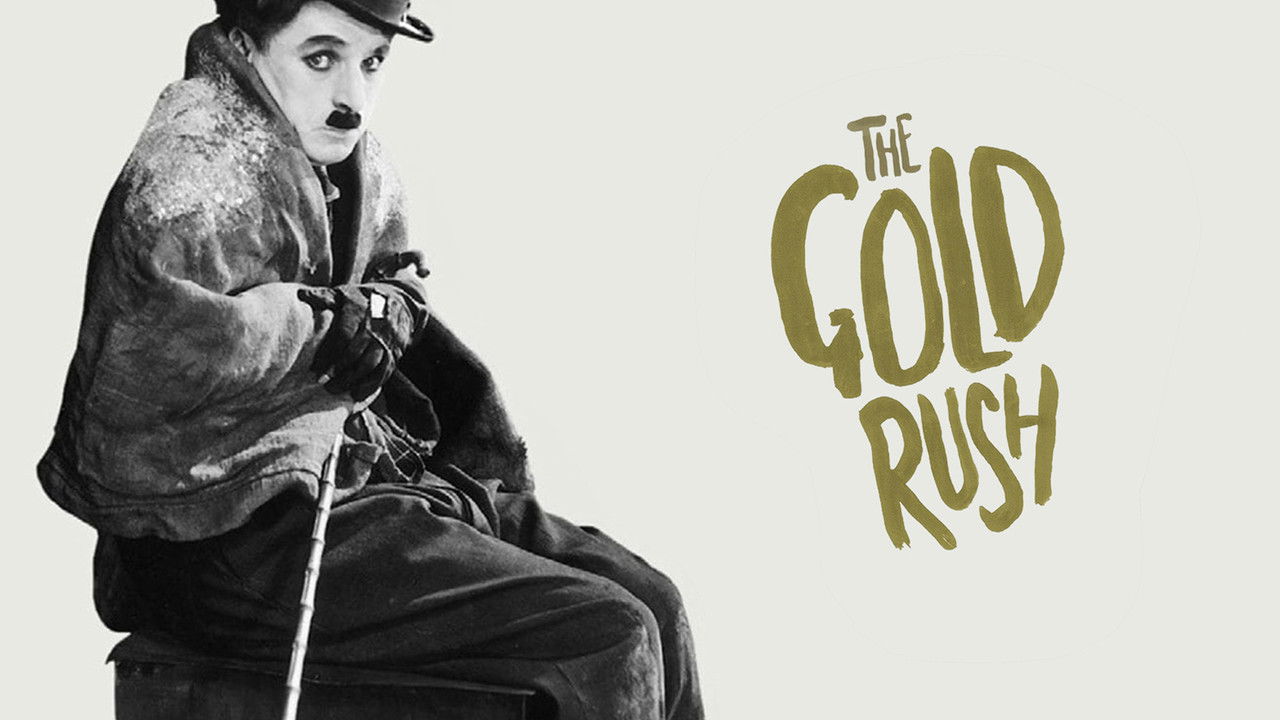
I watched this most recently on a Tuesday afternoon while my neighbor’s leaf blower was trying to achieve takeoff outside my window, and remarkably, the silence of the film was the only thing that kept me sane. There is something meditative about the lack of dialogue that forces you to lock in on the movement, the eyes, and the sheer geometry of the gags.
Survival of the Funniest
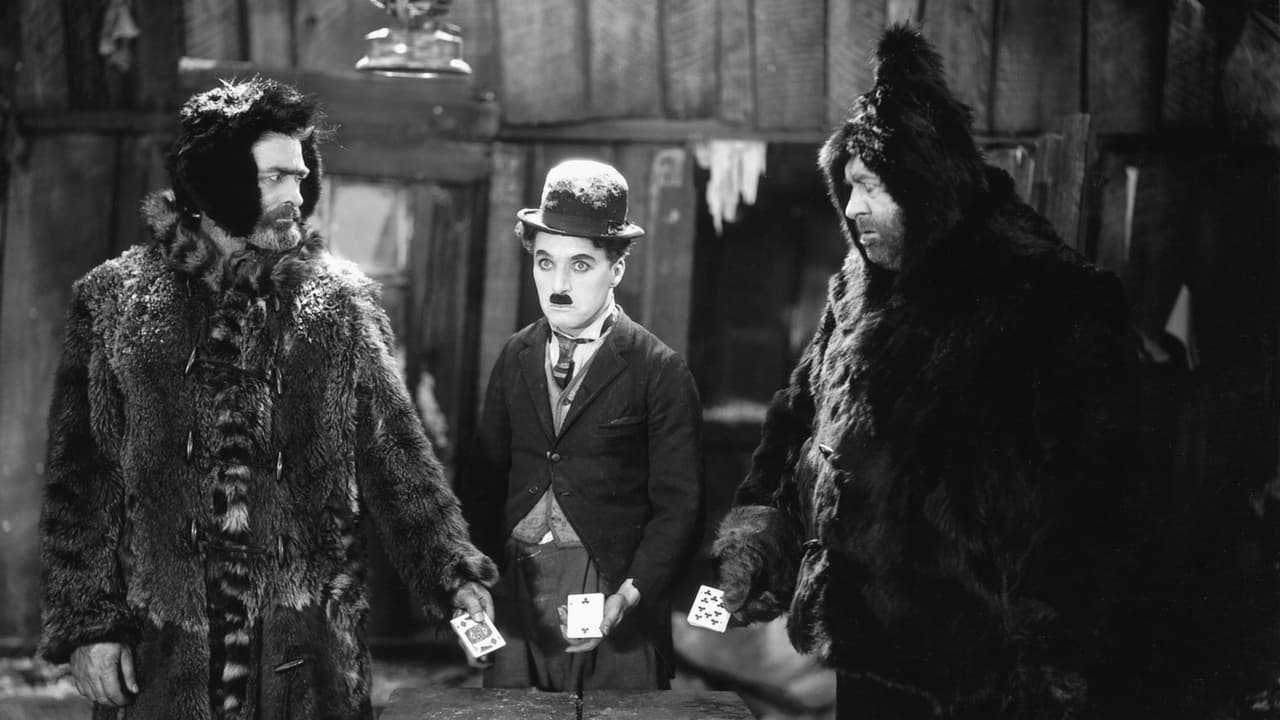
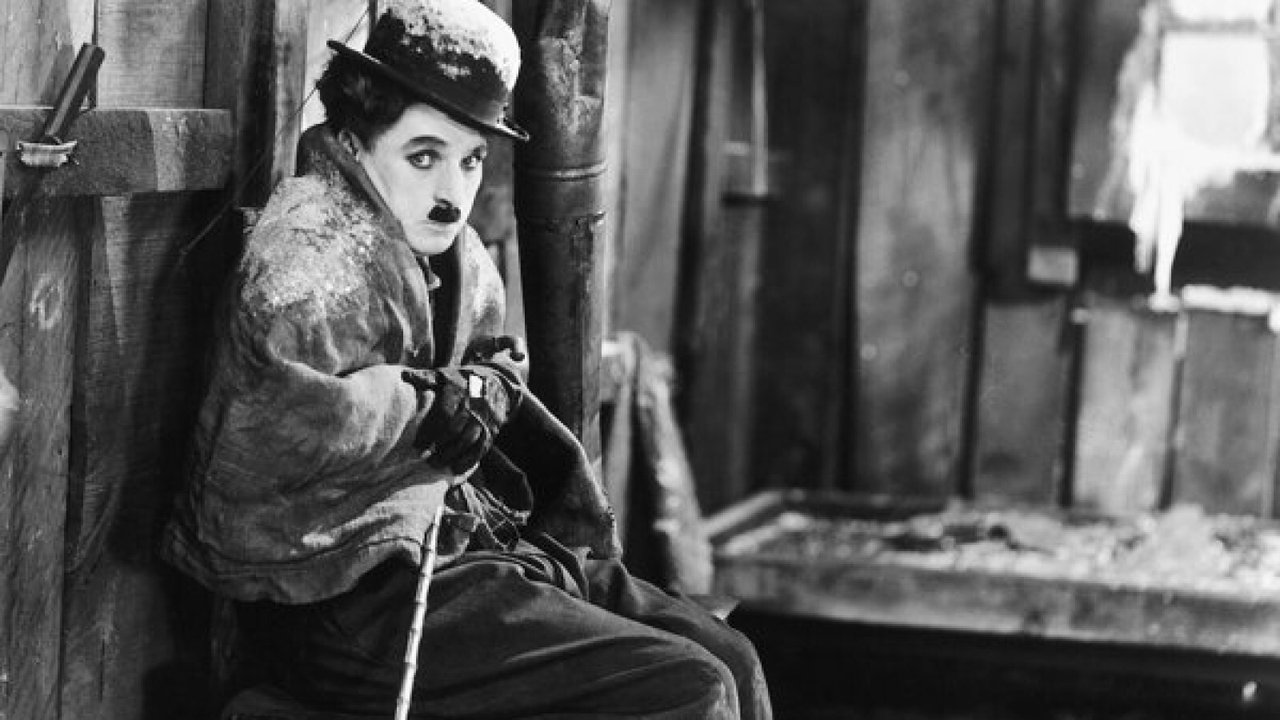
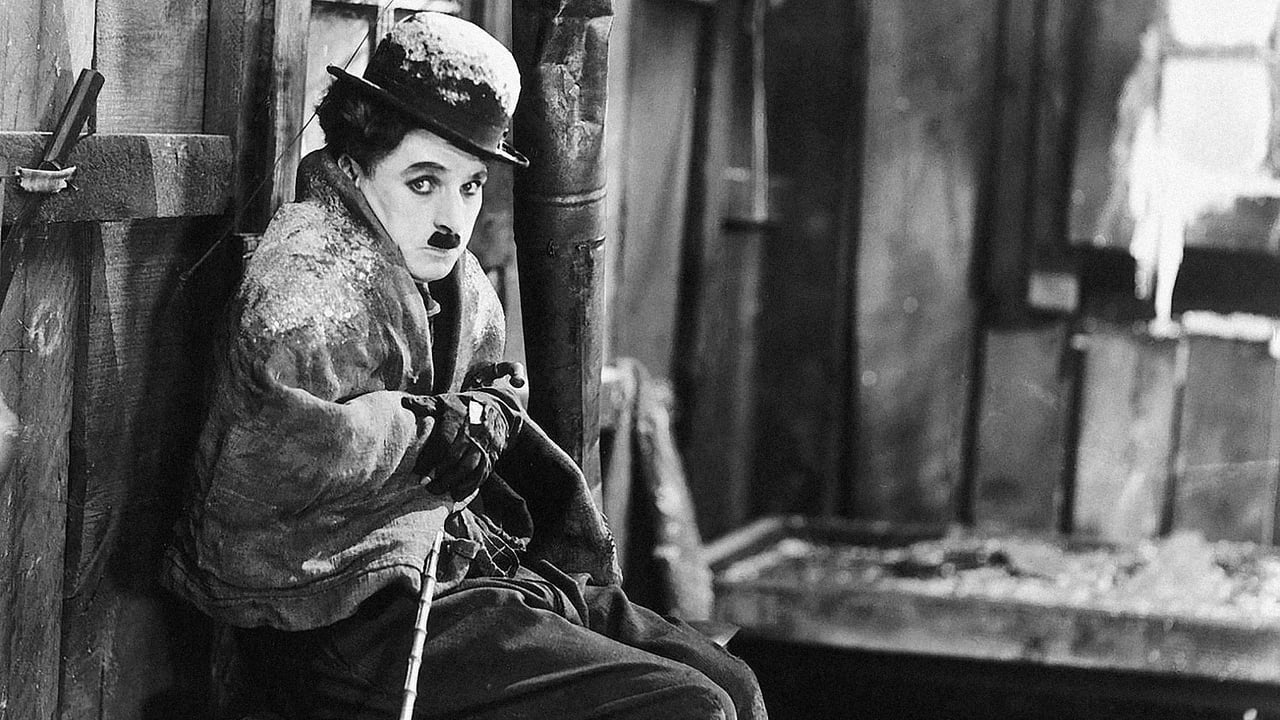
At its heart, The Gold Rush is a comedy about the very real possibility of dying in the cold. Charlie Chaplin, playing his iconic Lone Prospector, finds himself trapped in a remote cabin during a blizzard with Big Jim McKay (Mack Swain) and the murderous Black Larsen (Tom Murray). This is where the film earns its "Drama" stripes. While we’re here for the laughs, the stakes are genuinely life-and-death.
The sequence where Charlie Chaplin and Mack Swain are forced to eat a boiled leather boot is perhaps the most famous bit of "food" cinematography in history. Watching Chaplin treat the laces like spaghetti and the nails like chicken bones isn't just a funny bit; it’s a masterclass in character. The Prospector maintains his dignity even while consuming his own footwear. It’s worth noting that the "boot" was actually made of licorice, and Chaplin reportedly had to shoot so many takes that he required medical attention for the laxative effects of eating that much candy. If that isn't suffering for your art, I don't know what is.
The Independent Auteur’s Playground
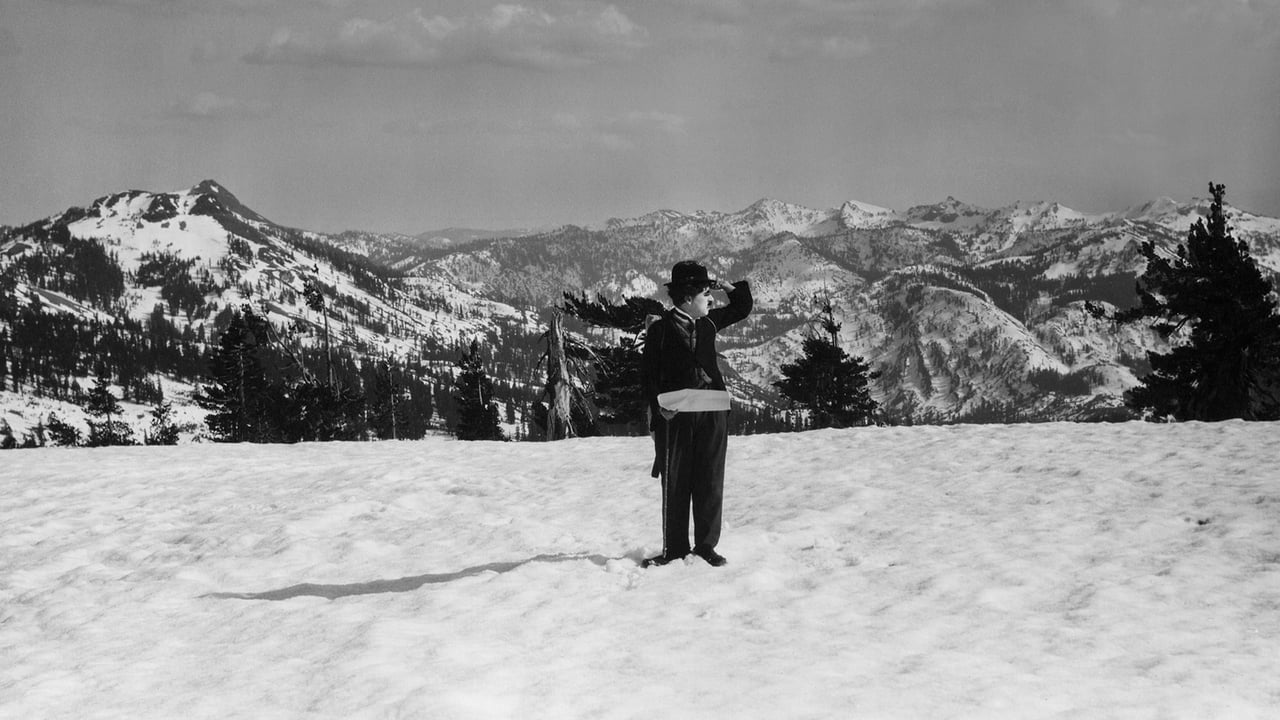
While we often think of the 1920s as the "primitive" era, The Gold Rush was a massive, sophisticated production. Chaplin was effectively an indie filmmaker with the bank account of a small nation. He financed the film himself through United Artists, meaning he didn't have a studio head breathing down his neck about the budget or the grueling shooting schedule.
This independence allowed for technical breakthroughs that still look impressive today. The famous "tilting cabin" sequence, where the house teeters on the edge of a cliff, was done with a full-scale cabin on a mechanical rocker. There are no CGI safety nets here. When you see Charlie Chaplin and Mack Swain scrambling to get out of a house that is physically leaning over an abyss, the tension is real because the physical physics are real. The fact that Chaplin didn't kill his entire cast for the sake of a punchline is a minor miracle.
Chaplin’s perfectionism is legendary, but in The Gold Rush, it feels directed toward a singular goal: empathy. He takes a story inspired by the Donner Party—the ill-fated pioneers who resorted to cannibalism—and finds the human core in it. When Big Jim starts hallucinating that Charlie is a giant chicken, it’s hilarious, but it’s also a terrifying depiction of a man losing his mind to hunger.
Romance and the Bread Roll Dance
Of course, it’s not all snowdrifts and starvation. The second half of the film shifts to a town where Charlie falls for a dance-hall girl named Georgia, played with a surprising amount of soul by Georgia Hale. This is where the film transitions from an adventure into a poignant character study.
The "Oceana Roll" dance—where Chaplin sticks two forks into bread rolls and performs a miniature ballet—is the kind of sequence that has been imitated a thousand times (looking at you, The Simpsons and Benny Hill), but the original is still the best. It’s a moment of pure, unadulterated joy that serves to make the subsequent heartbreak even sharper. When Georgia fails to show up for the New Year’s Eve dinner Charlie has painstakingly prepared, it’s a gut-punch. Charlie Chaplin’s face in that moment is more expressive than ten pages of modern screenplay dialogue.
The film exists in two major versions: the original 1925 silent cut and a 1942 re-release where Chaplin added a musical score and a narration (voiced by himself). While the 1942 version is faster and has Chaplin's own charming commentary, the 1925 original allows the performances to breathe. I prefer the silence; it lets you appreciate the chemistry between Charlie Chaplin and Mack Swain, a duo that rivaled Laurel and Hardy for sheer physical synchronicity.
The Gold Rush isn't just a historical curiosity; it’s a reminder that great storytelling doesn't need words, color, or digital wizards. It just needs a guy with a cane, a giant who thinks he’s a chicken, and a pair of licorice boots. It’s the kind of film that makes you want to go out and make something yourself, even if you only have a shoestring budget—or a literal shoestring to eat. If you’ve never dipped your toe into the silent era, let this be your starting point. It's funny, heart-wrenching, and undeniably cool.
Keep Exploring...
-
The Kid
1921
-

City Lights
1931
-

The Circus
1928
-
Modern Times
1936
-
The General
1926
-
The Great Dictator
1940
-
Hunt for the Wilderpeople
2016
-
Mr. Smith Goes to Washington
1939
-

Fanboys
2009
-
Fear and Loathing in Las Vegas
1998
-
The Life Aquatic with Steve Zissou
2004
-

The Darjeeling Limited
2007
-
The Secret Life of Walter Mitty
2013
-
Inside Out
2015
-
The Peanut Butter Falcon
2019
-

Lolita
1962
-
Buffalo '66
1998
-

The First Time
2012
-
mid90s
2018
-
Sherlock Jr.
1924