Metropolis
"The architecture of heaven built on the machinery of hell."
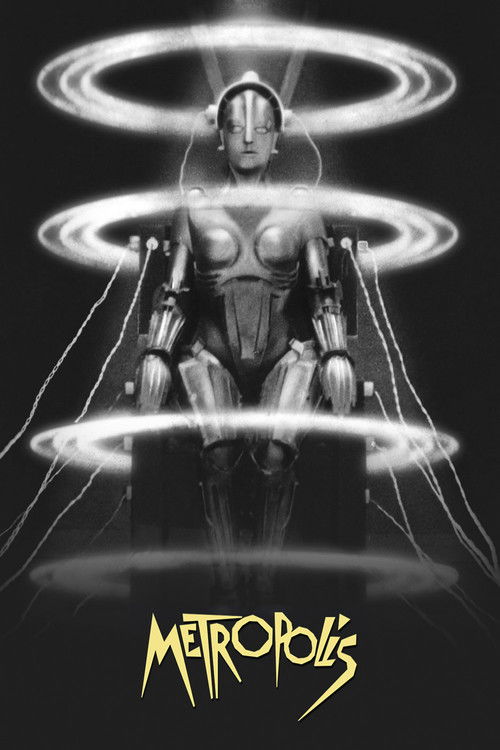
Standing at the foot of the Tower of Babel—or at least, the 1920s German expressionist version of it—it’s hard not to feel small. I recently revisited Metropolis on a flickering laptop screen while sitting in a drafty coffee shop, and even with the hum of a nearby espresso machine threatening to drown out the score, the film’s sheer, ego-driven scale felt like it was going to burst through the monitor. Fritz Lang didn’t just make a movie in 1927; he built a secular cathedral to the machine age, then invited us all to watch it burn.
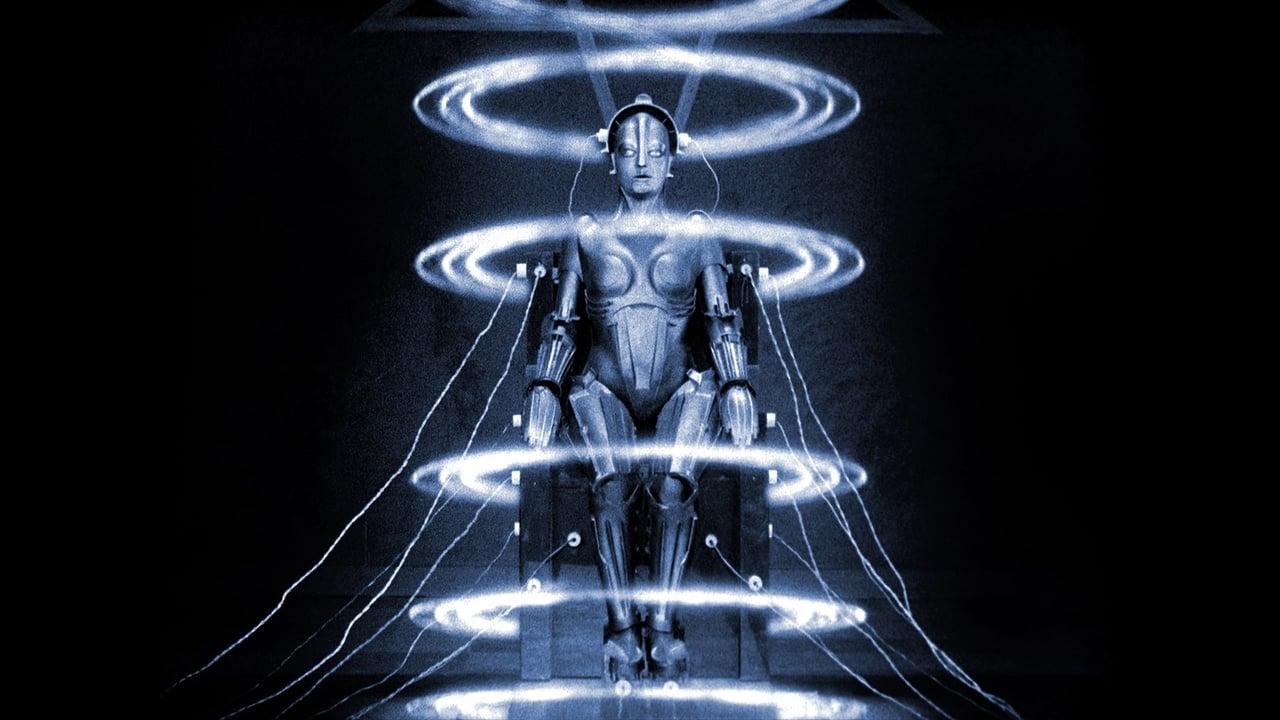
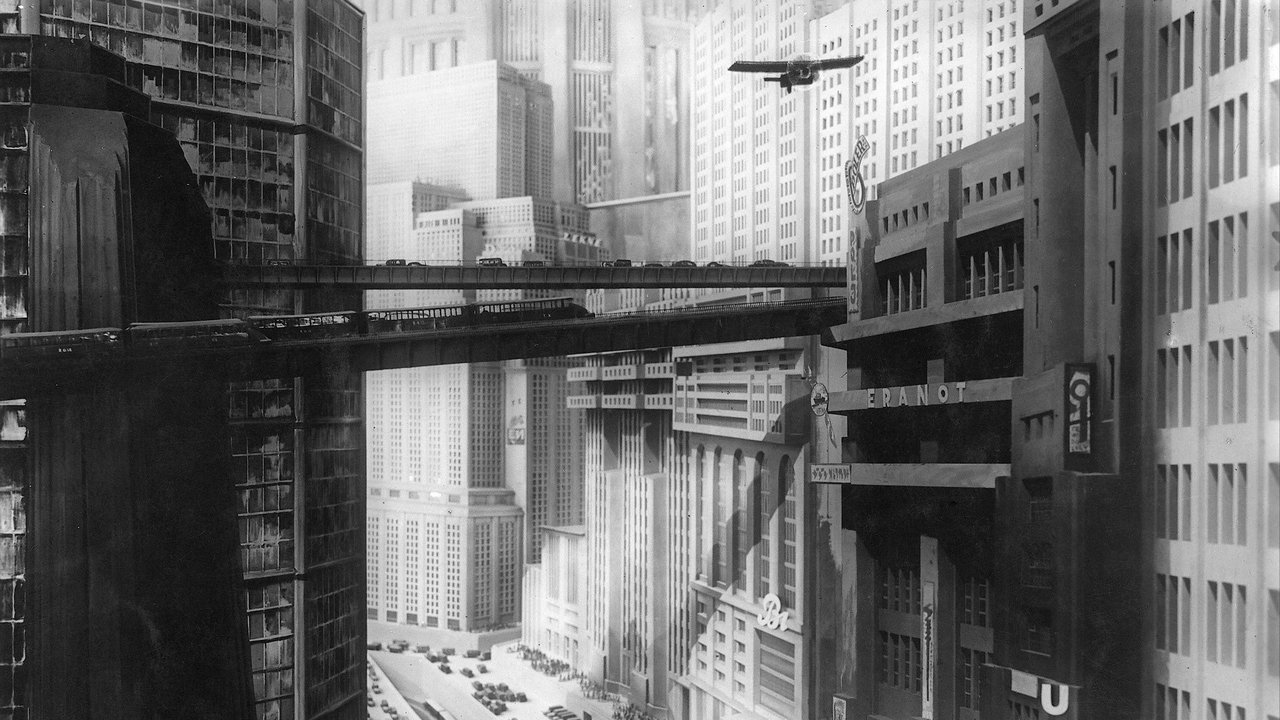
It is the definitive blueprint for every sci-fi cityscape we’ve seen since. If you love the neon rain of Blade Runner or the vertical sprawl of Coruscant in Star Wars, you’re looking at Lang’s DNA. But for a film so famous for its gears and robots, the actual experience of watching it is surprisingly sweaty, frantic, and deeply human.
The Tyranny of the Vertical City
The setup is a timeless "rich boy meets girl from the wrong side of the tracks" story, but cranked up to an operatic eleven. Freder (Gustav Fröhlich), the pampered son of the city's mastermind, discovers that the glistening paradise he inhabits is powered by an underground army of workers who move in soul-crushing, synchronized misery. When he sees a machine explode and transform into a literal, human-devouring god (Moloch), he doesn't just get a conscience—he has a full-blown existential crisis.
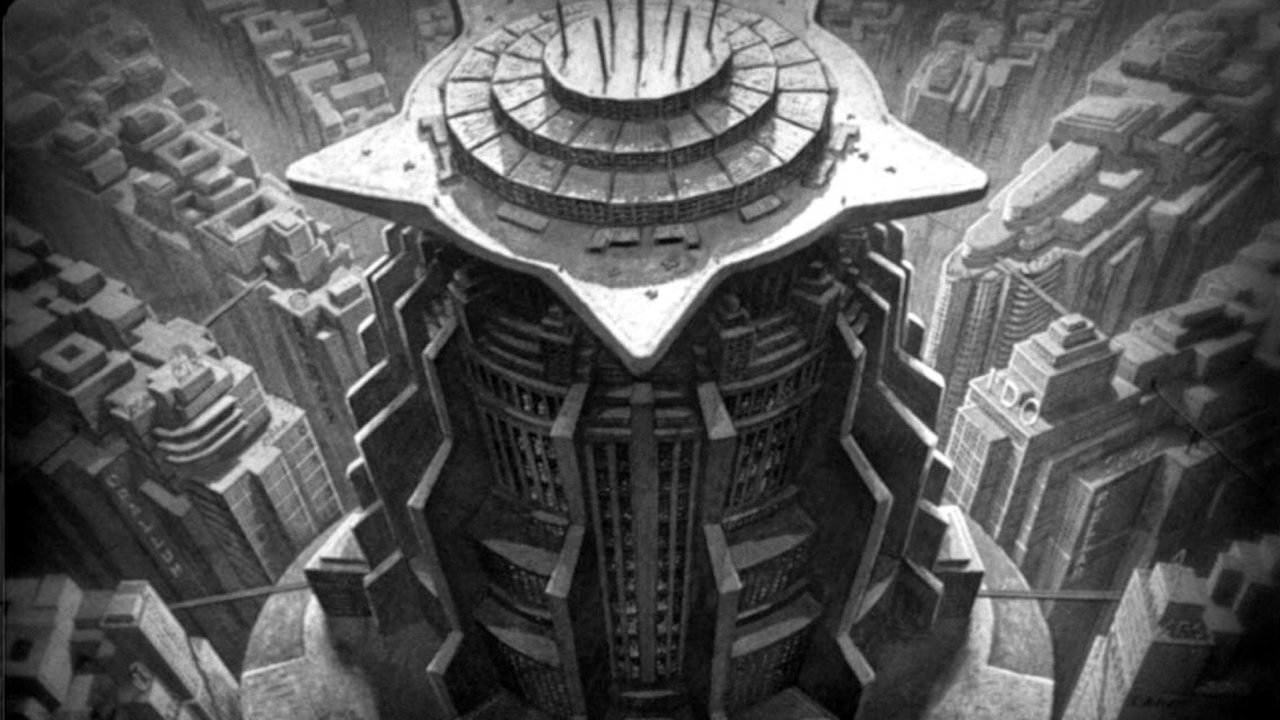
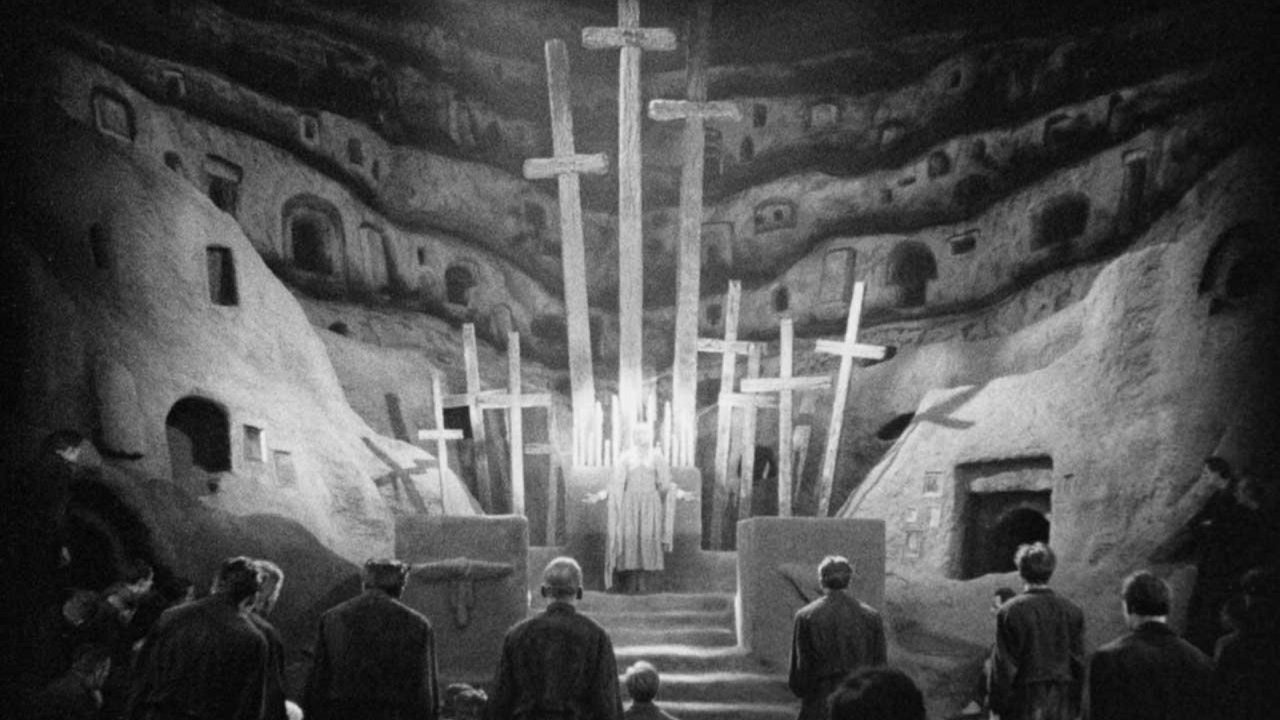
What struck me this time wasn't just the famous "Heart" metaphor, but how Fritz Lang used his background in architecture to weaponize the frame. The workers don’t just walk; they shuffle in geometric blocks, looking less like people and more like the teeth of a gear. It’s oppressive and gorgeous all at once. Behind the scenes, Lang was notoriously a bit of a nightmare to work for. He reportedly used 36,000 extras, and for the massive flooding climax, he forced those actors—including children—into ice-cold water for weeks. He treated his cast with about as much empathy as the film’s villain treats the workers, which adds a layer of uncomfortable authenticity to the onscreen suffering.
The Double Life of Brigitte Helm
If there is one reason to watch this film besides the sets, it’s Brigitte Helm. She was only 17 at the time, playing the dual roles of the saintly Maria and the "Machine-Man" robot sent to destroy her reputation. Her performance as the robot-Maria is one of the most unsettling things in silent cinema. She jerks her head with a bird-like twitch, one eye slightly drooping, radiating a chaotic, hyper-sexualized energy that completely disrupts the rigid order of the city.
The special effects used to create her "transformation" still look like black magic. Cinematographer Karl Freund used the Schüfftan process—a clever arrangement of mirrors—to place actors inside tiny models of the city. It’s a reminder that before we had green screens, filmmakers had to be part-time magicians. When the robot-Maria dances for the wealthy elite, the montage of staring, lustful eyes is so effective it feels like the film is staring back at you. The robot is the only character who seems to be having any fun, and frankly, I can’t blame her for wanting to tear the whole system down.
A Miracle of Resurrection
For decades, watching Metropolis was like reading a book with every fifth page torn out. The version that premiered in 1927 was a massive financial disaster for the studio, UFA, nearly bankrupting them. Consequently, the film was hacked to pieces by distributors who thought it was too long and too "communist" (or too "capitalist," depending on who you asked). We were left with a beautiful but incoherent skeleton.
Then came 2008. A nearly complete 16mm print was discovered in an archive in Buenos Aires, tucked away like a dusty relic. Seeing the restored version—the one with the subplots involving the "Thin Man" (Fritz Rasp) and the tragic backstory of the city's creator—changes everything. It turns a simple sci-fi fable into a sprawling, paranoid thriller. Without these pieces, the film's famous tagline about the "Heart" acting as a mediator between the "Hands" and the "Brain" feels a bit Hallmark-card shallow. With them, you realize the city of Metropolis is a powder keg of grief and ego that was always destined to explode.
There’s a persistent myth that silent films are "homework"—slow, dusty artifacts that you watch to feel sophisticated. Metropolis shatters that. It’s loud, it’s weird, and it’s visually hungrier than most of what came out last year. Yes, the acting is theatrical, and the "Heart" philosophy is a bit simplistic for a world as complex as ours, but the sheer audacity of the vision is undeniable. It’s a film about the fear that we are becoming the tools we use, a question that feels uncomfortably relevant every time I check my screen time. Put on the loudest orchestral score you can find, dim the lights, and let the Machine-Man lead you into the depths. You won’t regret the trip.

Keep Exploring...
-
M
1931
-

The Circus
1928
-
Modern Times
1936
-
Mr. Nobody
2009
-
Frankenstein
1931
-

Sunrise: A Song of Two Humans
1927
-

The Passion of Joan of Arc
1928
-

City Lights
1931
-

The Iron Giant
1999
-

Finch
2021
-
The Wild Robot
2024
-

A Trip to the Moon
1902
-

The Kid
1921
-
Mr. Smith Goes to Washington
1939
-

Planet of the Apes
1968
-

Evangelion: 1.0 You Are (Not) Alone
2007
-

Evangelion: 2.0 You Can (Not) Advance
2009
-

Moon
2009
-

PK
2014
-

Evangelion: 3.0+1.0 Thrice Upon a Time
2021