The Circus
"He isn't trying to be funny. That’s the joke."
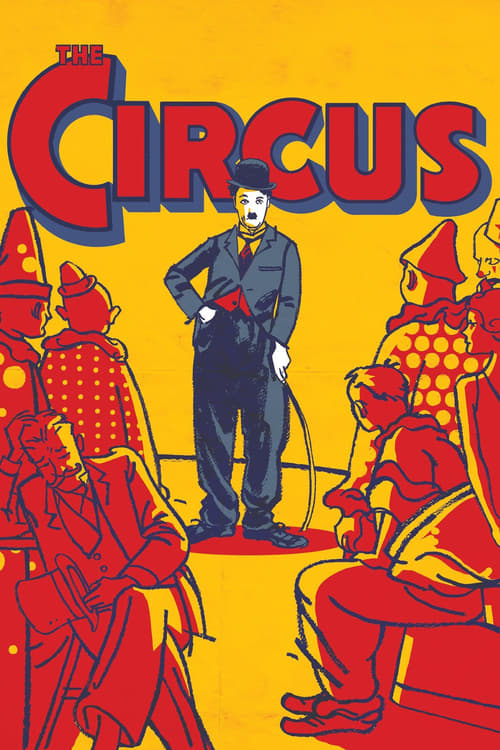
The final shot of The Circus is one of the loneliest images in the history of moving pictures. We see a circular patch of flattened earth where a big top used to stand, and a solitary figure walking away into a vast, empty horizon. It’s a haunting image of transience that stayed with me long after I finished my third cup of lukewarm coffee—which, for the record, I accidentally sweetened with salt because I was too mesmerized by a monkey biting Charlie Chaplin’s nose to pay attention to my spoon.
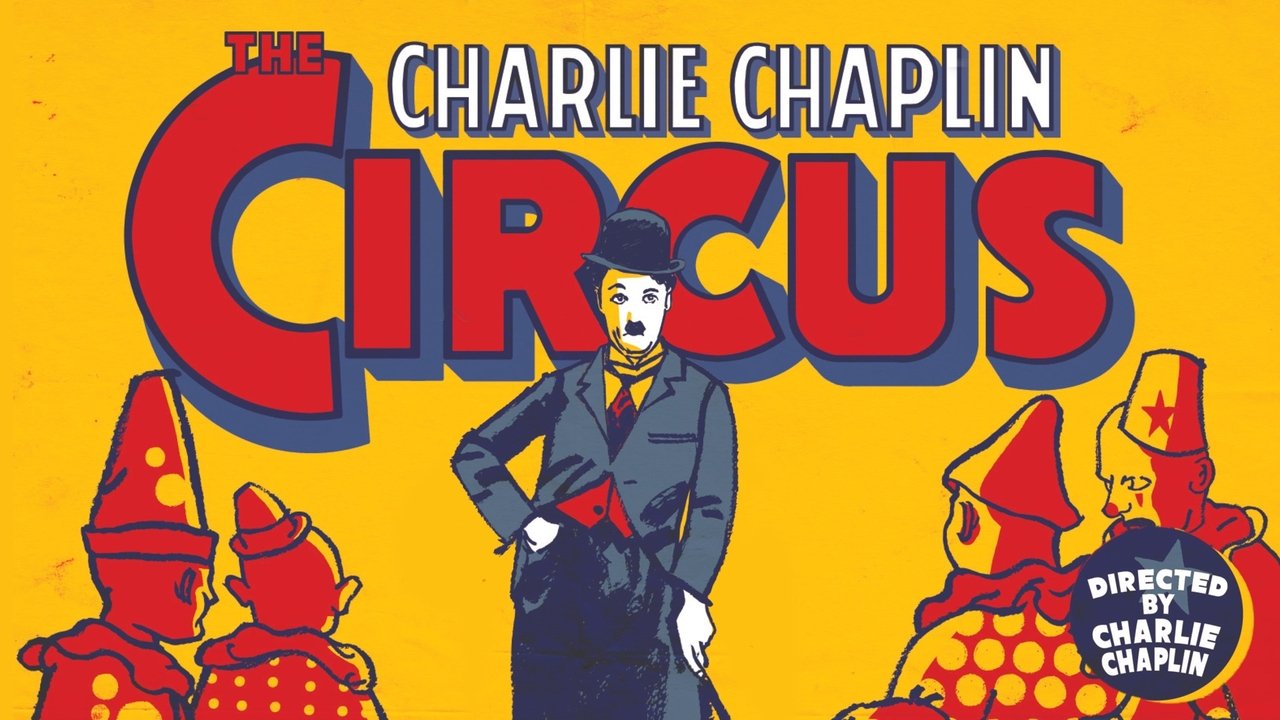
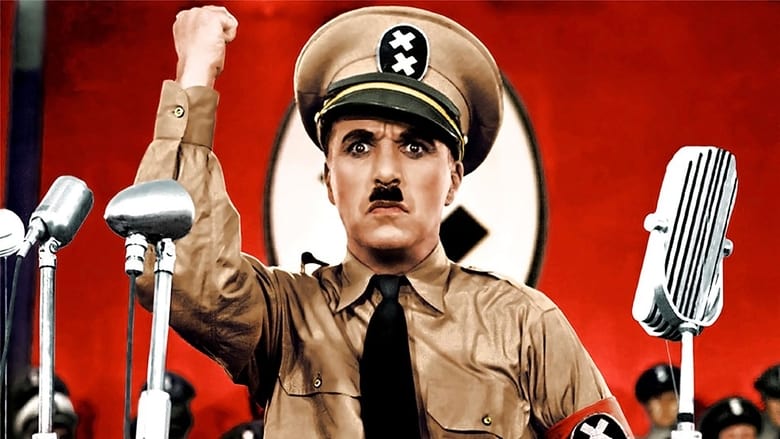
While everyone rightfully worships at the altar of City Lights or The Great Dictator, I’ve always felt The Circus is the most revealing self-portrait Chaplin ever painted. Released in 1928, it arrived at a moment when the world was screaming for "Talkies," yet Chaplin stayed stubbornly, brilliantly silent. It’s a film about a man who is only funny when he’s miserable, a meta-commentary on the grueling nature of making people laugh while your own world is burning down.
The Comedy of Misery
The premise is pure Chaplin: The Tramp is mistaken for a pickpocket, flees into a circus ring, and unintentionally becomes a sensation because his genuine terror is hilarious to the audience. This is where the drama gets teeth. The Circus Proprietor, played with a looming, oily menace by Al Ernest Garcia, realizes the Tramp is a goldmine—but only if he doesn't know he's funny.
There is something deeply philosophical, almost cruel, about this setup. It suggests that the performer is a captive of the audience's perception. When the Tramp tries to be a "professional" clown, he’s a disaster. He’s only valuable when he’s a victim. Watching Charlie Chaplin navigate this paradox is a masterclass in nuanced performance. He isn't just doing pratfalls; he’s portraying a man desperate for a job and a meal, unaware that his survival depends on his humiliation. He’s basically a 1920s influencer who doesn’t realize he’s the "before" photo.
The romantic stakes involve Merna Kennedy, the circus rider and step-daughter to the abusive Proprietor. Their chemistry is fragile and sweet, but Chaplin leans into the dramatic weight of unrequited love. He doesn’t just want to save her; he wants to be the hero she sees in Rex, the tightrope walker (Harry Crocker). It’s a heartbreaking look at the limitations of the "clown" archetype. No matter how much joy he brings to the crowd, he’s still the man in the dirt at the end of the night.
A Production Forged in Fire
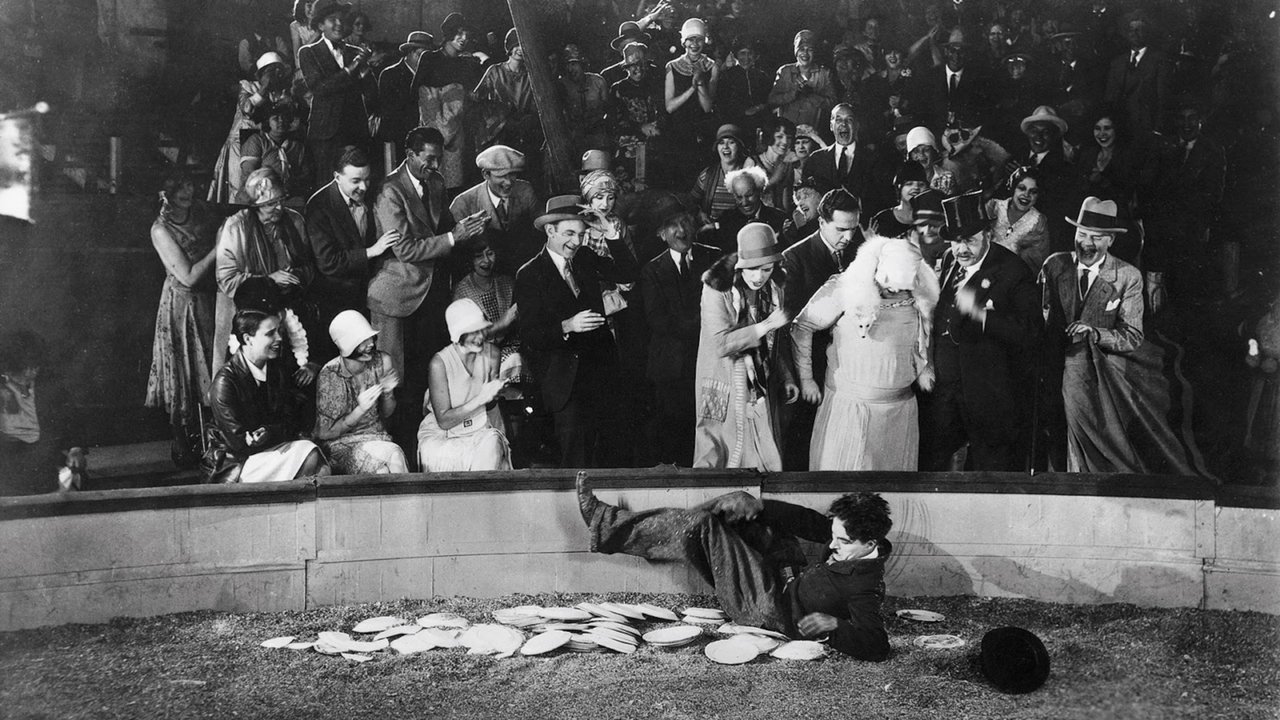
If the film feels a bit frayed at the edges or particularly desperate, it’s because the production was an absolute dumpster fire. I’m not being hyperbolic—a literal fire destroyed the sets. Then the IRS came after Chaplin for back taxes. Then his second wife, Lita Grey, filed for a scorched-earth divorce that nearly gave the public a moral heart attack.
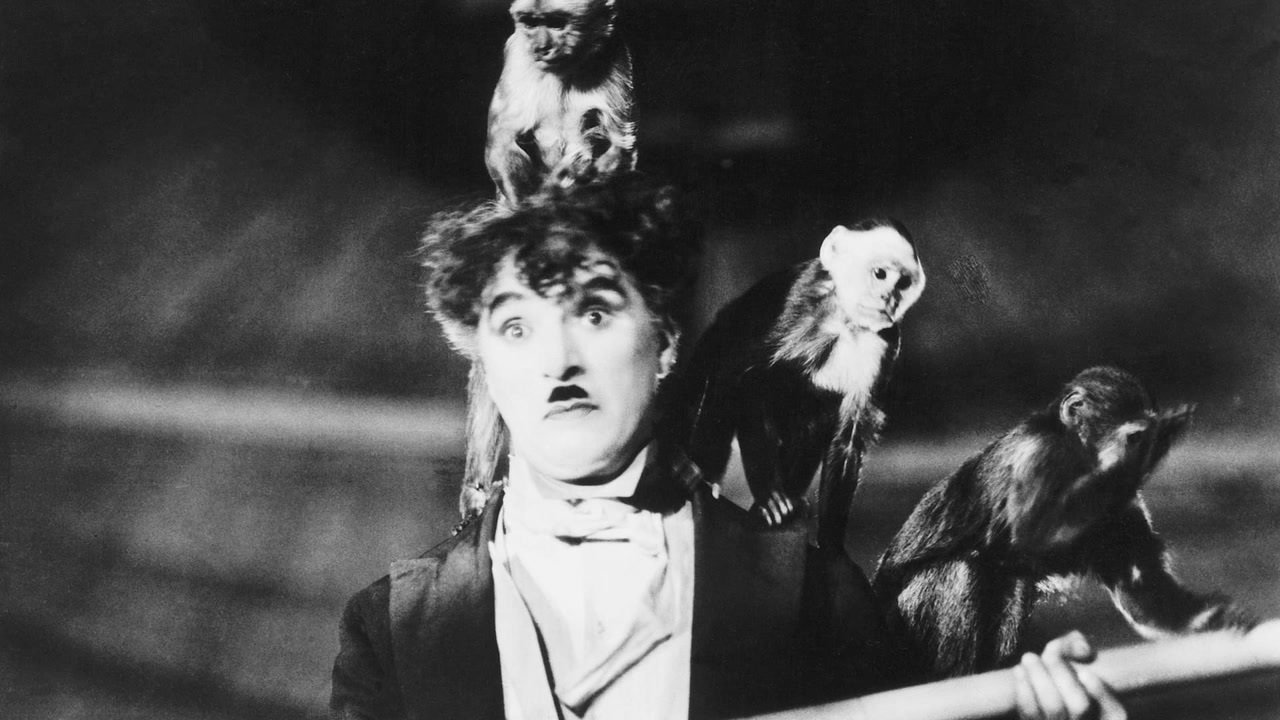
Chaplin actually suffered a nervous breakdown during filming, and yet, he produced some of the most technically daring sequences of his career. Take the tightrope scene. Charlie Chaplin actually learned to walk a wire for the film, performing the stunt forty feet in the air. When you see him being swarmed by escaped monkeys while balanced on a thin cable, that’s not a green screen. That’s a man experiencing genuine, primate-induced panic. Those monkeys are more terrifying than any modern horror CGI, mostly because they seem to have a personal vendetta against Charlie’s pants.
The technical innovation here is often overlooked. The "Mirror Maze" sequence is a dizzying bit of cinematography by Roland Totheroh that predates the famous hall of mirrors in Orson Welles’ The Lady from Shanghai by two decades. It’s a perfect visual metaphor for the Tramp’s fractured identity—a man lost in a world of his own reflections, unable to find the exit.
The Weight of the Empty Ring
As a drama, The Circus works because it refuses to give us the easy "happily ever after." It explores the existential dread of being a "handyman" in life—someone who fixes things for others but can’t seem to build a home for himself. Chaplin’s direction is restrained here; he lets the camera linger on the quiet moments of disappointment, like when he realizes he can’t compete with the glamour of the tightrope walker.

For a long time, Chaplin himself seemed to want to forget this movie existed. He didn't even mention it in his original autobiography, likely because it was tied to such a traumatic period of his life. But for us, the viewers, that trauma translated into a raw, vulnerable piece of art. It’s a bridge between the slapstick of his early shorts and the profound social commentary of his later features. It’s about the dignity of the loser, the grace of the guy who comes in second place.
If you’ve skipped this one in favor of the "bigger" classics, you’re missing the soul of the Silent Era. It’s a reminder that sometimes the most profound things are said when nobody is talking.
The Circus is the quintessential "sad clown" story, told by the man who invented the trope. It’s a lean, 72-minute exploration of human resilience and the bittersweet reality that life doesn't always reward the person with the biggest heart. It’s funny, sure, but the lumps in your throat are what make it a masterpiece. Watch it for the lion’s cage scene, but stay for the way Charlie folds up a piece of paper and walks away.
---
Keep Exploring...
-

City Lights
1931
-
Modern Times
1936
-
The Kid
1921
-
The Gold Rush
1925
-
Sunrise: A Song of Two Humans
1927
-
Sabrina
1954
-
Harold and Maude
1971
-
A Dog's Will
2000
-
The Great Dictator
1940
-
It Happened One Night
1934
-
Bringing Up Baby
1938
-
Mr. Smith Goes to Washington
1939
-
Manhattan
1979
-
10 Things I Hate About You
1999
-
Moonrise Kingdom
2012
-

Love, Simon
2018
-
Sherlock Jr.
1924
-

The Passion of Joan of Arc
1928
-
Say Anything...
1989
-
EverAfter
1998