The Passion of Joan of Arc
"The human face is a landscape you can get lost in."
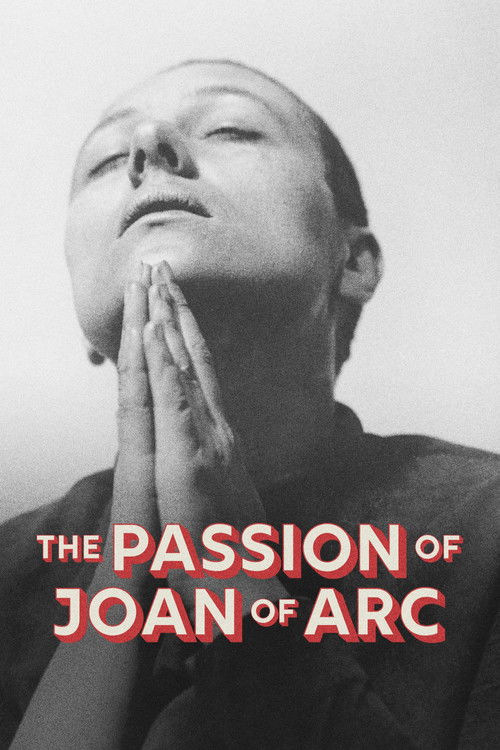
Imagine, for a second, that you’ve spent your entire life hearing about a legendary treasure. You’ve seen grainy, fragmented maps of it, but the actual chest was supposedly lost in a fire nearly a century ago. Then, in 1981, a janitor at a mental institution in Oslo opens a closet and finds several film canisters tucked away next to the cleaning supplies. Inside? The original, uncensored cut of Carl Theodor Dreyer’s The Passion of Joan of Arc. It’s the kind of cinematic miracle that shouldn't happen, yet it did, restoring to us what I honestly believe is the most intense psychological experience ever committed to celluloid.

I first watched this version on a humid Tuesday evening while trying to ignore a persistent itch on my left ankle—likely a mosquito bite from earlier that day—but within ten minutes, I had completely forgotten to scratch. I was too busy staring back at Maria Falconetti.
The Geography of the Human Face
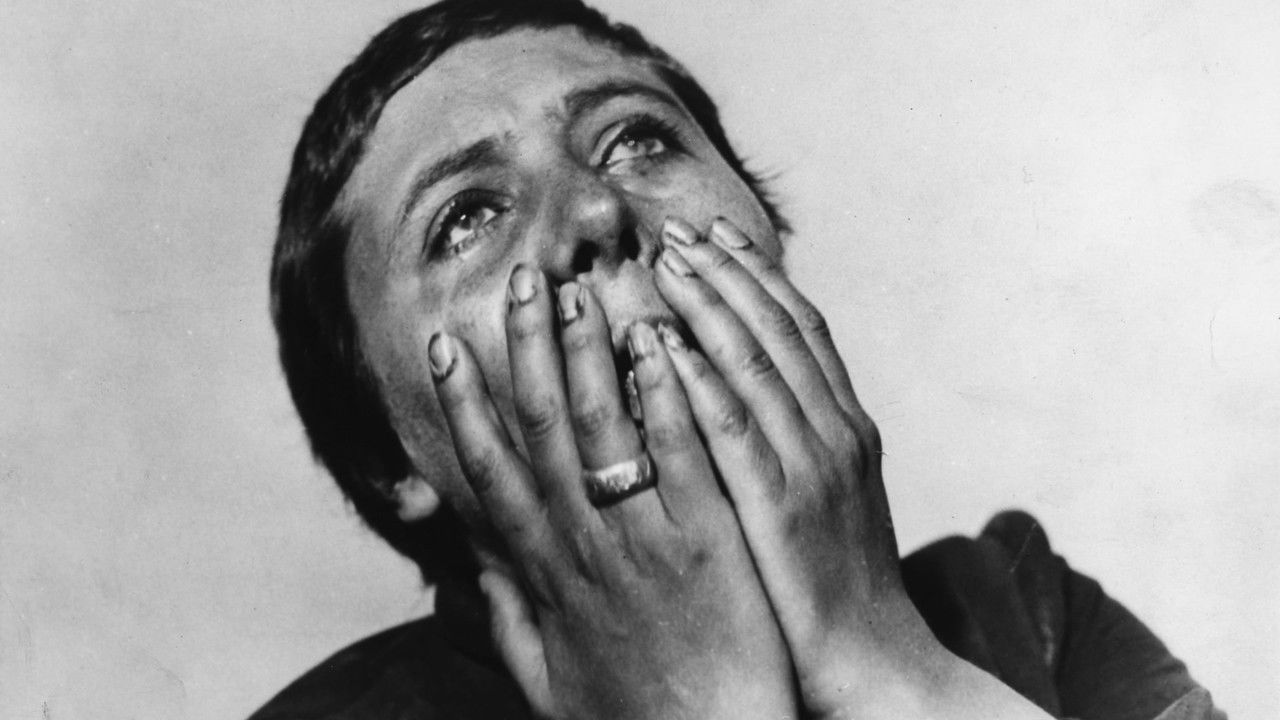
Most silent films rely on wide shots and grand, pantomimed gestures to tell a story. Carl Theodor Dreyer (who also gave us the eerie Vampyr) did the opposite. He shoved the camera so close to his actors that you can see the individual beads of sweat, the trembling of a lip, and the terrifying architecture of a frown. He used orthochromatic film stock, which was incredibly sensitive to reds and yellows, making every skin blemish and wrinkle pop with startling clarity.
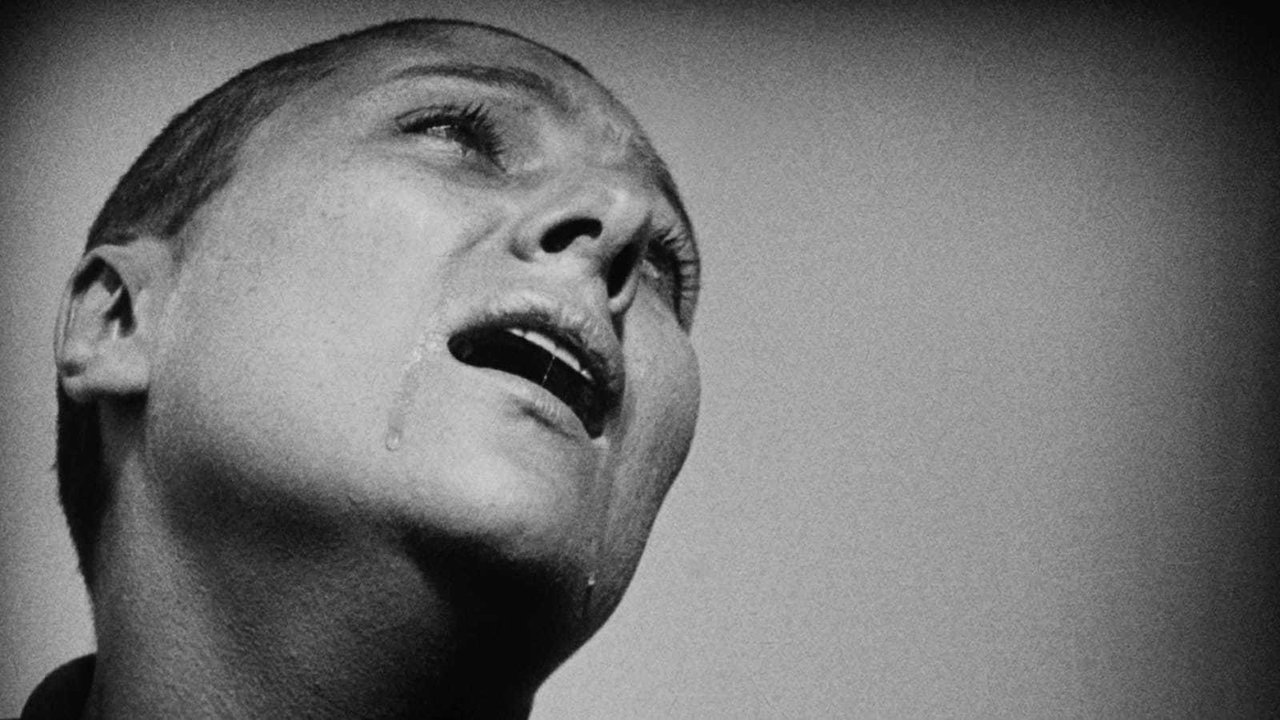
Dreyer famously forbade his actors from wearing makeup. He wanted the raw, unvarnished truth. The result is that the film doesn't feel like a "period piece" from 1928; it feels like a documentary of a soul being crushed in real-time. Maria Falconetti, in her only significant film role, delivers a performance that honestly makes most modern Oscar winners look like they’re just reading the back of a cereal box. Her eyes are enormous, shimmering pools of terror and faith. When she looks up toward a high window, you aren't just seeing an actress looking at a studio light; you’re seeing a human being looking for God in a room full of monsters.
The Theater of Cruelty
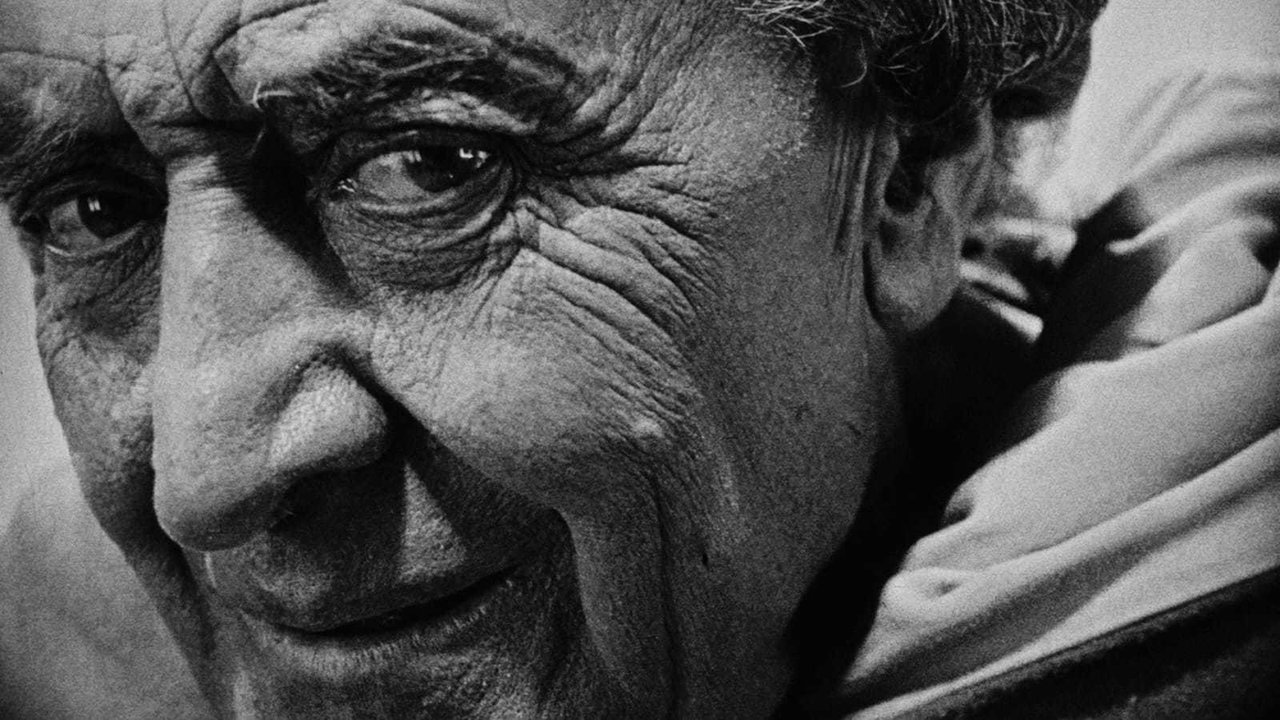
The plot is deceptively simple, focusing entirely on the final trial and execution of Joan. But the drama isn't in the "what," it's in the "how." The judges—a collection of weathered, grotesque faces led by Eugène Silvain—circle Joan like vultures. They look like a council of sentient, grumpy potatoes designed specifically to snuff out anything resembling joy or conviction.
Among the monks is Antonin Artaud, playing Jean Massieu. If that name rings a bell, it’s because he’s the guy who later came up with the "Theater of Cruelty" theory. Seeing him here, young and hauntingly intense, is a treat for any theater nerd. He provides one of the few sympathetic anchors in a sea of ecclesiastical bullying.
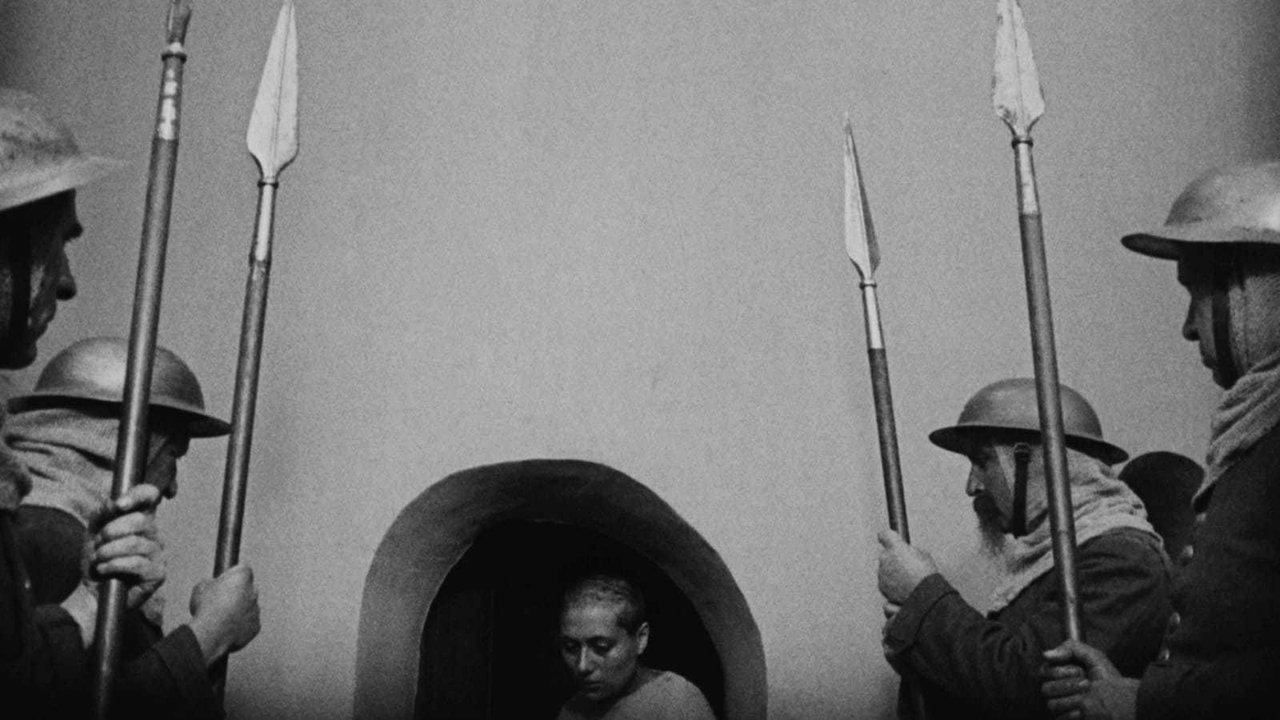
The film poses a question that feels incredibly modern: How does an individual maintain their internal truth when an entire institution is designed to make them lie? The cinematography by Rudolph Maté (who later shot Gilda) uses weird, low angles and bizarre compositions that make the courtroom feel like a fever dream. The floors seem to tilt; the walls feel like they’re leaning in. It’s a masterstroke of using physical space to represent mental anguish.
Production Pain and Lost History
The trivia behind this film is almost as harrowing as the movie itself. Dreyer was a notorious perfectionist—or a bit of a sadist, depending on who you ask. To get the performance he wanted from Falconetti, he reportedly made her kneel on hard stone floors for hours until she was genuinely exhausted and in pain. While I don't condone the "suffering for art" trope, you can’t argue with the results on screen. She looks hollowed out, vibrating with a spiritual frequency that is genuinely uncomfortable to watch.
The film was also a massive financial disaster. It cost a fortune to build those huge, interconnected sets—sets that we barely see because Dreyer was so obsessed with close-ups. It earned a measly $18,121 at the box office and was promptly banned or censored in multiple countries for its "anti-Catholic" leanings. For decades, we only had butchered versions. The Oslo discovery was the equivalent of finding the Mona Lisa under a pile of old newspapers.
I know some people hear "silent film" and think "nap time." I promise you, this is the opposite of a sedative. It’s a 81-minute anxiety attack that somehow leaves you feeling elevated by the end. It’s the ultimate proof that you don't need Dolby Atmos or CGI dragons to create something epic. You just need a face, a camera, and a story about someone who refuses to blink. If you’ve never seen a silent movie, let this be your first. It’ll ruin you for everything else, but in the best possible way.
Keep Exploring...
-
Battleship Potemkin
1925
-
Sunrise: A Song of Two Humans
1927
-

The Circus
1928
-
Hiroshima Mon Amour
1959
-
The Diving Bell and the Butterfly
2007
-
Metropolis
1927
-

City Lights
1931
-
Throne of Blood
1957
-
Harakiri
1962
-
Andrei Rublev
1966
-
Ran
1985
-
The Last Emperor
1987
-
Malcolm X
1992
-
Selena
1997
-
A Taxi Driver
2017
-
The Boy Who Harnessed the Wind
2019
-
One Life
2023
-
The Iron Claw
2023
-

I'm Still Here
2024
-
All Quiet on the Western Front
1930