Un Chien Andalou
"A razor-sharp dream you can’t wake up from."
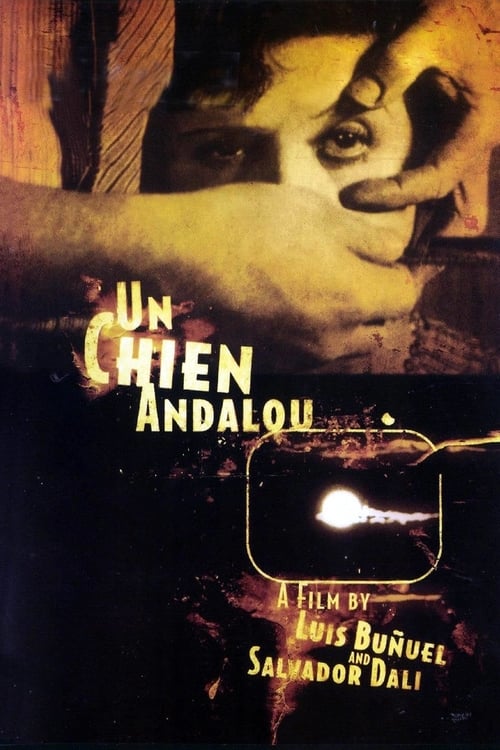
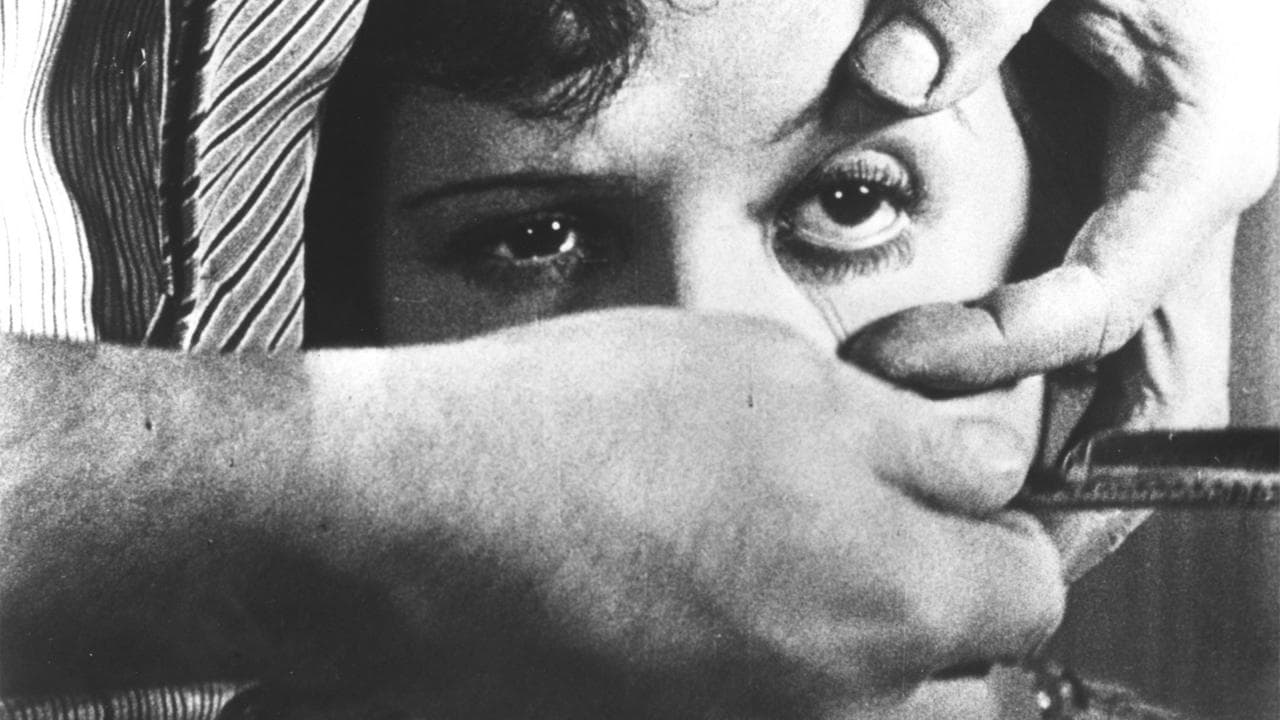
The first time I saw a razor blade glide toward a woman’s eye, I was sitting in a darkened college basement while a radiator hissed like a cornered cat. It’s an image that has been parodied, analyzed, and imitated for nearly a century, but in the silence of that room, it felt like a personal assault. Even now, knowing that Luis Buñuel used a dead calf’s eye to pull off the stunt, the sequence retains a sickening power. It’s not just the gore; it’s the cold, clinical way the film demands you watch the violation of the very organ you’re using to experience the movie.

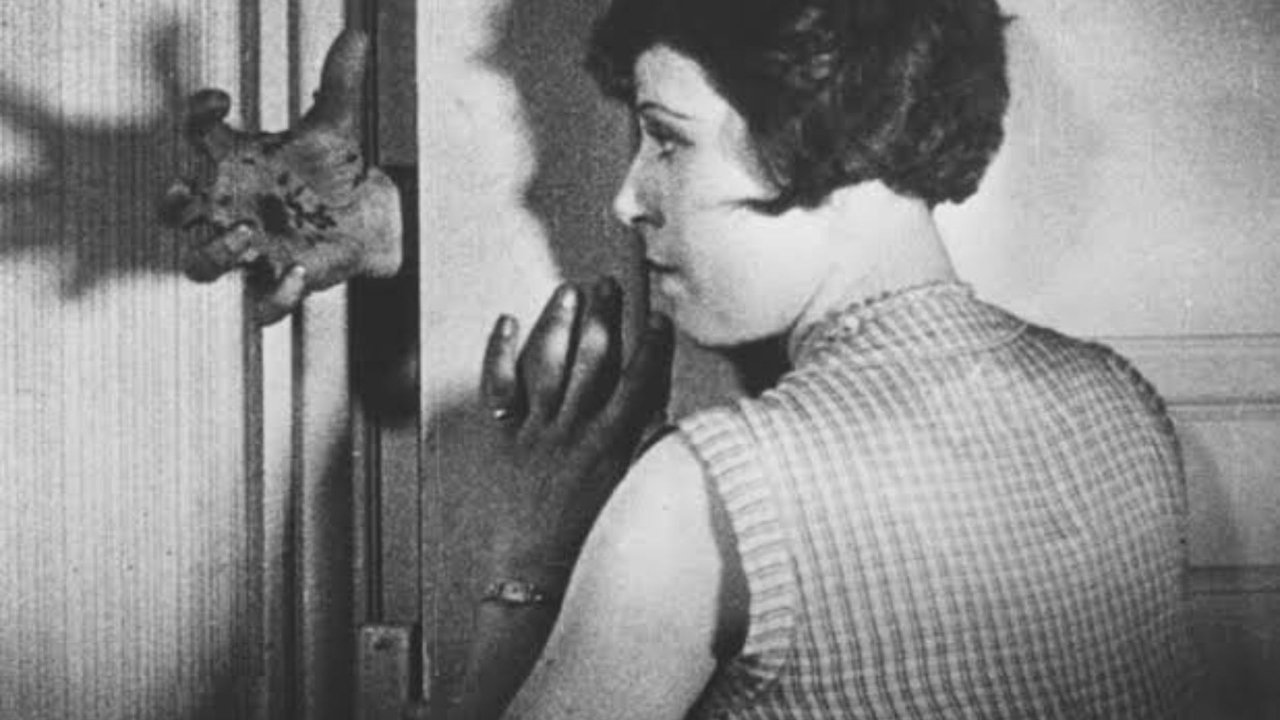
Un Chien Andalou is seventeen minutes of concentrated psychological shrapnel. Created by Luis Buñuel and the legendary surrealist Salvador Dalí, it wasn't designed to tell a story so much as it was meant to dismantle the very idea of storytelling. There is no "plot" in the traditional sense. Instead, we are given a series of linked hallucinations: a man dragging two grand pianos filled with dead donkeys and living priests; a hand crawling with ants; a woman’s clothes arranged on a bed as if she’s dissolved into the fabric.
The Geometry of a Nightmare
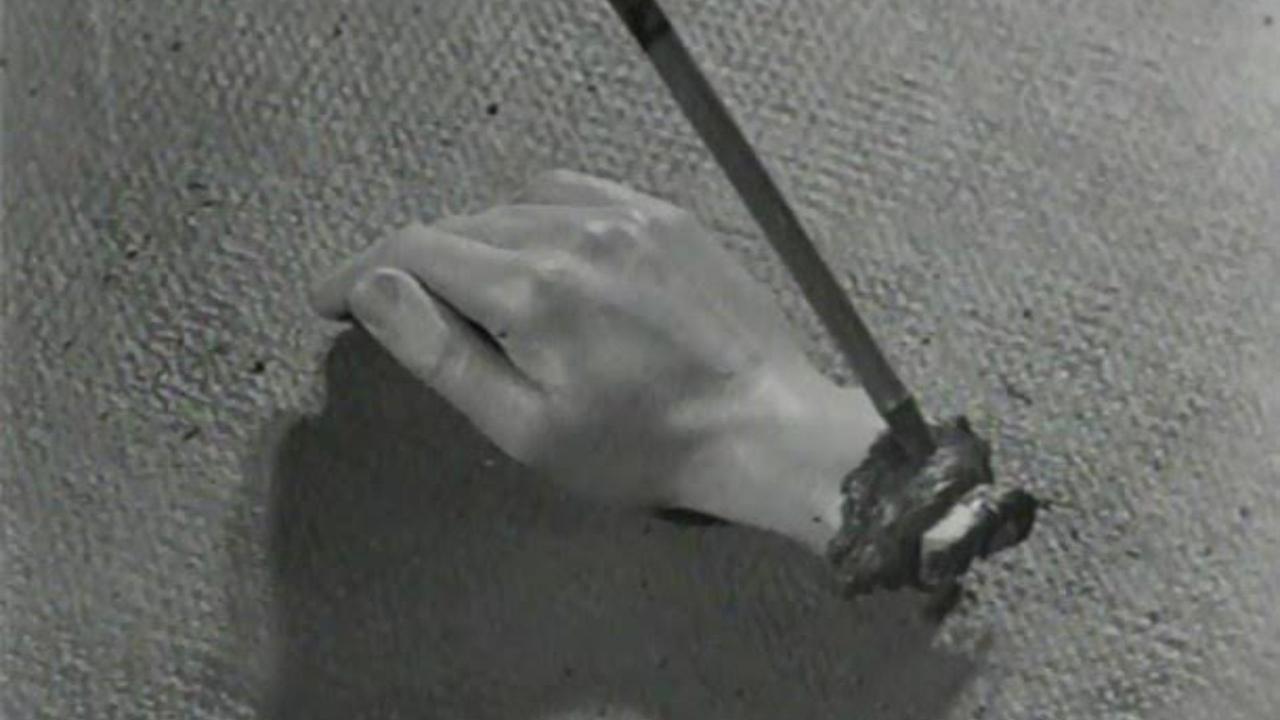
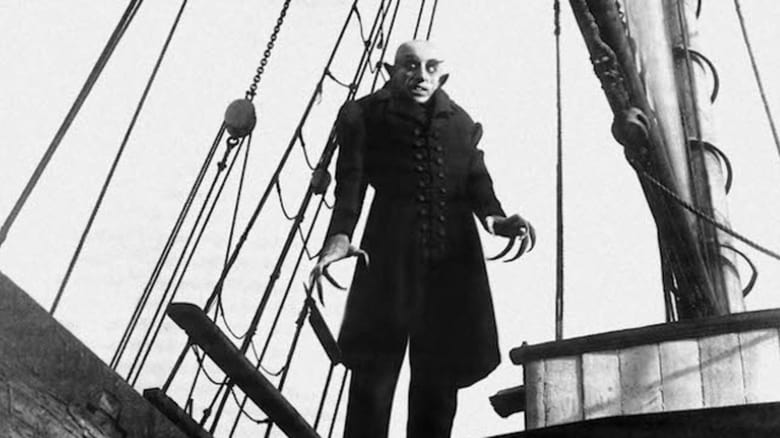
To understand why this film matters to the horror genre, you have to look at how it weaponizes the "uncanny." Most horror films of the silent era, like F.W. Murnau’s Nosferatu, relied on shadows and monsters. Buñuel and Dalí went deeper, mining the subconscious for images that shouldn't be scary but somehow are. Why is a hand with a hole in the palm leaking ants so disturbing? Because it suggests a fundamental breakdown of the human body. It’s body horror in its most embryonic, artistic form.
The film operates on "dream logic," a term that gets thrown around a lot but is rarely executed this purely. Logic is the enemy of great horror, and Un Chien Andalou understands that the things we can’t explain are the things that stay under our skin. The editing by Buñuel himself is deliberately jarring. A title card says "Eight years later," but the characters haven't aged, and the setting hasn't changed. It creates a sense of temporal vertigo that makes you feel as though the floor is constantly tilting beneath your feet. I watched this on a laptop while my cat was aggressively kneading my leg, and honestly, the rhythmic poking of her claws felt like the perfect haptic feedback for the onscreen razor.
Practical Gore and Surrealist Grit
Despite its high-art pedigree, this is a grimy, intense piece of filmmaking. The practical effects, while primitive by today's standards, have a tactile quality that CGI can't replicate. When Pierre Batcheff’s character drags those pianos across the floor, you can practically smell the dust and the rotting meat of the donkeys. Dalí and Buñuel were obsessed with "putrefaction," and that obsession manifests in every frame.
The performances by Simone Mareuil and Pierre Batcheff are fascinatingly hollow. They aren't characters; they are vessels for the directors' anxieties. There’s a tragic weight to their presence here, especially knowing that both actors eventually took their own lives in the decades following the film’s release. It adds a layer of genuine gloom to the experience, as if the film itself were a cursed object that consumed those who stepped into its frame.
The cinematography by Albert Duverger is surprisingly crisp, utilizing the orthochromatic film stock of the era to create deep, inky blacks and stark, bone-white highlights. This high-contrast look makes the surreal imagery feel more "real" than it has any right to be. It’s not a foggy, distant dream; it’s a sharp, midday hallucination.
Breaking the Narrative Spine
As an independent project, Un Chien Andalou is the ultimate "middle finger" to the studio system of the 1920s. Buñuel famously expected a riot at the premiere and supposedly filled his pockets with stones to throw at the audience if they attacked him. Instead, the Parisian elite loved it. They called it a masterpiece, which reportedly infuriated Buñuel, who wanted to provoke a more violent, visceral rejection.
This film proved that you didn't need a massive set or a linear script to capture an audience's attention—you just needed an image that they couldn't possibly forget. It was financed largely by Buñuel's mother, making it one of the most successful "parent-funded" indie projects in history. Without the constraints of a studio head or a censors' board (at least during production), the duo was free to explore sexual frustration, religious repression, and the fragility of the human body with unflinching, almost cruel curiosity.
It influenced everything from the dream sequences in Alfred Hitchcock's Spellbound to the music videos of David Bowie and the nightmare landscapes of David Lynch. If you’ve ever been creeped out by a movie that didn't make sense, you owe a debt to this seventeen-minute slab of madness. It’s not a "fun" watch, but it is an essential one for anyone who wants to see where the DNA of modern psychological horror began.
Un Chien Andalou remains a staggering achievement in pure, unadulterated vision. It’s a film that refuses to offer the comfort of a resolution, leaving you instead with a collection of images that will flicker in the back of your mind long after the screen goes black. It’s a short, sharp shock to the system that proves sometimes the most terrifying thing you can see is simply the inside of someone else’s head. If you haven't seen it, grab a copy, turn off the lights, and keep your eyes wide—if you dare.

Keep Exploring...
-
Freaks
1932
-
King Kong
1933
-
The Cabinet of Dr. Caligari
1920
-
Dracula
1931
-
Frankenstein
1931
-
The Invisible Man
1933
-
The Discreet Charm of the Bourgeoisie
1972
-
Bride of Frankenstein
1935
-
Nosferatu
1922
-
Possession
1981
-
Raw
2016
-
Climax
2018
-
All Quiet on the Western Front
1930
-
Godzilla
1954
-

Invasion of the Body Snatchers
1956
-
Peeping Tom
1960
-
What Ever Happened to Baby Jane?
1962
-
The Birds
1963
-

Repulsion
1965
-
Night of the Living Dead
1968