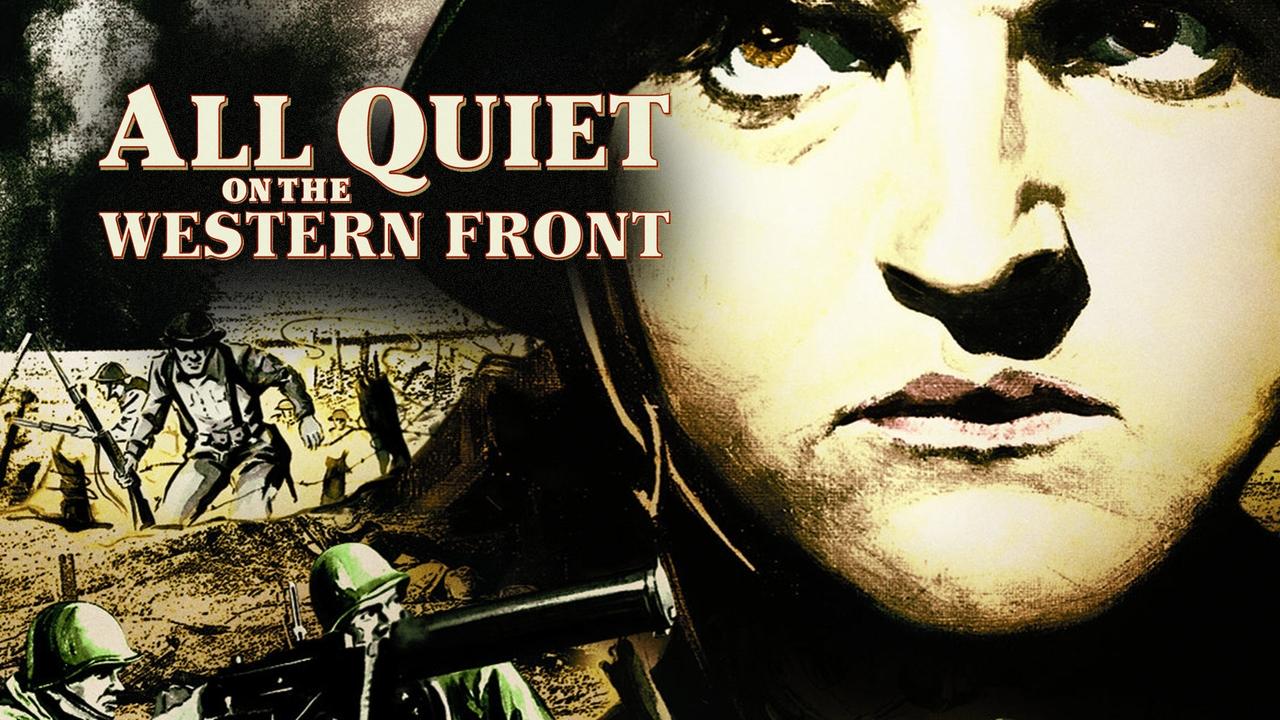
All Quiet on the Western Front
"The glory was a lie; the mud is real."
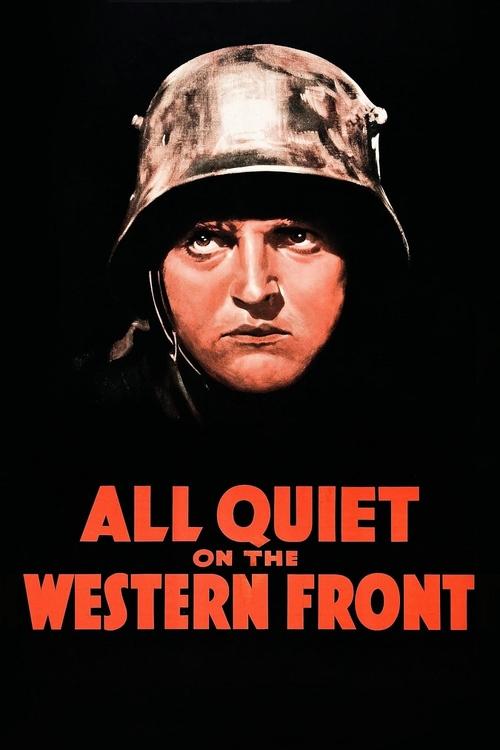
The chalkboard is filled with talk of "The Fatherland" and "Iron Youth," but all I can see is the sweat on Arnold Lucy’s brow as his character, Kantorek, screams about the holiness of war. It’s an opening that feels uncomfortably familiar even ninety years later—the sound of an old man who won’t have to fight, convincing boys who will never grow old that dying is a noble career path. When those boys eventually march past the school windows, cheering and waving their caps, the camera doesn’t just sit there like a polite observer. It moves. It prowls. It captures the terrifying momentum of a generation being shoved into a meat grinder.
I watched this latest restoration on a Tuesday evening while my neighbor’s dog barked incessantly at a squirrel outside, and honestly, that frantic, mindless yapping felt like a weirdly appropriate soundtrack to the madness on screen. It’s a film that demands your attention so fiercely that even the mundane distractions of 2024 start to feel like part of its chaotic soundscape.
The Sound of the End
We often think of 1930 as the "clunky" era of cinema—the period where microphones were hidden in flower vases and actors stood frozen like statues so the sound guy wouldn't have a heart attack. Lewis Milestone clearly didn't get the memo. He directed this thing with the frantic energy of someone who knew the world was about to change. The battle scenes in All Quiet on the Western Front don't just hold up; they make modern CGI-heavy war spectacles look like weightless video games.
There’s a specific sequence where the French army charges the German trenches. The camera pans across the line of fire, mimicking the sweep of a machine gun. You don't just see the soldiers fall; you feel the rhythm of the slaughter. Milestone used actual German and French veterans as extras, and you can see it in the way they hold their rifles and hit the dirt. There is no "Hollywood" grace here. It’s just dirt, wire, and the bone-chilling whistle of incoming shells—a sound that, in 1930, must have sent audiences diving under their seats.
Faces of the Lost Generation
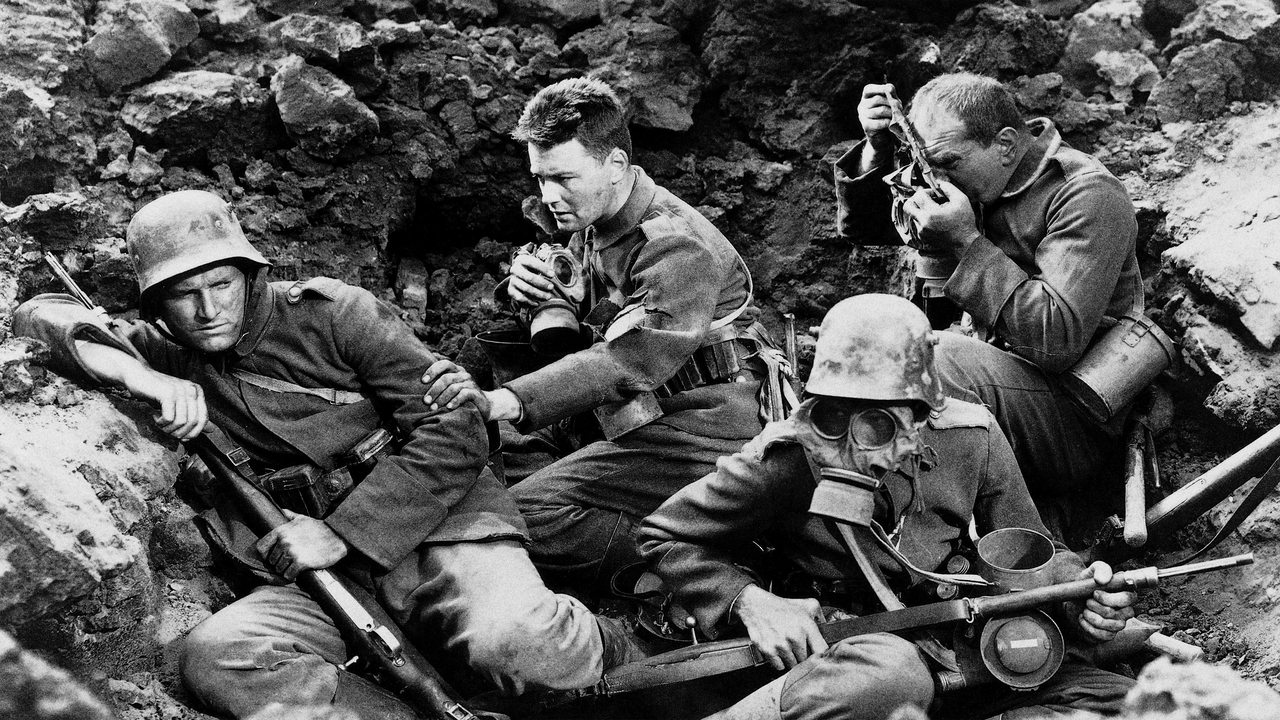
At the heart of this collapse is Lew Ayres as Paul Bäumer. It is a performance of such devastating transition that it’s hard to believe Ayres was only 21 at the time. He starts the film with eyes full of poetic wonder and ends it with a thousand-yard stare that seems to peer right through the lens and into your living room. When he returns home on leave and realizes he has more in common with the "enemy" in the trenches than his own father, the isolation is palpable.
Then there’s Louis Wolheim as Stanislas ‘Kat’ Katczinsky. Kat is the soul of the movie—the grizzled veteran who teaches the boys that finding a stray pig is more important than winning a medal. Wolheim’s face looks like it was carved out of a granite quarry, but his chemistry with Ayres provides the only warmth in a very cold world. Their bond isn't built on dialogue; it’s built on shared cigarettes and the mutual understanding that they are both probably going to die in a hole. Watching Wolheim hunt for food is the only time the movie lets you breathe, and even then, you know the air is about to get thick with mustard gas.
The Weight of Silence
What struck me most during this viewing was how Lewis Milestone used the silence of the early sound era to his advantage. There is no soaring, manipulative orchestral score telling you when to feel sad. Instead, you get the environmental horror: the buzzing of flies, the thud of boots in the mud, and the screams of horses. That scene with the horses—if you’ve seen it, you know—is still one of the most agonizing moments in film history. It forces you to confront the collateral damage of human ego in a way that feels raw and unvetted.

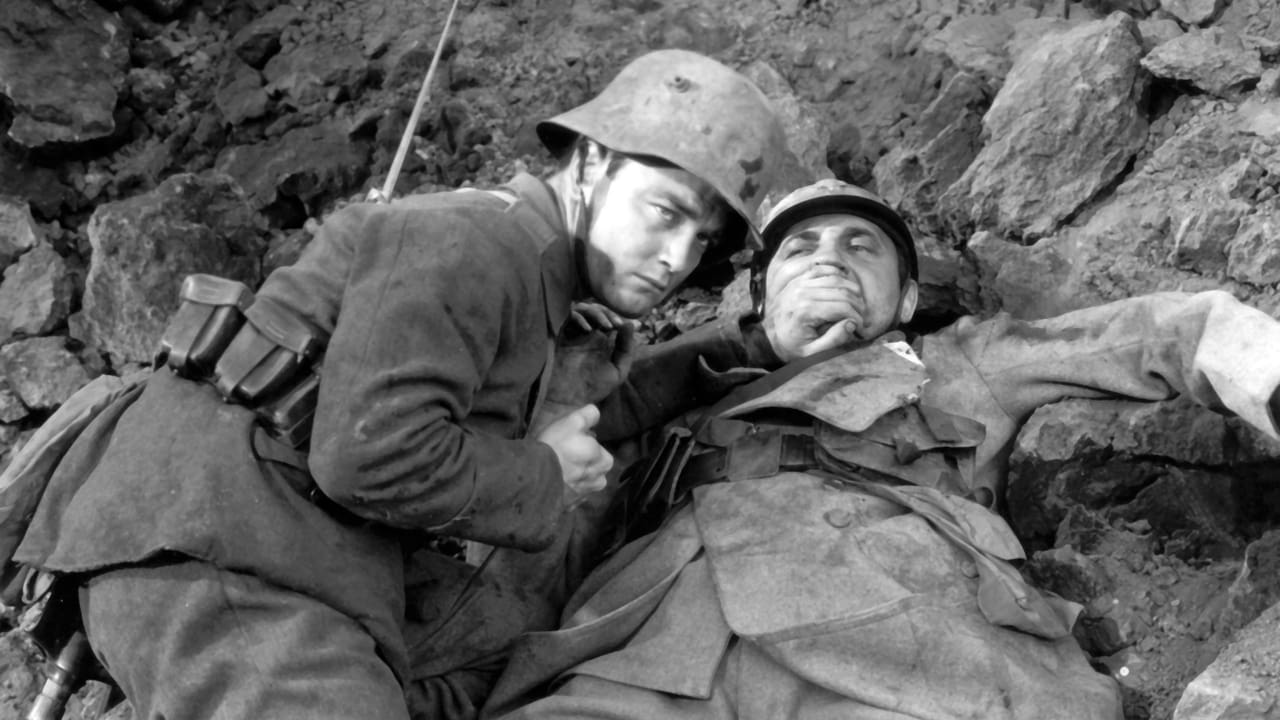
The film’s anti-war stance was so potent that it was famously banned in Germany by the rising Nazi party, who threw stink bombs into theaters to stop people from seeing it. They recognized the danger of a movie that strips away the medals and shows the "enemy" as just another terrified kid in a different colored tunic. The sequence where Paul is trapped in a shell hole with a dying French soldier is arguably the most powerful piece of drama ever put to celluloid. It’s a private, agonizing funeral for the concept of nationalism.
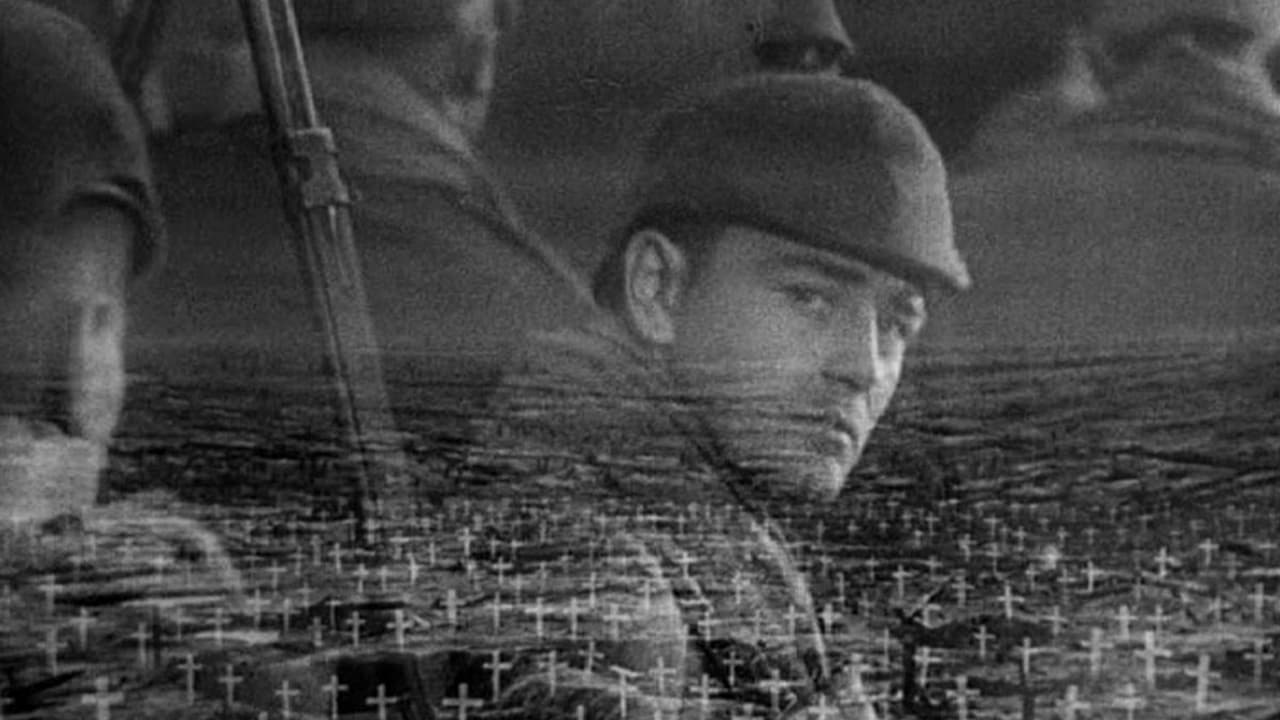
All Quiet on the Western Front isn't just a "classic" in the sense that it’s old and respected; it’s a living, breathing warning. It captures the moment cinema learned to speak, and it used its first words to scream for peace. By the time we reach that final, haunting image of the butterfly, you aren't just watching a movie—you’re mourning a world. If you think you’ve "seen" war movies because you’ve watched Saving Private Ryan, you owe it to yourself to see where the DNA of the genre truly began. It’s heavy, it’s harrowing, and it’s perfect.
Keep Exploring...
-
Battleship Potemkin
1925
-
Frankenstein
1931
-
Gone with the Wind
1939
-
Freaks
1932
-
The Longest Day
1962
-
Patton
1970
-
A Bridge Too Far
1977
-
Sophie's Choice
1982
-
Casualties of War
1989
-
Glory
1989
-
Crimson Tide
1995
-
Beasts of No Nation
2015
-
The Siege of Jadotville
2016
-
Dracula
1931
-
The Invisible Man
1933
-
Bride of Frankenstein
1935
-
Sunrise: A Song of Two Humans
1927
-

The Circus
1928
-
M
1931
-
Come and See
1985