City Lights
"He can’t speak, but he’ll break your heart."
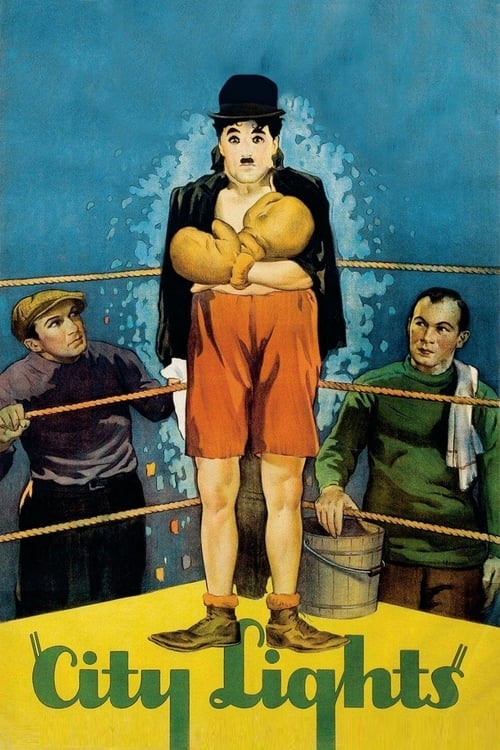
By 1931, the "talkies" hadn't just arrived; they had staged a violent coup. The jazz age was screaming through synchronized speakers, and the pantomime stars of the 1920s were scrambling to see if their voices matched their faces. Then there was Charlie Chaplin. While the rest of Hollywood was obsessing over microphones hidden in flower vases, Chaplin doubled down on silence. He spent three years and $1.5 million of his own money—a staggering sum at the peak of the Depression—to make a silent film. It was the ultimate "indie" move before the term existed, a stubborn act of artistic defiance that could have ended his career. Instead, it gave us City Lights.
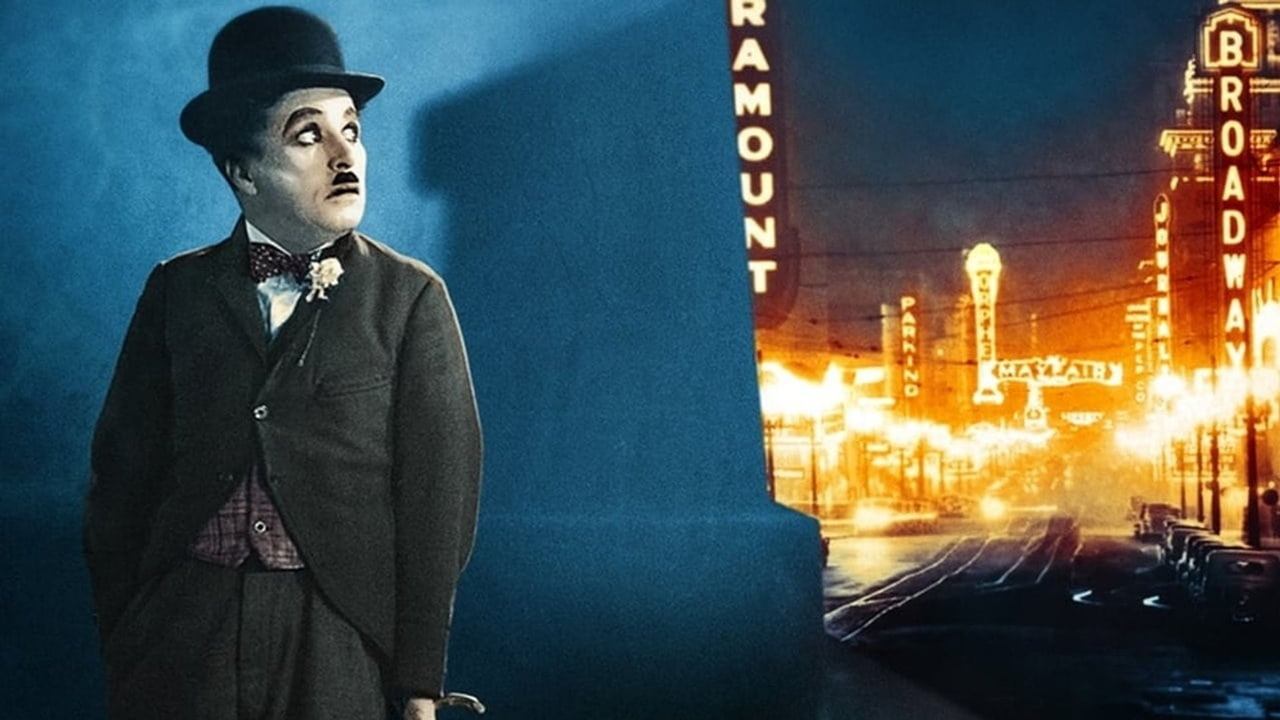
I watched this recently on a rainy Sunday while struggling to assemble a flat-pack bookshelf that eventually collapsed under its own weight, and honestly, the Tramp’s struggle to maintain dignity in a collapsing world felt a little too relatable.
The Stubborn Genius of the Silent Tramp
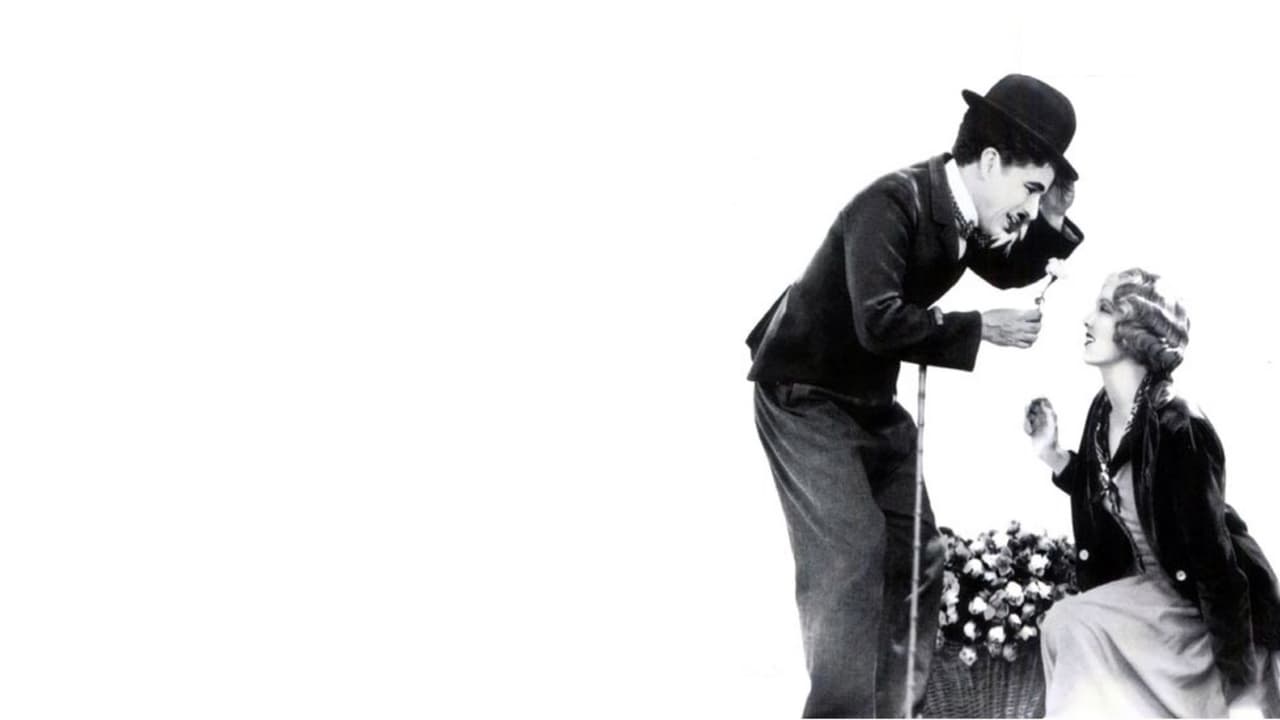
City Lights isn't just a comedy; it’s a high-wire act of emotional engineering. The premise is deceptively simple: The Tramp falls for a beautiful blind girl (Virginia Cherrill) who sells flowers on a street corner. Through a series of misunderstandings involving an eccentric, suicidal millionaire (Harry Myers), she comes to believe the Tramp is a wealthy duke.
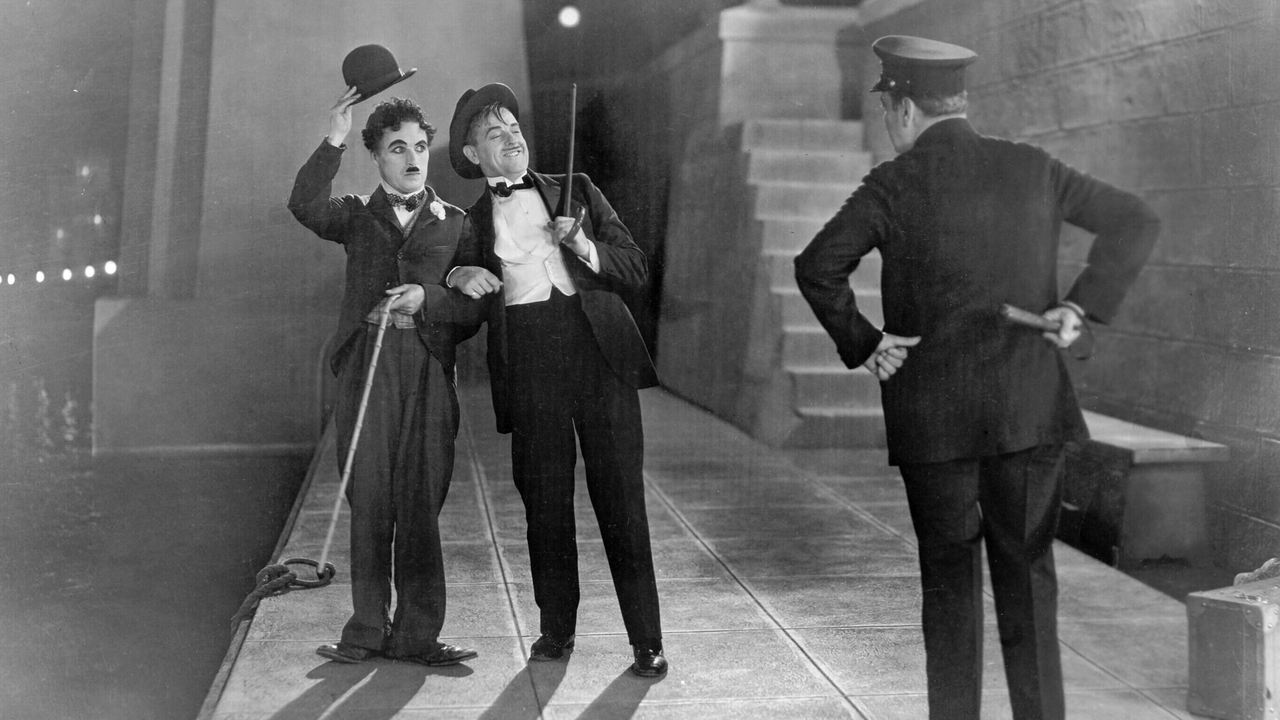
What fascinates me here is the cerebral layer beneath the slapstick. Chaplin is playing with the very concept of perception. The girl literally cannot see him; the millionaire can only "see" him (as a best friend) when he’s blackout drunk. When the millionaire sobers up, the Tramp becomes invisible or, worse, an intruder to be kicked out by the butler (Al Ernest Garcia). The millionaire’s drunken affection is the most honest, yet useless, relationship in the film. It’s a biting commentary on class—you’re only invited to the party if the host is too impaired to notice you don't belong there.
The 342-Take Flower Girl
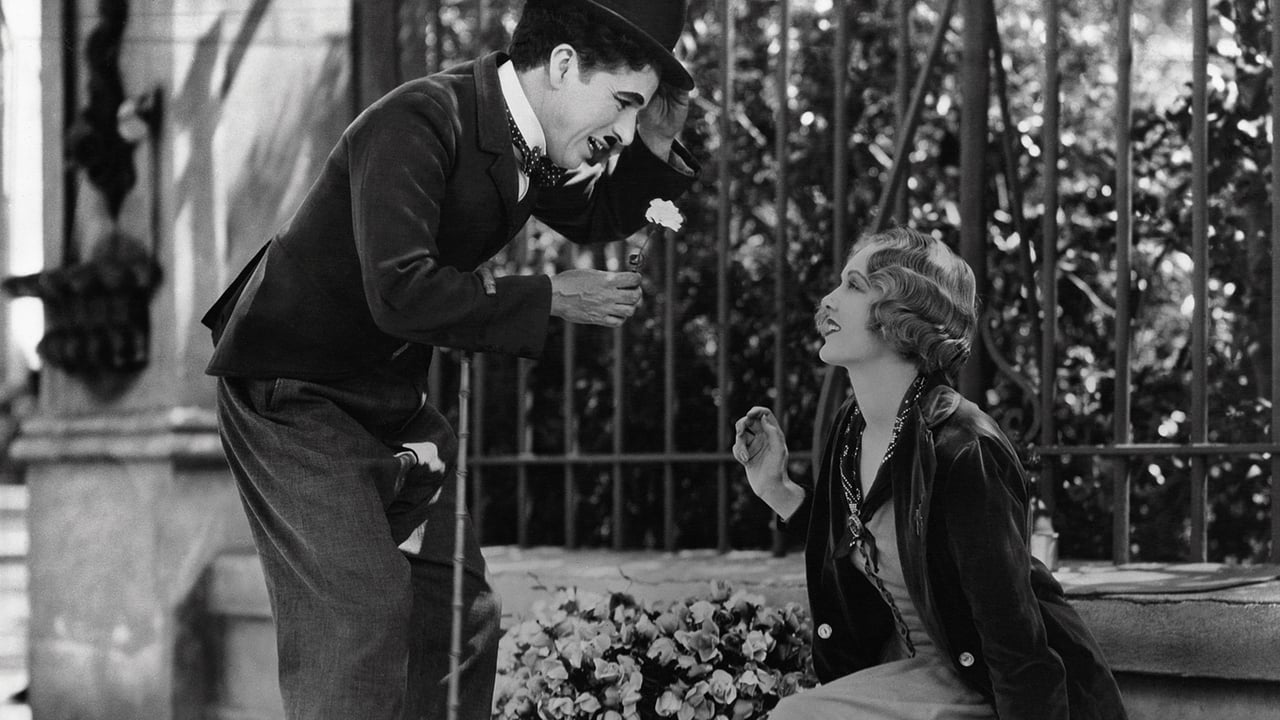
If you think modern directors are perfectionists, Chaplin would like a word. He was notorious for his obsessive control, serving as actor, director, producer, writer, and even composer. The scene where the Tramp first meets the Blind Girl—a sequence that lasts a few minutes—took 342 takes. Three hundred and forty-two. He fired Virginia Cherrill, tried to replace her, realized nobody else worked, and hired her back.
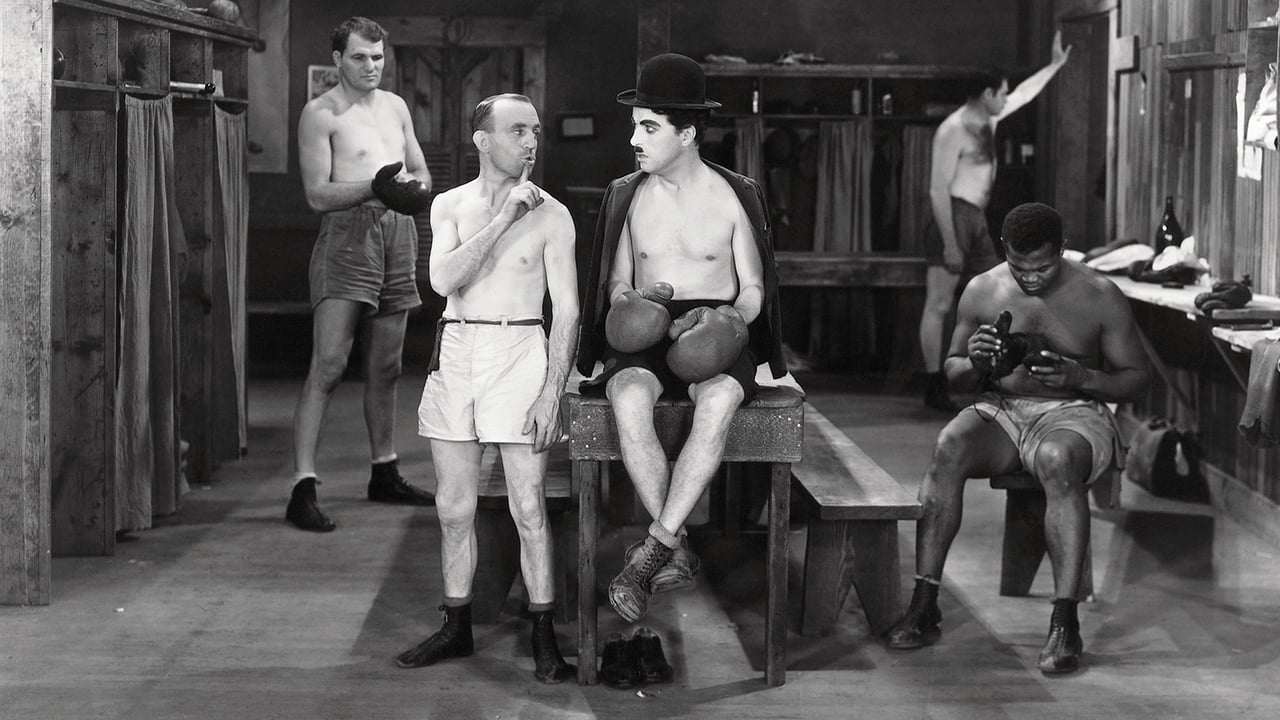
You can feel that precision in the performance. Virginia Cherrill manages a difficult feat: she acts "blind" without it feeling like a caricature. Her eyes are perpetually focused just a few inches past Chaplin’s face, creating a sense of profound isolation that makes their connection feel earned rather than scripted. And Chaplin? His athleticism is peak here. The boxing match against Hank Mann is a masterclass in choreography—it’s a dance where the stakes are the rent money for the woman he loves. The boxing sequence is arguably the greatest three-way dance between two fighters and a referee ever filmed.
The Ending That Changes You
We have to talk about that final scene. If you haven't seen it, I won't spoil the specifics, but I will say it’s the reason this film is a permanent fixture in the cinematic canon. It moves away from the "Cerebral" and straight into the "Existential."
When the veil of misunderstanding is finally lifted, Chaplin doesn't give us a grand Hollywood speech. He gives us a close-up. In 1931, the close-up was still a relatively fresh weapon in a director’s arsenal, and Chaplin uses it to strip away the "Tramp" persona. For a few seconds, we aren't looking at a funny man with a cane; we’re looking at a soul exposed. It’s a moment of radical vulnerability that asks: Are we loved for who we are, or for the version of us people imagine?
The film’s original tagline was "True Blind Love," which sounds like a Hallmark card, but the movie is much saltier than that. It’s about the crushing weight of poverty and the absurd lengths we go to for a shred of human grace. Chaplin’s score—which he wrote himself because he didn't trust anyone else to capture the "sigh" of the story—punctuates every beat with a melancholy that keeps the sweetness from becoming saccharine.
City Lights is the rare film that feels like it was whispered into existence rather than manufactured. It’s a comedy that makes you ache and a drama that keeps you laughing, proving that Chaplin was right to stay quiet while the rest of the world started talking. It’s the definitive proof that the most important things in life don't need a soundtrack—they just need to be seen.
Keep Exploring...
-
Modern Times
1936
-

The Circus
1928
-
The Kid
1921
-
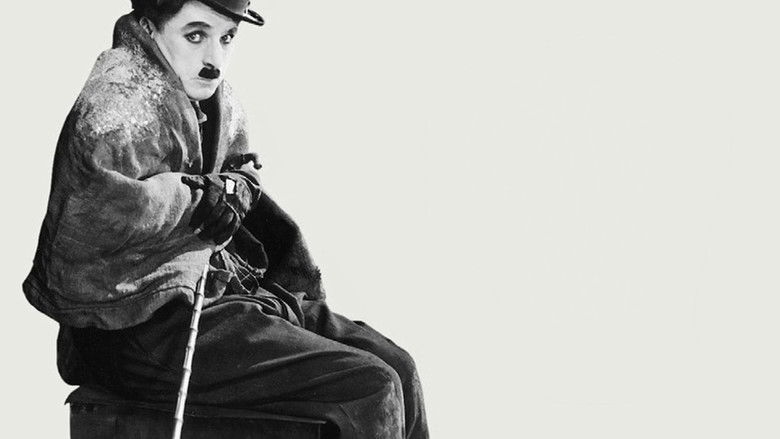
The Gold Rush
1925
-
It Happened One Night
1934
-
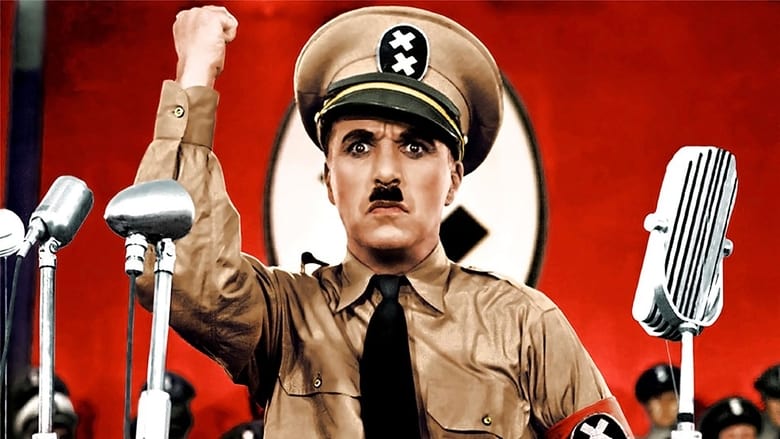
The Great Dictator
1940
-
Bringing Up Baby
1938
-
Mr. Smith Goes to Washington
1939
-
The Apartment
1960
-
Annie Hall
1977
-
The General
1926
-
Sunrise: A Song of Two Humans
1927
-
The Postman
1994
-
Sabrina
1954
-
Breakfast at Tiffany's
1961
-
Harold and Maude
1971
-
Manhattan
1979
-
10 Things I Hate About You
1999
-
Moonrise Kingdom
2012
-

Love, Simon
2018