Dracula
"The nightmare that taught the world to fear the dark."
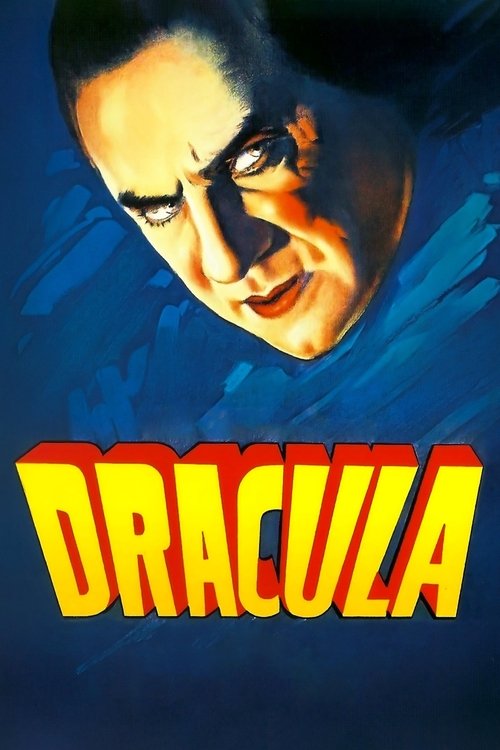
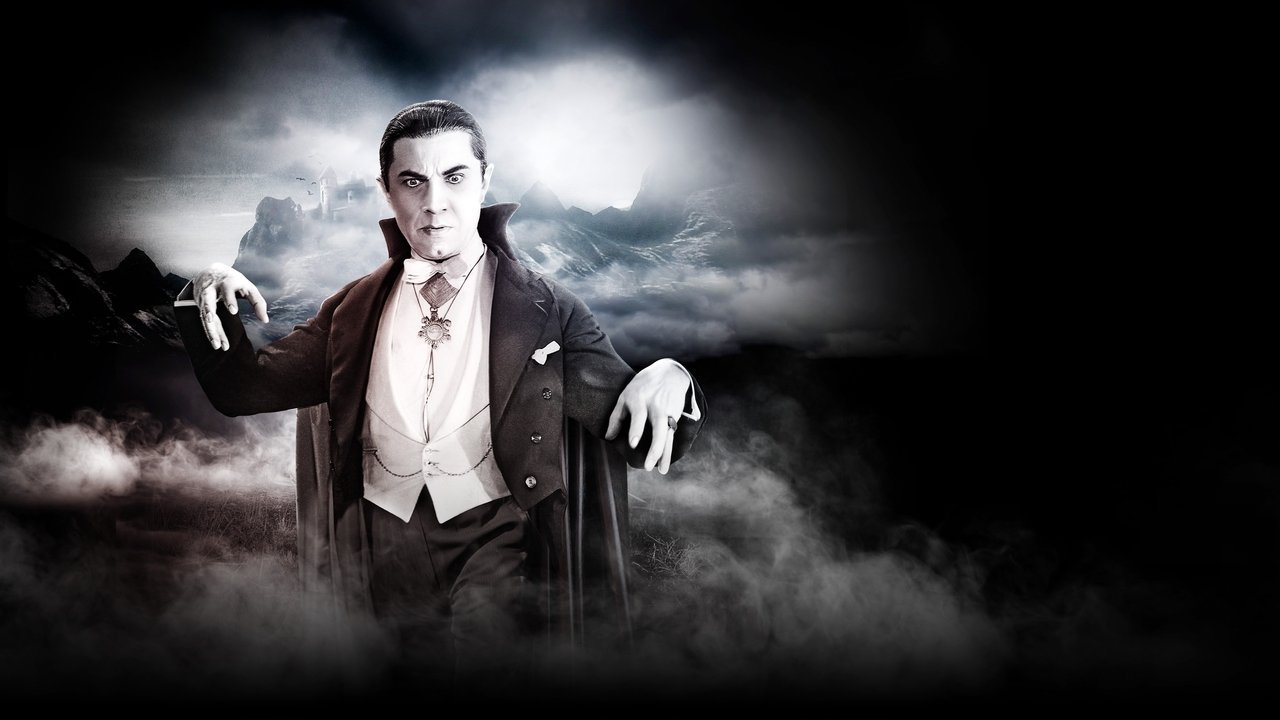
There is a particular kind of stillness in 1931’s Dracula that you just don't find in modern horror. It isn't just the lack of a musical score—a byproduct of early sound technology where composers were rarely hired to provide wall-to-wall accompaniment—but a deliberate, heavy quiet that feels like the air inside a tomb. When Bela Lugosi first appears on that massive, cobweb-choked staircase in Castle Dracula, he doesn’t jump out. He simply exists, framed by shadows so sharp they look like they could cut glass.
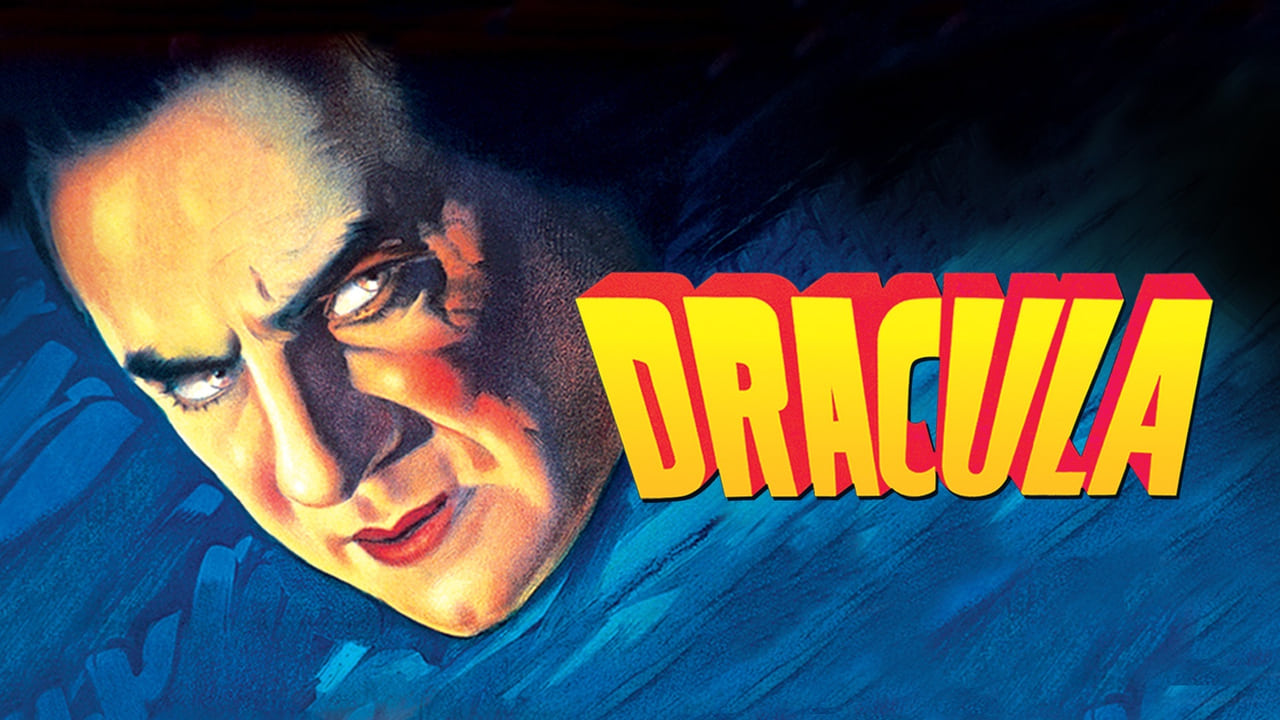
I watched this most recent viewing on a Tuesday night while my neighbor’s car alarm kept going off every twenty minutes, which ironically added a layer of modern-day anxiety to the Gothic dread. Every time the alarm cut out, the silence of the film felt twice as suffocating. It reminded me that while we think of 1931 as the "beginning" of the talkie era, this film is still deeply haunted by the ghosts of silent cinema.
The Hypnotic Power of Dead Silence
Most people forget that the first twenty minutes of Dracula are nearly perfect. The journey of Renfield (Dwight Frye) into the Carpathian Mountains remains one of the most atmospheric sequences in the history of the genre. Director Tod Browning and legendary cinematographer Karl Freund (who worked on Metropolis) created a visual language of rot. The sets are impossibly large, the mist is thick enough to drown in, and the use of "the look"—those pinpoint lights directed specifically into Bela Lugosi’s eyes—creates an intensity that transcends the limitations of 1930s film stock.
The lack of music is the film’s greatest accidental strength. In modern horror, a jump scare is usually preceded by a rising violin screech. Here, the only sound you hear when the Count approaches a victim is the faint rustle of his cape or the rhythmic clicking of the film projector (if you’re lucky enough to see it on celluloid). It forces you to lean in. You aren't being told how to feel by a symphony; you’re being trapped in a room with a predator. The middle act of this movie is basically a very posh, very slow-moving stage play where everyone talks about blood like it’s a bad stock market investment, but that early Transylvanian sequence is pure, uncut nightmare fuel.
A Performance Carved in Stone and Shadow
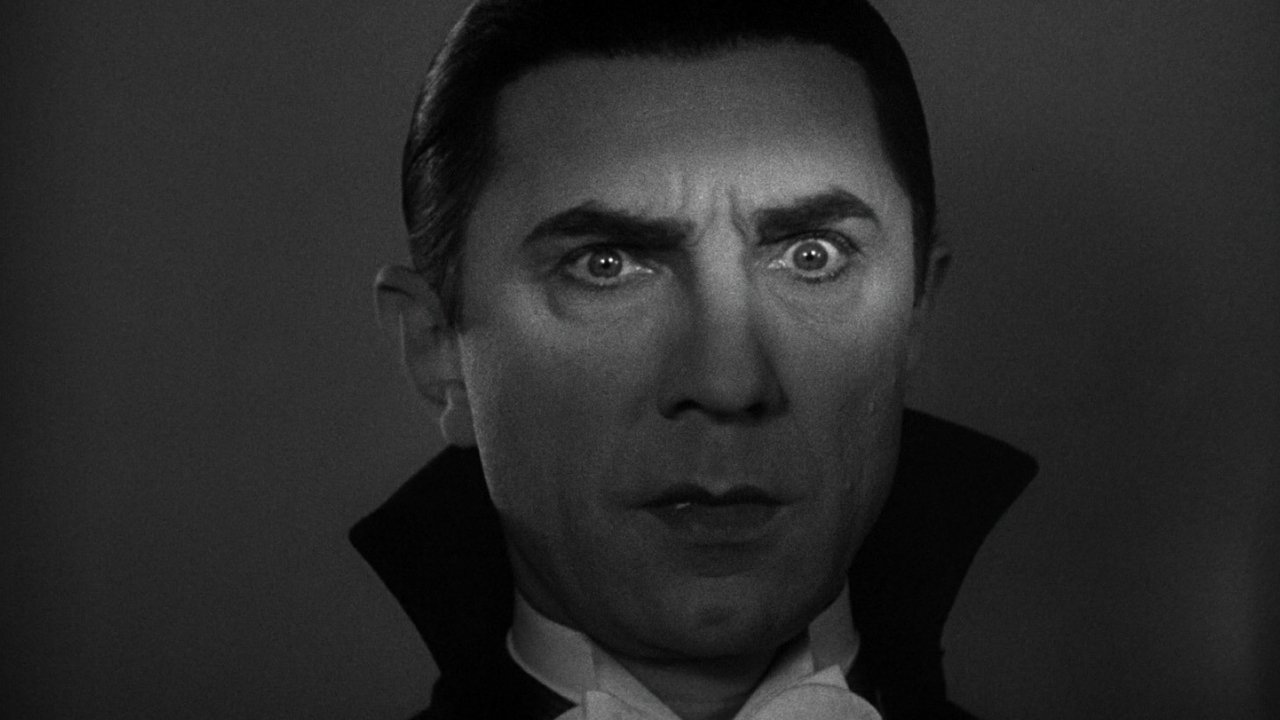
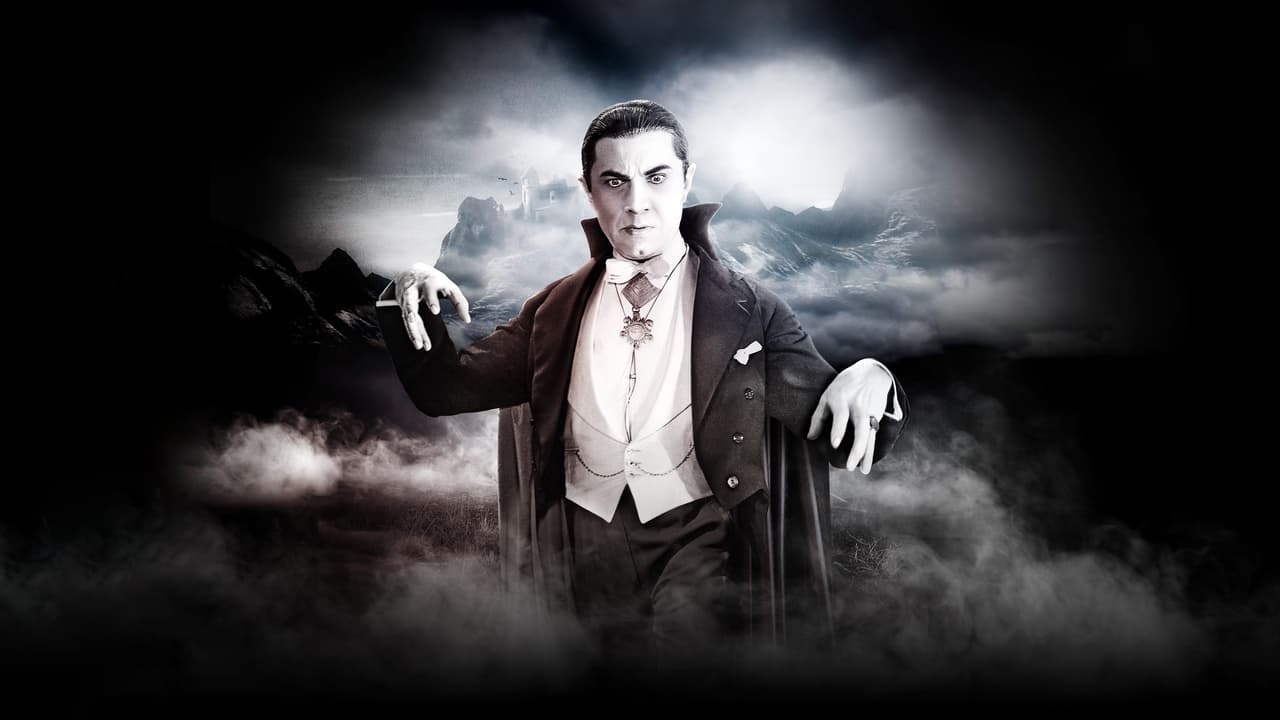
We have to talk about Bela Lugosi. It is easy to parody him now—the accent, the cape, the stiff movements—but if you strip away ninety years of "I vant to suck your blood" imitations, what remains is genuinely unsettling. Lugosi didn't just play Dracula; he occupied him with a foreign, aristocratic menace that felt entirely "other" to American audiences in 1931. He moves with a slow, reptilian grace that makes David Manners’ John Harker look like a frantic puppy.
However, the real MVP of the cast might actually be Dwight Frye. As Renfield, Frye delivers a performance that probably should have won an Oscar if the Academy took horror seriously back then. His transition from a buttoned-up businessman to a fly-eating, hysterical lunatic is harrowing. That laugh—a high-pitched, rattling sound—is the only thing in the movie that competes with the silence for the title of "most disturbing sound effect."
Then there is Edward Van Sloan as Abraham Van Helsing. He brings a gravitas to the role that set the blueprint for every "occult expert" character that followed. When he and Lugosi face off, it isn't a fistfight; it’s a battle of wills and eyelines. It’s theatrical, yes, but in the context of early talkies, it was revolutionary. They were inventing the "rules" of the monster movie in real-time.
The Shadow of the Great War and the Great Depression
To understand why this film hit so hard in 1931, you have to look at the world outside the theater. The Great Depression was in full swing, and the trauma of World War I was still a fresh wound for the older generation. Dracula is a monster, but he’s also a refined, wealthy aristocrat who feeds on the young and the innocent. There’s a subtext of parasitic class warfare that I think resonated deeply with audiences who felt drained by a system that had failed them.
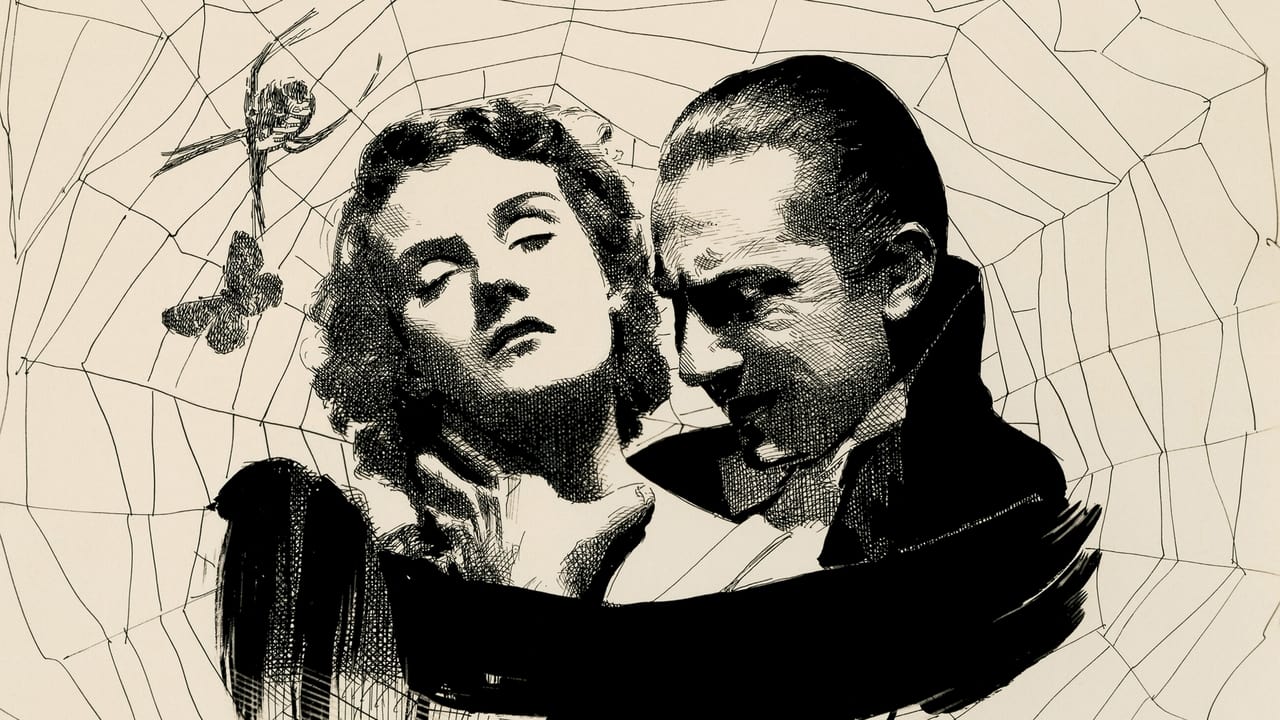
Universal Pictures was gambling everything on this. At the time, "supernatural horror" wasn't a proven commodity in the sound era. They even marketed it as a "romance" to avoid scaring off women. "The story of the strangest passion the world has ever known!" the posters screamed. But the audience knew better. They weren't there for a love story; they were there to see the veil between life and death pulled back.
Interestingly, while Tod Browning gets the director credit, many film historians point out that Karl Freund did a lot of the heavy lifting visually. Browning seemed more comfortable with the stage-like dialogue scenes, while Freund brought the expressionist shadows of German cinema to Hollywood. It’s a marriage of two styles that shouldn't work, yet somehow results in a film that feels like a dream you can't quite wake up from.
While it’s true that the pacing slows to a crawl once the action moves to London, and the ending feels strangely abrupt (where is the epic showdown?), Dracula remains the foundational text of Hollywood horror. It’s a film that demands you turn off your phone, douse the lights, and let the silence creep into your bones. It isn't just a movie; it’s the moment the lights went out in the nursery and never quite came back on. If you can appreciate the craft of a bygone era, the Count still has the power to hypnotize.
Keep Exploring...
-
Frankenstein
1931
-
Freaks
1932
-
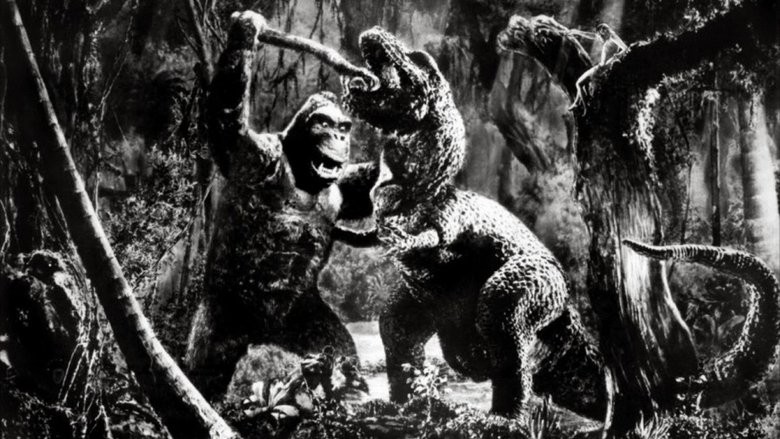
King Kong
1933
-
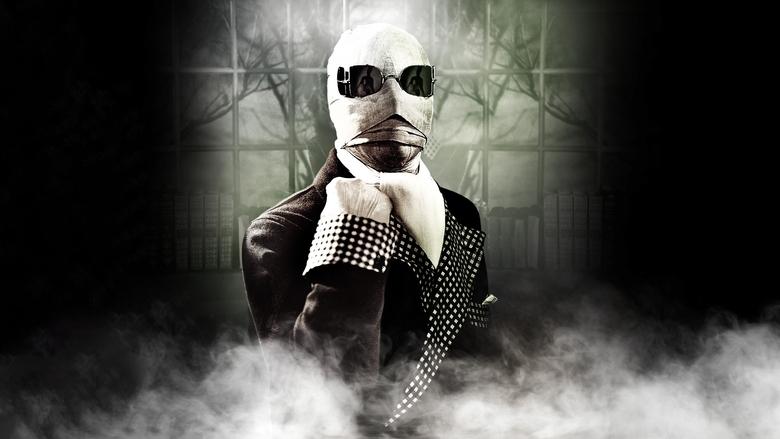
The Invisible Man
1933
-
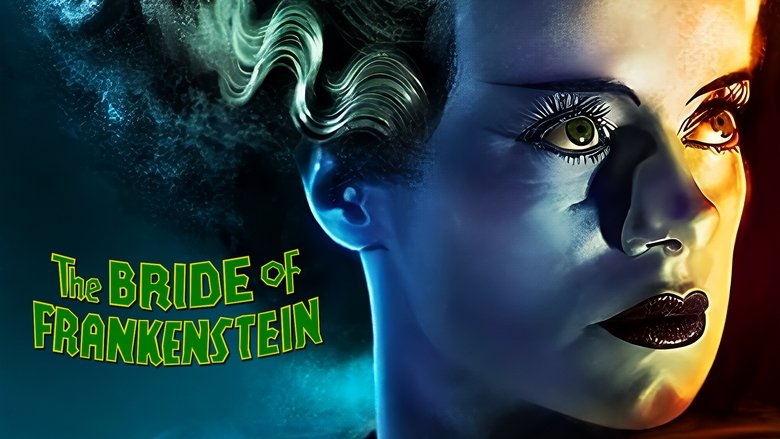
Bride of Frankenstein
1935
-
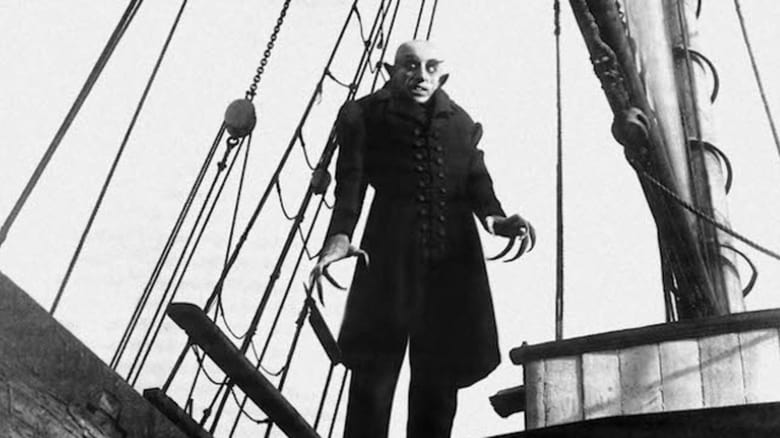
Nosferatu
1922
-

Un Chien Andalou
1929
-
Inland Empire
2006
-
Bones and All
2022
-
All Quiet on the Western Front
1930
-

Tale of Tales
2015
-
Sunrise: A Song of Two Humans
1927
-

The Circus
1928
-
Gone with the Wind
1939
-
The Cabinet of Dr. Caligari
1920
-
The Time Machine
1960
-
The Rocky Horror Picture Show
1975
-
The Exorcism of God
2022
-
The General
1926
-
It Happened One Night
1934