Frankenstein
"The lightning strikes. The dead walk. God cowers."
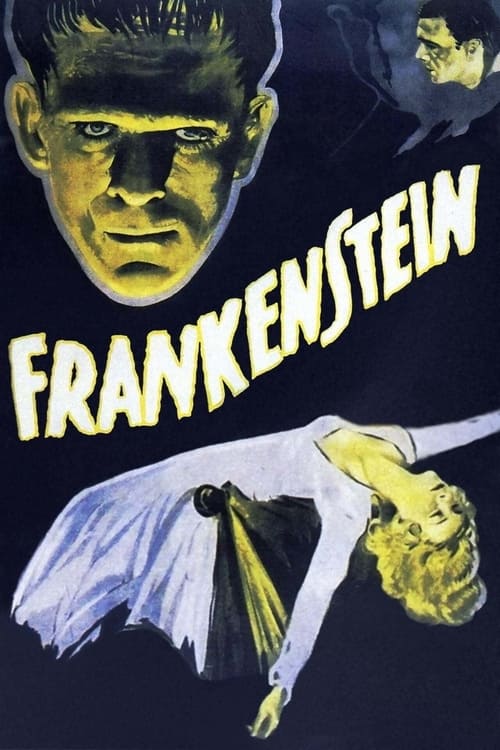
The 1930s were a strange, electric time for cinema. Transitioning out of the silent era, filmmakers were still figuring out how to let the world scream, and nowhere is that transition more hauntingly captured than in the opening graveyard sequence of Frankenstein. There is a raw, jagged edge to the 1931 production that later sequels—and certainly later parodies—would eventually smooth over. I watched this on a Tuesday while eating a slightly-too-crunchy apple, and the sound of my own chewing during the film’s long, silent sequences felt like I was desecrating a tomb. That is the power of James Whale’s direction; he uses the primitive sound recording technology of the era to weaponize silence, making every clink of a shovel and every crack of thunder feel like a direct assault on the senses.
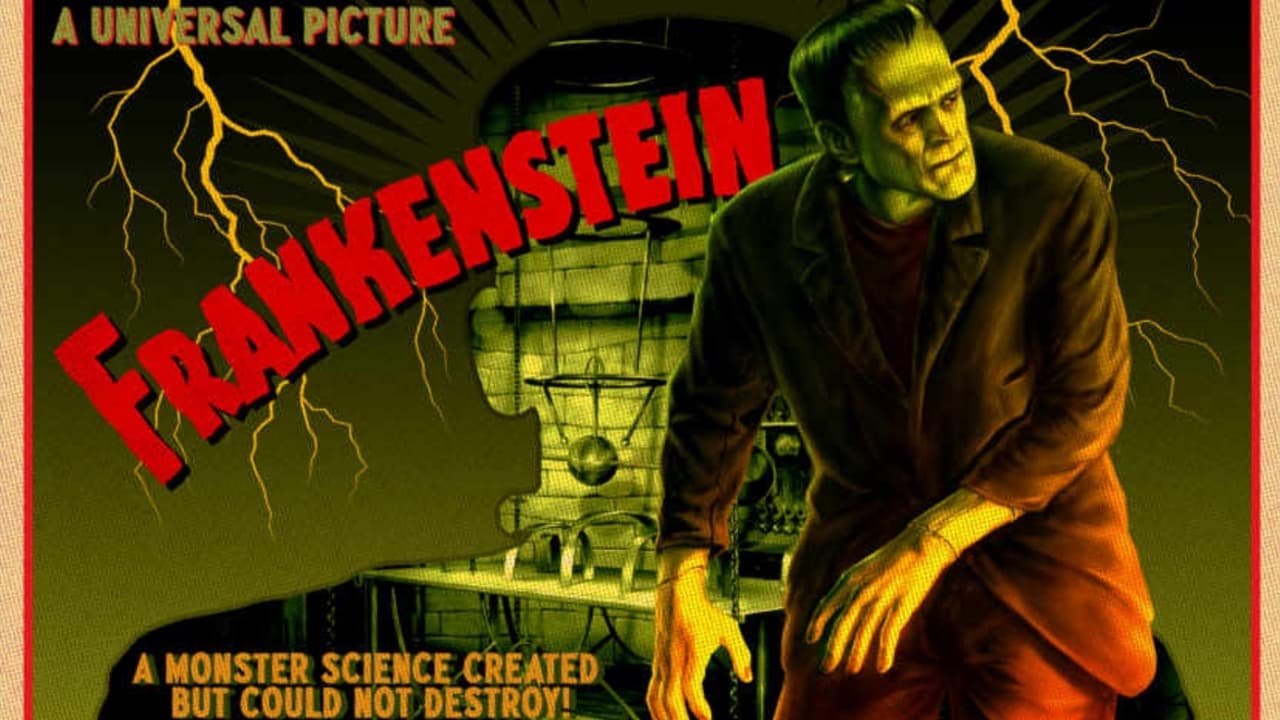
The Birth of a New Mythology
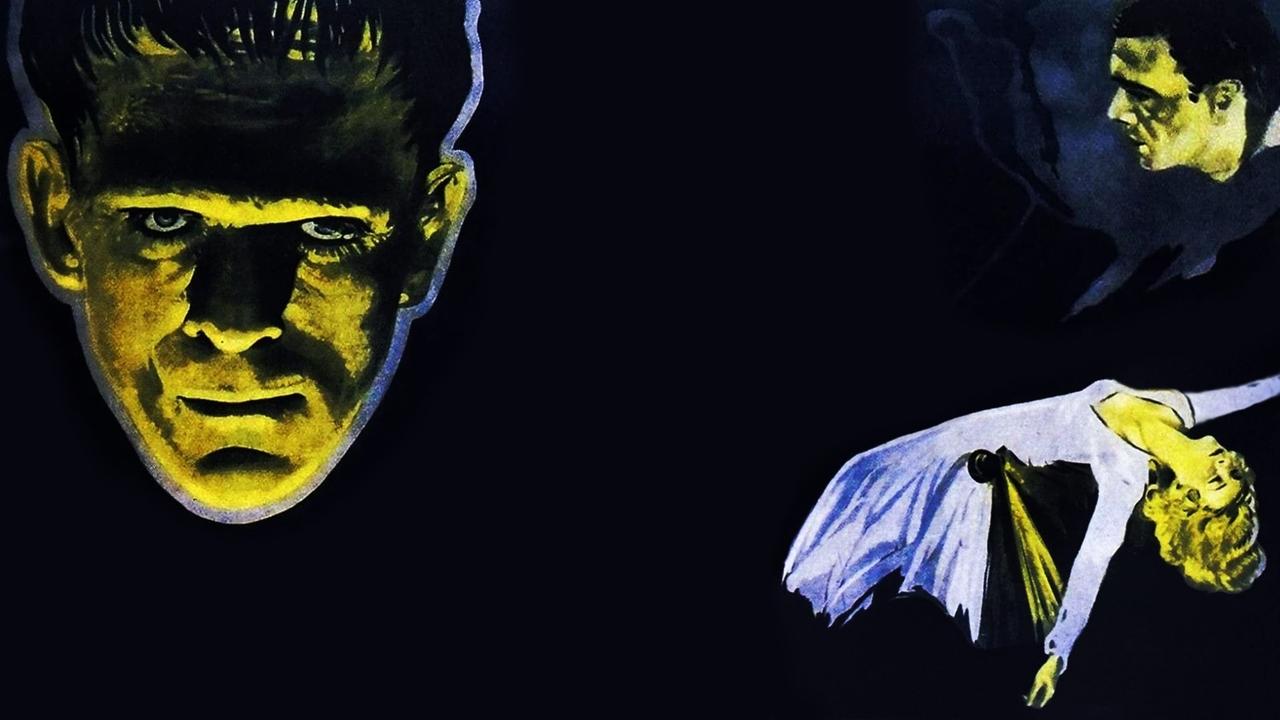
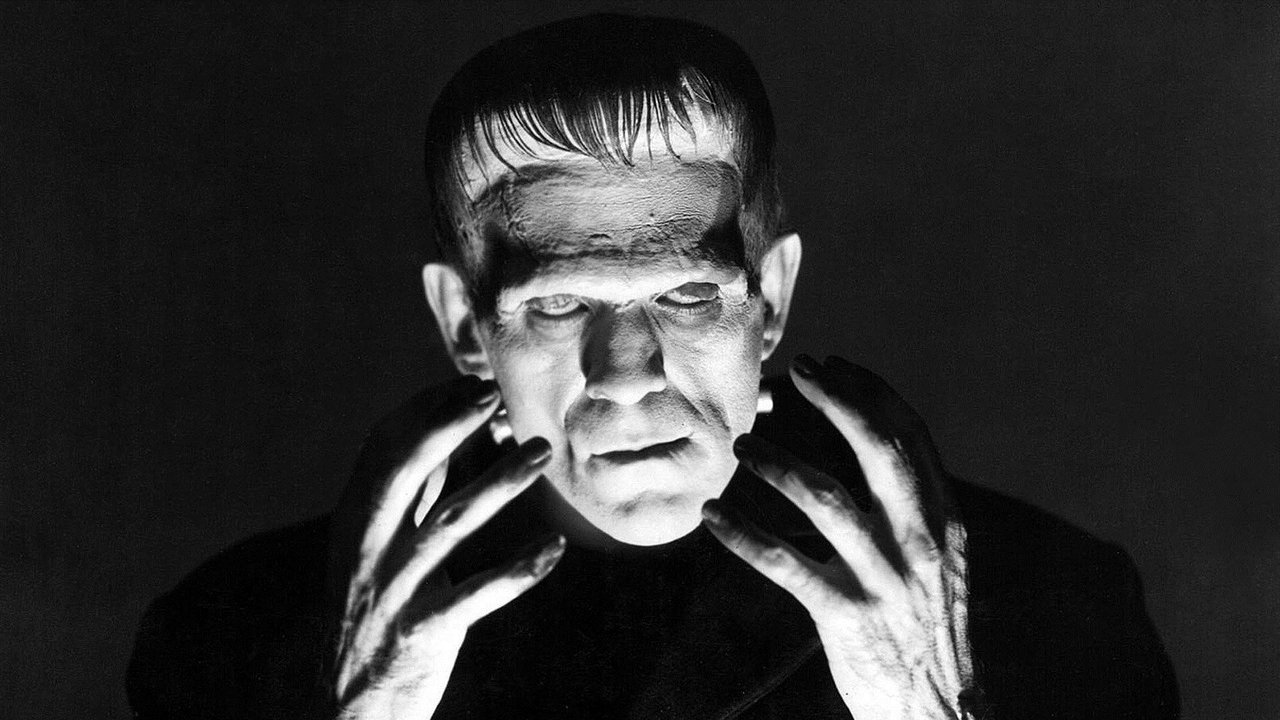
While Mary Shelley provided the soul, it was Universal Pictures that gave the Monster his face. Before the 1931 release, the "creature" was a literary concept of philosophical despair. After Jack P. Pierce spent four hours a day applying greasepaint, spirit gum, and those iconic neck bolts to Boris Karloff, the creature became a visual shorthand for horror that has survived for nearly a century.
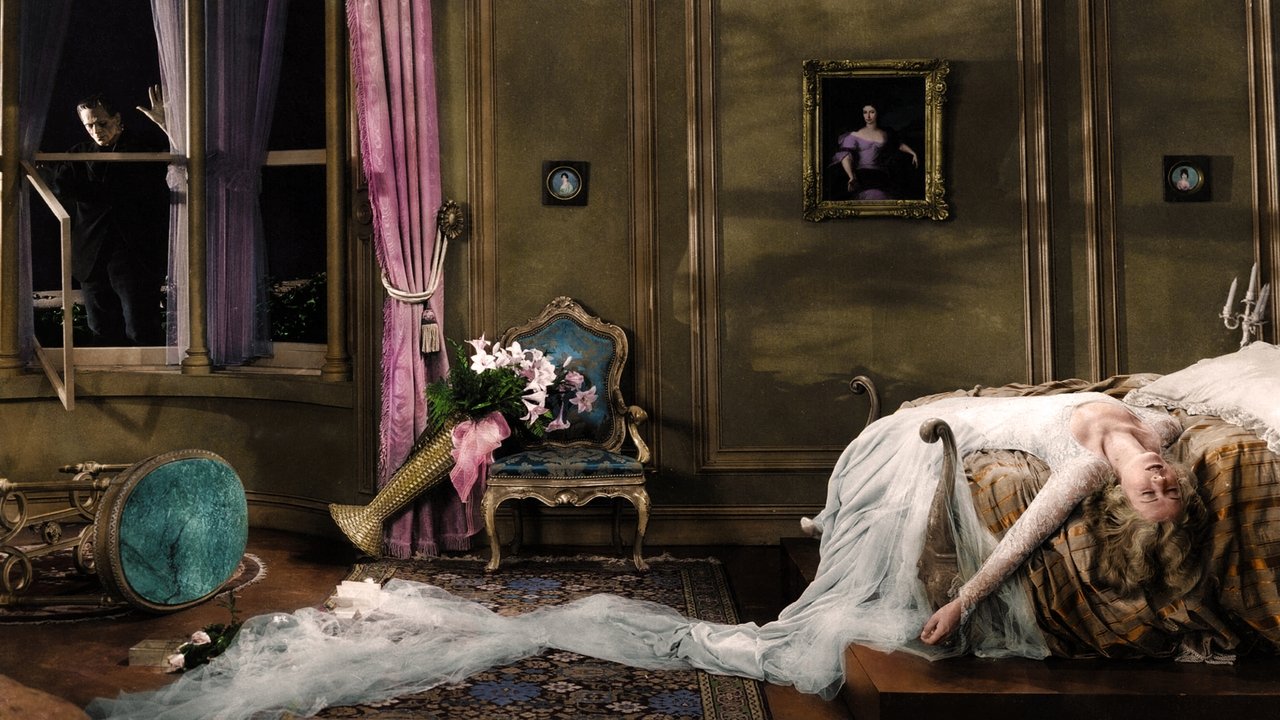
James Whale, who also directed the delightfully creepy The Old Dark House (1932), brought a distinctly European, expressionistic flair to the Hollywood backlot. You can see it in the architecture of Henry’s lab—all impossible angles, soaring stone walls, and shadows that seem to have a weight of their own. Arthur Edeson’s cinematography doesn't just record the action; it stalks the characters. When the camera pushes in on the Monster’s face for the first time, it isn't just a jump scare; it’s an invitation to look into the eyes of a being that never asked to exist.
Pathos in the Prosaic
The film belongs to two men: Colin Clive and Boris Karloff. Clive plays Henry Frankenstein with a frantic, feverish energy that borders on the erotic. When he screams, "It’s alive! In the name of God, now I know what it feels like to be God!" he isn't just a "mad scientist." He’s a man possessed by the terrifying creative impulse of the industrial age. Henry’s lab equipment looks less like cutting-edge science and more like a high-stakes garage sale at a Tesla enthusiast’s house, yet the clanking machinery and sparking Van de Graaff generators create a sense of tangible, dangerous physical reality that CGI could never replicate.
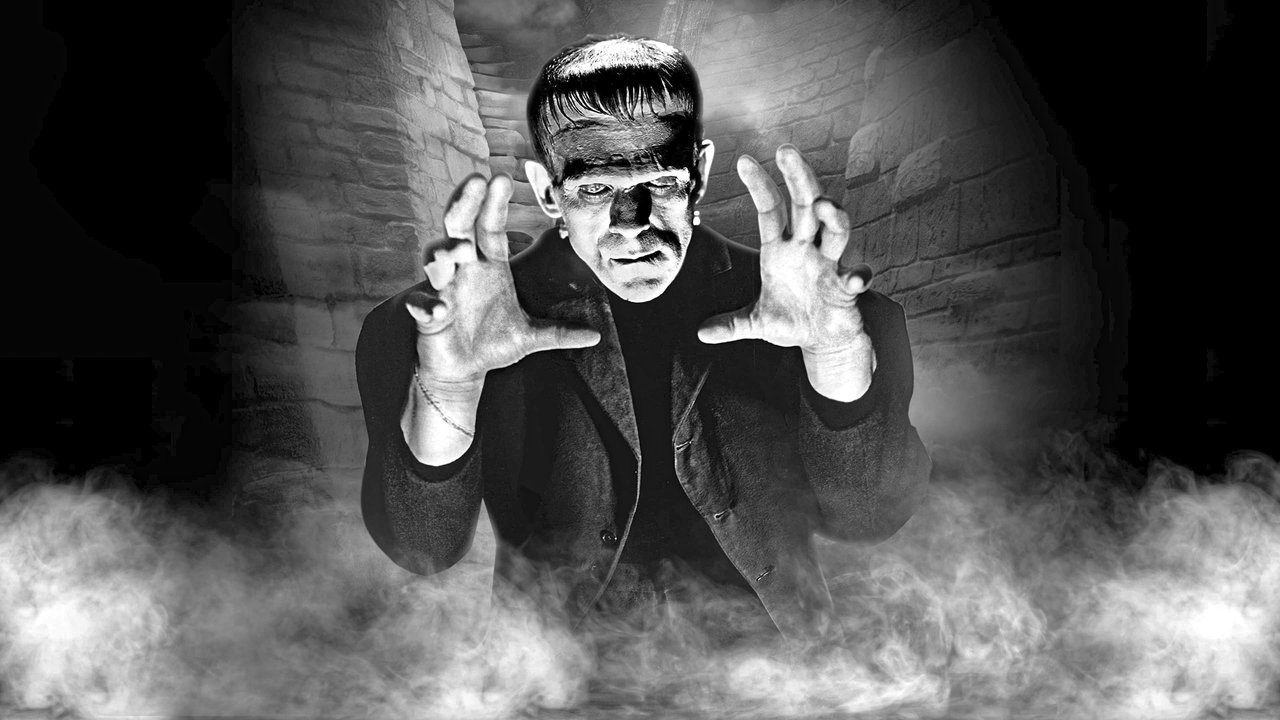
Then there is Boris Karloff. It is easy to forget, given how much the character has been caricatured as a hulking brute, just how much vulnerability Karloff brings to the role. He plays the Monster not as a villain, but as a traumatized newborn in the body of a titan. The scene by the lake with the little girl, Maria, remains one of the most unsettling sequences in cinema history—not because of the violence, but because of the innocence preceding it. In the restored versions, we see the full tragedy: the Monster thinks he has found a game, a friend, and a way to be beautiful. The Monster is the most relatable character in the film because he just wants to play with flowers and everyone keeps screaming at him.
The Silence of the Grave
What strikes a modern viewer most is the lack of a traditional musical score. Aside from the opening and closing credits, the film is eerily quiet. In 1931, the technology for layering music over dialogue was still in its infancy, and Bernhard Kaun’s score is essentially non-existent during the meat of the story. This creates a documentary-like intensity. You hear the wind. You hear the heavy, dragging footsteps of the Monster. You hear the frantic heartbeat of a film that was being invented in real-time.
The supporting cast, including Mae Clarke as the long-suffering Elizabeth and Edward Van Sloan as the pragmatic Doctor Waldman (who also appeared in Universal's Dracula that same year), provide a necessary grounding to the Gothic melodrama. They represent the "normal" world that Henry has abandoned, a world of stiff collars and tea service that simply cannot comprehend the lightning-bolted nightmare Henry has unleashed. It is a clash of eras—the Victorian past meeting a terrifying, electrified future.
Universal took a massive gamble on this $291,000 production, and it paid off by defining a genre. While the pacing might feel deliberate compared to today’s frantic slashers, the atmospheric dread is far more "dark" than most modern jumpscare-fests. It deals with the terror of abandonment, the ethics of creation, and the realization that the real monsters often wear lab coats rather than stitches.
This isn't a quaint relic; it is a foundation stone. If you can look past the theatrical acting styles of the early talkies, you'll find a film that is surprisingly grim and visually arresting. The final sequence at the burning windmill is a masterclass in editing and set design, leaving an image in the mind that lingers long after the screen goes black. It’s a tragedy wrapped in a ghost story, stitched together with the genius of a director who knew that the things we make often reflect the worst parts of ourselves. It’s essential viewing for anyone who has ever felt like an outsider looking in through a window.
Keep Exploring...
-
Bride of Frankenstein
1935
-
The Invisible Man
1933
-
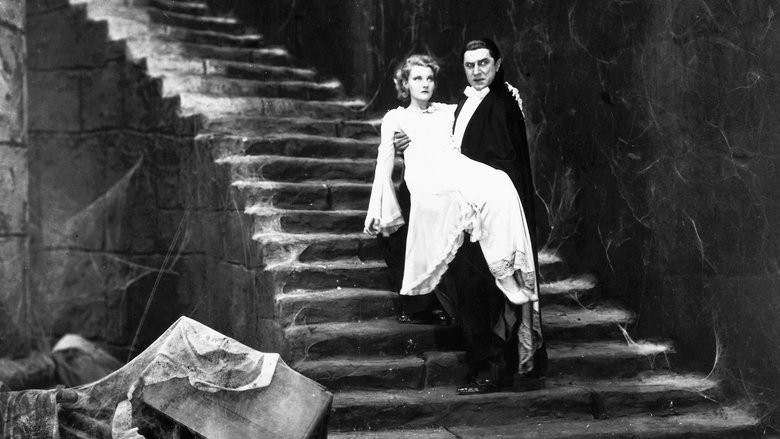
Dracula
1931
-
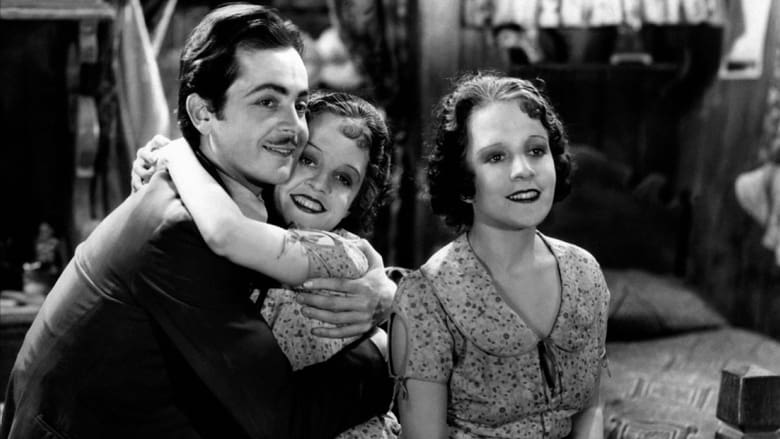
Freaks
1932
-
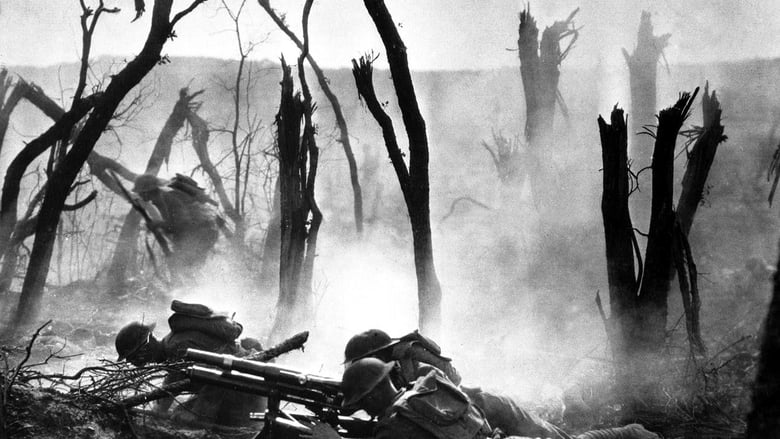
All Quiet on the Western Front
1930
-
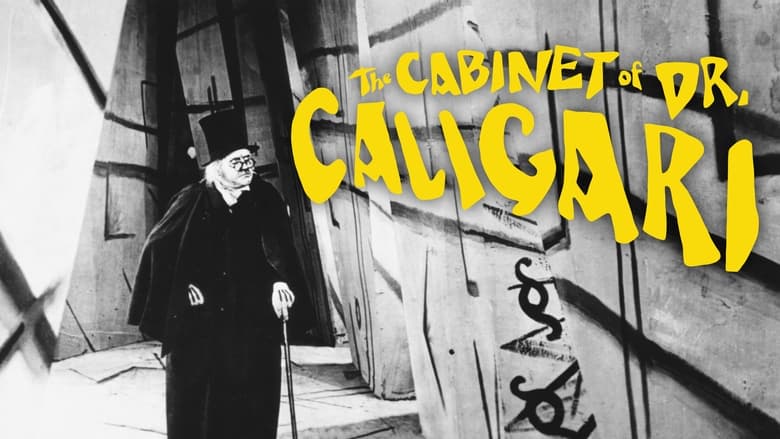
The Cabinet of Dr. Caligari
1920
-
A Quiet Place
2018
-
King Kong
1933
-
The Day the Earth Stood Still
1951
-
Batman: The Dark Knight Returns, Part 1
2012
-

Batman: The Dark Knight Returns, Part 2
2013
-
Flatliners
1990
-
Battleship Potemkin
1925
-

Un Chien Andalou
1929
-
The Dead Zone
1983
-

Jacob's Ladder
1990
-
Strange Days
1995
-
Inland Empire
2006
-
Take Shelter
2011
-
Batman vs. Robin
2015