M
"The shadow knows who’s been very, very bad."
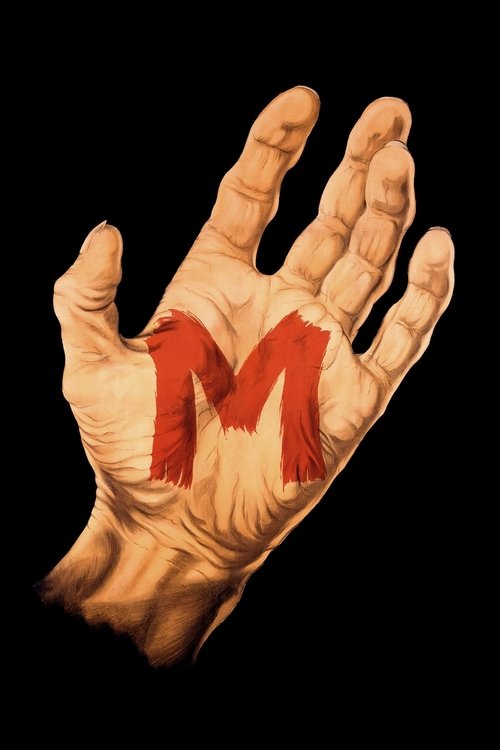
The air in 1931 Berlin wasn't just heavy with the impending doom of the Weimar Republic; it was thick with a very specific, local kind of dread. Imagine walking down a cobblestone street, the gaslight flickering, and hearing a frantic, off-key whistle—specifically Grieg’s "In the Hall of the Mountain King." It’s a catchy tune, usually, but in Fritz Lang’s M, it is the sound of a death sentence. It’s the first time in cinema history that a sound became a character’s calling card, and ninety-plus years later, it still makes the hair on my arms stand up. I watched this most recent screening while drinking a cup of coffee that had gone completely cold, and the bitter, room-temperature dregs actually paired perfectly with the bleakness on screen.
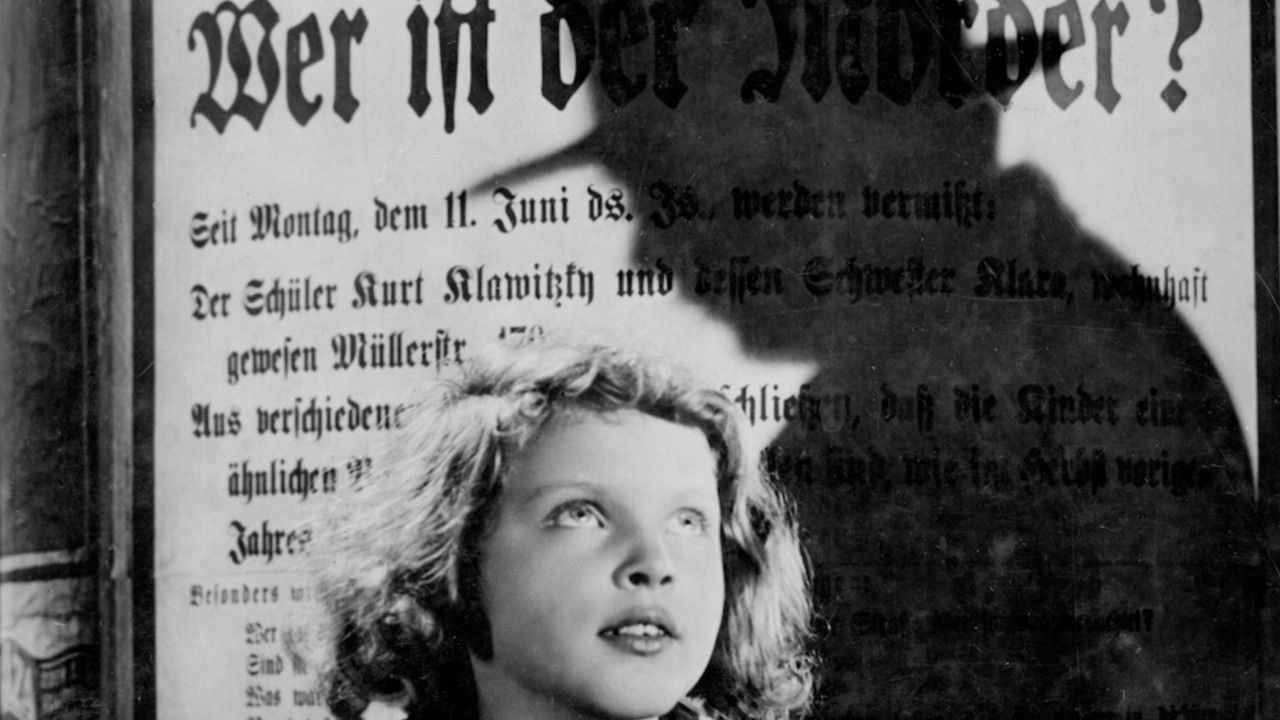
The Birth of the Modern Monster
Before M, "talkies" were mostly people standing around woodenly, shouting at hidden microphones. Lang, a pioneer who had already conquered the silent world with Metropolis (1927), realized that sound shouldn't just record reality—it should heightens the nightmare. He uses silence like a physical weight. When Frau Beckmann calls out for her daughter Elsie, and we see only an empty stairwell and a patch of grass where a ball has stopped rolling, the quiet is deafening. It’s a masterclass in what you don’t see being infinitely more terrifying than what you do.
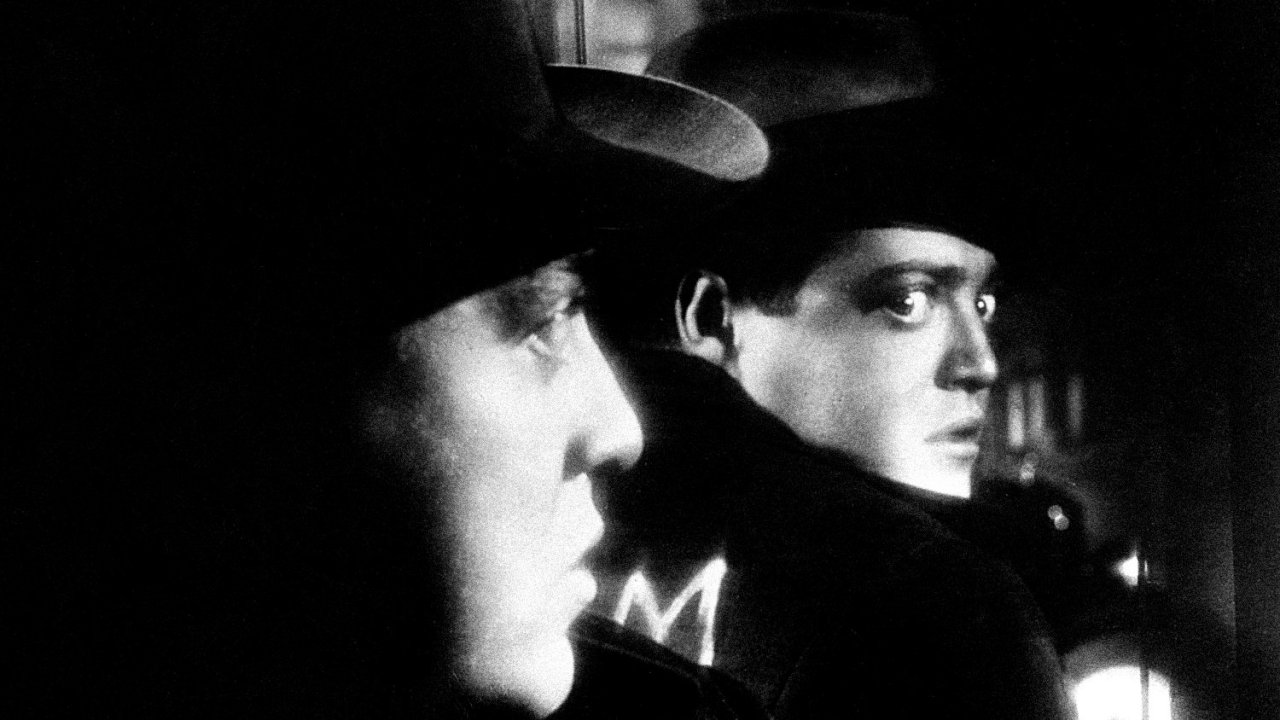
At the center of this vacuum is Peter Lorre in his debut role as Hans Beckert. Lorre is a revelation here. He doesn't play Beckert as a cackling villain; he plays him as a man literally drowning in his own skin. With those bulging, saucer-like eyes and a face that looks like it’s made of unbaked dough, he manages to be both repulsive and, in a strange, sickening way, pathetic. When he finally corners himself in a mirror and tries to pull his own face apart, you realize you aren't watching a slasher movie—you're watching a psychological autopsy. Lorre looks like a terrified pug caught eating the sofa, if the sofa were a human life.
A City Under the Microscope
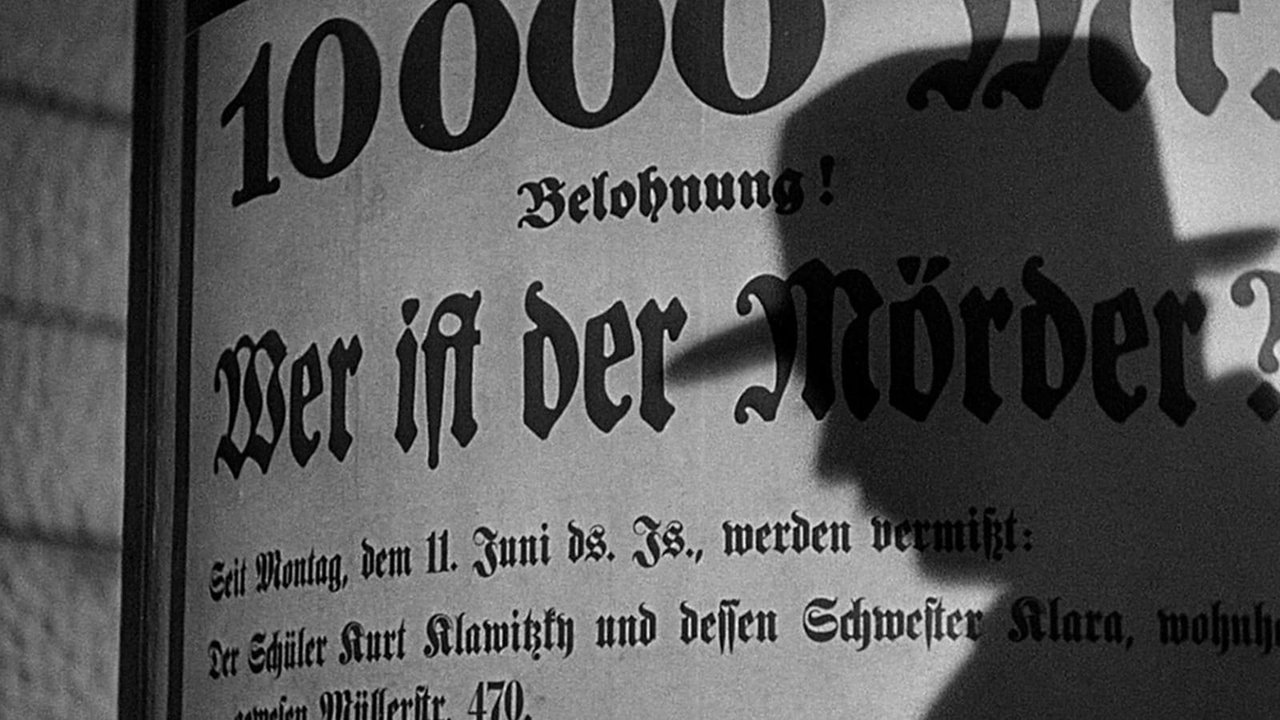
The plot isn't just about a manhunt; it’s about a city’s nervous breakdown. Lang does something brilliant by splitting the narrative between the formal police, led by the stout Otto Wernicke as Inspector Lohmann, and the criminal underworld. The "legitimate" crooks, led by the sleek, leather-clad Gustaf Gründgens as Schränker, are actually more efficient than the cops. They’re annoyed that the police raids are ruining their "business," so they organize their own network of beggars to find the killer.
Interestingly, Lang actually hired twenty-four real-life criminals to fill out the trial scene at the end of the film. Apparently, they were so professional that the police didn't have to worry about them causing trouble on set; they just wanted to get their day rate and avoid being recognized. This choice adds a layer of grit that you just can’t faked. The underworld feels lived-in, smoky, and dangerously organized. It’s a sharp contrast to the police, who spend half the movie buried in paperwork and fingerprint dust. At times, the cops are basically as incompetent as a group of toddlers trying to solve a Rubik's Cube, which only adds to the tension as the criminals close in.
The Trial of the Century
The film's climax—a kangaroo court held in a basement—is one of the most daring sequences in film history. This is where Peter Lorre delivers his "I can't help it!" monologue, a frantic, sweating confession that challenges the audience's desire for simple justice. The criminals want to kill him because he's a "freak," but his defense is that they choose to be crooks, while he is driven by a demon he can't outrun. It’s a moral gray area that most modern thrillers are too afraid to touch.
Lang’s wife and co-writer, Thea von Harbou, helped craft this screenplay into something that feels like a precursor to every police procedural and serial killer flick we have today. From Se7en to Mindhunter, the DNA of M is everywhere. Fun fact: the original title was Mörder unter uns (Murderers Among Us), but the Nazis—who were already gaining power—thought the title was a direct attack on them and tried to block the production. Lang eventually convinced them it was just about a child killer, but looking at the mob justice depicted in the final act, you can see why the brownshirts were nervous.
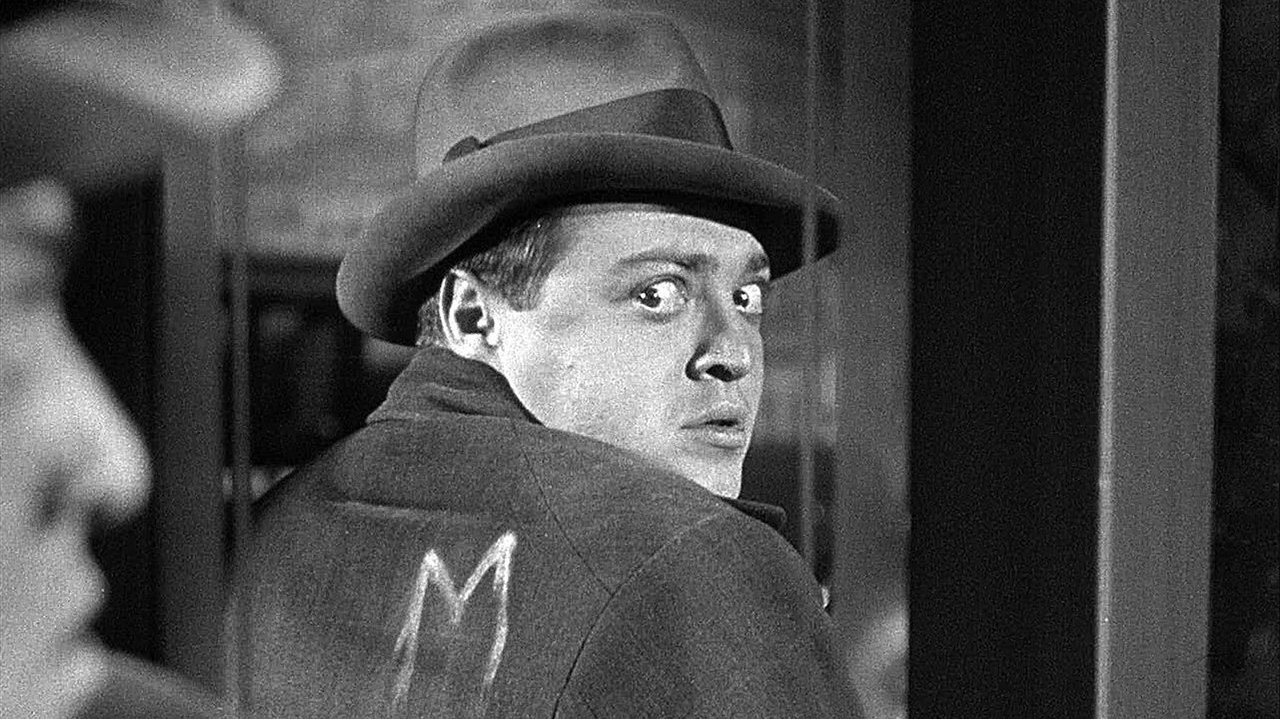
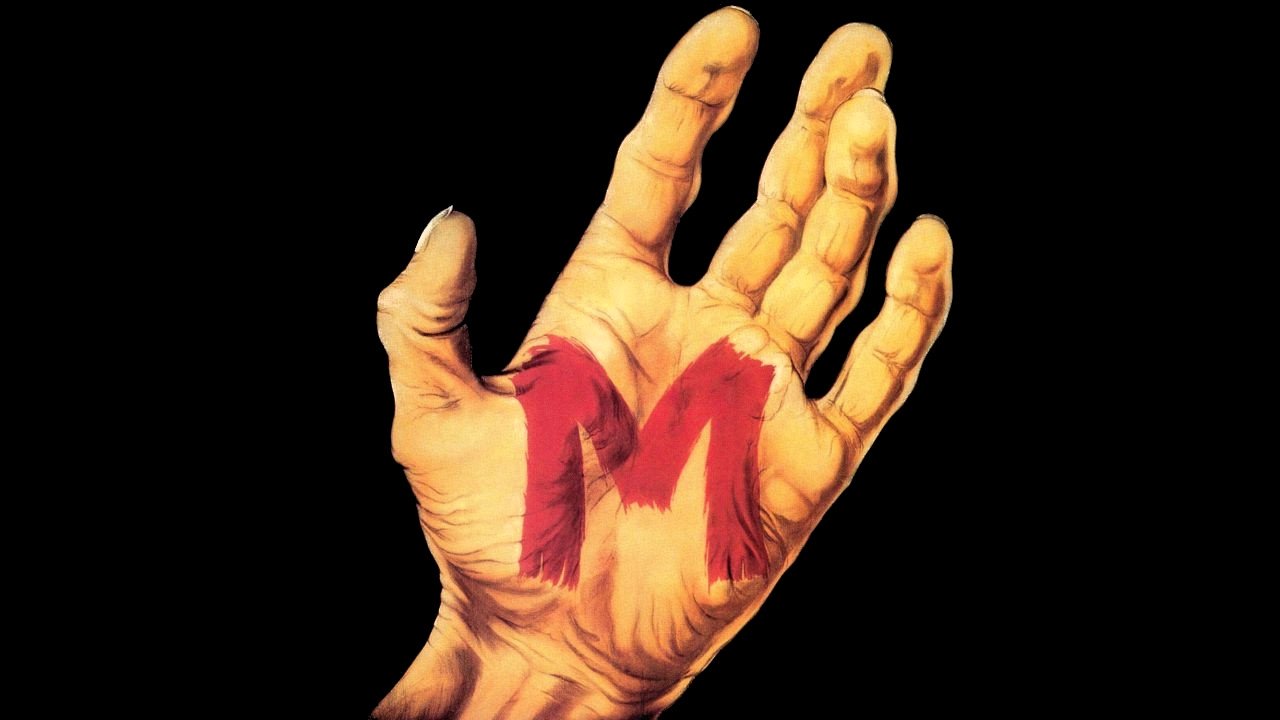
The technical constraints of 1931 actually work in the film's favor. The camera doesn't move as much as it does in Metropolis, but when it does—like the famous shot following the "M" being chalked onto Beckert’s back—it feels purposeful and predatory. And that whistle? Peter Lorre actually couldn't whistle to save his life. The whistling you hear in the film is actually Fritz Lang himself, standing off-camera and providing the tune that would haunt cinema forever.
This isn't just a "historically important" movie you watch out of obligation. It’s a genuine, pulse-pounding thriller that feels as modern as anything released this year. It asks uncomfortable questions about madness, justice, and the thin line between the people who break the law and the people who enforce it. If you can handle the subtitles (or if you speak German), it’s a journey into the dark heart of the 20th century that you won't soon forget. Don't let the black-and-white stock fool you; this is a vivid, terrifying portrait of a man—and a society—losing its mind.
Keep Exploring...
-
Metropolis
1927
-
The Cabinet of Dr. Caligari
1920
-

Lord of War
2005
-

Falling Down
1993
-

Jackie Brown
1997
-

The Negotiator
1998
-
American Psycho
2000
-
John Q
2002
-
Road to Perdition
2002
-
21 Grams
2003
-
Dogville
2003
-

A History of Violence
2005
-
Lucky Number Slevin
2006
-

Law Abiding Citizen
2009
-
The Next Three Days
2010
-
Drive
2011
-
The Lincoln Lawyer
2011
-
End of Watch
2012
-
Nightcrawler
2014
-
Patriots Day
2016