Freaks
"The real monsters aren't the ones on display."
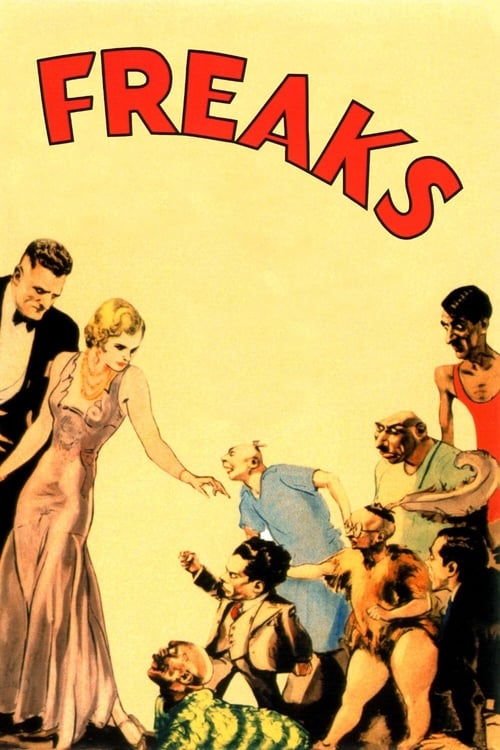
I watched Freaks for the first time at 2:00 AM while my neighbor’s car alarm kept chirping every ten minutes in the street below. Usually, that kind of thing ruins a movie, but here, the rhythmic, metallic annoyance actually synced up with the mounting dread of the film’s climax. It made the whole experience feel even more jagged and uncomfortable, which, if you know anything about Tod Browning’s 1932 career-killer, is exactly how you’re supposed to feel.
The Circus Comes to Hollywood
There is a specific kind of bravery—or perhaps professional suicide—required to make a movie like this in the early 1930s. Tod Browning was fresh off the massive success of Dracula, and instead of playing it safe with another gothic romance, he decided to drag the elite audiences of Metro-Goldwyn-Mayer into the mud and sawdust of the traveling circus.
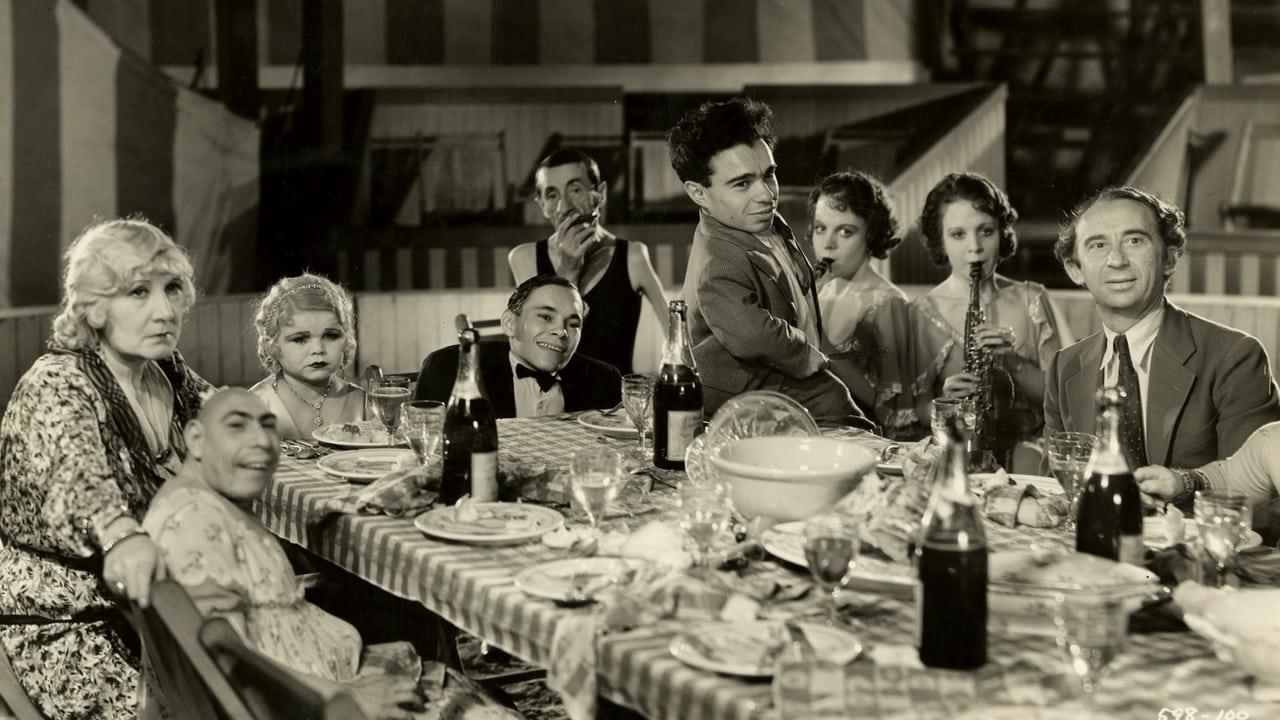
While the film is technically an MGM production, it feels like the ultimate "indie" project born from a fever dream. Browning, who had run away to join the circus in his youth, didn't want to use prosthetics or makeup. He insisted on casting real sideshow performers with genuine physical deformities. In an era where "polite society" kept such people hidden away, Browning put them front and center, not as monsters, but as a tight-knit community with a rigid moral code. The studio was terrified; legend has it that MGM employees were so unsettled that the cast had to eat their meals in a separate outdoor tent so as not to "disturb" the other actors on the lot.
Monsters in Silk and Sequins
The plot is deceptively simple, almost like a dark folk tale. Harry Earles plays Hans, a wealthy circus performer who falls under the spell of the "full-grown" trapeze artist, Cleopatra (Olga Baclanova). Cleopatra is a classic noir femme fatale born a decade too early. She and her lover, the strongman Hercules (Henry Victor), hatch a plan to have her marry Hans, poison him, and inherit his fortune.
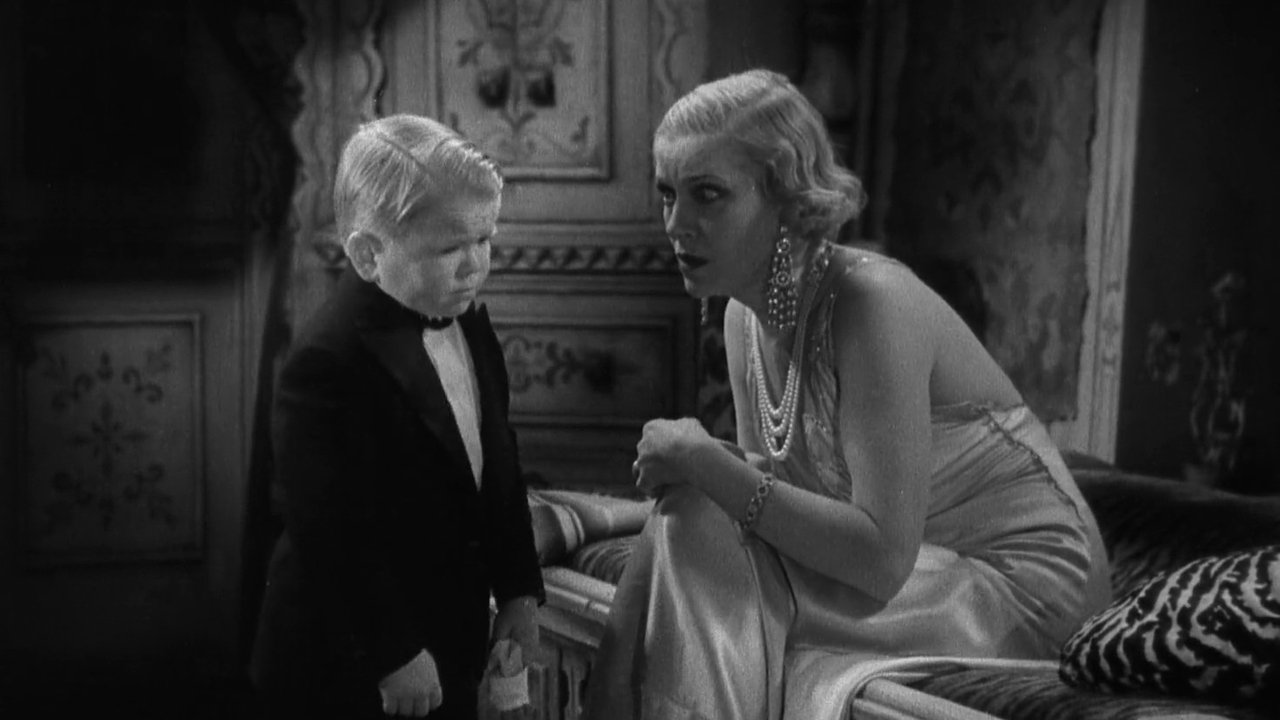
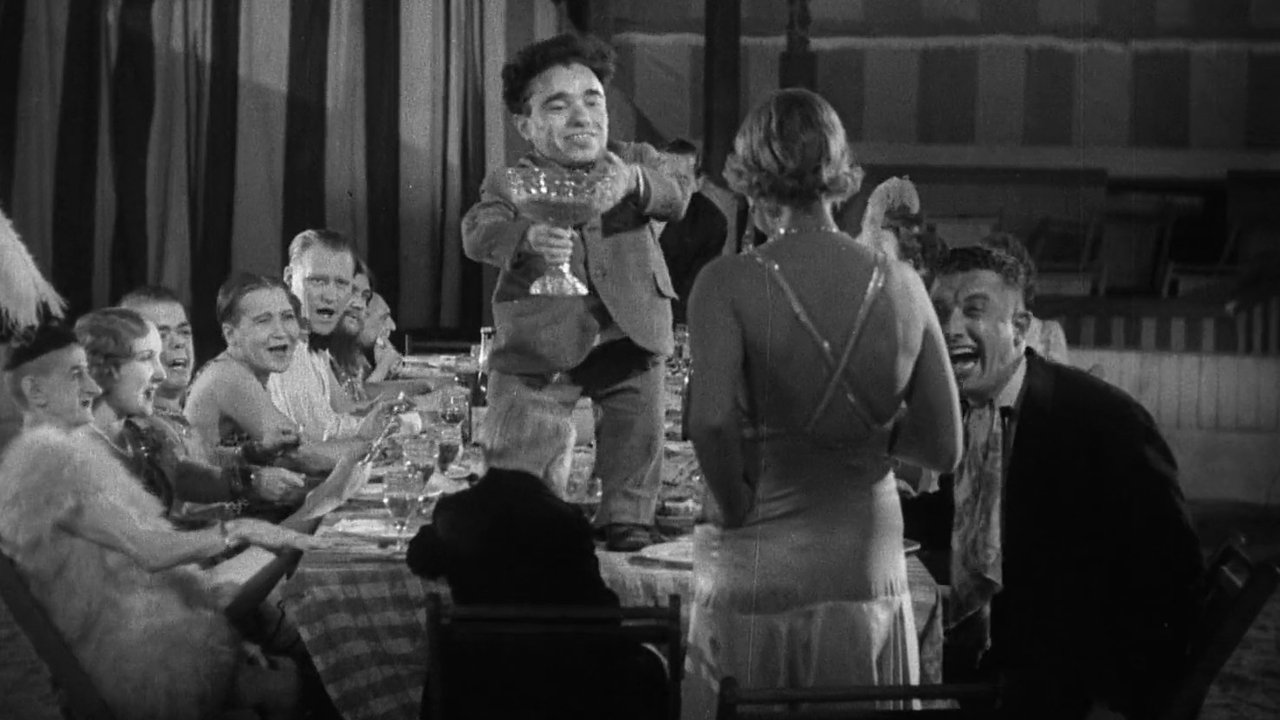
The "normal" people here are utterly repulsive. Olga Baclanova gives a performance that is so dripping with aristocratic cruelty that you can practically smell the disdain. During the famous wedding banquet scene, as the circus performers chant "Gooble-gobble, one of us!", she finally snaps, mocking them and pouring wine over their heads. It is a deeply painful scene to watch. I honestly found myself wanting to reach through the screen and slap the champagne flute out of her hand.
Opposing the villains are the "ordinary" circus folk like Phroso (Wallace Ford) and Venus (Leila Hyams). Their subplots provide the film with its necessary soul, showing that kindness exists in this world, even if it’s overshadowed by the central tragedy. But make no mistake: this is a movie about the "code." If you hurt one of them, you hurt all of them.
The Night of the Rain
The final ten minutes of Freaks shift from a tragic drama into a full-blown nightmare. As the circus wagons travel through a torrential thunderstorm, the "freaks" decide it's time for their revenge.

Technically, for 1932, this sequence is a masterclass in shadow and sound. Because early sound recording was still somewhat primitive, the lack of a swelling orchestral score actually helps. All you hear is the rain, the mud, and the rhythmic clicking of knives being opened. Seeing the performers crawl through the dark, muddy undergrowth toward the villains is an image that has been burned into my brain. It’s the kind of horror that doesn't rely on jump scares; it relies on the absolute, inevitable weight of a community coming to collect a debt.
The ending is so bleak it makes most modern slasher movies look like Saturday morning cartoons. It’s no wonder the film was banned in the UK for thirty years and nearly ended Browning’s career. The version we have today is actually a censored cut; nearly half an hour of footage—reportedly even more gruesome—was hacked away by the studio and is now lost to time. Yet, even in its truncated 64-minute form, it loses none of its punch.
Freaks is a miracle of survival. It is a film that shouldn't exist, made by a man who refused to compromise his grimy, empathetic vision for the sake of a studio's reputation. It forces you to confront your own gaze—to ask yourself who you’re really rooting for and why. It’s uncomfortable, it’s intense, and it’s profoundly human. If you can stomach the darkness, it’s a journey into the shadows of early cinema that you’ll never forget.
Keep Exploring...
-
Dracula
1931
-
King Kong
1933
-
The Cabinet of Dr. Caligari
1920
-
Frankenstein
1931
-

Un Chien Andalou
1929
-
All Quiet on the Western Front
1930
-
The Invisible Man
1933
-
Bride of Frankenstein
1935
-
What Ever Happened to Baby Jane?
1962
-
Eraserhead
1977
-

Day of the Dead
1985
-
Run
2020
-

City Lights
1931
-
Peeping Tom
1960
-

Repulsion
1965
-
Nosferatu the Vampyre
1979
-
Audition
2000
-

The Devil's Backbone
2001
-
The Orphanage
2007
-
Let the Right One In
2008