King Kong
"The Eighth Wonder conquered the world—and cinema forever."
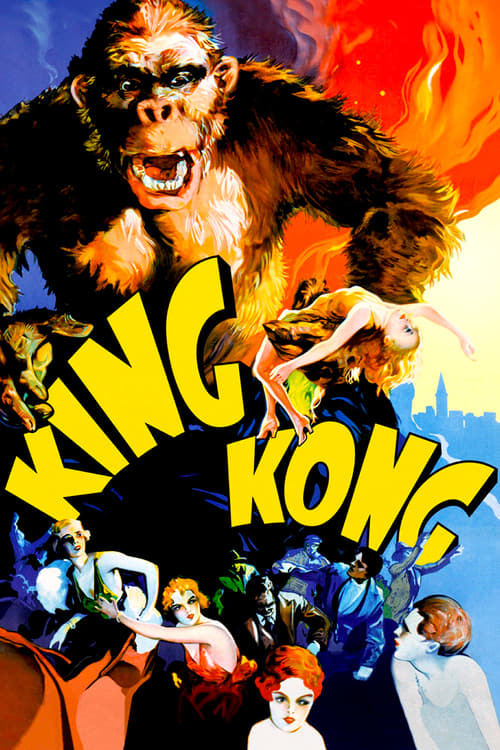
I’m sitting here with a lukewarm bowl of instant ramen—the kind that definitely shouldn't be eaten after its "best by" date—and a radiator that keeps clanking like a trapped Stegosaurus. It’s the perfect, slightly gritty atmosphere to revisit the granddaddy of all monster movies. We’ve seen the 70s remake with the weirdly horny ape, Peter Jackson’s three-hour digital epic, and the recent "Neon-Punching-Lizard" sagas, but nothing beats the 1933 original. There is a primal, handmade soul in the 1933 King Kong that modern CGI, for all its billions of polygons, simply cannot replicate.
A Miracle of Miniature and Muscle
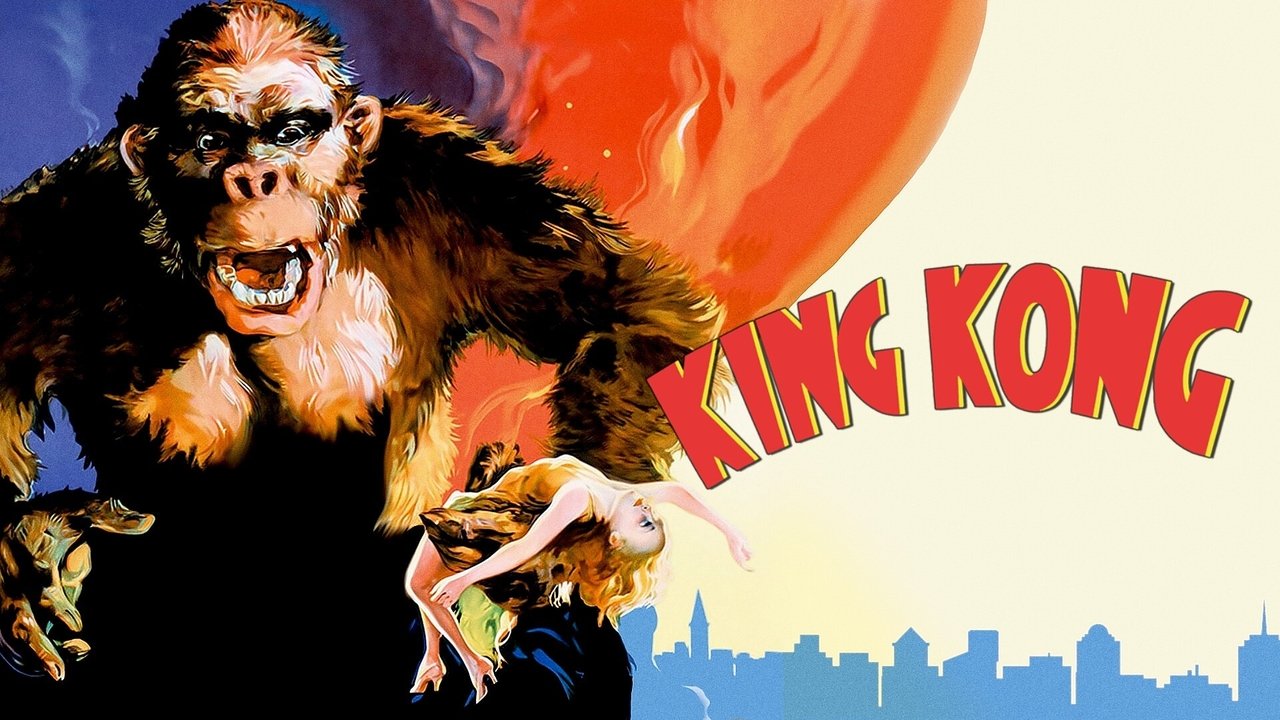
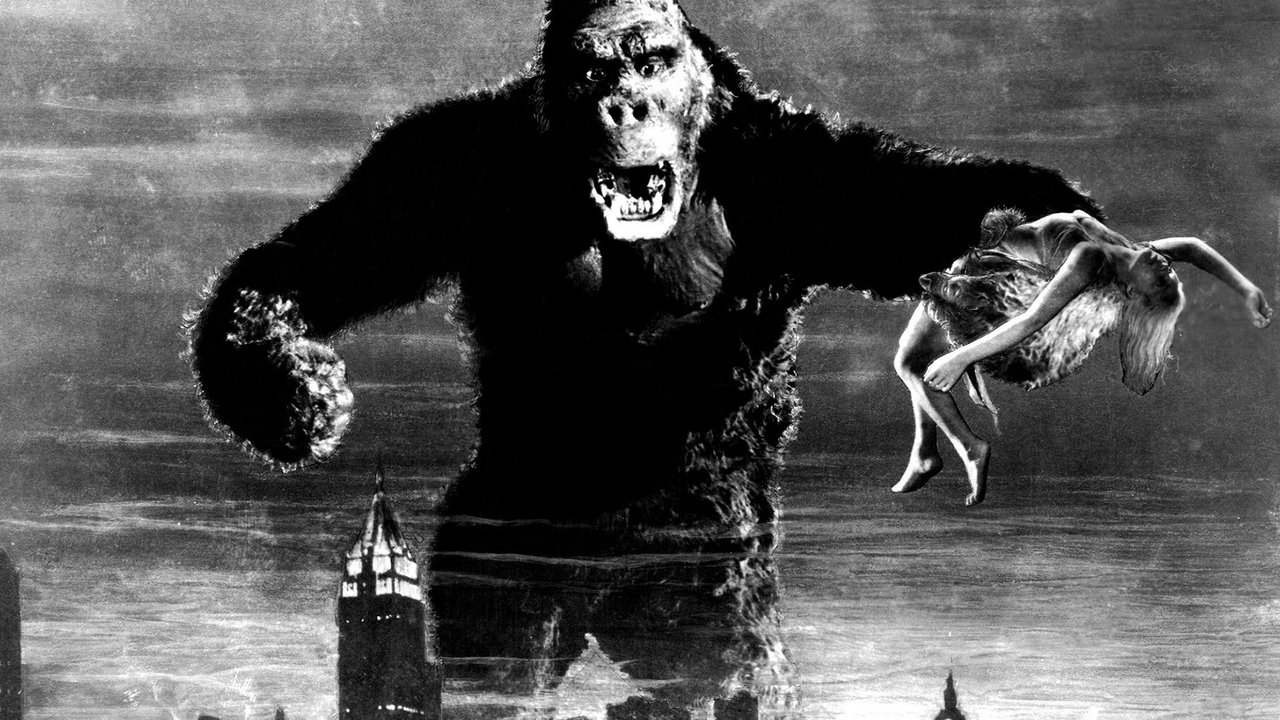
When you watch King Kong today, you aren't just watching a movie; you're watching the birth of a visual language. Willis O’Brien, the stop-motion genius behind the effects, didn't just move a model; he gave it a personality. I’ve always been struck by the way Kong’s fur ripples—a byproduct of the animators' fingers touching the rabbit fur on the miniature between frames. It creates this unintentional "breathing" effect that makes the beast feel hauntingly alive.
For a film from the early talkie era, the technical ambition is staggering. Ernest B. Schoedsack and Merian C. Cooper weren't just directors; they were explorers who decided to build a world because the real one wasn't big enough for them. They combined miniatures, rear-projection, and full-scale props (like that massive mechanical hand) with a seamlessness that would have felt like actual sorcery to audiences in 1933. I genuinely believe Willis O’Brien was a mad scientist masquerading as an artist. Every time Kong fights that T-Rex—the way he checks the dinosaur's jaw after snapping it—is a masterwork of character acting performed an inch at a time.
The Original Shady Producer
Let’s talk about Carl Denham. Robert Armstrong plays him with a fast-talking, Depression-era cynicism that I find endlessly fascinating. Denham is the ultimate cinematic villain because his weapon of choice isn't a gun—it’s a camera. He’s a guy who would film his own mother’s funeral if he thought the lighting was right. In an era where the world was reeling from the Great Depression, Denham represents the desperate, dangerous hustle to "make it" at any cost.
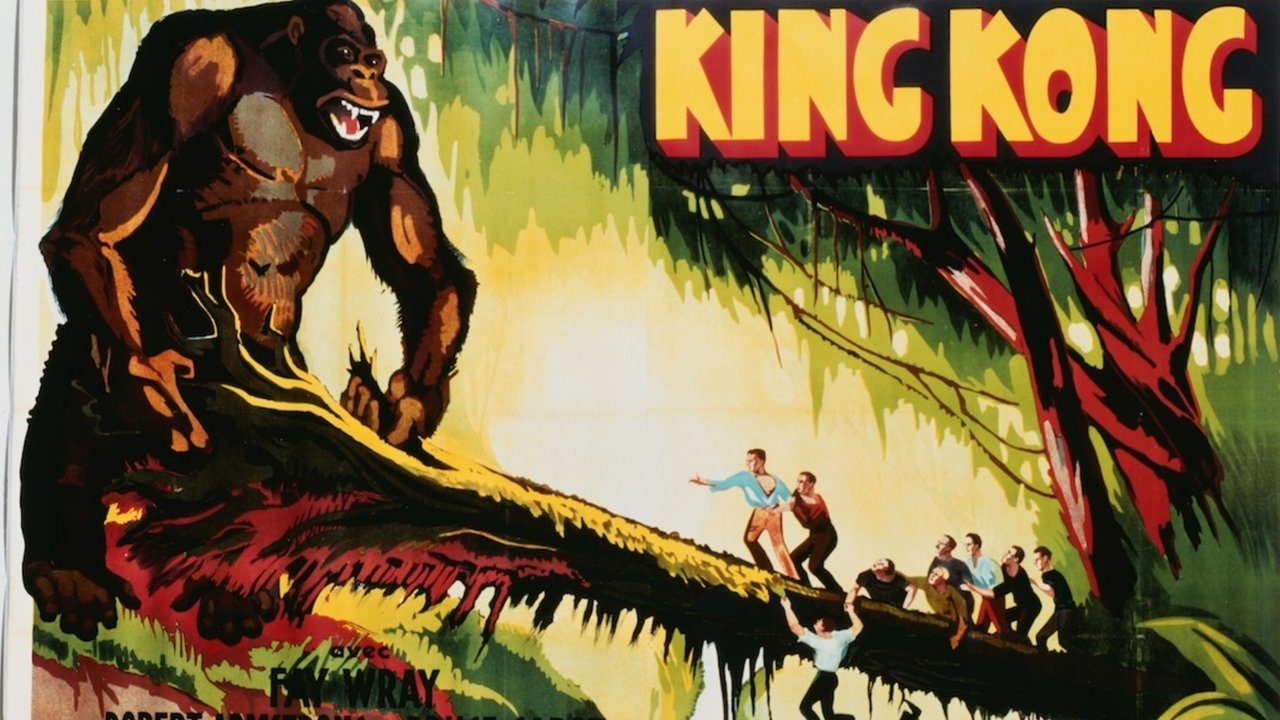
Then you have Fay Wray as Ann Darrow. While history remembers her as the "Scream Queen," she brings a genuine, shivering vulnerability to the role that anchors the film’s darker themes. When she’s trapped in that giant hand, you aren't looking at a green screen; you're looking at a woman reacting to the sheer, overwhelming scale of a myth. Her chemistry with Bruce Cabot's Jack Driscoll is standard-issue hero stuff, but her "relationship" with the ape is where the film finds its weird, tragic heart.
Pre-Code Brutality and Dark Shadows
Because this was released just before the Hays Code started wagging its finger at everyone, King Kong is surprisingly mean. The Big Guy doesn't just knock people over; he bites their heads and stomps them into the mud like discarded cigarettes. There is a darkness here—a grit—that the later, more sanitized versions often miss. The sequence in the Spider Pit (partially restored in spirit over the years) and the sheer carnage Kong wreaks on the islanders and New Yorkers alike reminds you that this is, at its core, a horror movie.
The atmosphere is bolstered by Max Steiner’s score. This was one of the first times a film used an original, symphonic score to drive the narrative. Before this, most "talkies" used music sparingly or just as background noise. Max Steiner treats the music like a character. When the drums kick in as they approach Skull Island, you can feel the temperature in the room drop. It turns the film into an opera of the spectacular.
The Hustle of the Century
It’s easy to forget that King Kong was a massive gamble. RKO Radio Pictures was on the verge of bankruptcy, and Merian C. Cooper basically bluffed his way into getting this made, using sets left over from The Most Dangerous Game (1932) to save money. This is the ultimate "Indie Gem" that just happened to have a studio budget. It was born from the obsessive, frantic energy of people who were literally inventing the rules as they went along.
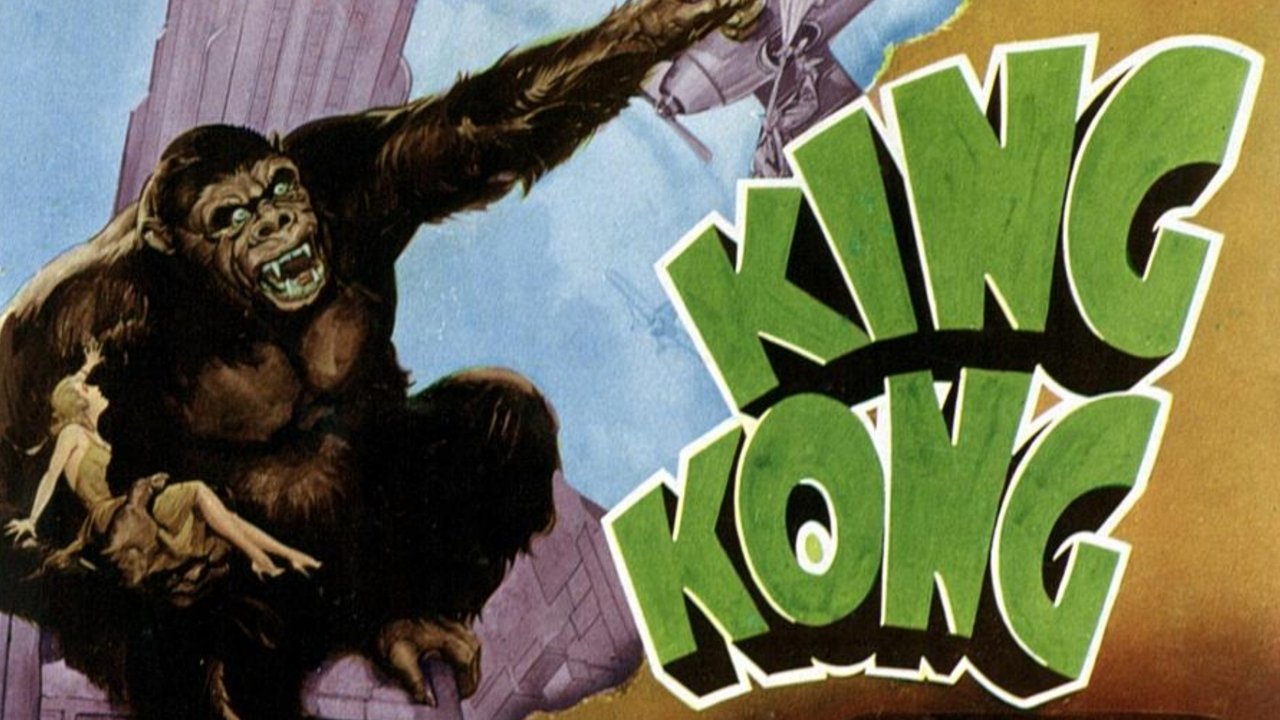
I watched this again last night, and even though I knew exactly how it ended, I still found myself rooting for the ape. Not because I wanted him to destroy the city, but because Denham's Broadway show represents the worst of us—our desire to cage anything that makes us feel small. When the biplanes finally show up at the Empire State Building, it doesn't feel like a victory for civilization; it feels like a tragedy for wonder.
King Kong is more than just a "classic"—it’s the DNA of everything we love about big-screen spectacle. It’s a film that demands to be seen not as a museum piece, but as a living, breathing nightmare that still has the power to drop your jaw. If you can watch that final fall and not feel a pang of genuine sorrow for the beast, you might be as cold-hearted as Carl Denham himself. Turn off your phone, kill the lights, and let the Eighth Wonder remind you why we go to the movies in the first place.
Keep Exploring...
-
Freaks
1932
-
Dracula
1931
-

Un Chien Andalou
1929
-

The Wizard of Oz
1939
-

A Trip to the Moon
1902
-
Nosferatu
1922
-
The Cabinet of Dr. Caligari
1920
-
Frankenstein
1931
-
The Invisible Man
1933
-
Bride of Frankenstein
1935
-
The Time Machine
1960
-

The Devil's Backbone
2001
-
The Gold Rush
1925
-
The General
1926
-
Stagecoach
1939
-
The Rocky Horror Picture Show
1975
-
The Exorcism of God
2022
-

Snow White and the Seven Dwarfs
1938
-
A Nightmare on Elm Street 3: Dream Warriors
1987
-
Evil Dead II
1987