It Happened One Night
"The walls are coming down, and love is hitching a ride."
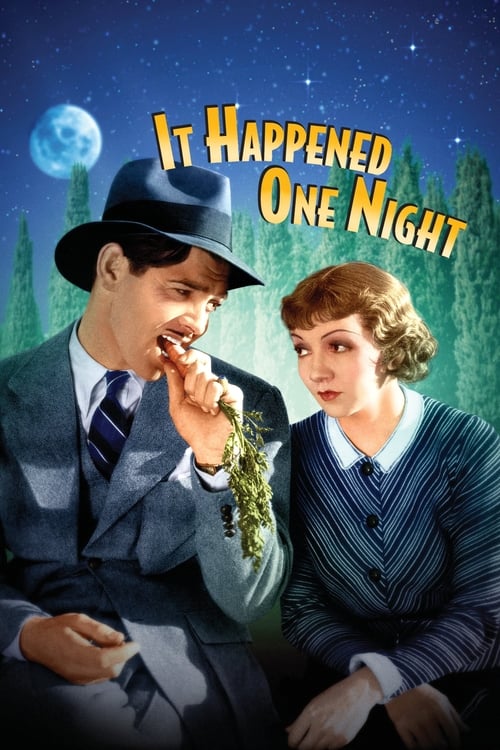
In 1934, Columbia Pictures was a "Poverty Row" joke, a tiny studio where major stars were sent to do penance for bad behavior. When Clark Gable showed up on the lot to film It Happened One Night, he was reportedly surly and intoxicated, treating the assignment like a prison sentence handed down by MGM’s Louis B. Mayer. Claudette Colbert wasn't much happier; she supposedly hated the script and only agreed to the role if her salary was doubled and the shoot was wrapped in four weeks. It was a production fueled by resentment and low expectations, yet it somehow became the first film to sweep the "Big Five" Academy Awards—a feat not repeated for another forty years.
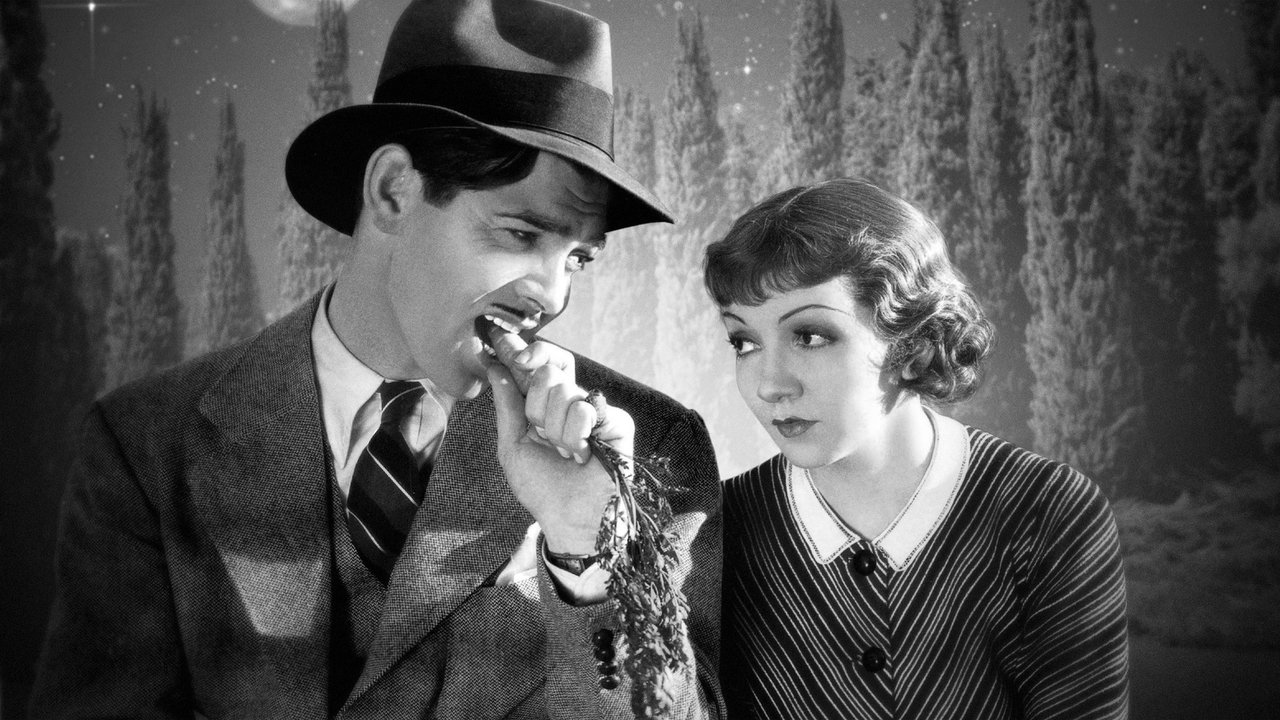
I watched this on my laptop last night while drinking a lukewarm mug of Earl Grey that I definitely forgot about for forty minutes, and honestly, the film’s brisk energy makes modern rom-coms look like they’re stuck in molasses. It’s the definitive road movie, a genre it basically invented while trying to figure out how to keep two people in a room together without breaking the newly enforced Hays Code.
The Punishment That Changed Cinema
The premise is deceptively simple: Ellie Andrews (Claudette Colbert), a pampered heiress, jumps off a yacht to escape her overbearing father (Walter Connolly) and marry a gold-digging aviator. On the bus to New York, she runs into Peter Warne (Clark Gable), a cynical, recently fired reporter who smells a career-saving story. He promises to help her reach her fiancé in exchange for the exclusive rights to her tale.
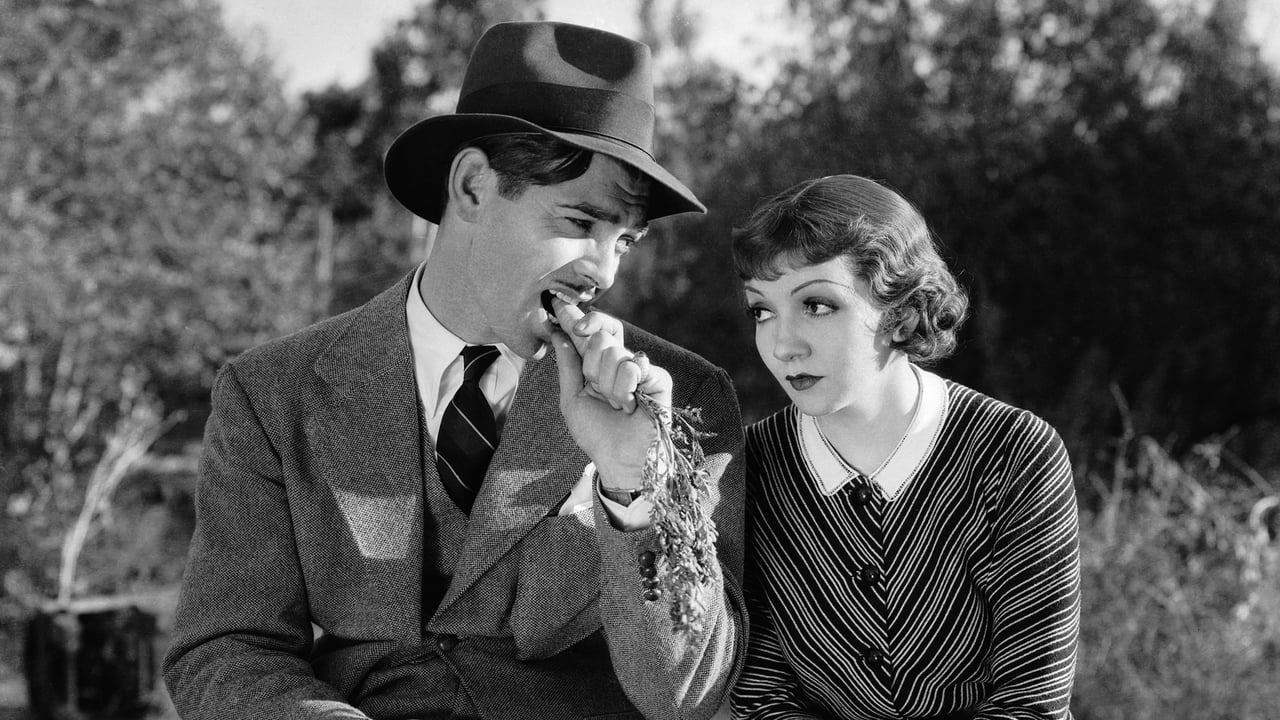
What follows is a Masterclass—oops, I promised no AI buzzwords—let’s call it a clinic in comedic friction. Director Frank Capra and writer Robert Riskin understood that for a comedy to work, the stakes have to feel grounded in the dirt of reality. This is 1934, the height of the Great Depression, and the film doesn’t shy away from the hunger and the cramped, sweaty quarters of a cross-country bus. When Peter and Ellie share a plate of carrots because they’re broke, it’s not just "cute"—it’s a survival tactic.
The Democracy of the Open Road
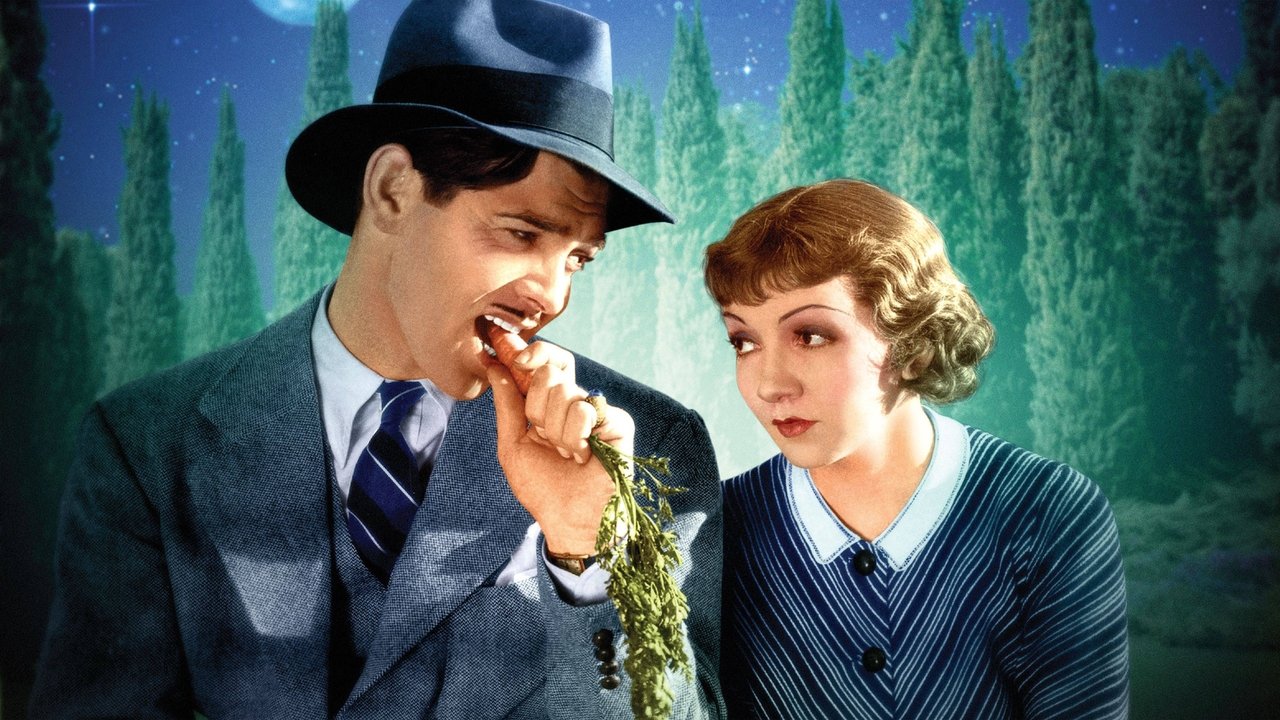
The film is secretly a philosophical treatise on the death of social class. Ellie begins the movie as a woman who thinks the world exists to serve her breakfast on a silver tray. Peter begins as a man who thinks everyone is a "phony" (long before Holden Caulfield made it a personality trait). On the road, these identities are stripped away. It’s basically a cinematic argument that a shared donut is more intimate than a marriage certificate.
There’s a beautiful, thoughtful subtext here about the "open road" as a great equalizer. When the bus breaks down or the money runs out, it doesn’t matter who your father is. You have to learn how to hitchhike, how to cook a thin stew, and how to tolerate the snoring of the person next to you. Gable and Colbert have this electric, lived-in chemistry that feels incredibly modern. They aren't just reciting lines; they are constantly testing each other's boundaries. The way Gable peels a grapefruit or shows off his "system" for undressing (the famous scene that allegedly crashed undershirt sales across America because he wasn't wearing one) feels spontaneous and dangerously charming.
Blankets, Bus Rides, and the Big Five
Because of the strict censorship of the time, the film had to find creative ways to signal sexual tension. Enter "The Walls of Jericho"—a blanket hung on a clothesline between their beds in various motor inns. It’s a literal barrier that becomes a metaphorical playground. By placing a physical wall between them, Capra makes their eventual intimacy feel earned rather than forced. It’s a brilliant technical constraint that forced the filmmakers to rely on dialogue and lingering glances rather than physical contact.
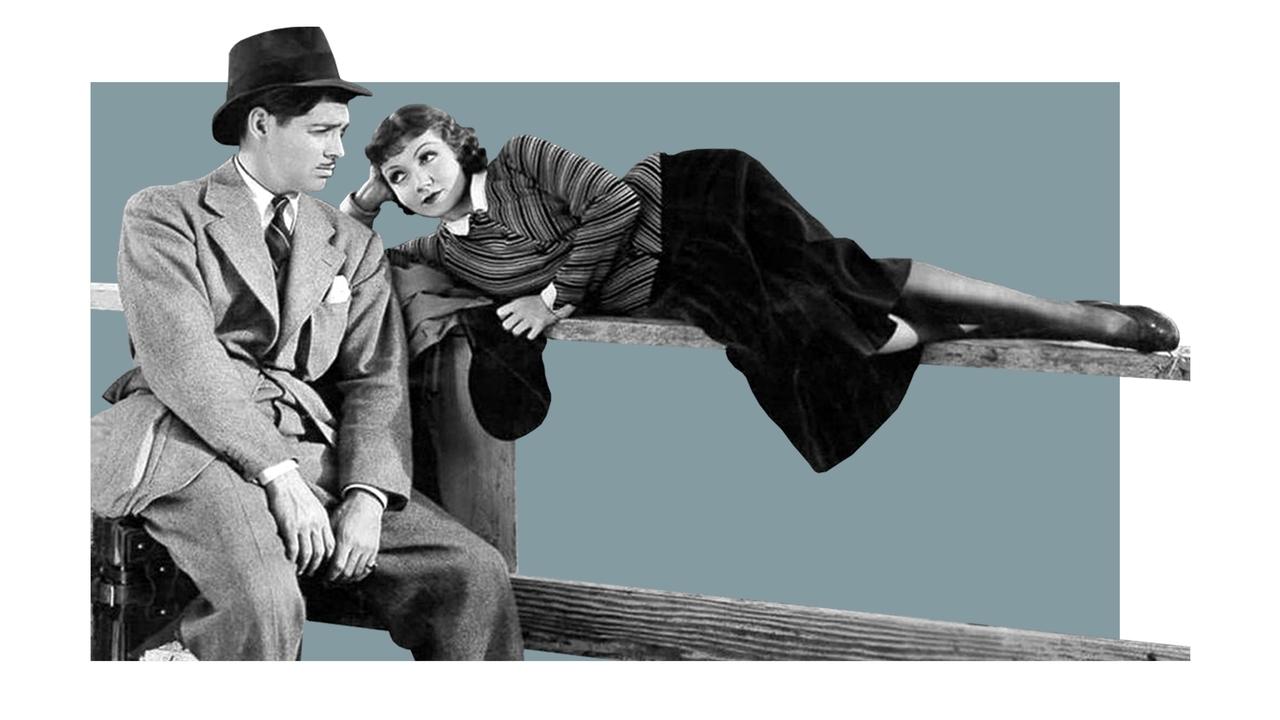
The supporting cast is just as sharp. Roscoe Karns as the motor-mouthed Oscar Shapeley is the ancestor of every annoying "third wheel" character in cinema history, and his back-and-forth with a fake-gangster-acting Gable is the most fun you can have with a 90-year-old movie without getting arrested. The pacing is relentless; every scene moves the plot forward while deepening our understanding of why these two mismatched people actually need each other.
Columbia Pictures might have been the underdog, but It Happened One Night proved that you don't need a massive budget or a happy cast to make magic. You just need two people, a bus, and a blanket.
Even if you think you don't like "old movies," you owe it to yourself to see the blueprint for everything from When Harry Met Sally to Planes, Trains and Automobiles. It is a film that treats love not as a fairy tale, but as a hard-won partnership forged in the back of a Greyhound bus. It’s funny, it’s surprisingly cynical about the wealthy, and it features the best use of a thumb in the history of hitchhiking. The walls of Jericho eventually fall, and you’ll be glad you were there to see it happen.
Keep Exploring...
-
Mr. Smith Goes to Washington
1939
-

City Lights
1931
-
Bringing Up Baby
1938
-
Modern Times
1936
-
The General
1926
-

The Circus
1928
-
The Kid
1921
-
The Philadelphia Story
1940
-

Singin' in the Rain
1952
-
The Apartment
1960
-
Annie Hall
1977
-
The Postman
1994
-
Stagecoach
1939
-

The Wizard of Oz
1939
-
The Gold Rush
1925
-
Sunrise: A Song of Two Humans
1927
-
Sabrina
1954
-
Breakfast at Tiffany's
1961
-

Charade
1963
-
Harold and Maude
1971