Bride of Frankenstein
"The mate is made, the monster finds a voice."
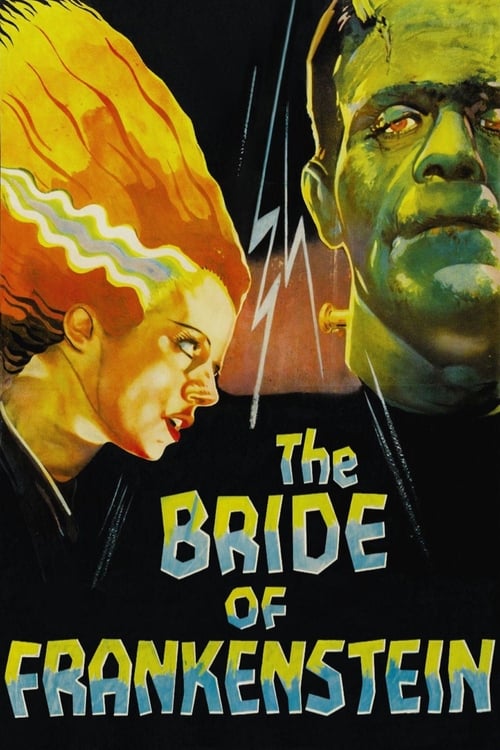
The opening of Bride of Frankenstein is one of the most audacious "pre-credits" sequences in cinema history. We start in a rain-lashed villa with Lord Byron, Percy Shelley, and Mary Shelley—the latter played by Elsa Lanchester—as they discuss her "monstrous" tale. It’s a sophisticated, meta-textual way to restart a story that everyone thought ended in a burning windmill four years earlier. As I watched this scene on my laptop, sipping a lukewarm cup of peppermint tea that eventually went stone cold because I forgot it existed, I realized just how much director James Whale was playing with his audience. He wasn't just making a sequel; he was crafting a dark, queer, and deeply tragic expansion of a myth.

The Divine Madness of Doctor Pretorius
While Colin Clive returns as the tortured Henry Frankenstein, he is almost immediately eclipsed by the most delightful cinematic vulture of the 1930s: Doctor Pretorius. Played with bone-dry malice by Ernest Thesiger, Pretorius is the former mentor who blackmails Henry into "collaborating" again. Doctor Pretorius is the original chaotic neutral, and the film is 100% better because he's a total creep.
The sequence where Pretorius shows off his own creations—tiny, "bottled" people including a king, a queen, and a devil—is a staggering display of early special effects. John J. Mescall’s cinematography combined with split-screen and matte work creates a miniature world that still looks uncanny today. There is a tangible weight to the darkness in this film that the 1931 original lacked. It feels more "Continental," leaning heavily into German Expressionism with its sharp shadows and tilted angles. Pretorius doesn’t just want to create life; he wants to "probe the mysteries of life and death" while drinking gin and eating cold chicken in a crypt. He’s the perfect foil to Henry’s wavering morality.
Pathos and the Talking Monster
The most controversial decision at the time was giving the Monster a voice. Boris Karloff famously disagreed with the choice, fearing it would strip the creature of its mystery. I have to respectfully disagree with the legend. By allowing the Monster to speak, James Whale transforms him from a silent engine of destruction into a figure of profound, agonizing loneliness.

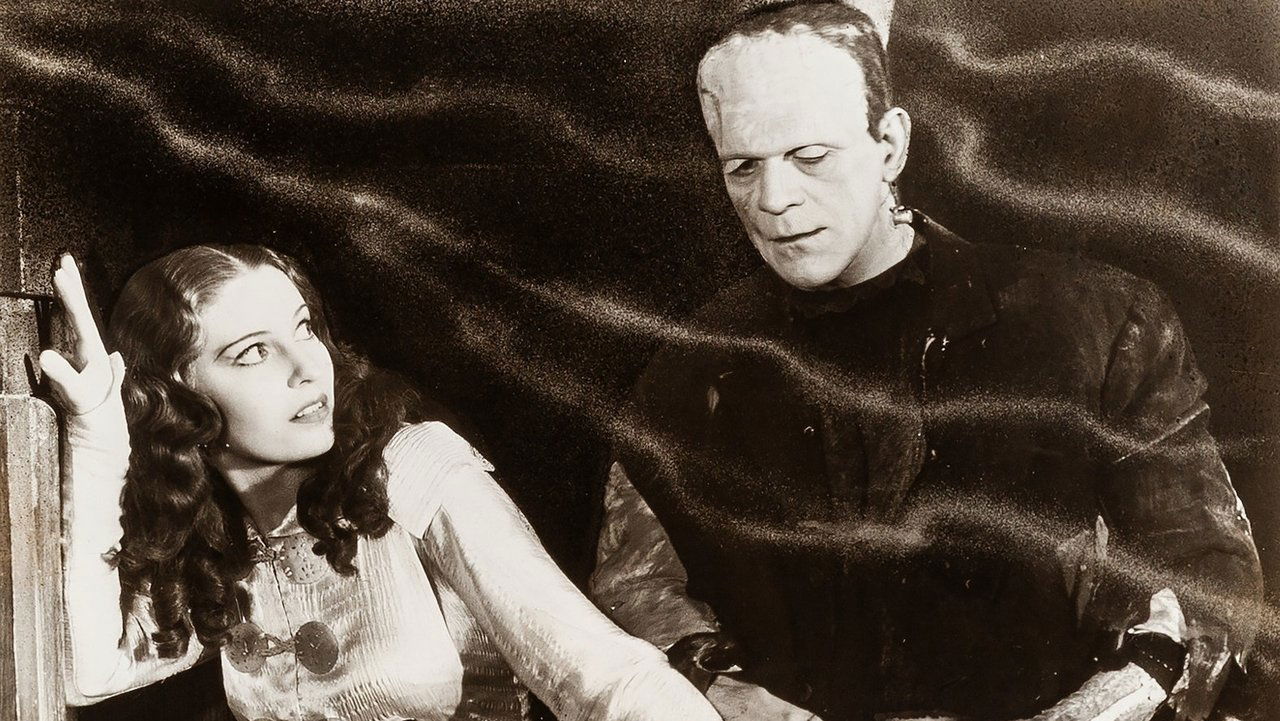
The sequence with the blind hermit is the emotional heart of the film. It’s a moment of pure, unadulterated kindness in a world that has only ever offered the Monster torches and pitchforks. Watching Boris Karloff weep as he learns the word "friend" is genuinely devastating. It sets the stakes for the finale: he isn't looking for a "mate" because of a biological drive; he’s looking for someone who won't scream when they look at him. Karloff’s physical acting remains unparalleled—the way he tilts his head, the hesitant reach of his hands—it’s a masterclass in performing through pounds of Jack Pierce’s iconic lead-based makeup.
A Symphony of Stitches and Screams
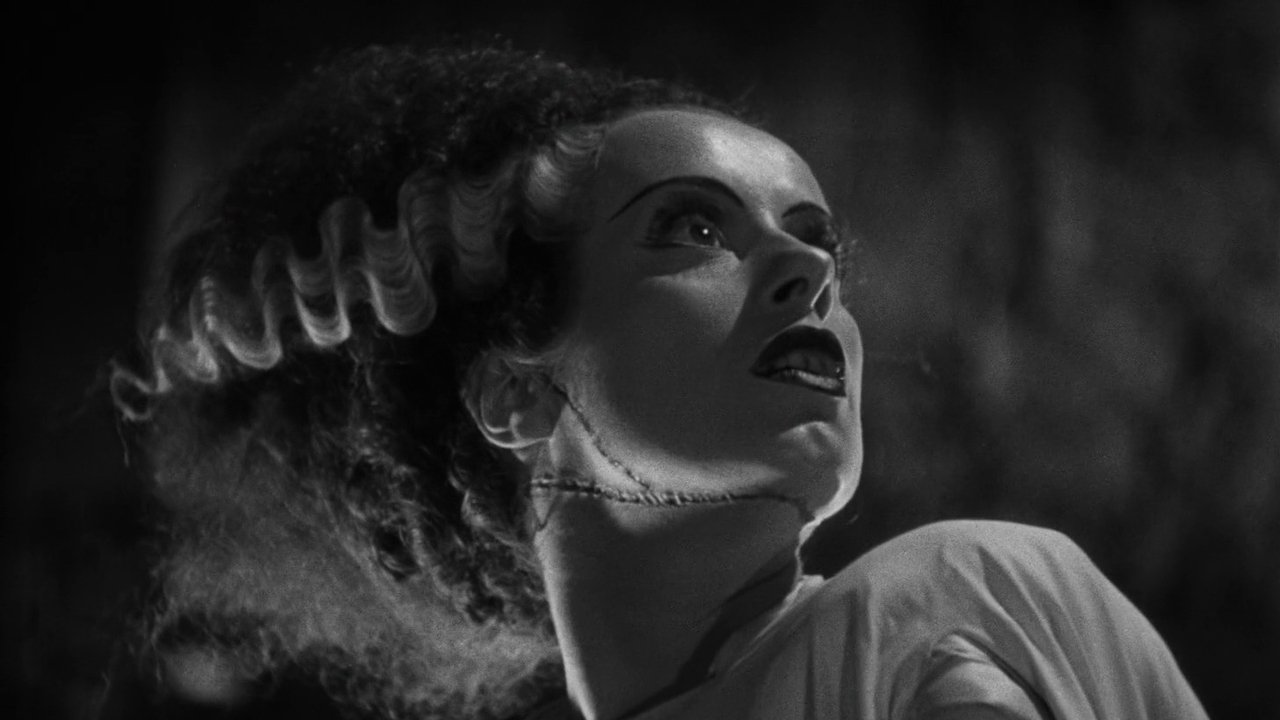
Then, we have the titular Bride. Elsa Lanchester returns in the final act, sporting that gravity-defying hair with its white lightning streaks and a dress that looks like it was fashioned from funeral Shrouds. The Bride is on screen for barely five minutes and she’s the most iconic thing in the history of cinema. Her movements are avian, jerky, and terrifying. She doesn’t look at the Monster with love; she looks at him with the same visceral horror as the villagers.
The rejection is the final blow. It’s here that the film’s "Dark/Intense" modifier really hits. This isn't a happy ending or a simple monster-on-the-loose romp. It’s an existential tragedy. When the Monster tells Henry and Elizabeth to leave, but tells Pretorius and the Bride, "We belong dead," it’s a moment of chilling self-awareness. The laboratory explosion isn't just a spectacle; it’s a mercy killing. Franz Waxman’s score, which was revolutionary for its use of distinct character motifs, swells into a cacophony that perfectly mirrors the crumbling stone and shattered glass.
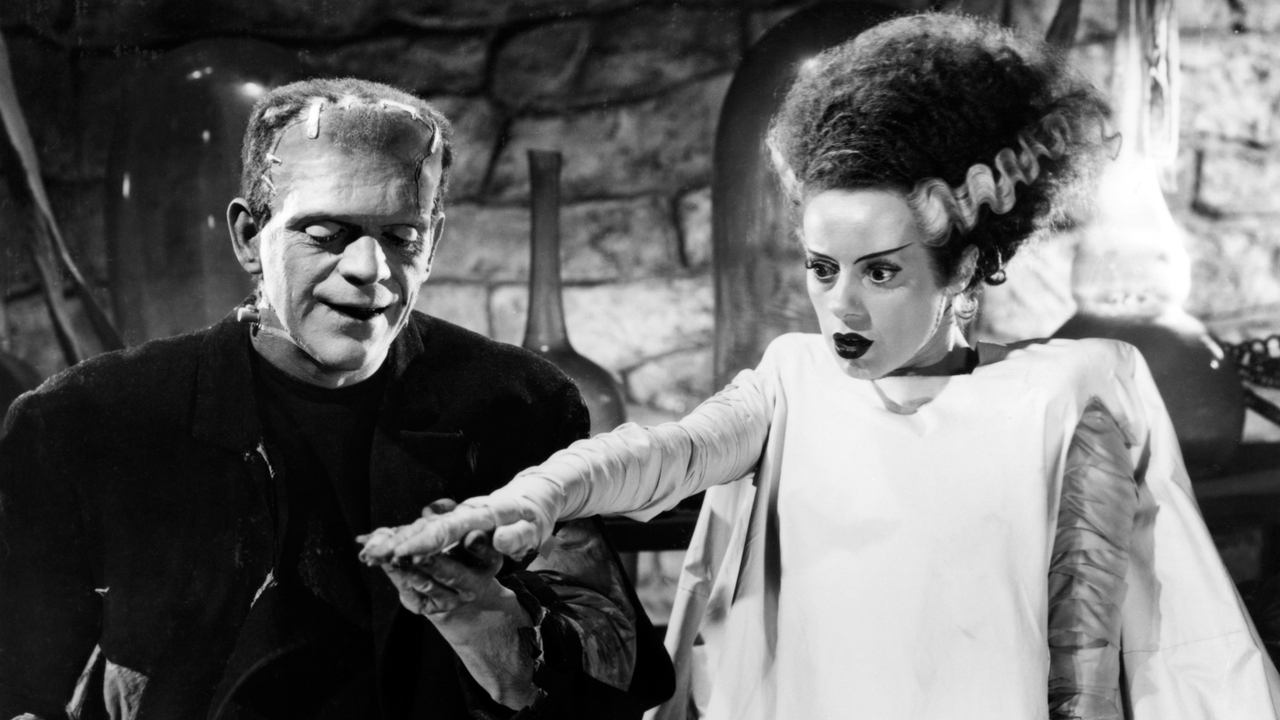
Everything about this production feels like a "first." It’s the first time a horror sequel arguably surpassed the original. It’s a pioneering moment for sound design and score integration. It’s also a reminder that in 1935, filmmakers were still "inventing" the language of the talkies, yet James Whale was already deconstructing them with his trademark wit and macabre sensibility.
Bride of Frankenstein is the rare film that grows more complex with every viewing. It balances campy theatricality with a genuine sense of dread and a crushing exploration of what it means to be an outcast. If you haven't seen it recently, revisit it for Ernest Thesiger’s sneer and Boris Karloff’s heartbreak. It’s a reminder that even in the age of pioneers, they were capable of reaching depths that modern horror often avoids. This isn't just a "classic"—it's a living, breathing, and bolted-together piece of art.
Keep Exploring...
-
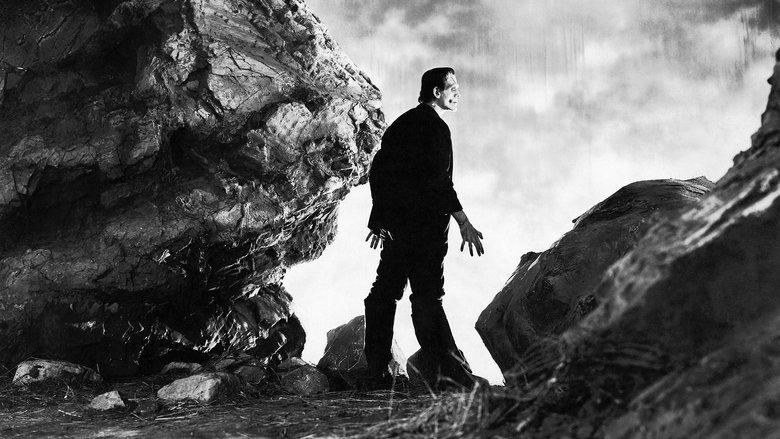
Frankenstein
1931
-
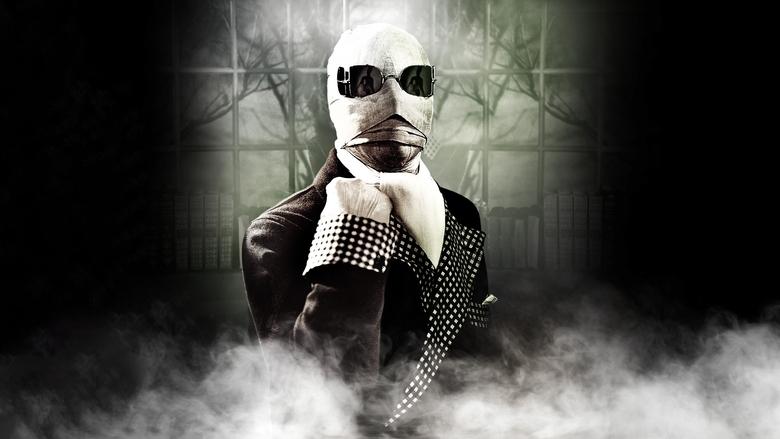
The Invisible Man
1933
-
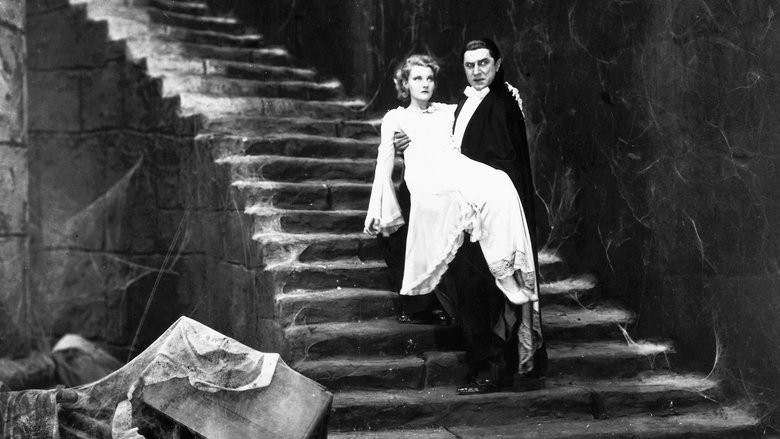
Dracula
1931
-
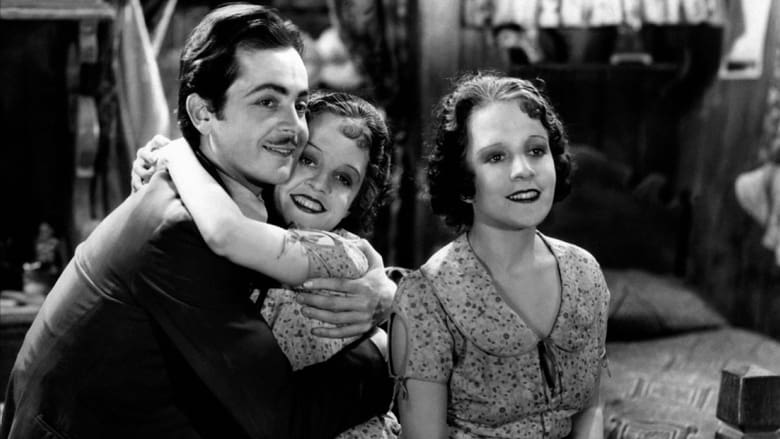
Freaks
1932
-
King Kong
1933
-
The Dead Zone
1983
-
All Quiet on the Western Front
1930
-
Shin Godzilla
2016
-
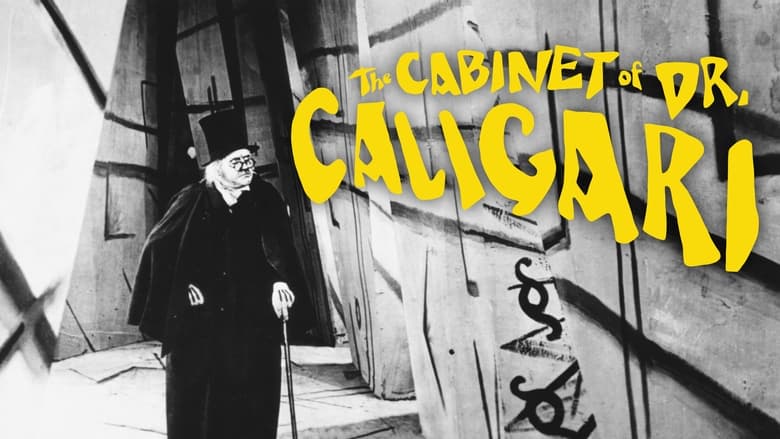
The Cabinet of Dr. Caligari
1920
-

Un Chien Andalou
1929
-

Invasion of the Body Snatchers
1956
-
The Rocky Horror Picture Show
1975
-

Invasion of the Body Snatchers
1978
-
The 39 Steps
1935
-
The Lady Vanishes
1938
-
Nosferatu
1922
-
Godzilla
1954
-
Dawn of the Dead
1978
-
Alien
1979
-

The Thing
1982