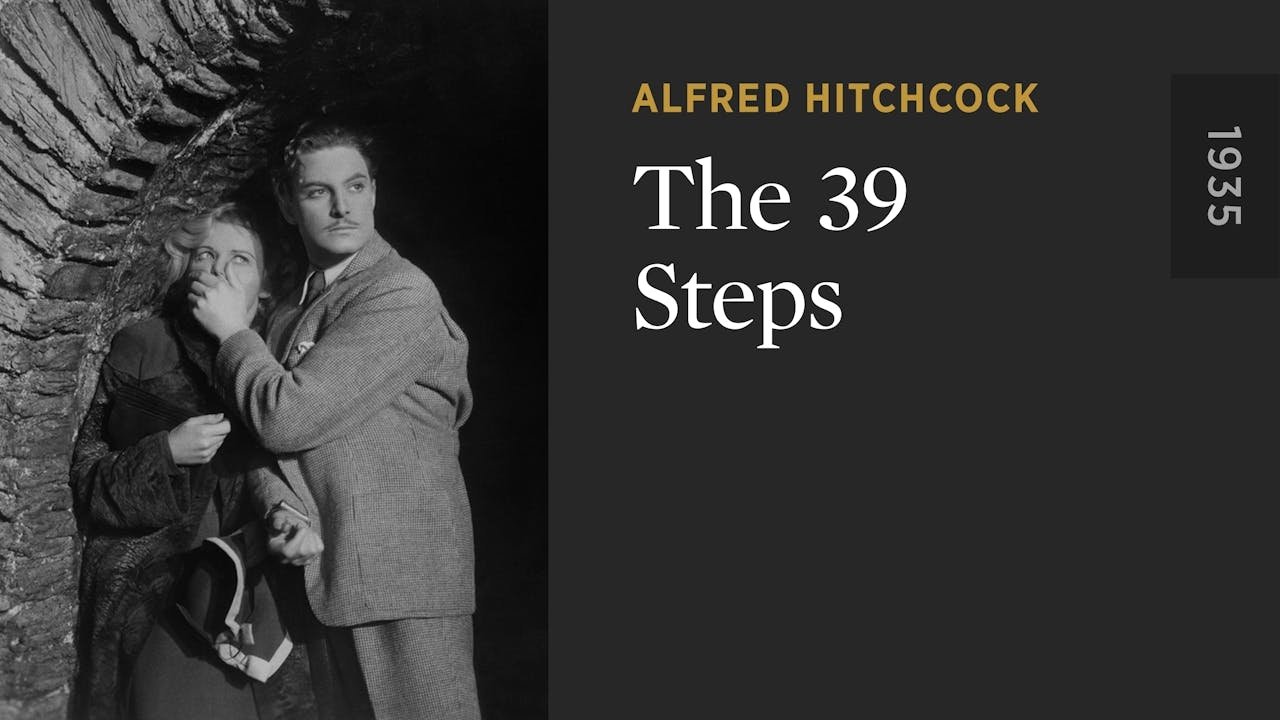
The 39 Steps
"One man. Two handcuffs. Thirty-nine secrets."
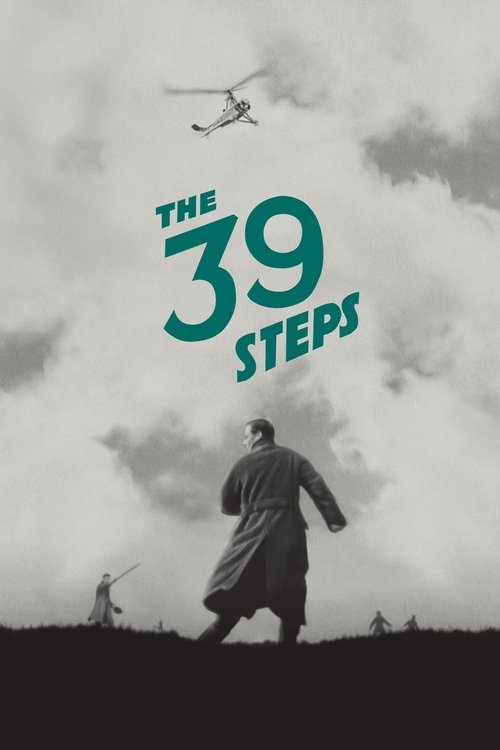
The moment a woman with a foreign accent and a knife in her back collapses onto Richard Hannay’s bed, the suave, slightly bored existence of the 1930s gentleman effectively ends. It’s a brutal, messy intrusion of reality into a world of music halls and stiff upper lips. Watching it now, I’m struck by how Alfred Hitchcock wasn't just making a movie in 1935; he was inventing the very language we use to tell stories about men on the run. My neighbor was power-washing their driveway the whole time I watched this, creating a weirdly industrial drone that somehow synchronized perfectly with the rhythmic chugging of the Flying Scotsman train on screen.
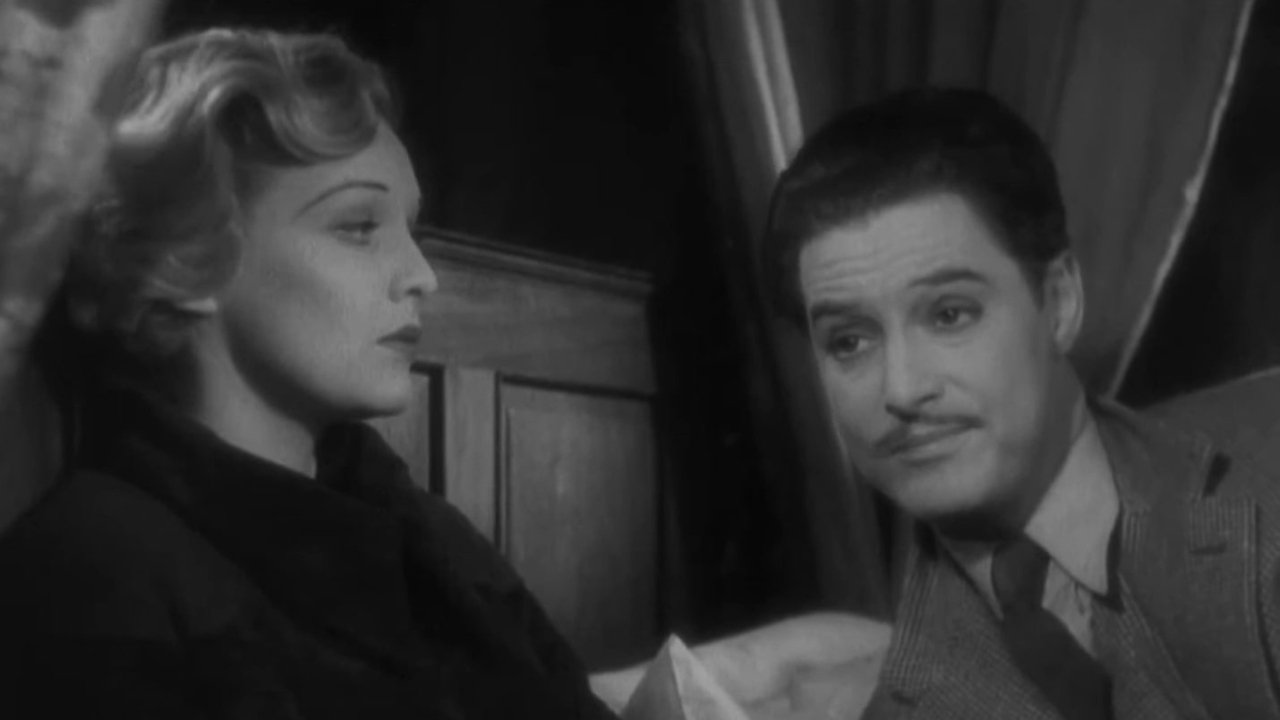
The 39 Steps is the definitive "Wrong Man" prototype. Before Cary Grant was being chased by crop dusters, Robert Donat was scrambling across the Scottish Highlands, trying to stay one step ahead of a police force that thinks he’s a murderer and a spy ring that knows he’s a threat. Donat plays Hannay with a wonderful, desperate charm—he’s clearly terrified, but he’s still British enough to worry about the quality of his sandwich.
The Blueprint of the Modern Thriller
While early talkies often felt static, trapped by the limitations of bulky microphones and heavy cameras, Hitchcock treats the frame like a playground. There is a relentless momentum here that most modern blockbusters would kill for. He understands that a thriller isn't just about the "what," but the "how." Take the transition from the discovery of the body to the train journey: a landlady finds the corpse, opens her mouth to scream, and the sound that comes out is the piercing whistle of a steam engine. It’s a jagged, brilliant piece of editing that bridges the gap between domestic horror and high-stakes adventure.
The film operates on a logic that feels almost dreamlike—or nightmarish. Hannay moves from a London theater to a train, to a desolate moor, to a political rally where he has to improvise a speech despite knowing nothing about politics. Hitchcock clearly enjoyed the physical discomfort of his actors a little too much, and that sadistic streak keeps the stakes feeling genuine. When Hannay is out on the moors, the film sheds its polite veneer and becomes something much colder and more existential.
Handcuffs, Hosiery, and Highland Homicide
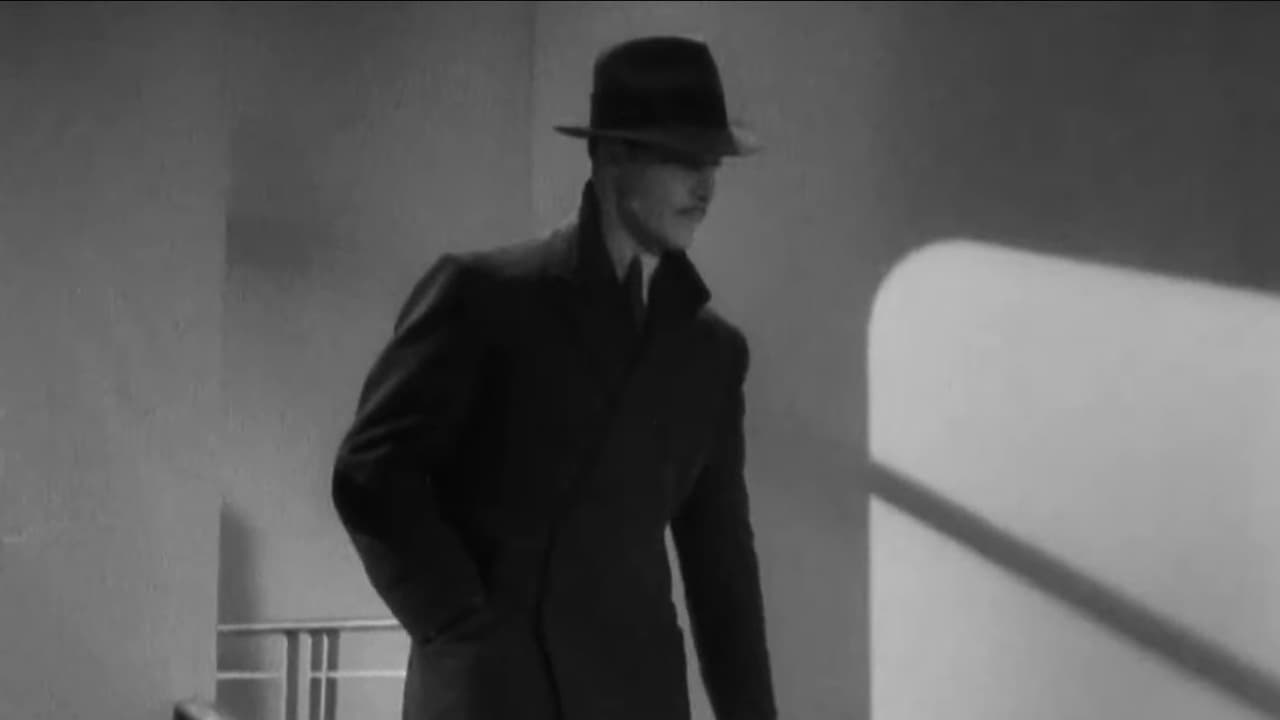
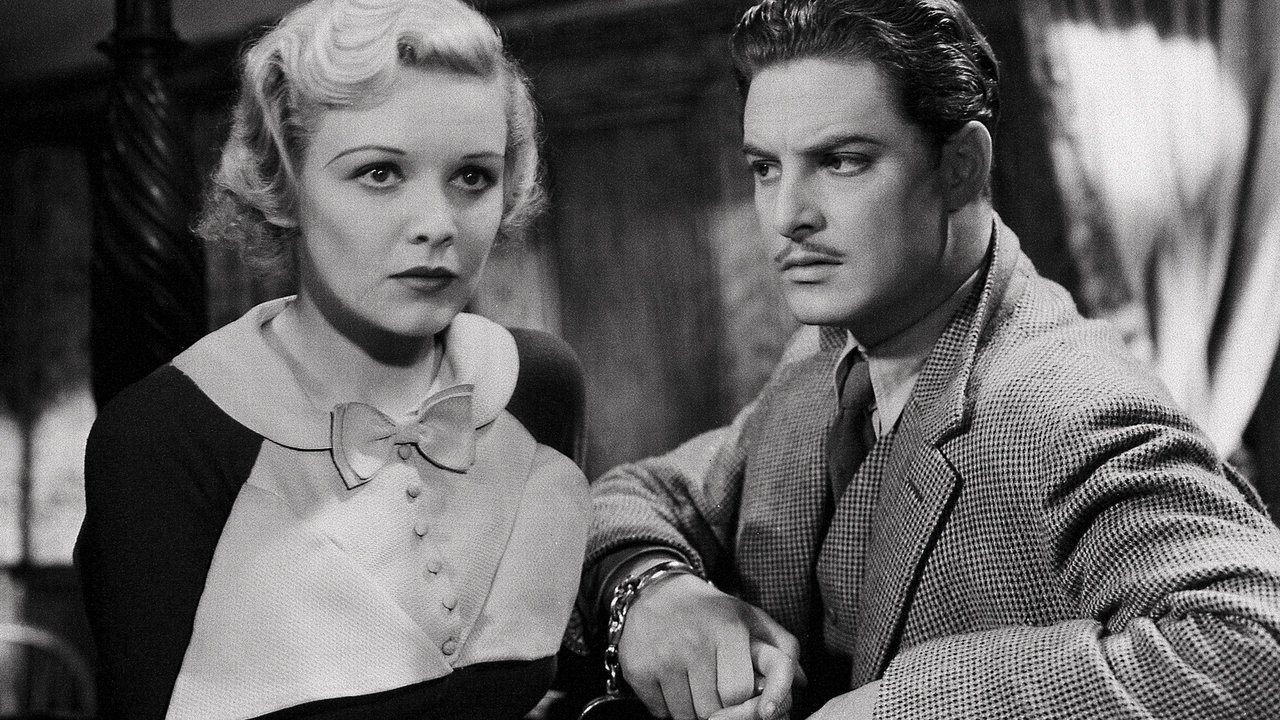
The heart of the film, and the source of its most enduring tension, is the "handcuffed" sequence. After escaping the police, Hannay finds himself literally chained to Madeleine Carroll, playing Pamela, a woman who absolutely loathes him. Carroll was arguably the first true "Hitchcock Blonde"—aloof, sophisticated, and eventually, a willing participant in the chaos. The chemistry between her and Robert Donat is electric precisely because it starts with genuine hostility.
The scene in the inn, where they have to pretend to be a married couple while trying to remove wet stockings while still handcuffed together, is a marvel of pre-Code suggestion and character work. It’s funny, sure, but the underlying intensity never evaporates. We’re reminded that they are being hunted. Hitchcock’s dark streak shines through in the Highland subplots, particularly the segment involving John Laurie as a jealous, dour Crofter and Peggy Ashcroft as his lonely, empathetic wife. Their domestic life is a different kind of trap, one defined by religious austerity and bitterness. The Crofter is arguably the most terrifying villain in the movie, and he isn't even a spy—he’s just a man whose internal darkness makes the international espionage plot look like a hobby.
The Art of the Silent Scream
Because this was produced during cinema’s formative decades, there’s a reverence for visual storytelling that feels lost in today's dialogue-heavy scripts. Hitchcock, having cut his teeth in the silent era, knows when to shut everyone up. The sequence where Hannay is trapped in the Professor’s house—played with a chilling, suburban normalcy by Godfrey Tearle—relies entirely on glances and the realization of a missing finger.
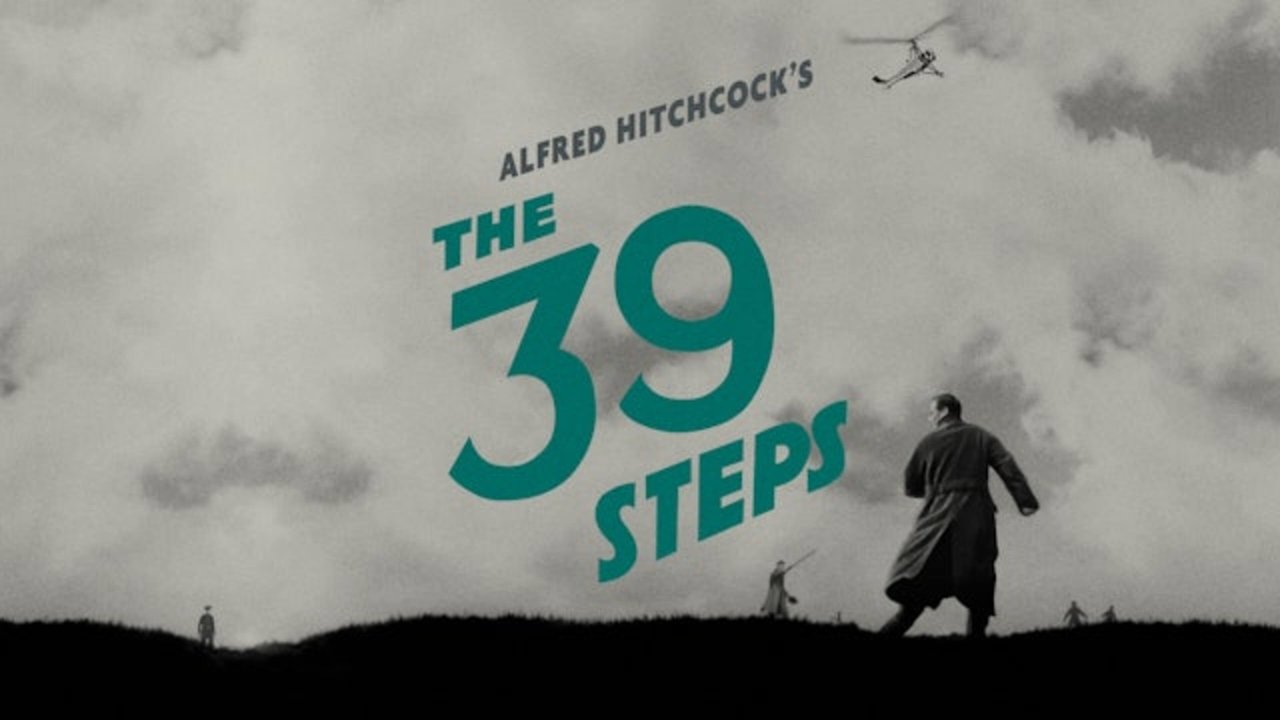
The production trivia only adds to the film's gritty charm. Apparently, Hitchcock kept Robert Donat and Madeleine Carroll handcuffed together for a significant portion of a day, claiming he had "lost the key," just to force a sense of shared frustration and intimacy. It’s that kind of manipulative brilliance that bleeds into the performances. You can see the genuine exhaustion on their faces.
Then there is the MacGuffin—the "39 Steps" themselves. In a move that would define his career, Hitchcock realizes that the content of the secret doesn't actually matter. What matters is the way it weighs on the characters. By the time we reach the climax at the London Palladium, involving the tragic figure of Mr. Memory (played with a haunting, pathetic dignity by Wylie Watson), the spy plot has become a backdrop for a meditation on the burden of knowledge and the inevitability of the end.
The 39 Steps is a lean, mean, 86-minute machine that refuses to age. It captures a specific pre-war anxiety—a world where the person sitting next to you at the theater might be a cold-blooded killer and the police are just as dangerous as the criminals. It’s a film that demands your attention and rewards it with a masterclass in pacing and atmosphere. Even if you aren't a fan of "old movies," the sheer craftsmanship on display here is undeniable. It’s the kind of film that makes you want to go out, buy a trench coat, and get caught up in a conspiracy, provided you can find a partner as sharp as Madeleine Carroll to be handcuffed to.
Keep Exploring...
-
The Lady Vanishes
1938
-
Shadow of a Doubt
1943
-
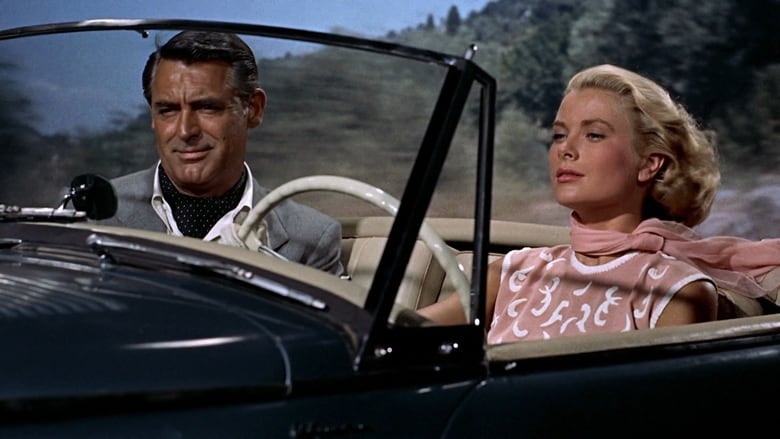
To Catch a Thief
1955
-
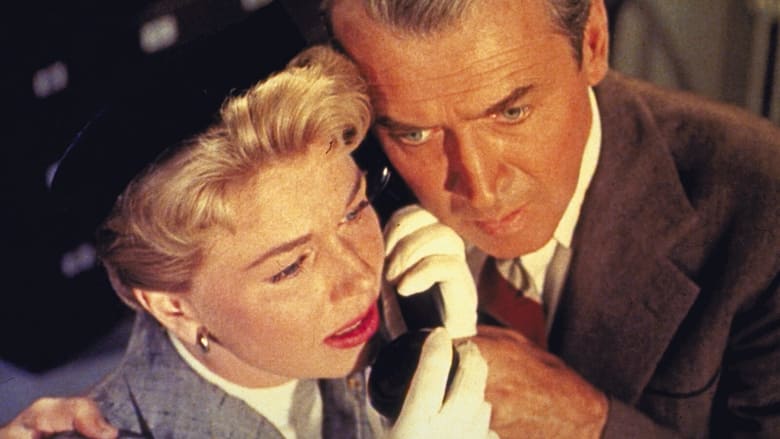
The Man Who Knew Too Much
1956
-
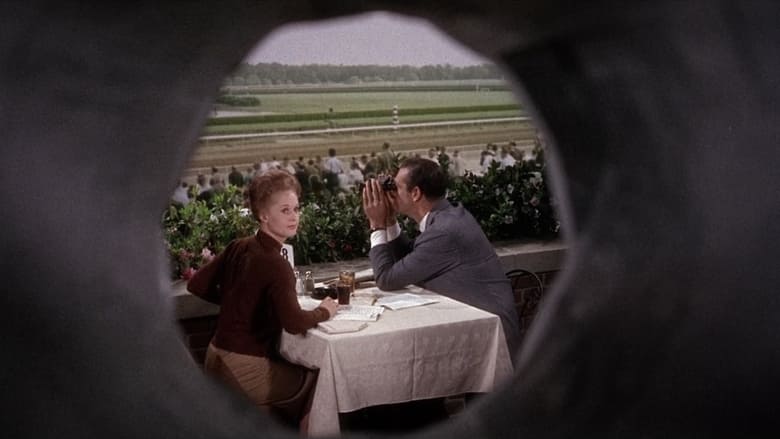
Marnie
1964
-

Rebecca
1940
-
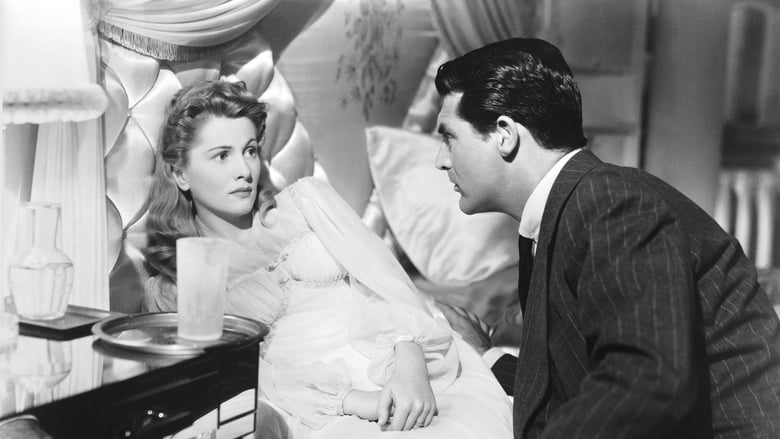
Suspicion
1941
-
Spellbound
1945
-
Notorious
1946
-

Vertigo
1958
-
Frenzy
1972
-
Strangers on a Train
1951
-
Rear Window
1954
-
Psycho
1960
-
M
1931
-
The Maltese Falcon
1941
-
The Big Sleep
1946
-
Rope
1948
-
Dial M for Murder
1954
-
Diabolique
1955