Modern Times
"A clockwork comedy for the soul’s survival."
The opening shot of Modern Times is one of the most cynical, brilliant bits of visual shorthand in cinema history: a herd of sheep being funneled through a chute, dissolved immediately into a crowd of workers shoving their way into a subway station. It’s a 1936 "vibe check" that still feels uncomfortably relevant today. I watched this on a monitor so old it had a literal layer of dust on it, which added an unintended sepia-toned "authenticity" to the experience, making me feel like I was peering through a window back to the Great Depression.
By 1936, the "Talkie" revolution had already won. Sound was no longer a gimmick; it was the law of the land. Yet here was Charlie Chaplin, the world’s most famous face, stubbornly refusing to let his iconic Little Tramp speak. It’s a fascinating act of artistic rebellion. Chaplin knew that once the Tramp spoke English, his universal, pantomime language—which could be understood from London to Tokyo—would die. So, he made a film that is "silent" in spirit but uses sound as a weapon. The only voices we hear are through mechanical intermediaries: phonographs, radios, and the booming screen of a factory boss.
The Ghost in the Machine
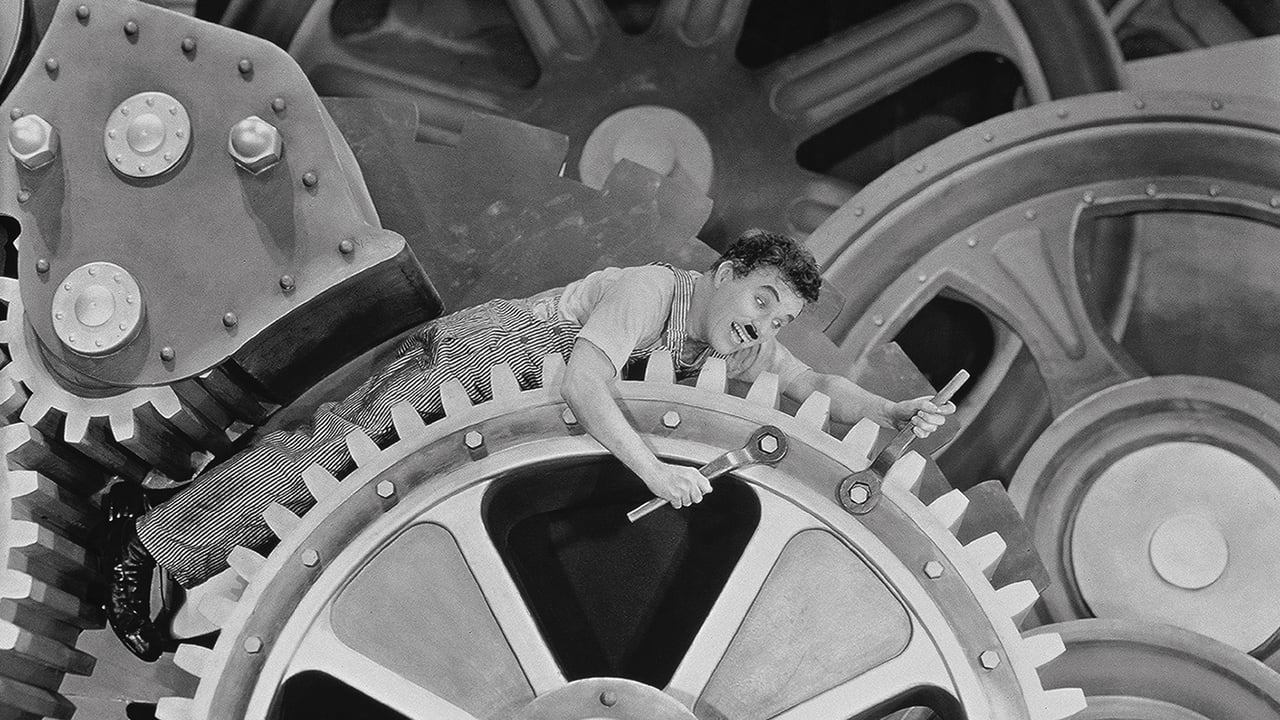
The first act is a dizzying, balletic nightmare of industrialization. Charlie Chaplin plays a factory worker whose job is to tighten bolts on a conveyor belt at a frantic, soul-crushing pace. There is a deep philosophical dread tucked inside the slapstick here. It’s not just that the work is hard; it’s that the work is transformative. After hours of repetitive motion, the Tramp’s body continues to twitch and bolt-tighten even when the belt stops. He becomes the machine.
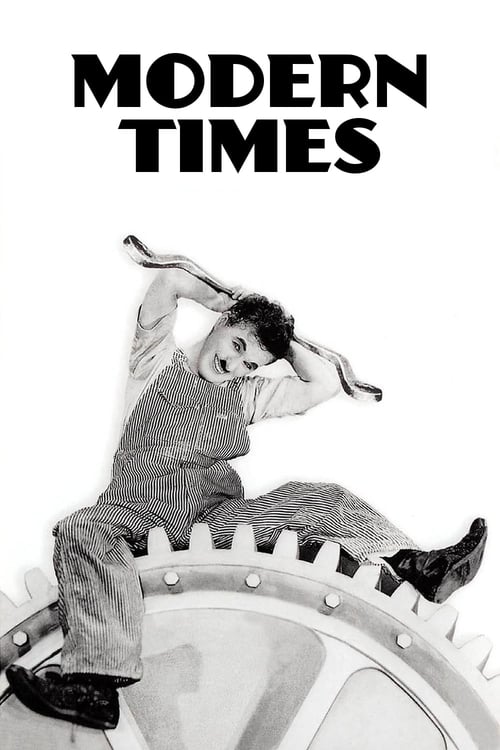
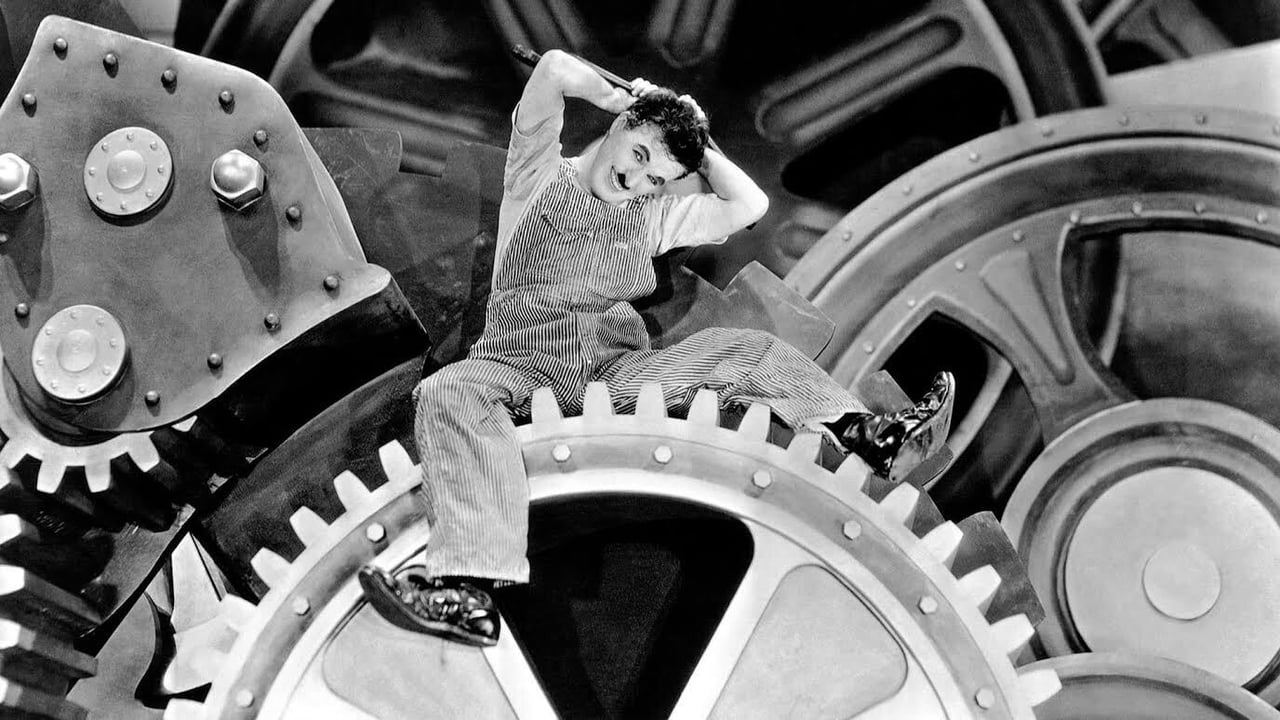
When he is literally sucked into the gears of the giant apparatus, it’s one of the most famous images in film, but seeing it in context is different. It’s a meditation on the loss of human agency. Modern Times is technically the first cyberpunk movie, just without the neon and the katanas. It captures that specific anxiety of being a biological entity in a world that only values mechanical efficiency. Chaplin’s boss in the film—played with icy distance by Allan Garcia—is essentially a proto-Elon Musk figure staring at a monitor all day, looking for ways to squeeze five more seconds of productivity out of his "human capital" by using a "Feeding Machine" that eliminates the need for a lunch break.
A Romance Among the Ruins

While the factory scenes get all the glory in history books, the heart of the film beats in its second half. This is where the drama takes over, introducing Paulette Goddard as the "Gamin." Goddard is a revelation here—wild-eyed, barefoot, and brimming with a desperate, feral energy. She isn’t just a love interest; she’s a mirror to the Tramp’s own displacement. They are two ghosts haunted by a system that has no room for them.
Their "domestic bliss" in a literal shack that’s falling apart around them is both hilarious and deeply moving. There’s a scene where Chaplin leans against a door and the entire wall collapses, but they just keep eating their meager dinner. It’s a beautiful, tragicomically literal representation of "making it work." I found myself genuinely rooting for them in a way I rarely do with modern rom-coms. There’s no artifice here; it’s just two people trying to stay warm in a world that has gone cold.
The Art of the Impossible
Knowing what went on behind the lens makes the viewing experience even more staggering. Chaplin was a notorious perfectionist, often shooting hundreds of takes for a single gag. Apparently, the production took nearly a year to shoot, which was unheard of at the time. He even composed the score himself—giving us the legendary "Smile"—proving he was the ultimate "Auteur" before the term was even fashionable.
The technical stunts are equally mind-blowing. In the department store scene, the Tramp roller-skates blindfolded on the edge of a fourth-floor balcony. You’d swear he was about to plummet to his death. Turns out, it was a "glass shot"—part of the floor was actually a painting on glass placed in front of the camera to create the illusion of a drop. It’s a reminder that before CGI, filmmakers were part-time magicians and full-time daredevils.
Also, we can't ignore the "Nonsense Song." When the Tramp finally speaks at the end, he sings in a gibberish blend of French and Italian. It’s a brilliant compromise. He gives the audience a voice, but he keeps his mystery. He refuses to be defined by a single language, just as he refuses to be defined by a job title.
Modern Times is a rare masterpiece that manages to be a biting social critique, a slapstick riot, and a tender drama all at once. It asks us what we lose when we prioritize the "gears" over the "people," a question that feels more pressing with every new AI update or automated checkout line. The final shot of the Tramp and the Gamin walking down that long, dusty road toward an uncertain horizon is the ultimate ending. It doesn’t promise a pot of gold; it just promises that as long as they keep walking together, they aren’t defeated. It's a film that leaves you feeling a little more human, which is about the highest praise I can give any piece of art.


Keep Exploring...
-

City Lights
1931
-

The Circus
1928
-
The Kid
1921
-
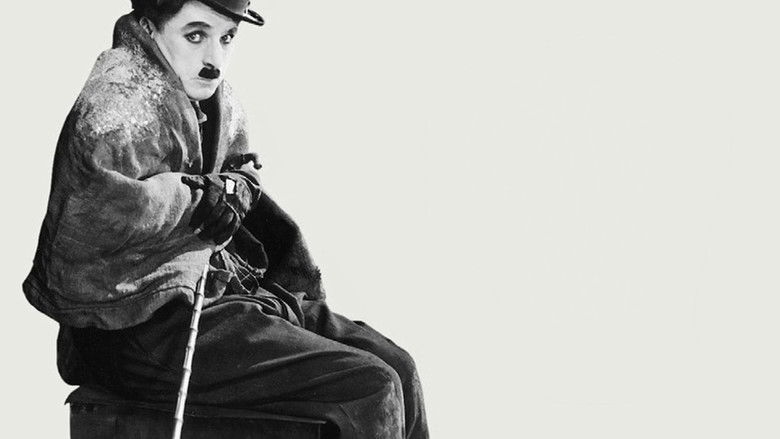
The Gold Rush
1925
-
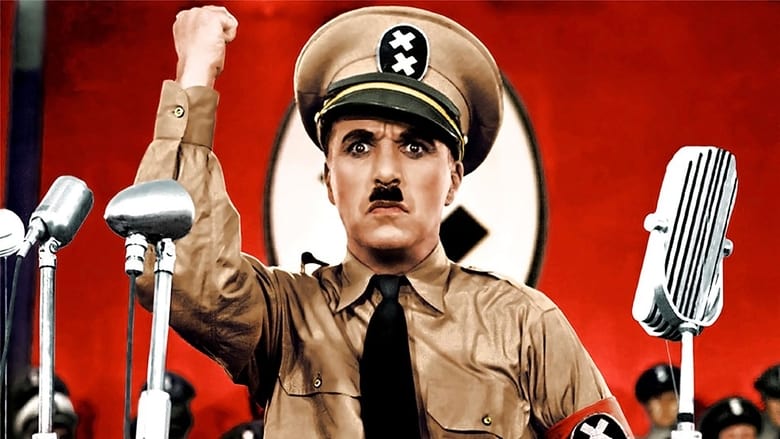
The Great Dictator
1940
-
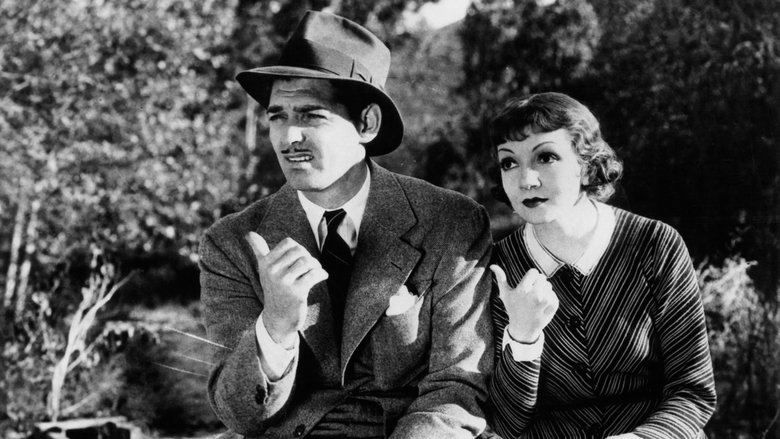
It Happened One Night
1934
-
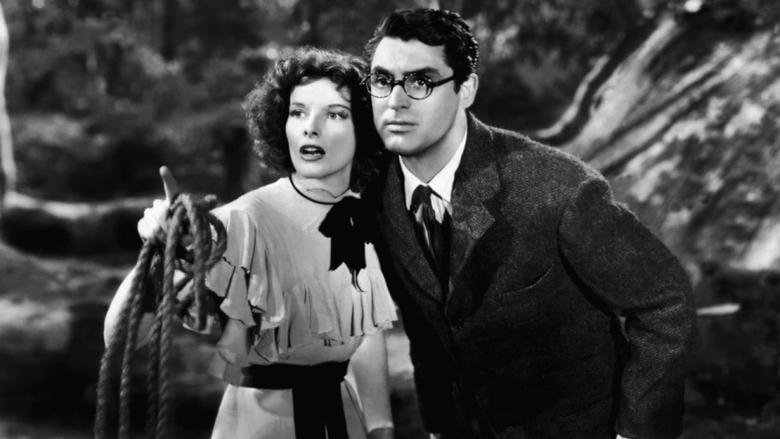
Bringing Up Baby
1938
-
Mr. Smith Goes to Washington
1939
-
Gone with the Wind
1939
-

Love, Simon
2018
-

Dilwale Dulhania Le Jayenge
1995
-
Sunrise: A Song of Two Humans
1927
-
Sabrina
1954
-
The Apartment
1960
-
Breakfast at Tiffany's
1961
-
Harold and Maude
1971
-
Annie Hall
1977
-
Manhattan
1979
-
The Postman
1994
-
10 Things I Hate About You
1999