Bringing Up Baby
"Chaos has a leopard, and his name is Baby."
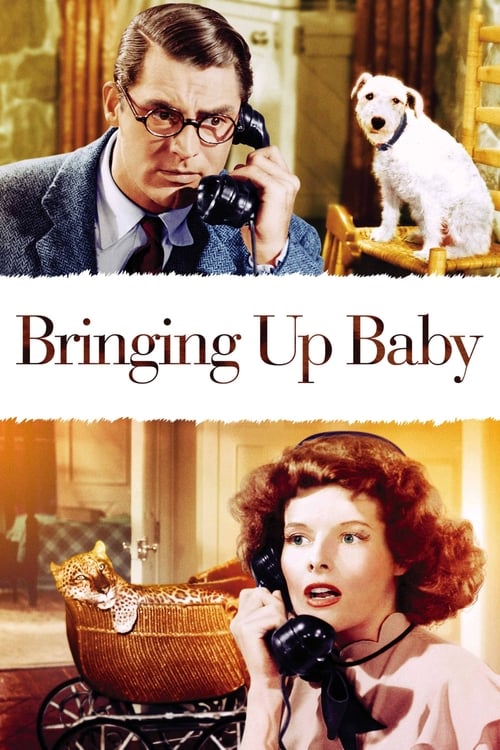
I watched Bringing Up Baby last Tuesday while eating a bowl of slightly stale popcorn that had the structural integrity of drywall. Strangely, the cardboard-like crunch of my snack felt like the perfect rhythmic accompaniment to the staccato, machine-gun dialogue of what is arguably the fastest movie ever made. If you’ve ever felt like your life was a series of escalating humiliations orchestrated by a charming lunatic, this is your cinematic North Star.
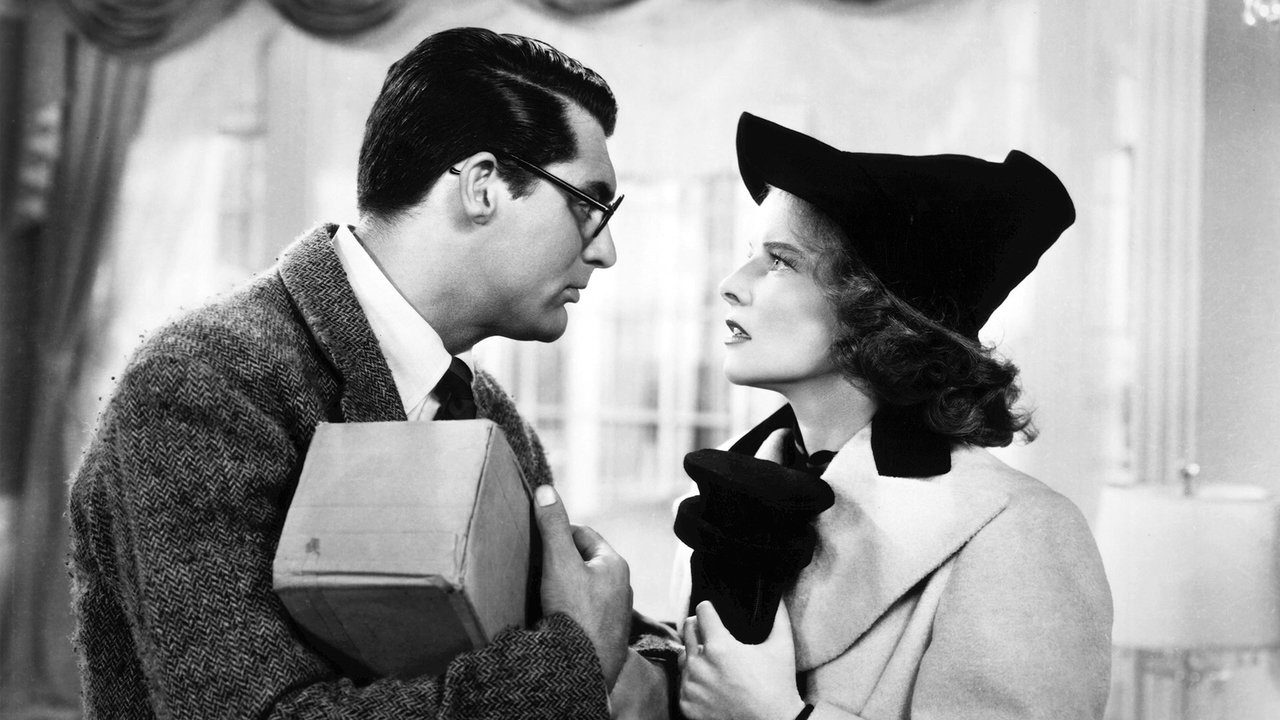
When Howard Hawks unleashed this film in 1938, audiences didn’t know what to do with it. It was such a financial disaster that the trade papers famously labeled Katharine Hepburn "box office poison." Looking back from the twenty-first century, that feels like a collective hallucination by the 1930s public. This isn’t just a comedy; it’s a controlled demolition of dignity, logic, and the very concept of the "serious man."
The Anatomy of a Nervous Breakdown
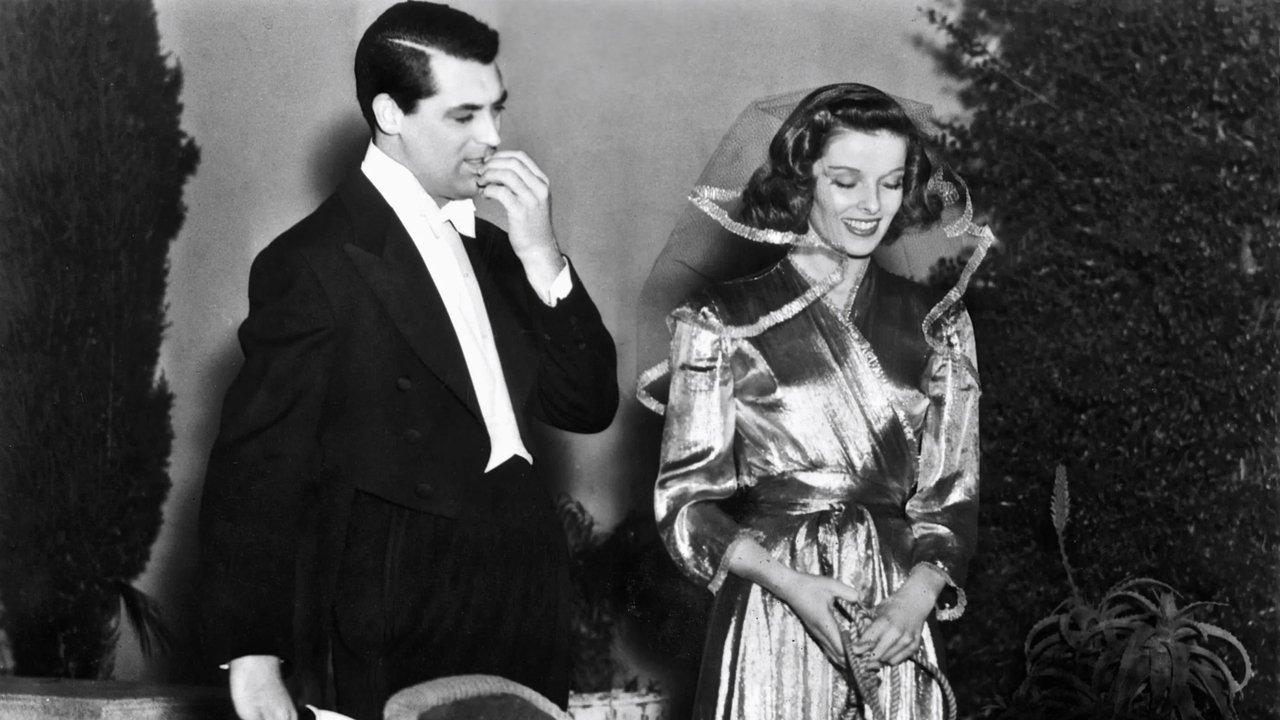
The premise is deceptively simple, the way a fuse is just a piece of string until you light it. Cary Grant plays David Huxley, a paleontologist who has spent four years trying to assemble a Brontosaurus skeleton. He’s one bone away from completion—the "intercostal clavicle"—and he’s also one day away from a marriage that promises all the passion of a library shelf. Enter Susan Vance, played by Katharine Hepburn with the energy of a category-five hurricane in a silk dress.
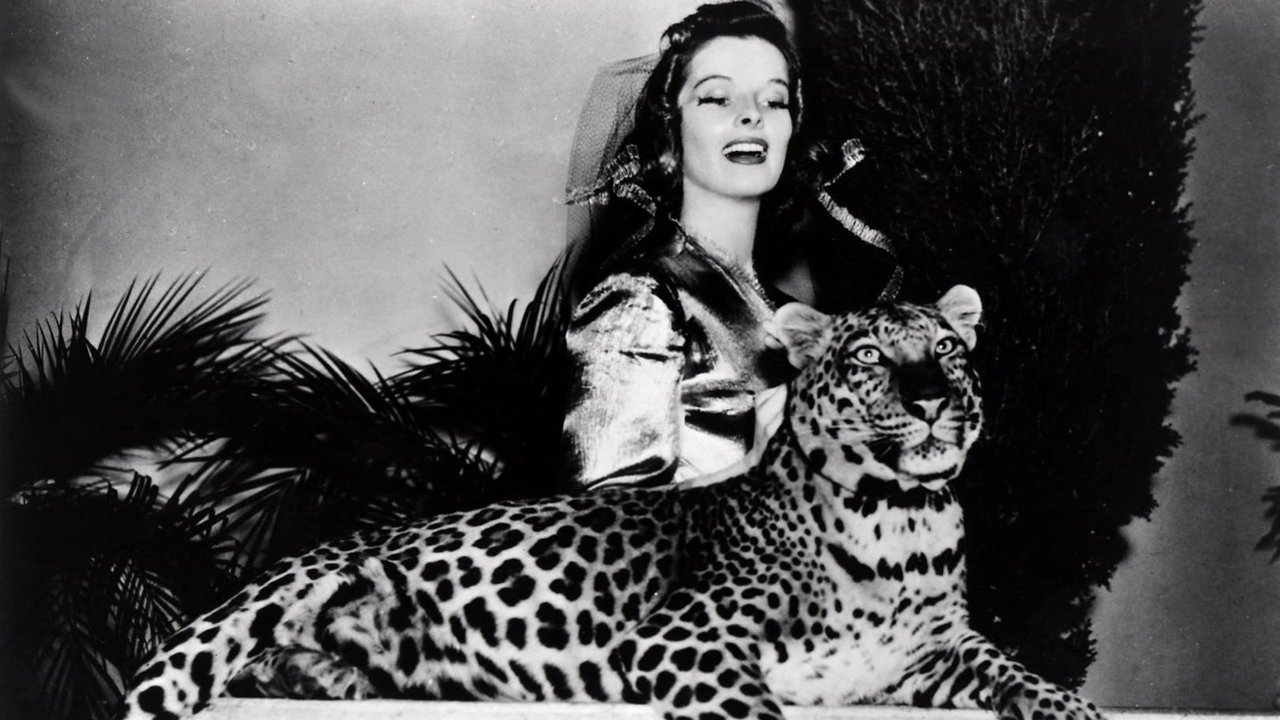
Susan doesn’t just meet David; she absorbs him. She steals his golf ball, then his car, then his sanity, and eventually drags him to a country estate involving a pet leopard named Baby and a terrier who buries David's precious dinosaur bone. Cary Grant in a marabou-trimmed negligee is the pinnacle of masculine crisis, and he plays the role with a frantic, wide-eyed desperation that makes you realize he was the greatest physical comedian of his era. Watching him try to maintain his "professor" persona while his life dissolves into a soup of escaped circus animals and jail cells is pure, unadulterated joy.
The Philosophy of the Screwball
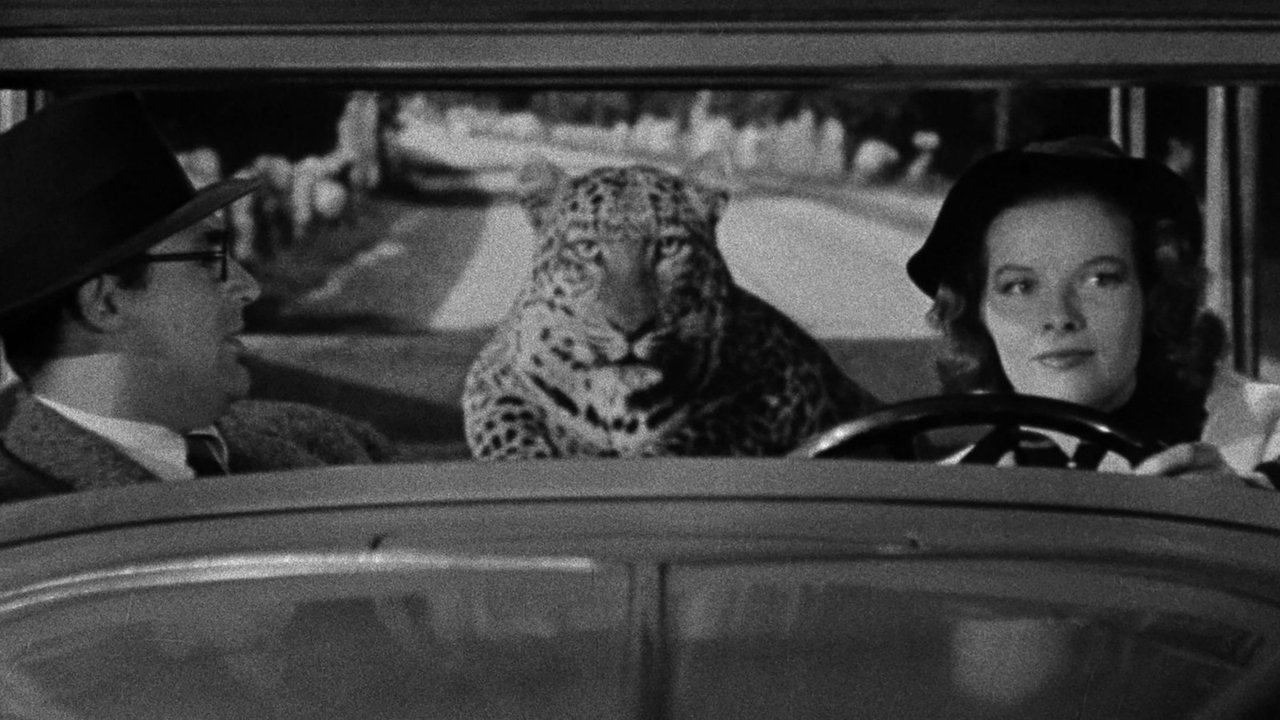
While the film is famous for its slapstick, there is a fascinating, almost cerebral layer to the chaos. Howard Hawks wasn’t just looking for laughs; he was exploring the total breakdown of social order. In the world of Bringing Up Baby, language itself starts to fail. David and Susan spend half the movie talking past each other, creating a linguistic labyrinth where words lose their meaning and only the "logic" of the moment remains.
There’s a deep, subtextual argument here about the sterile nature of intellectualism versus the messy, terrifying reality of being alive. David is a man of bones—dry, dead, and static. Susan is life—unpredictable, predatory (literally, she has a leopard), and impossible to categorize. For David to find happiness, the film suggests he must first allow his carefully constructed world to be pulverized. It’s a beautifully anarchic message: sometimes you have to lose your pants in a crowded country club to find your soul.
Behind the Snarls and Gags
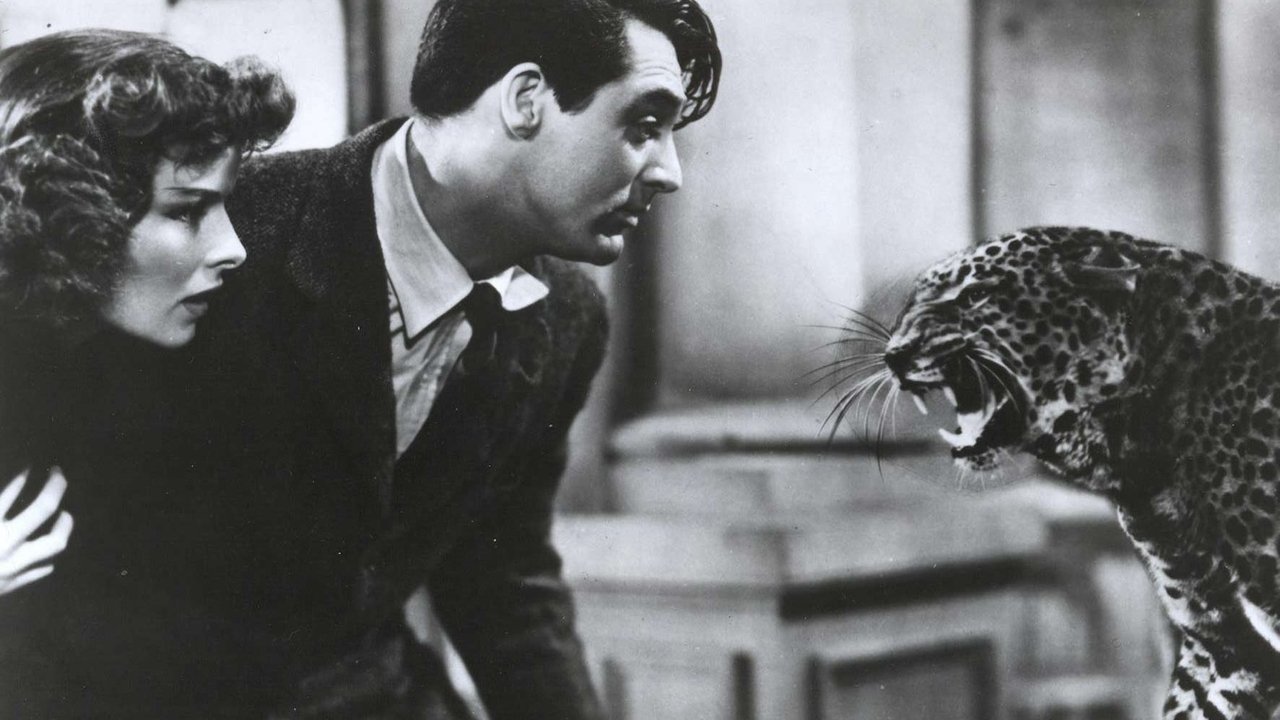
The production was its own kind of circus. Despite their effortless chemistry, Grant was reportedly terrified of the live leopard, Nissa, who played Baby. While Hepburn would casually pet the big cat and even put it in its trailer, Grant insisted on using a double for any scene where they had to be in close proximity. You can actually see the tension in his face during the scenes where the leopard is nearby—that’s not just acting; that’s a man genuinely worried about being turned into a snack.
The script, handled by Dudley Nichols and Hagar Wilde, was a masterpiece of "overlapping dialogue," a technique Hawks pioneered. He encouraged the actors to talk over one another, creating a wall of sound that felt more natural (and much funnier) than the polite, turn-taking dialogue of typical 1930s dramas. It gives the film a modern, kinetic energy that makes most contemporary comedies look like they’re standing still. Even the supporting cast, like Barry Fitzgerald as a perpetually tipsy gardener and Walter Catlett as a confused constable, operate at a level of comedic precision that is frankly intimidating.
Bringing Up Baby is the ultimate "comfort watch" for people who find comfort in total disaster. It’s a reminder that no matter how hard you try to curate your life, a leopard (or a Katharine Hepburn) is eventually going to come along and eat your intercostal clavicle. It’s fast, it’s loud, and it’s arguably the most perfect example of the screwball genre ever committed to celluloid. If you haven't seen it, you're missing out on the foundations of modern comedy; if you have, it’s probably time to go back to the museum and see if George the dog has finished with that bone yet.
Keep Exploring...
-
It Happened One Night
1934
-

City Lights
1931
-
Modern Times
1936
-
Mr. Smith Goes to Washington
1939
-
His Girl Friday
1940
-
The General
1926
-
The Philadelphia Story
1940
-

The Circus
1928
-
Stagecoach
1939
-
The Kid
1921
-

Gentlemen Prefer Blondes
1953
-

Singin' in the Rain
1952
-
The Apartment
1960
-
Annie Hall
1977
-
The Postman
1994
-

The Wizard of Oz
1939
-

Rio Bravo
1959
-
The Gold Rush
1925
-

Sunrise: A Song of Two Humans
1927
-
Sabrina
1954