Snow White and the Seven Dwarfs
"The gamble that gave a kingdom its crown."
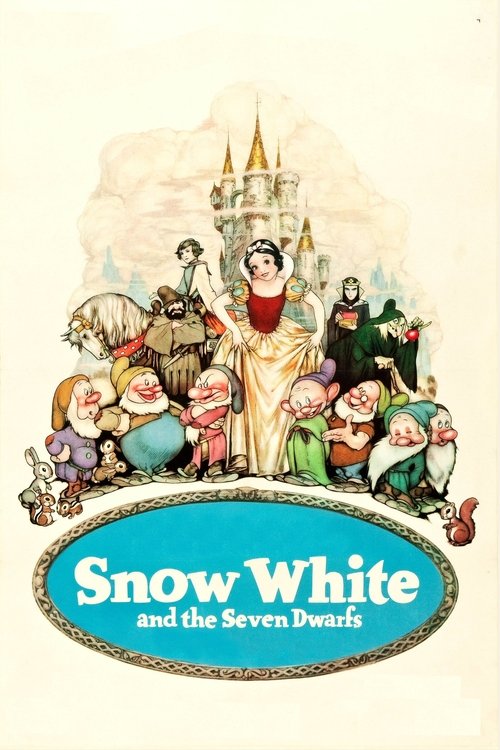
I’m sitting here thinking about how everyone in 1937 was convinced Walt Disney had finally lost his mind. They called it "Disney’s Folly." Spending nearly $1.5 million on a cartoon feature during the tail end of the Great Depression sounded like a fast track to bankruptcy. I watched this again last night on a slightly fuzzy screen while accidentally dropping a heavy glob of strawberry jam on my favorite white hoodie, and honestly, the stain was worth it. Even eighty-five years later, the sheer audacity of this film is enough to make your jaw hit the floor.

The Gamble That Built a Kingdom
Before Snow White and the Seven Dwarfs, animation was just the appetizer—short, "rubber-hose" style gags meant to kill time before the live-action feature started. Walt Disney (the man who gave us Steamboat Willie) wanted more. He wanted drama. He wanted the audience to forget they were looking at ink and paint. To do that, he had to invent entirely new ways of seeing.
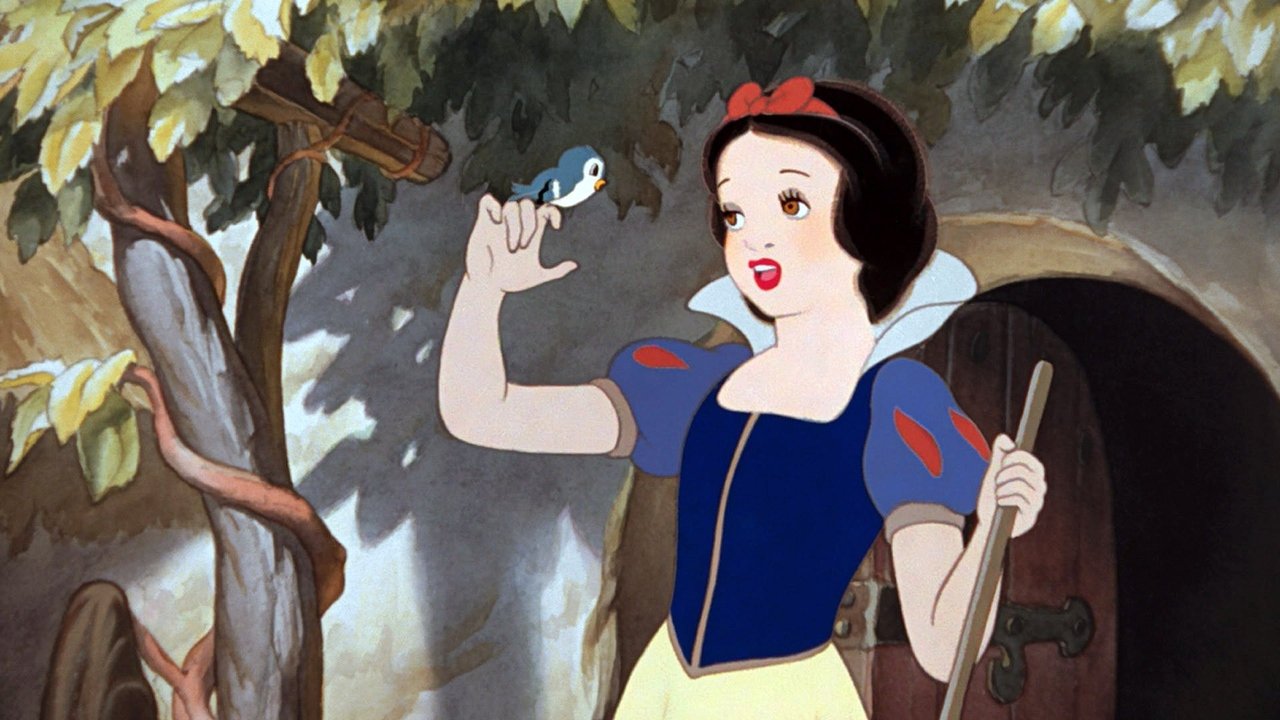
The use of the multiplane camera here is the real MVP. It gave the forest scenes a sense of depth that shouldn't exist on a flat surface. When Snow White flees into the woods, the layers of trees move at different speeds, creating a sense of three-dimensional claustrophobia. It’s a technique that feels prehistoric now in the age of CGI, but it carries a weight and a texture that pixels often miss. I felt like I was trapped in those brambles right along with her.
A Masterclass in Villainy
Let’s be real for a second: Snow White herself is a bit of a snooze. Adriana Caselotti provides a sugary, operatic trill that fits the era's sensibilities, but the character is essentially a sentient porcelain doll. The Prince, voiced by Harry Stockwell, is basically a handsome piece of cardboard with a decent singing voice. He shows up, looks pretty, and sings to a balcony.
The real meat of the drama, however, belongs to the Queen. Lucille La Verne delivers a performance that is genuinely unsettling. When she transforms into the Witch, the voice change isn't just a gimmick—it’s a psychological shift. The Queen represents a very human kind of horror: the rot of vanity and the terror of being replaced. In an era where cinema was still figuring out how to balance "talkies" with visual storytelling, the Queen’s silent, glaring presence in her mirror chamber is more effective than ten pages of dialogue. She isn't just a "cartoon villain"; she’s a Shakespearian tragedy in a purple robe.
The Seven-Part Heart
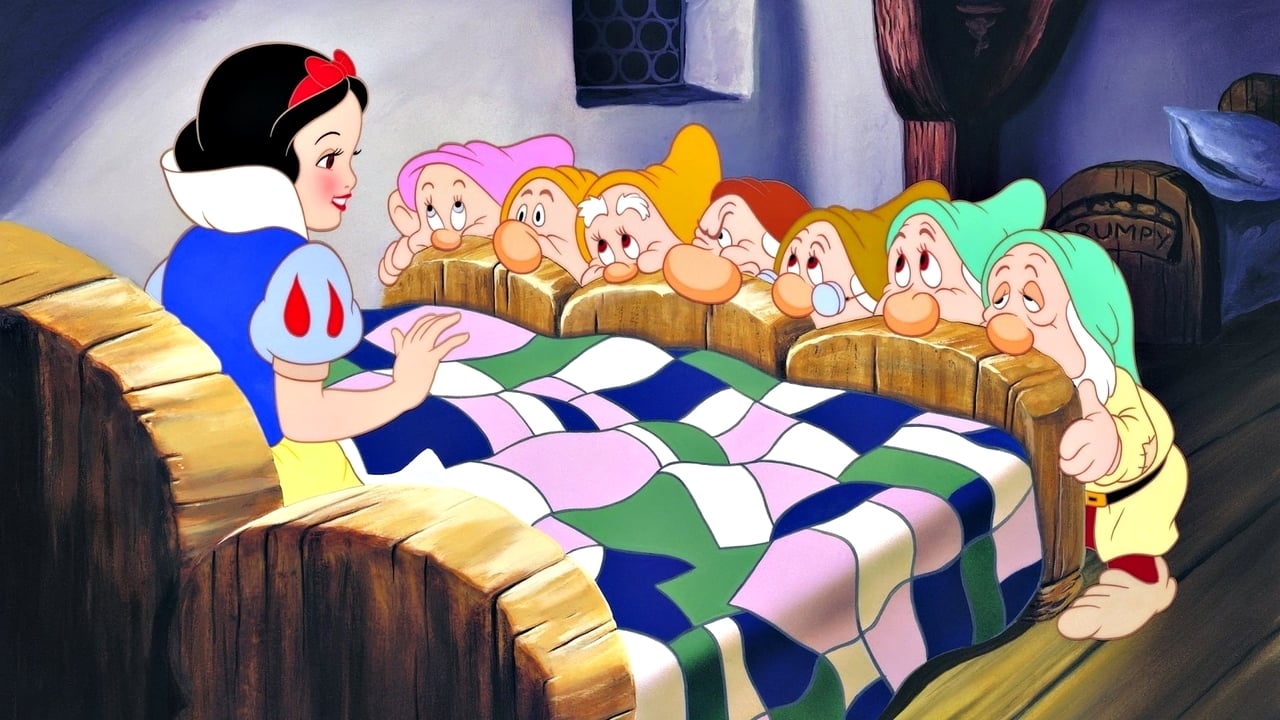
Then there are the dwarfs. This is where the film’s status as a blockbuster is most apparent. Walt Disney knew he needed personality to sell the spectacle. Roy Atwell as Doc and Otis Harlan as Happy bring the levity, but Pinto Colvig pulls off a miraculous double-act as both Sleepy and Grumpy.
The "drama" here isn't just the fight against the Queen; it’s the domestic life of these seven distinct personalities. The scene where they mourn Snow White’s "death" is arguably the moment feature animation was born. I’ve seen this movie a dozen times, and the sight of Grumpy—the guy who spent the whole movie acting like he didn't care—sobbing into his hands still gets me. It earned those tears. It wasn't just a technical achievement; it was an emotional one.

The $184 Million Aftermath
The scale of this film’s success is hard to wrap your head around. It didn't just succeed; it dominated. It hauled in over $184 million (and that’s in 1930s/40s money), becoming the highest-grossing sound film of its time for a while. It launched a merchandising empire—everything from drinking glasses to soap figurines—and it literally built the Disney studio in Burbank.
Without this "folly," we don't get Pinocchio, we don't get Fantasia, and we certainly don't get the modern blockbuster landscape. It was a cultural earthquake. When the Academy gave Walt Disney one full-sized Oscar and seven miniature ones for the film, it wasn't just a cute gesture; it was a surrender. The industry realized that animation was no longer a side-show.
Ultimately, Snow White and the Seven Dwarfs is a miracle of hand-crafted labor. In a world of digital shortcuts, looking at the hand-painted backgrounds and the fluid, rotoscoped movements of the characters feels like looking at a lost art form. The forest scene is a better horror movie than most of the 1930s Universal monster flicks, and the emotional payoff remains remarkably sturdy. If you haven't sat down with it in a few years, do yourself a favor and dive back in. Just keep the jam away from your clothes.
Keep Exploring...
-
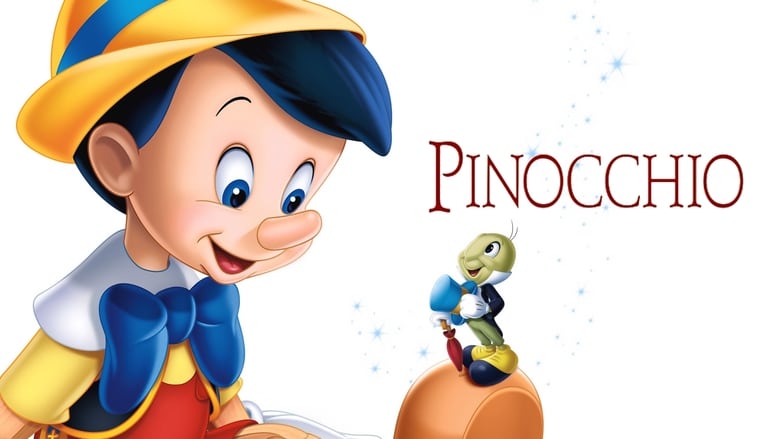
Pinocchio
1940
-
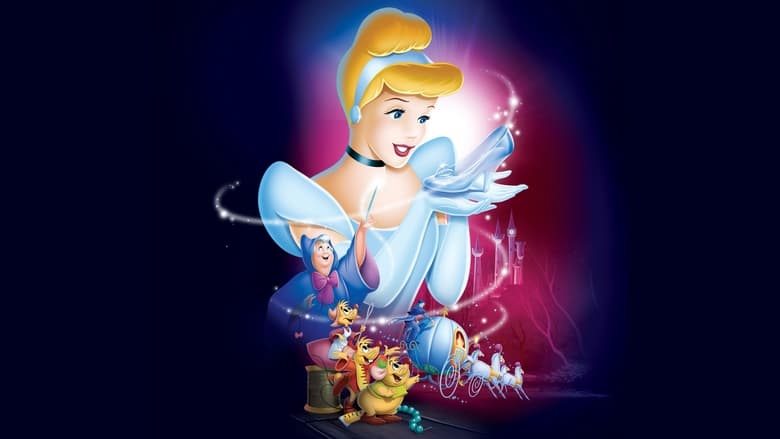
Cinderella
1950
-
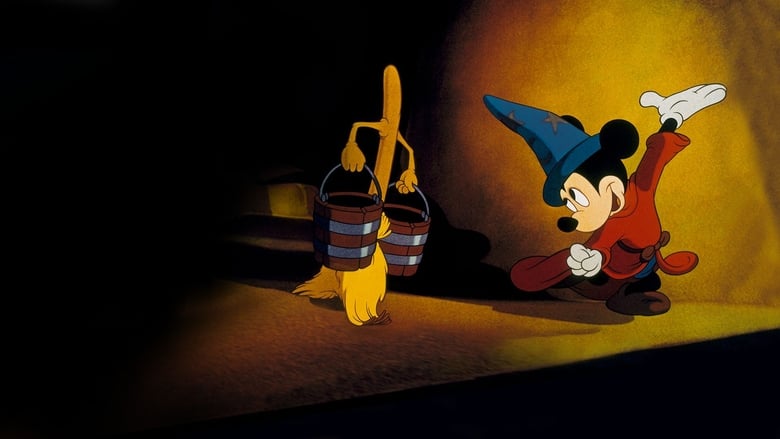
Fantasia
1940
-
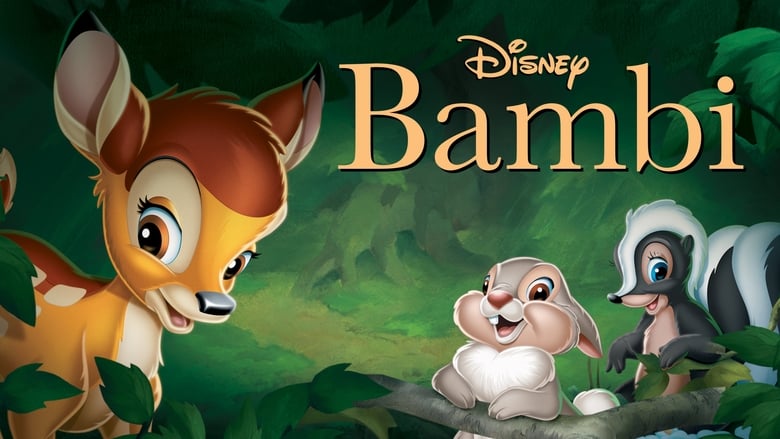
Bambi
1942
-
Alice in Wonderland
1951
-
Peter Pan
1953
-
Dumbo
1941
-

The Wizard of Oz
1939
-

Lady and the Tramp
1955
-
The Rescuers
1977
-
The Little Mermaid
1989
-
Beauty and the Beast
1991
-

Aladdin
1992
-
Shrek
2001
-
Shrek 2
2004
-

The SpongeBob SquarePants Movie
2004
-
Ratatouille
2007
-
Horton Hears a Who!
2008
-
Coraline
2009
-
How to Train Your Dragon
2010