The Lady Vanishes
"No one is innocent when the tea goes cold."
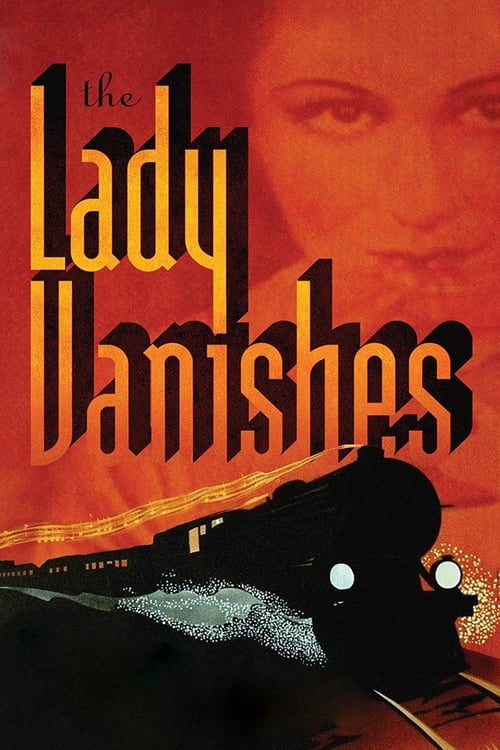
In 1938, the world was bracing for a collapse, but Alfred Hitchcock was busy building a fictional country called Mandrika inside a cramped London studio. The Lady Vanishes isn't just a lighthearted mystery on tracks; it’s a masterstroke of mounting paranoia released at the exact moment European borders were starting to feel like traps. While modern audiences might know "The Master of Suspense" primarily for his Technicolor nightmares or showers in Phoenix, this British swan song is where his signature blend of icy dread and sardonic wit truly crystallized.
I watched this on a rainy Tuesday while my neighbor was aggressively power-washing his driveway, and the rhythmic, metallic drone weirdly synced up with the chugging of the train tracks on screen. It added a layer of industrial anxiety that I think Hitchcock would have appreciated.
The Psychology of the Vanishing Act
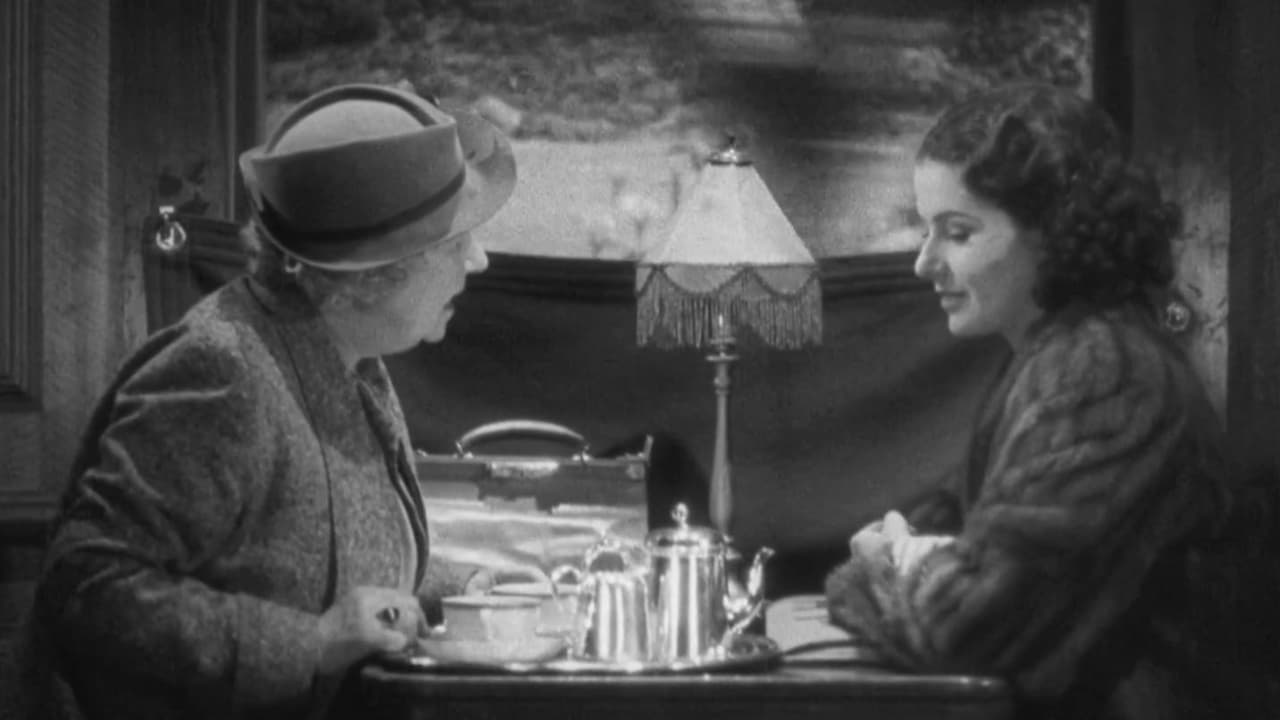
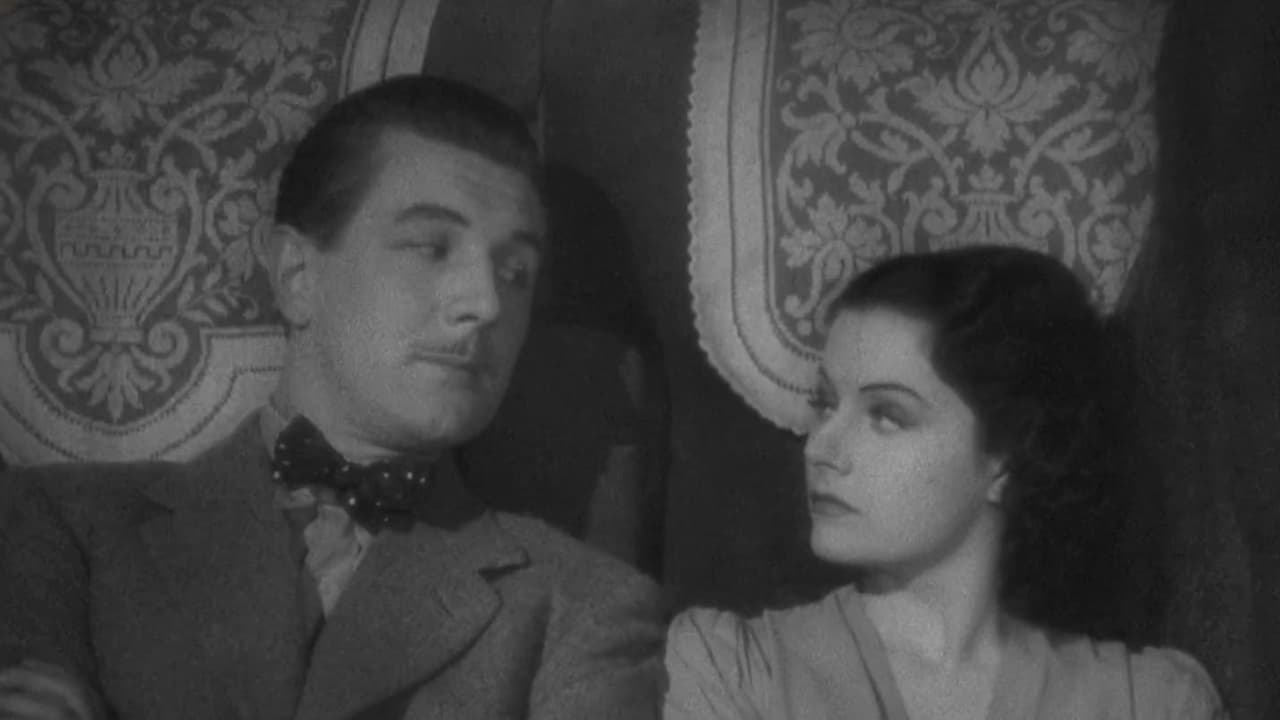
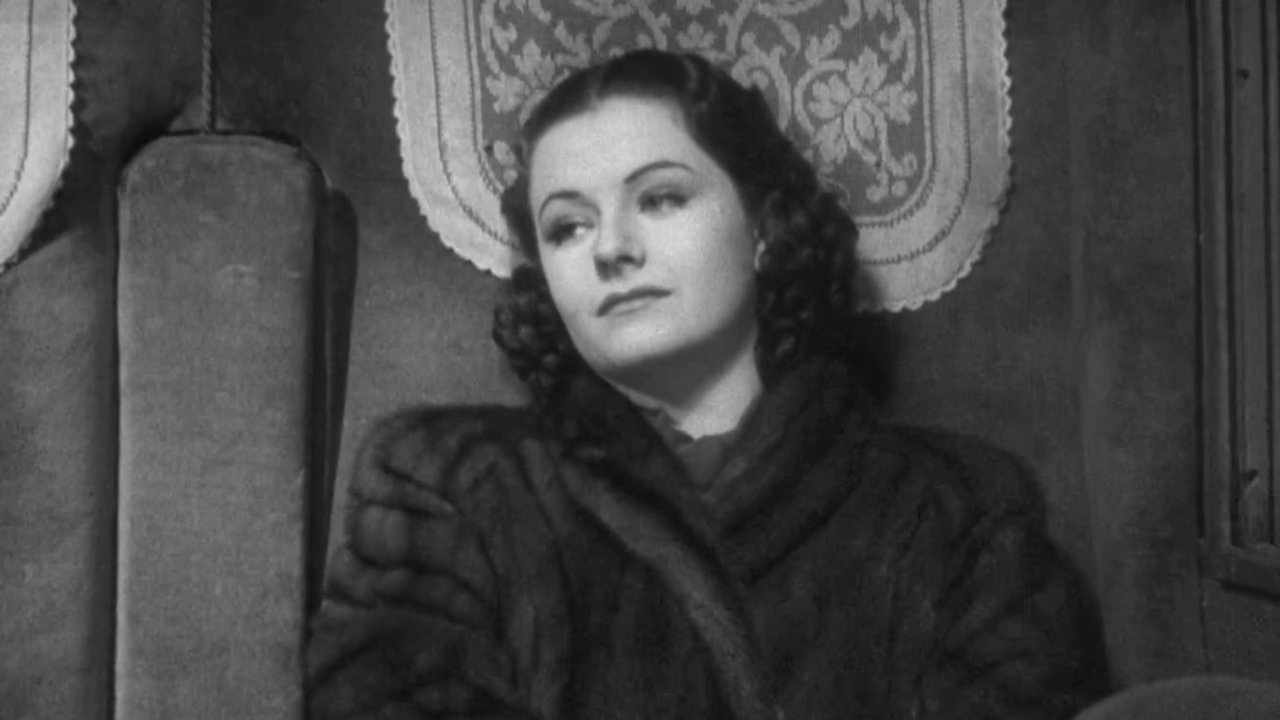
The premise is deceptively simple: Iris Henderson (Margaret Lockwood), a wealthy socialite heading home to get married, befriends an unassuming governess named Miss Froy (May Whitty) on a train. After a brief nap, Iris wakes up to find the old woman gone. The real horror begins when every other passenger on the train—from the high-society lovers to the cricket-obsessed buffoons—flatly denies that Miss Froy ever existed.
This is gaslighting in its most literal, cinematic form. Lockwood plays Iris with a sharp, modern edge that keeps her from feeling like a Victorian damsel; she is frantic but fiercely intelligent. As she wanders the narrow corridors of the train, the film shifts from a cozy comedy of manners into something far more claustrophobic. Hitchcock uses the physical limitations of the set—a mere 90-foot long model—to squeeze the air out of the room. You start to feel Iris’s isolation. If everyone is lying, then the entire world is a conspiracy, and the polite smiles of your fellow travelers are just masks for something much more sinister.
A Duo for the Ages
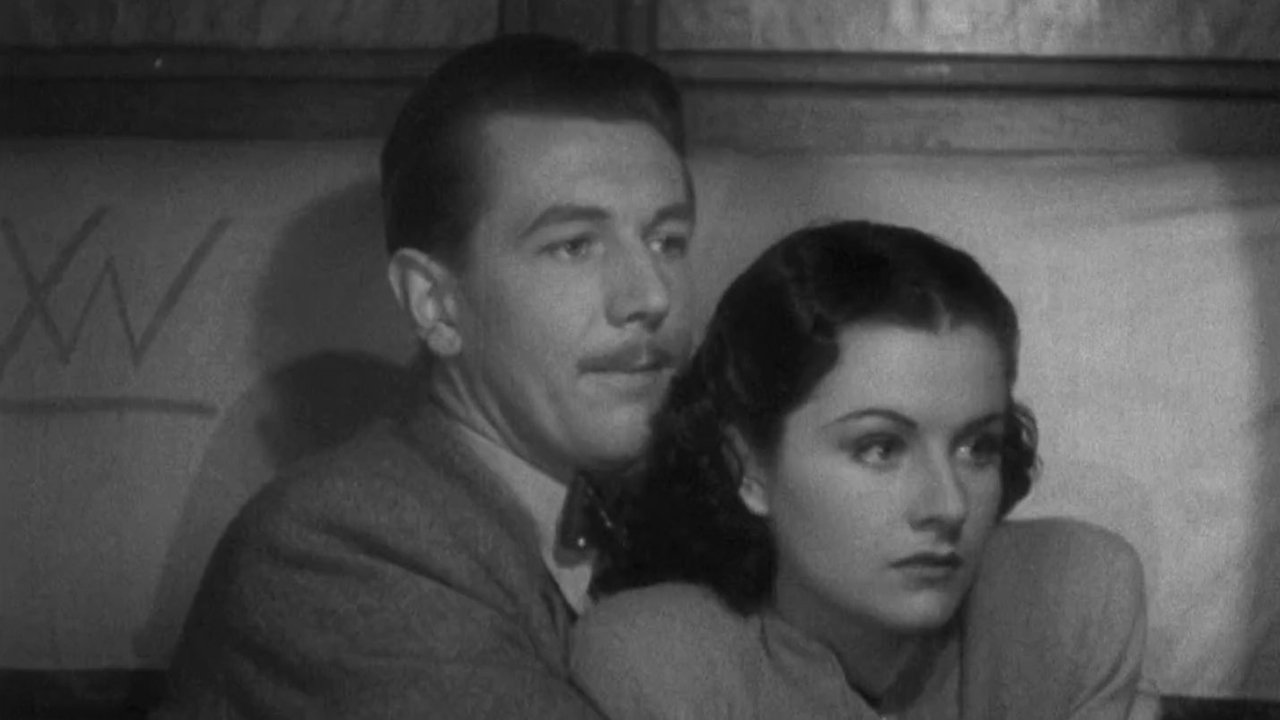
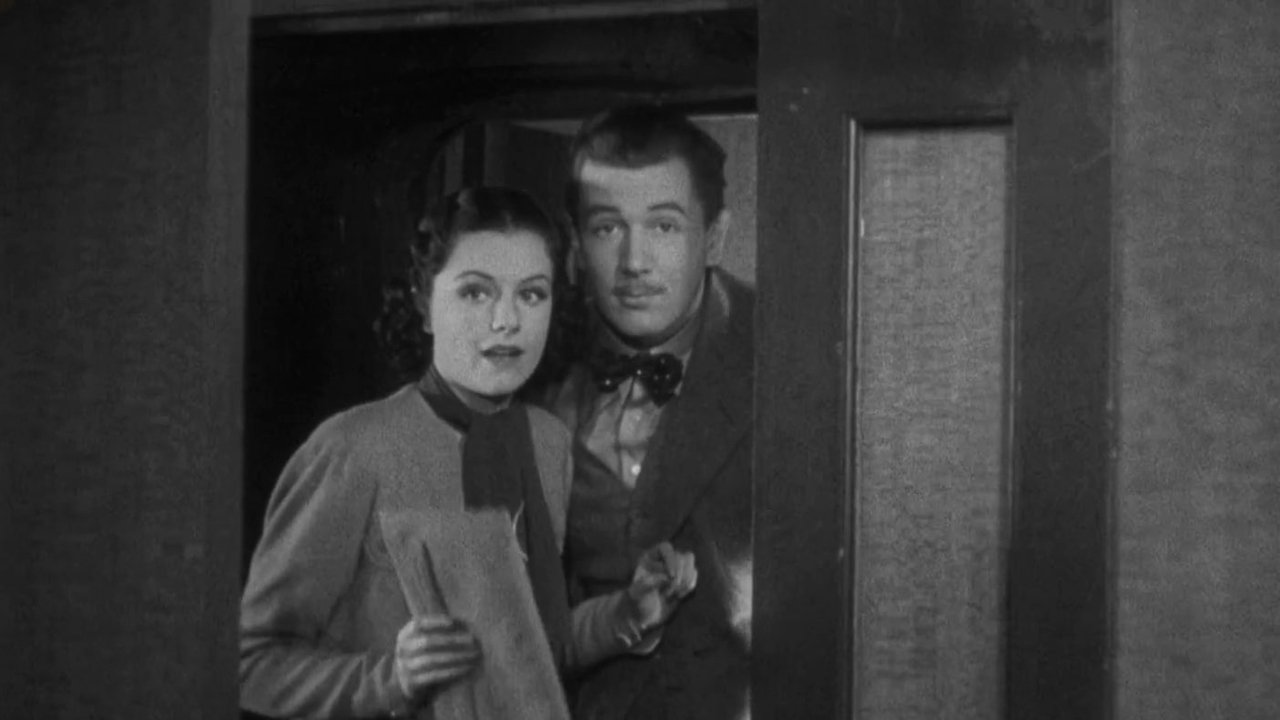
To help her navigate this locomotive maze, we get Michael Redgrave in his film debut as Gilbert, a musicologist who initially seems like a nuisance but quickly becomes the Watson to Iris’s Holmes. Their chemistry is the engine of the film. It’s a classic "screwball" dynamic, but under the threat of international espionage, their banter feels like a survival mechanism.
However, the real scene-stealers are Basil Radford and Naunton Wayne as Charters and Caldicott. They are the ultimate "British" characters—two men so obsessed with reaching England in time for a cricket match that they are willing to ignore a potential kidnapping (and later, a shootout) just to keep the schedule moving. The cricket-obsessed duo are basically the patron saints of 'not my problem' foreign policy. Their inclusion is a biting critique of British isolationism and apathy during the rise of fascism. It’s funny, yes, but in the context of 1938, their refusal to acknowledge the truth is downright chilling.
Innovation Within Constraints
Technically, The Lady Vanishes is a miracle of "making do." Because the production couldn't afford a real train or expansive locations, Hitchcock leaned heavily on rear projection and miniatures. While a modern eye can easily spot the model train chugging through the "avalanche," it doesn't matter. The artifice adds to the dreamlike, almost surreal quality of the mystery. The director was essentially inventing the grammar of the thriller in real-time. Notice how he uses the "whispering" of the train tracks and the sudden silence when the train stops to manipulate your pulse.
There’s also the matter of the "MacGuffin"—the secret message hidden in a musical tune. It’s a classic Hitchcock trope, emphasizing that the thing everyone is fighting over is less important than the psychological toll the fight takes on the characters. The film captures a very specific pre-WWII tension: the sense that Europe is a powder keg and that the person sitting across from you in the dining car might be the one to light the fuse.
Why It Still Bites
Many films from the late 30s feel like museum pieces, but The Lady Vanishes has a narrative velocity that puts modern blockbusters to shame. It manages to be a dark exploration of memory and collective denial while still being an absolute blast to watch. It’s a reminder that Hitchcock didn’t need a massive budget or psychological depth charges to unnerve an audience; he just needed a closed door and a group of people who refuse to tell the truth.
The film eventually fell into a bit of a "forgotten" category for a few decades as Hitchcock’s American output overshadowed his Gainsborough Pictures era. For years, it was mostly available in grainy, public-domain prints that looked like they were filmed through a bowl of oatmeal. Thankfully, recent restorations have brought back the crispness of Jack E. Cox’s cinematography, allowing us to see the beads of sweat and the subtle, shifty glances that make the mystery work.
If you’ve never dipped your toes into the "British Hitchcock" era, this is the perfect place to start. It’s a lean, mean, 96-minute masterclass in how to build tension without ever leaving a single hallway. By the time the train reaches its destination, you’ll be questioning your own senses and perhaps looking a bit more suspiciously at the elderly lady sitting across from you at the cafe. It’s a timeless piece of entertainment that proves some mysteries never truly go out of style.
---
Keep Exploring...
-
The 39 Steps
1935
-
Shadow of a Doubt
1943
-
Suspicion
1941
-
To Catch a Thief
1955
-
The Man Who Knew Too Much
1956
-
Marnie
1964
-

Rebecca
1940
-
Spellbound
1945
-
Notorious
1946
-
Rear Window
1954
-

Vertigo
1958
-

Frenzy
1972
-
Strangers on a Train
1951
-
The Maltese Falcon
1941
-

Psycho
1960
-
The Big Sleep
1946
-
Rope
1948
-
Dial M for Murder
1954
-
Diabolique
1955
-
North by Northwest
1959