Gone with the Wind
"A world burns while a heart hardens."
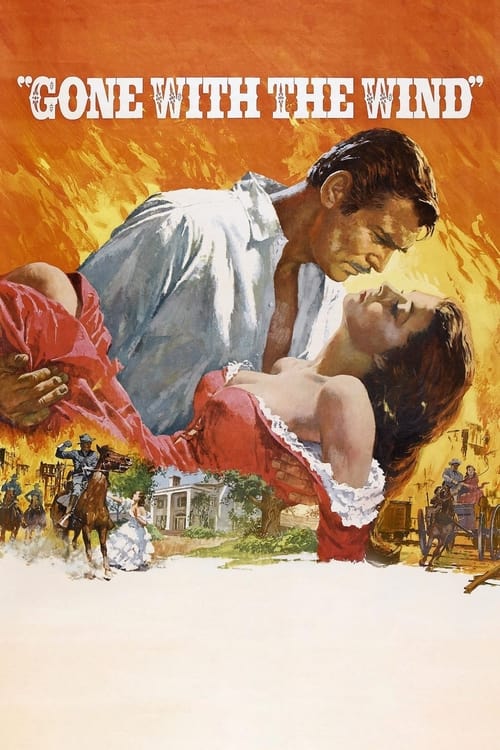
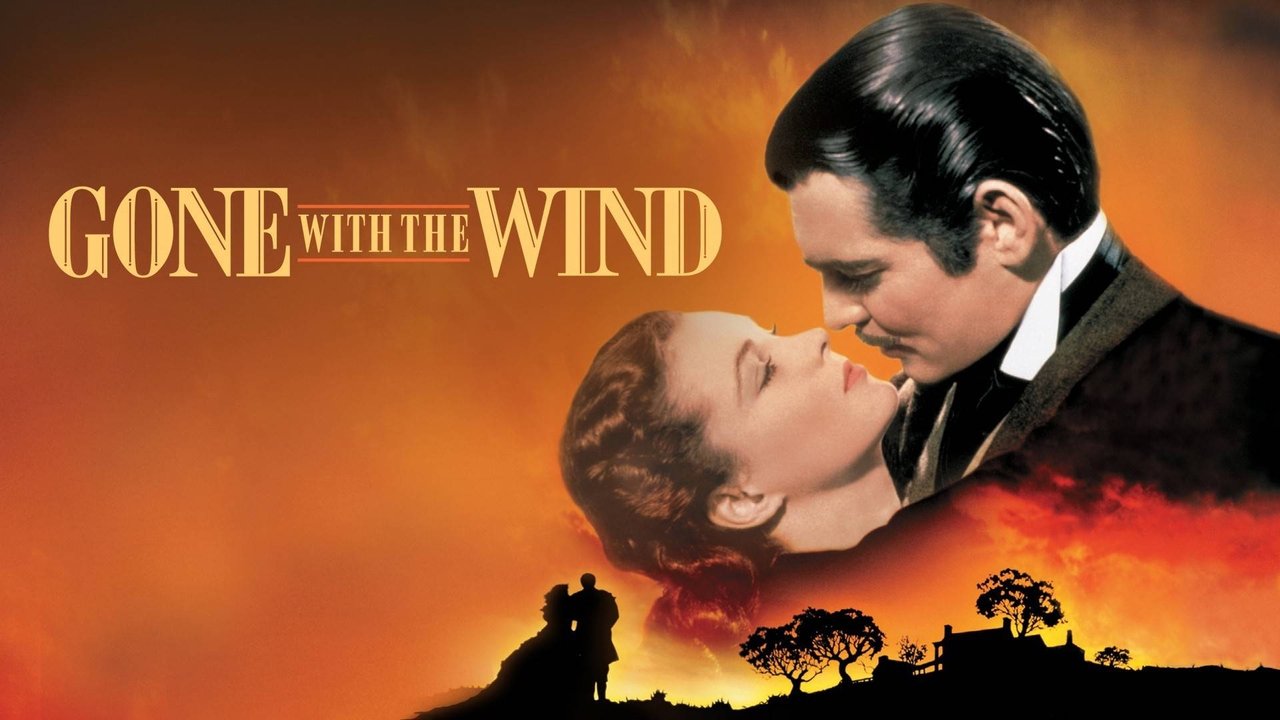
The sheer, ego-driven audacity required to produce a four-hour epic about a deeply unlikable woman surviving the collapse of a slave-holding civilization is something we just don't see anymore. By the time the intermission title card crawled onto the screen during my latest viewing—right as I realized I’d let my coffee go stone-cold while staring at a Technicolor sunset—I was struck by how Gone with the Wind remains the ultimate cinematic monolith. It isn’t just a movie; it’s a weather system. It’s the final, thundering exclamation point on the 1930s, a decade where Hollywood learned how to dream in color and then decided to set those dreams on fire.
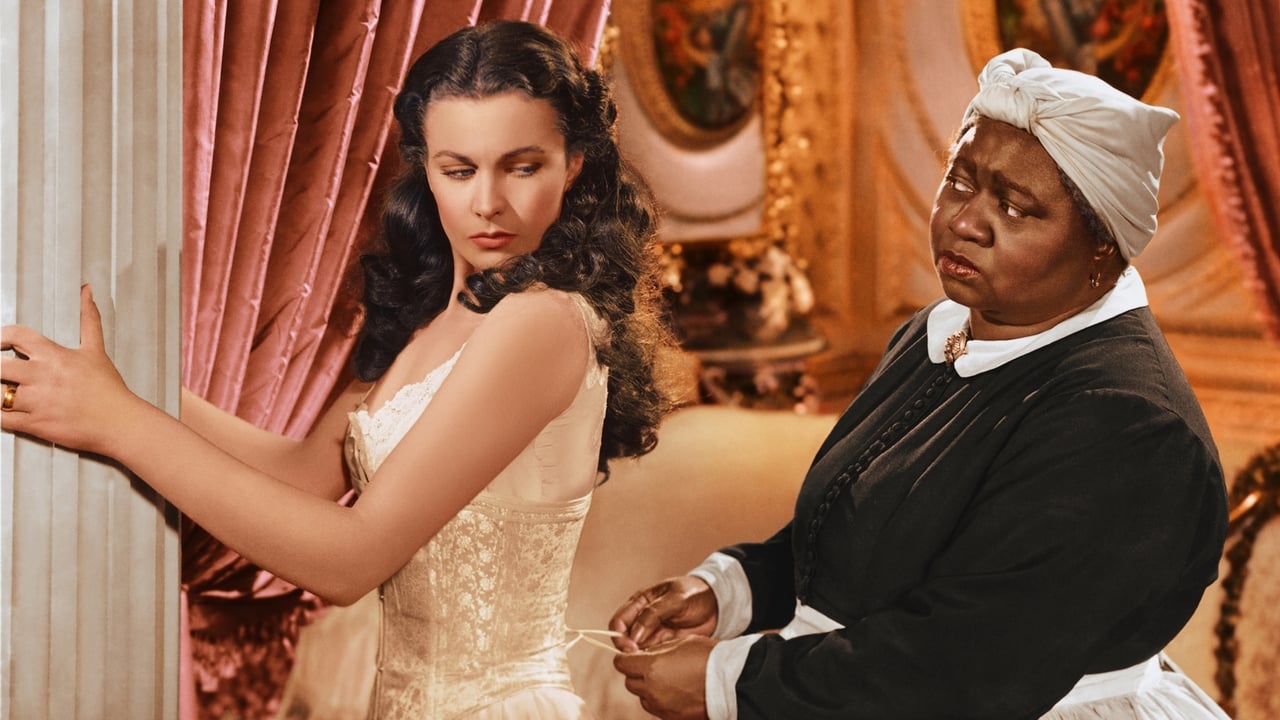
The Ultimate Anti-Heroine in a Green Curtain
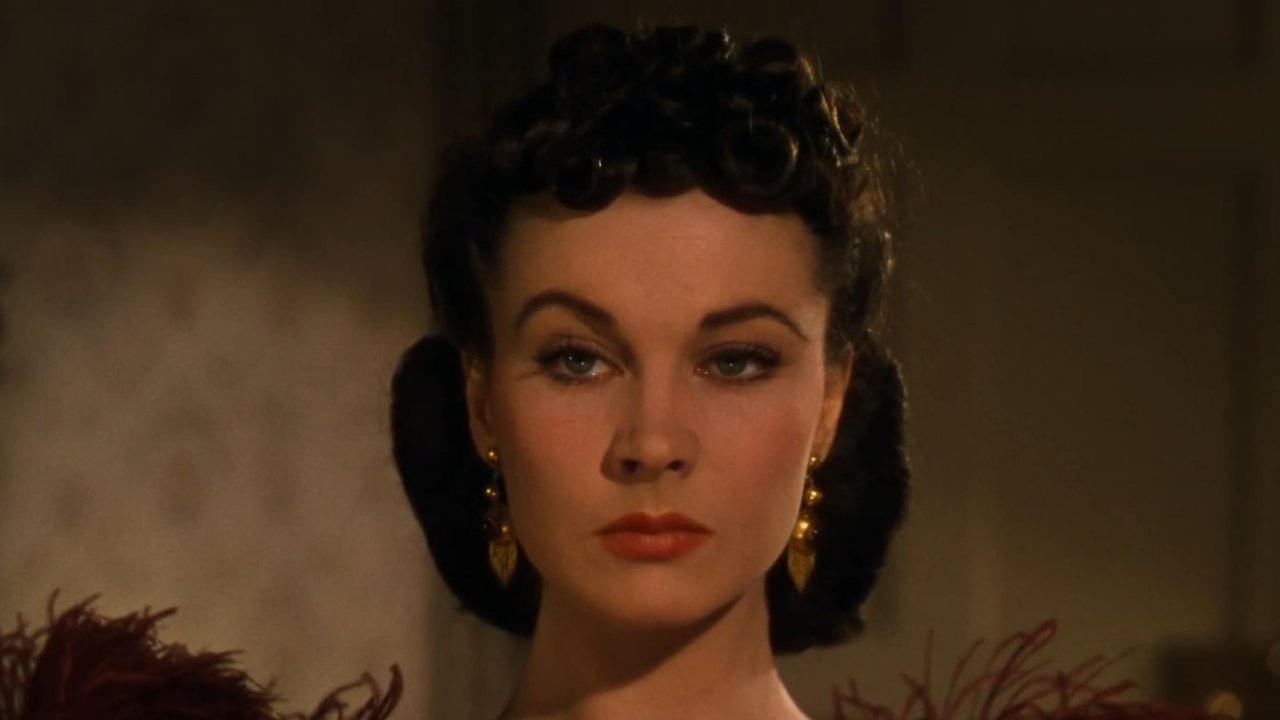
At the center of this hurricane is Vivien Leigh as Scarlett O'Hara. If you haven't revisited this film recently, you might forget just how modern and abrasive Scarlett feels. She is manipulative, vain, and remarkably short-sighted, yet Vivien Leigh plays her with a desperate, clawing hunger for survival that I find impossible to look away from. There’s a specific nuance in her performance—the way her eyes dart when she’s calculating a lie—that makes her one of the most complex "protagonists" to ever grace a prestige picture.
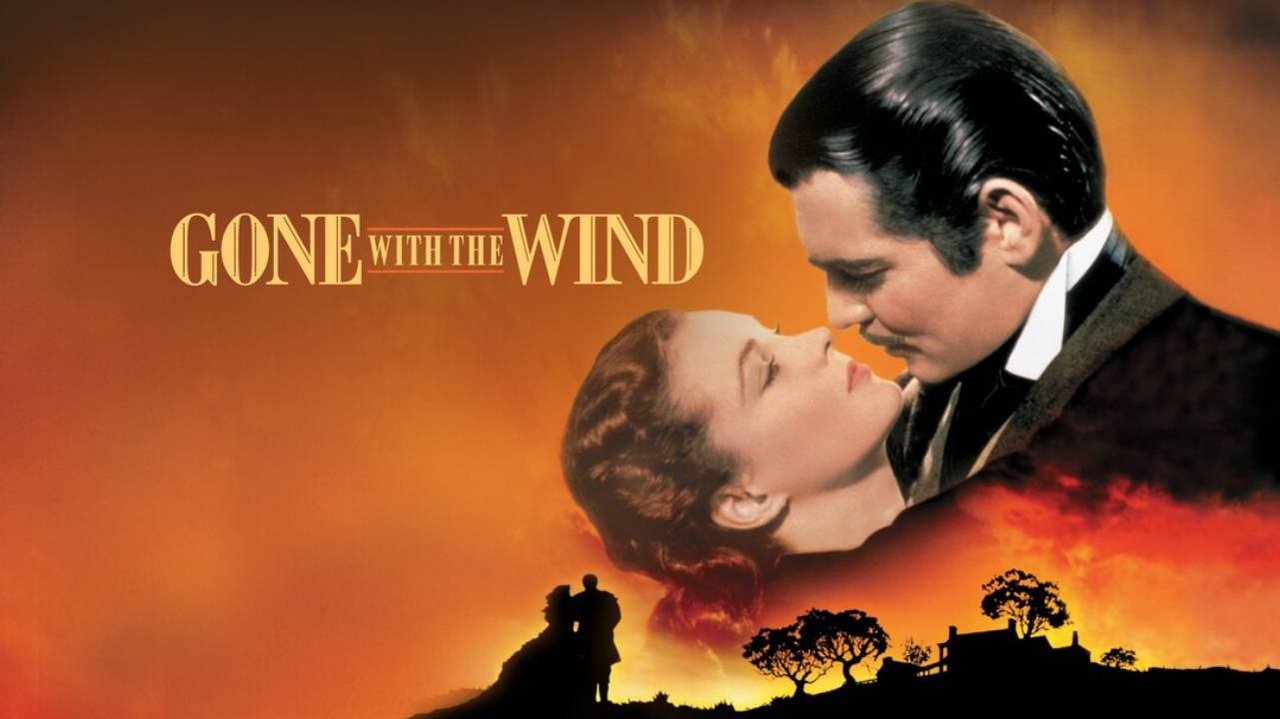
She is perfectly countered by Clark Gable's Rhett Butler. Gable brings a weary, cynical masculinity to the role that feels decades ahead of the stiff, theatrical acting common in early talkies. When they are on screen together, the chemistry isn’t just romantic; it’s combustible. They are two sharks circling one another in a blood-dimmed sea. In contrast, Leslie Howard as Ashley Wilkes is the film’s necessary vacuum—I’ll say it: Ashley Wilkes has all the charisma of a damp paper bag. But that’s the point. Scarlett is chasing a ghost of a gentler world that never truly existed, while the real world (and Rhett) is burning down around her.
A Technicolor Inferno and the Selznick Obsession
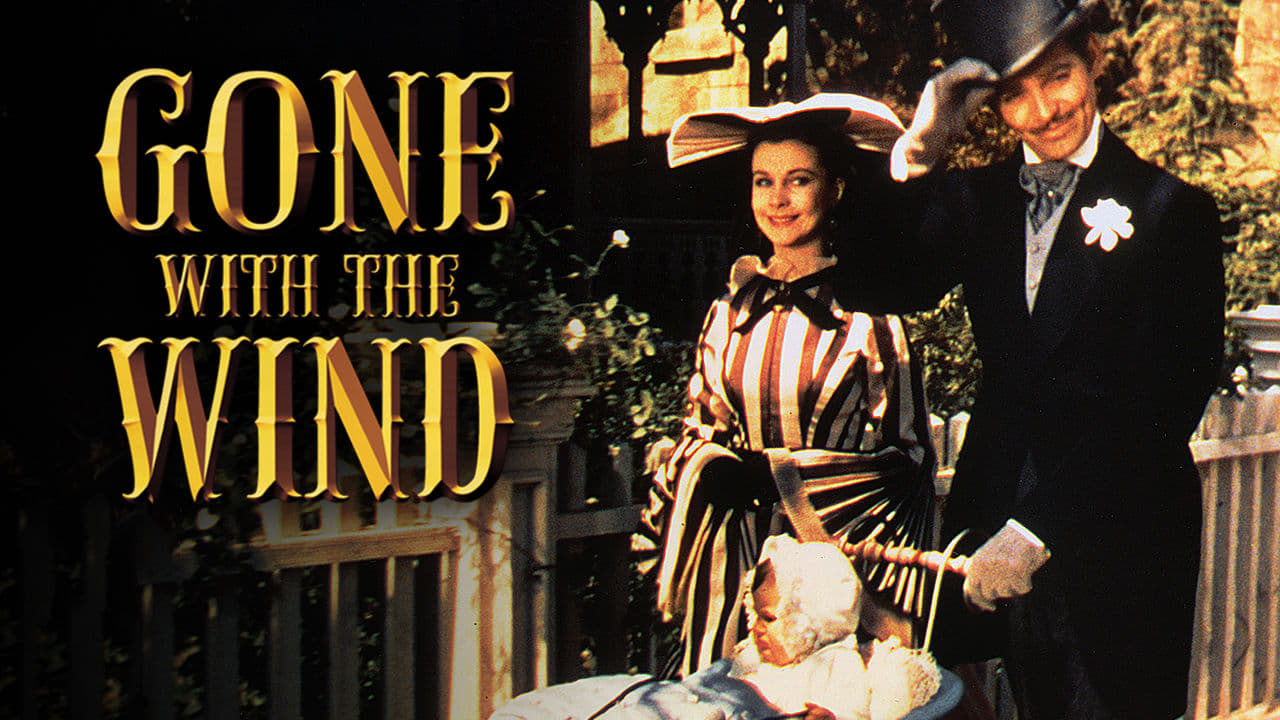
The production history of this film is a rabbit hole of madness. Producer David O. Selznick was so obsessed with perfection that he burned through multiple directors, though Victor Fleming eventually wrestled the beast to the finish line. One of my favorite pieces of trivia is that the "Burning of Atlanta" scene used the old sets from King Kong (1933) and The Garden of Allah as fuel. They literally torched the history of cinema to make room for this new, gargantuan vision.
The cinematography by Ernest Haller is where the film’s "prestige" status is truly earned. This was the era of "Great Big Cinema," and the use of three-strip Technicolor here is staggering. The way the shadows fall across Scarlett's face during her "starving" monologue, or the horrific, sweeping crane shot of thousands of wounded soldiers at the Atlanta depot, wasn't just impressive for 1939—it’s still jaw-dropping today. It’s a reminder that before CGI, if you wanted a spectacle, you had to build a city and then find a way to make it look like the end of the world.
The Heavy Shadow of the Lost Cause
We have to talk about the darkness inherent in this story. Viewing Gone with the Wind today requires a complicated mental dance. It paints a romanticized, "Lost Cause" picture of the American South that is historically fraudulent and, at times, deeply uncomfortable. However, within that framework, Hattie McDaniel delivers a performance as Mammy that transcends the script's limitations. She became the first African American to win an Academy Award, and watching her, you can see why. She provides the film’s only true moral compass, her eyes carrying a weight of exhaustion that anchors the melodrama in something resembling human truth.
The film handles the trauma of war with a surprisingly grim hand. This isn't a sanitized "victory" story; it's a movie about loss, starvation, and the ugly things people do to stay alive. The score by Max Steiner reinforces this intensity—it's sweeping, yes, but it also has a frantic, discordant quality during the siege of Atlanta that mirrors the psychological breakdown of the characters. I once tried to bake a loaf of sourdough during the second act and forgot about it entirely because the tension of the escape from the city was so palpable; I ended up with a charred brick, which felt oddly thematic.
Gone with the Wind is a masterpiece of craftsmanship and a minefield of history. It’s the definitive example of the "Prestige Epic," a film that demanded the world's attention and has held it for nearly a century through sheer force of will. While its politics are a relic of a different age, its study of human resilience—and the toxic nature of obsession—remains sharp. It is a long, demanding, and visually sumptuous journey that reminds me why we go to the movies: to see a world bigger than our own, even if that world is destined to crumble.
Keep Exploring...
-
Modern Times
1936
-
Barry Lyndon
1975
-
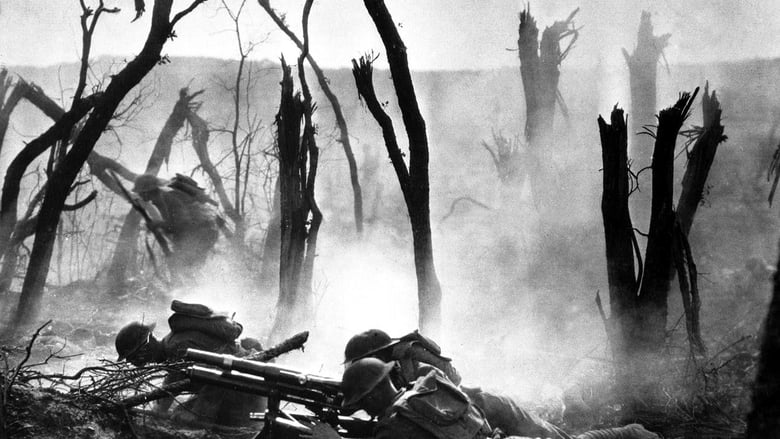
All Quiet on the Western Front
1930
-
Battleship Potemkin
1925
-
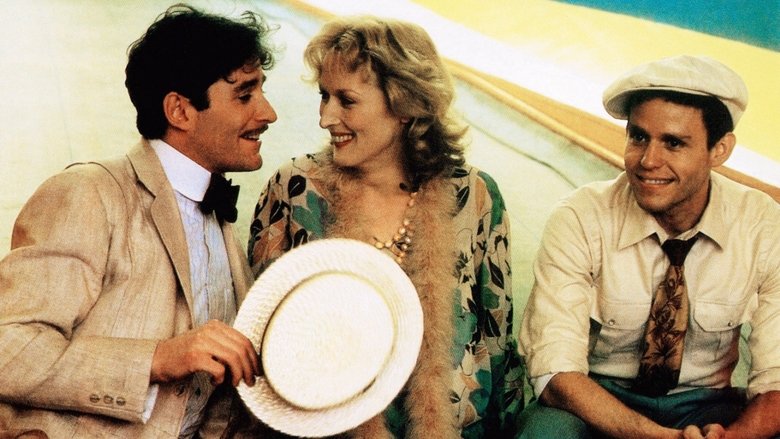
Sophie's Choice
1982
-

Legends of the Fall
1994
-
The English Patient
1996
-
Enemy at the Gates
2001
-
Paths of Glory
1957
-

The Wizard of Oz
1939
-
Doctor Zhivago
1965
-

A Very Long Engagement
2004
-
Joyeux Noel
2005
-
The Wind Rises
2013
-
Suite Française
2015
-
The General
1926
-

City Lights
1931
-
The Deer Hunter
1978
-

Apocalypse Now
1979
-
Full Metal Jacket
1987