Mr. Smith Goes to Washington
"One honest man versus the entire United States Senate."

In 1939, Hollywood wasn't just making movies; it was building monuments. While The Wizard of Oz was busy painting the world in Technicolor and Gone with the Wind was burning down Atlanta, Frank Capra (the man behind It Happened One Night) decided to take a much more dangerous path: he went to Washington. Looking back at it now, it’s easy to dismiss Mr. Smith Goes to Washington as "Capra-corn"—a term used by those who find his brand of sentimental populism a bit too sugary—but I think that’s a massive misreading. This isn't just a movie about a guy who likes boy scouts; it’s a high-stakes political thriller about the terrifying fragility of the American experiment.
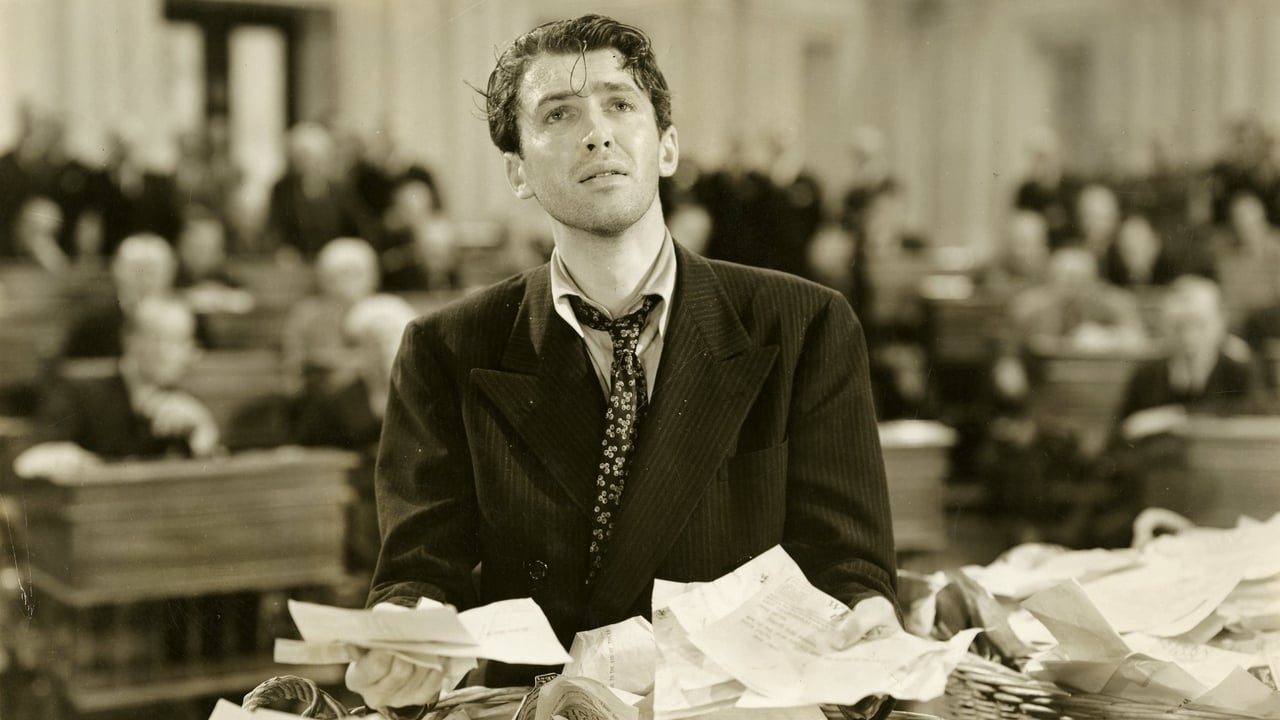
I watched this recently on a Tuesday night while wearing mismatched socks—one of which had a hole in the big toe that I kept poking through—and it struck me how little the "machinery" of power has changed. We like to think we’re living in uniquely cynical times, but Capra was calling out the rot in the system while the Great Depression was still a fresh wound and the drums of World War II were beating in the distance.
The Anatomy of an Idealist
The film centers on Jefferson Smith, played by James Stewart in the role that effectively birthed his "honest everyman" persona. Smith is a wide-eyed, bird-calling patriot appointed to the Senate as a puppet for a corrupt political machine led by Jim Taylor (Edward Arnold, who played the "corrupt fat cat" with terrifying efficiency). Smith is supposed to sit there, look pretty, and vote how he's told.
What makes the performance so nuanced is how James Stewart handles the transition from naivety to total, soul-crushing disillusionment. Jefferson Smith is essentially a golden retriever with a Senate seat, at least at first. But when he realizes his mentor, the silver-tongued Senator Joseph Paine (Claude Rains), has sold his integrity for a comfortable seat at the table, something in Smith snaps. Claude Rains (of Casablanca fame) is incredible here. He doesn't play Paine as a mustache-twirling villain; he plays him as a man who used to be like Smith but eventually convinced himself that "compromise" was just a fancy word for survival. It’s a tragic, cerebral performance that makes the conflict feel personal rather than just political.
The Cynic and the Sword
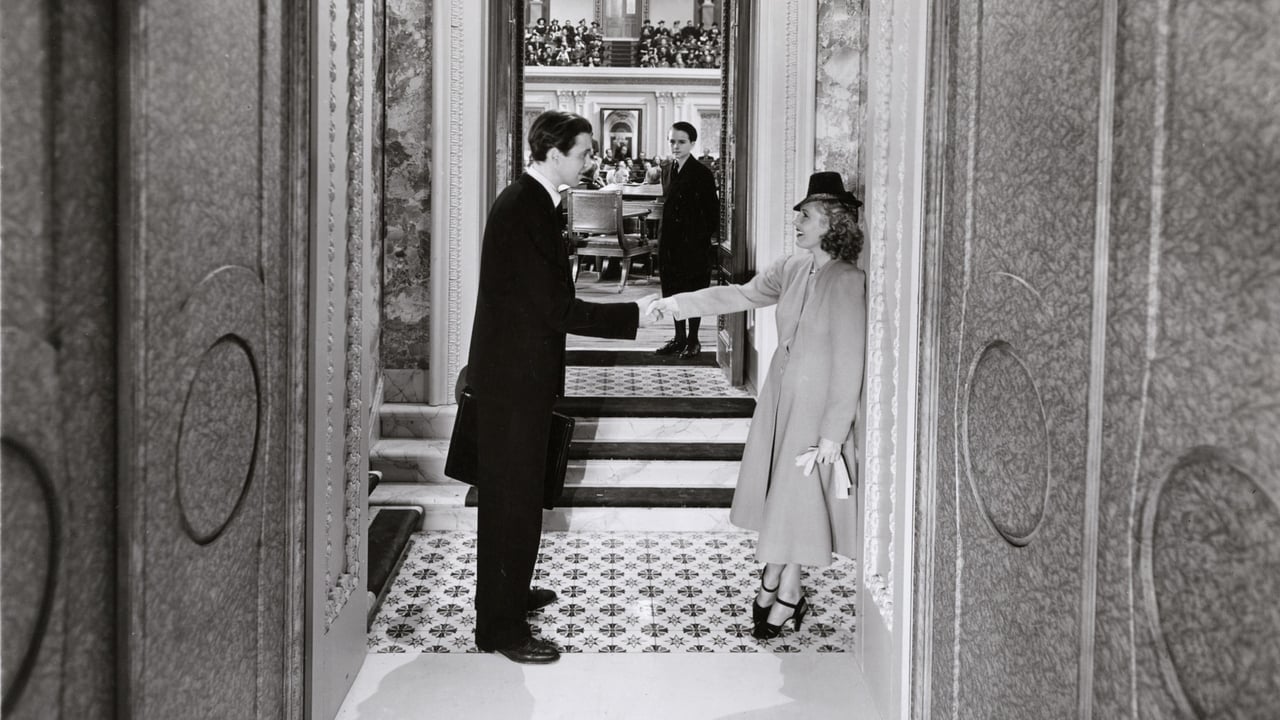
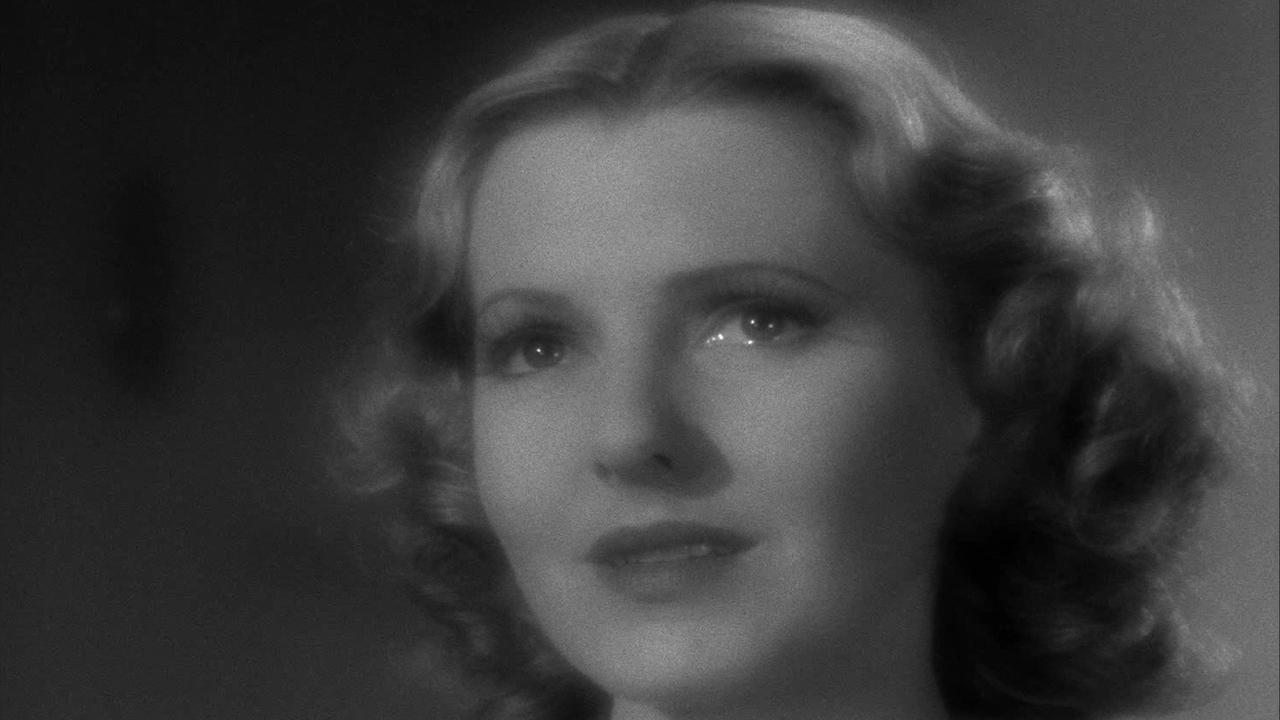
While Stewart is the heart, Jean Arthur as Saunders is the brains and the soul. She plays the jaded secretary who has seen too many "Smiths" come and go, and her transformation from a mocking cynic to Smith’s fiercest ally is the movie's best arc. Arthur had a voice like cracked velvet, and she uses it here to deliver some of the sharpest dialogue Sidney Buchman ever wrote.
There’s a philosophical weight to their relationship. Saunders represents us—the audience—who have seen the sausage get made and would rather not look at it anymore. Smith represents the impossible standard we wish we could live up to. The film asks a difficult question: Can a single voice actually make a dent in a system designed to silence it? The filibuster is the ultimate cinematic 'main character energy' moment, but it’s also a grueling demonstration of physical and mental endurance. By the end of that 24-hour speech, Stewart is hoarse, sweaty, and half-dead. Interestingly, Stewart actually had his throat swabbed with a mercury-based solution by a doctor on set to make his voice sound authentically shredded. That’s dedication to the craft you just don't see in the era of digital post-production.
A Replica of Power
Technically, the film is a marvel of the "Early Talkie" era's evolution. Since the production wasn't allowed to film in the actual Senate chamber, they built a staggering, life-sized replica on the Columbia lot. The cinematography by Joseph Walker (who worked on It’s a Wonderful Life) uses the space to create a sense of scale that feels both majestic and claustrophobic. When Smith stands alone at his desk, surrounded by the desks of men who despise him, the camera makes the room feel like an arena.
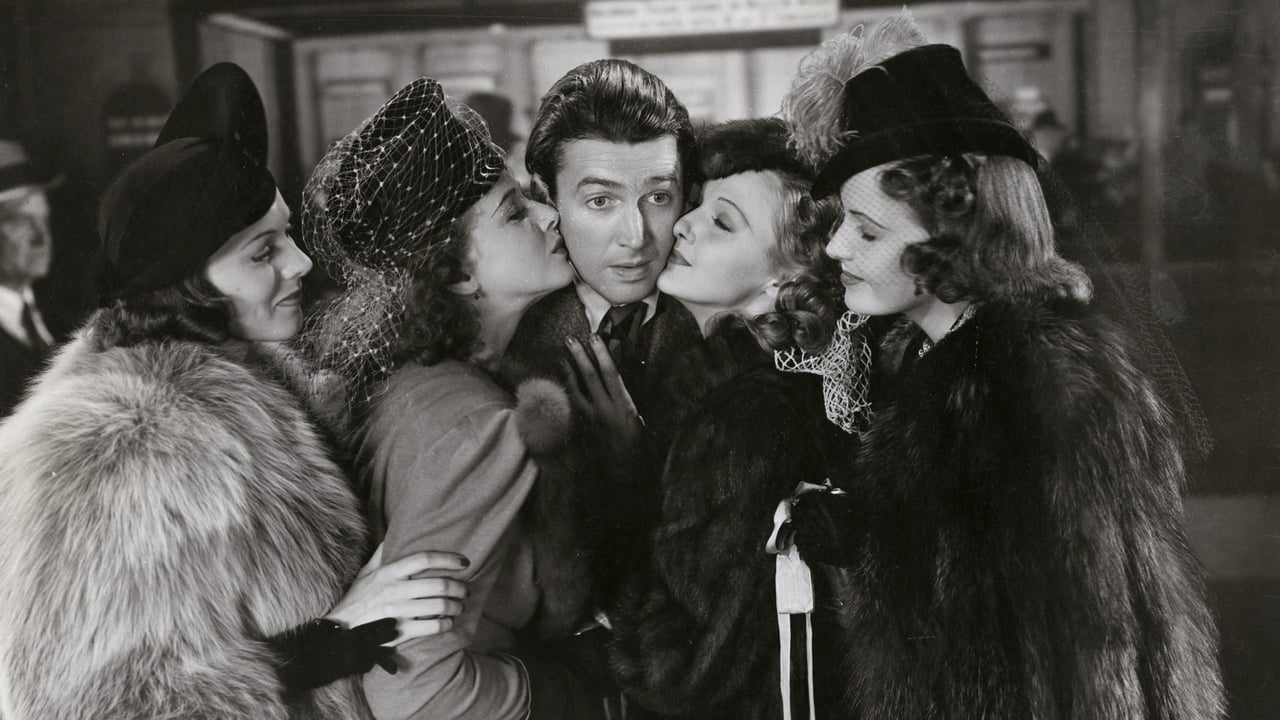
The film also captures a specific cultural moment. When it premiered in Washington D.C., the reaction was explosive. Real-life senators and journalists were outraged, calling it a "grotesque" distortion of how the government works. They actually tried to get the film suppressed! It’s a bit of delicious irony that a movie about politicians trying to silence a whistleblower was met with politicians trying to silence the movie.
What I love most about Mr. Smith is that it doesn't offer an easy victory. The "happy ending" feels like a frantic, desperate gasp for air rather than a permanent solution. It acknowledges that for every Jefferson Smith who stands up, there are a hundred Jim Taylors waiting in the wings with a checkbook and a grudge.
Ultimately, Mr. Smith Goes to Washington survives because it isn't just about 1939. It’s about the eternal struggle between the "lost causes" and the machine. It’s a drama that earns every ounce of its emotion because it understands that democracy isn't a statue you look at—it’s a fight you have to show up for every single day, even if your voice is cracking and your socks have holes in them. It's an essential piece of cinema history that feels as loud and urgent today as it did eighty years ago.
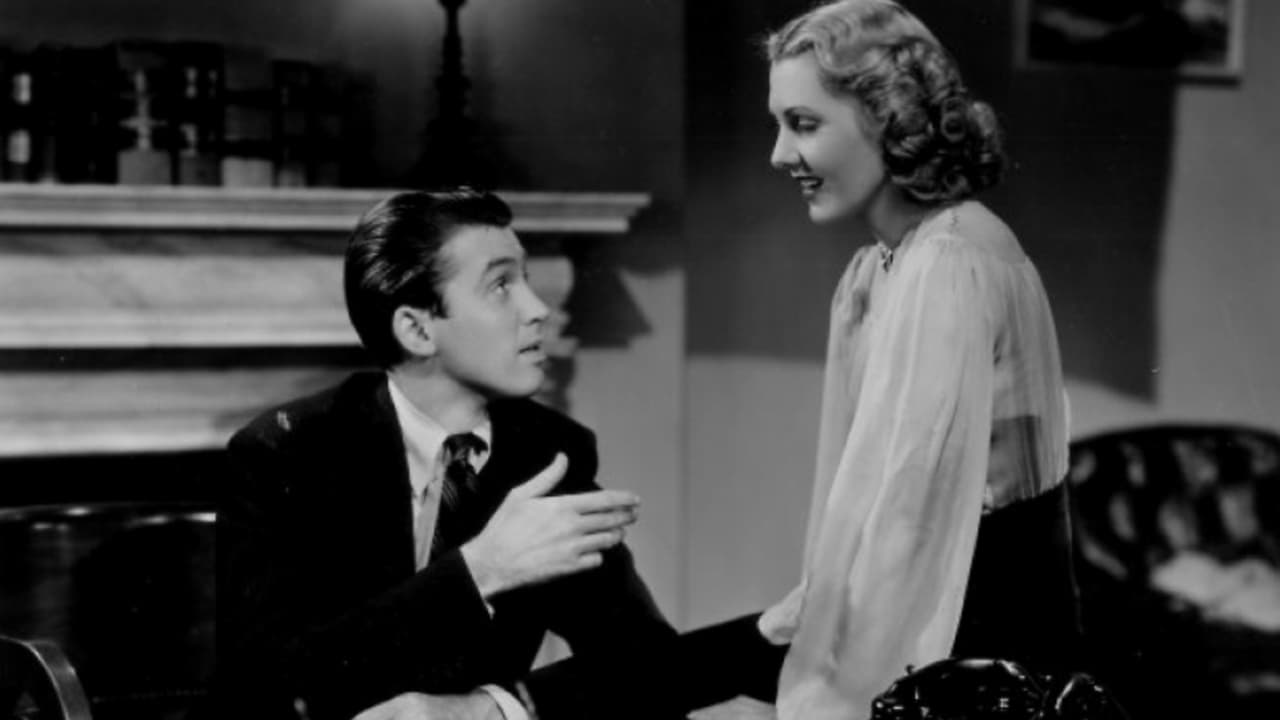
Keep Exploring...
-
It Happened One Night
1934
-
It's a Wonderful Life
1946
-
The Kid
1921
-

City Lights
1931
-
Modern Times
1936
-
Bringing Up Baby
1938
-
The Gold Rush
1925
-

The Circus
1928
-
Stagecoach
1939
-
The Apartment
1960
-
Annie Hall
1977
-

Night on Earth
1991
-
The Postman
1994
-
Good Bye, Lenin!
2003
-

The Wizard of Oz
1939
-
Arsenic and Old Lace
1944
-
Gone with the Wind
1939
-
The General
1926
-
Freaks
1932
-
The Philadelphia Story
1940