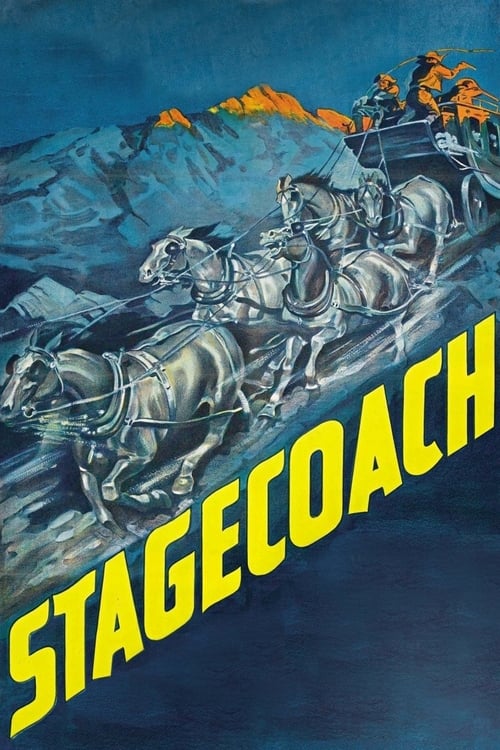
Stagecoach
"Nine strangers. One box. No way out."
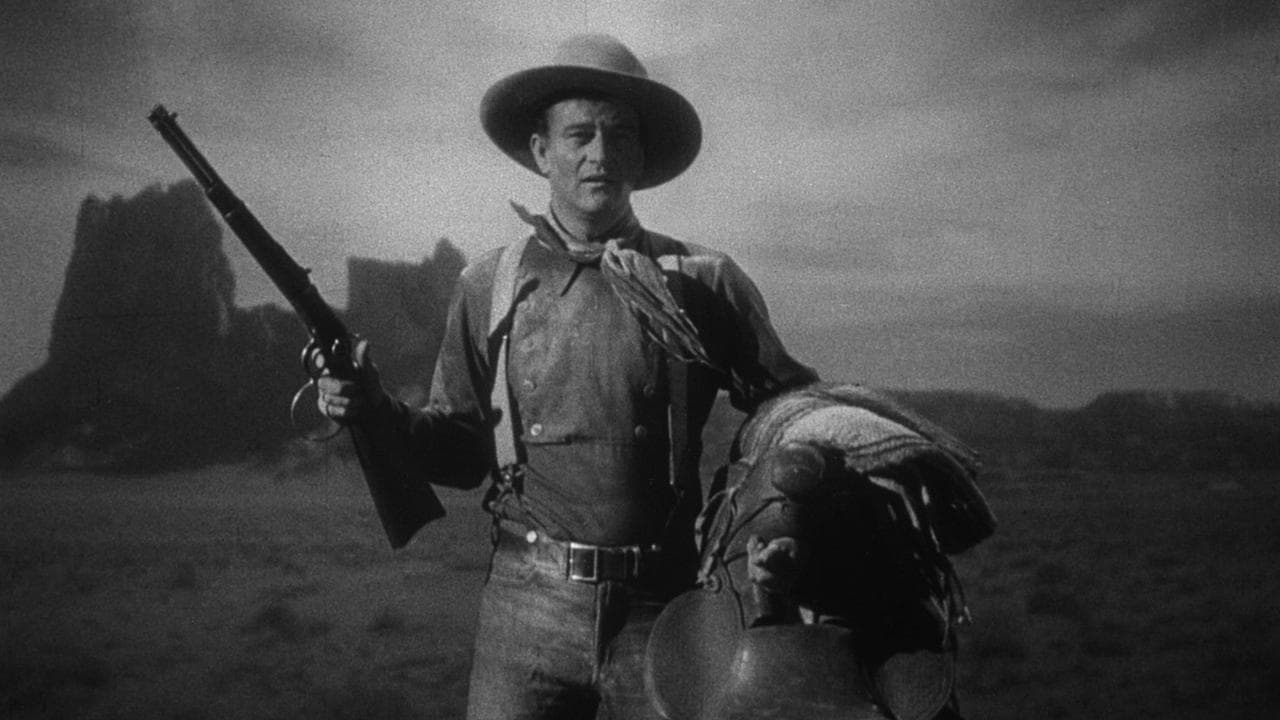
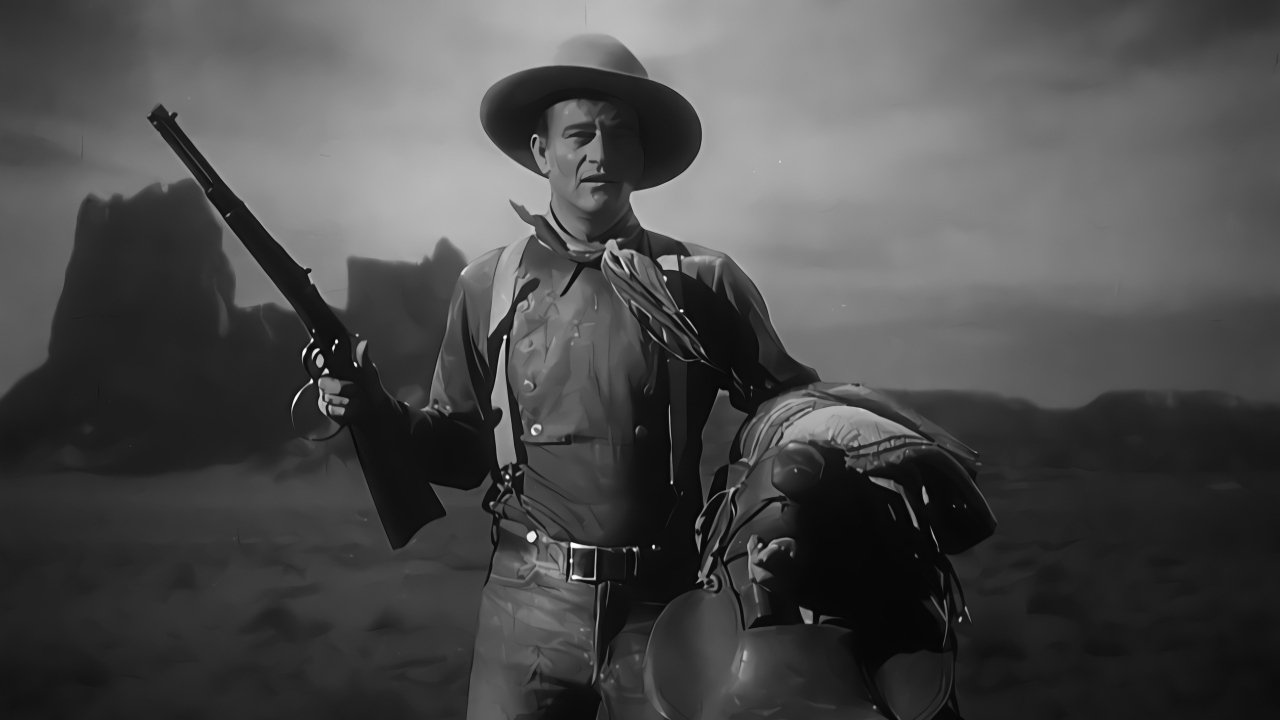
There is a specific kind of magic that happens when a director realizes they’ve found their muse. In the case of John Ford, that muse was a 6'4" former prop man and bit-player named Marion Morrison, better known as John Wayne. About eighteen minutes into Stagecoach, the camera rushes toward Wayne as he twirls a Winchester rifle like it’s a child's baton. It’s one of the most iconic "a star is born" moments in the history of the medium, and honestly, if you aren't a little bit in love with him in that moment, you might be legally dead.
I watched this while drinking a lukewarm seltzer that tasted faintly of pennies, and yet, the moment that zoom hit, I felt like I was sitting in a front-row seat at the birth of modern cinema. Before 1939, Westerns were considered "B-movie" trash—cheap, repetitive fodder for Saturday morning matinees. John Ford changed that by turning a simple journey through Apache territory into a high-stakes psychological pressure cooker.
The Social Experiment in a Wooden Box
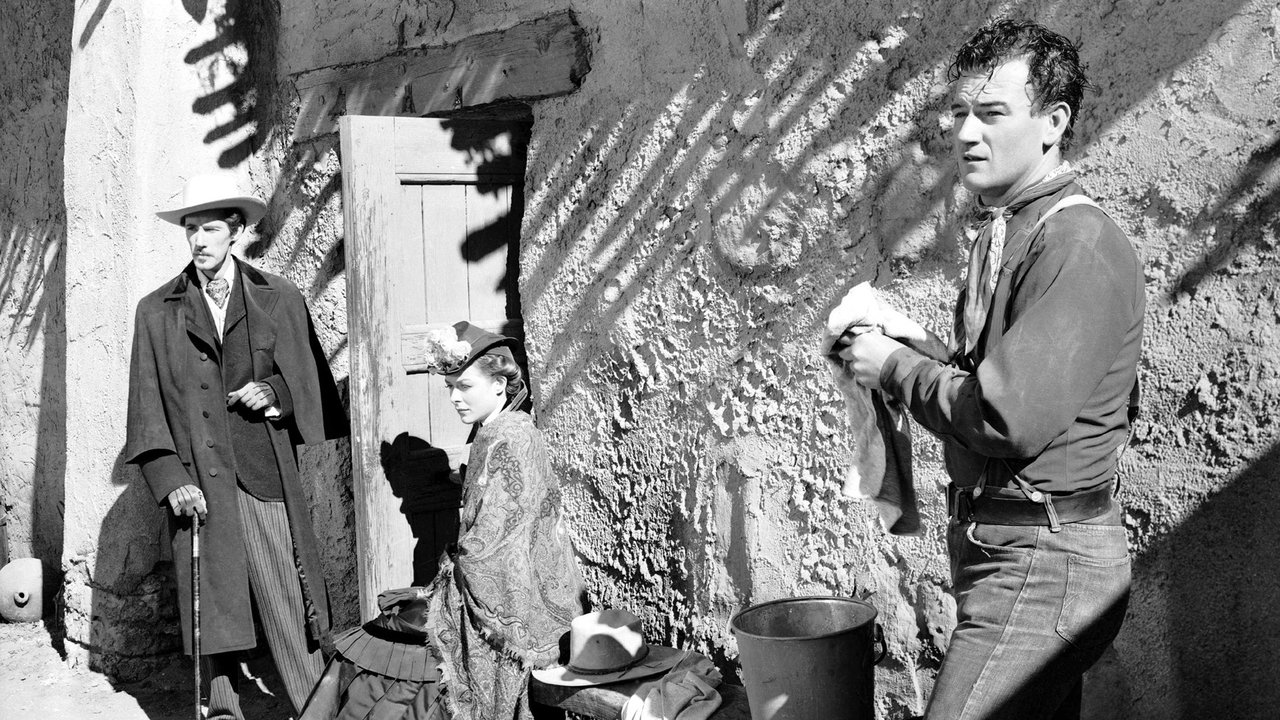
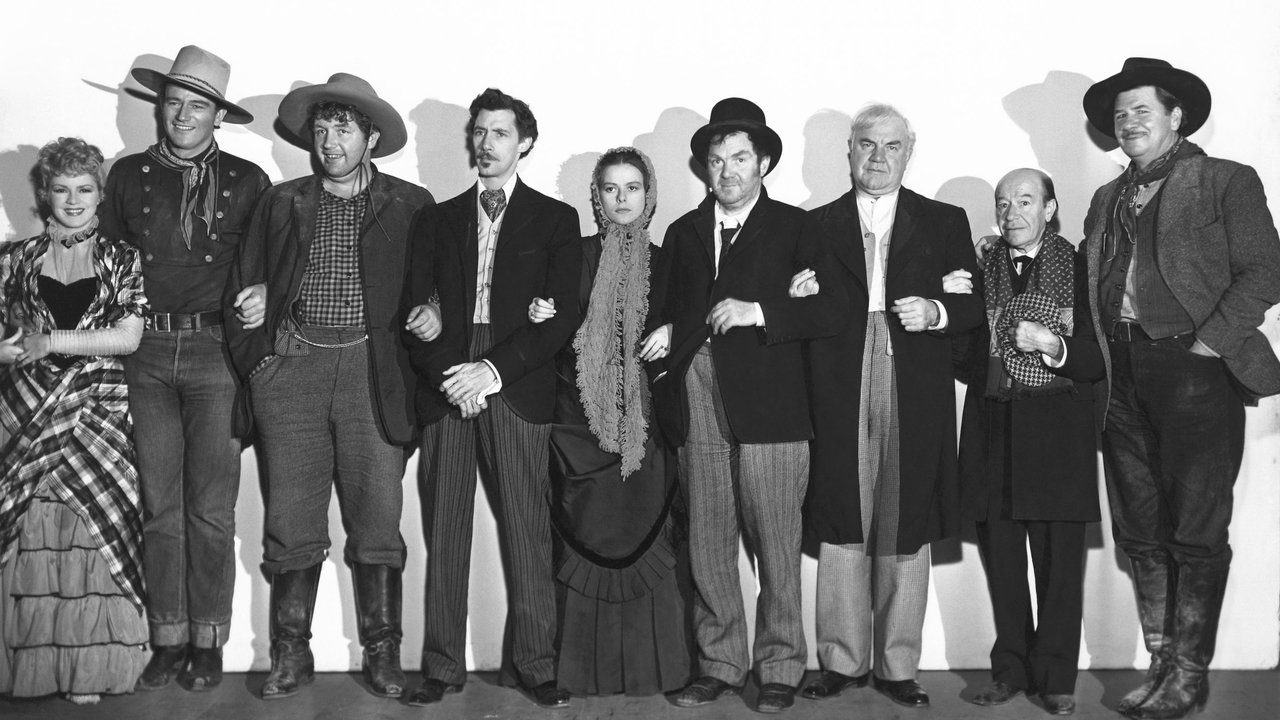
While the "Adventure" label suggests a lot of shooting and riding (which we definitely get), Stagecoach is secretly a brilliant piece of social philosophy. The "nine strange people" mentioned in the tagline are a cross-section of humanity shoved into a cramped wooden carriage. You’ve got the high-society "lady" (played with chilly reserve by Louise Platt), the alcoholic doctor (Thomas Mitchell, who rightfully won an Oscar for this), the disgraced prostitute (Claire Trevor), and the mysterious gambler (John Carradine).
The genius of Dudley Nichols’ screenplay is how it flips the script on "respectability." The people society prizes—the banker and the socialite—turn out to be the most selfish, cowardly, and judgmental members of the group. Meanwhile, the outcasts like Dallas (Trevor) and the Ringo Kid (Wayne) are the only ones with a functional moral compass. The banker, Gatewood, is basically a proto-Twitter tech bro who thinks he’s better than everyone while actively stealing the furniture. Watching him get his comeuppance while the "low-lifes" save the day is deeply satisfying, even eighty years later.
A Masterclass in Practical Grit
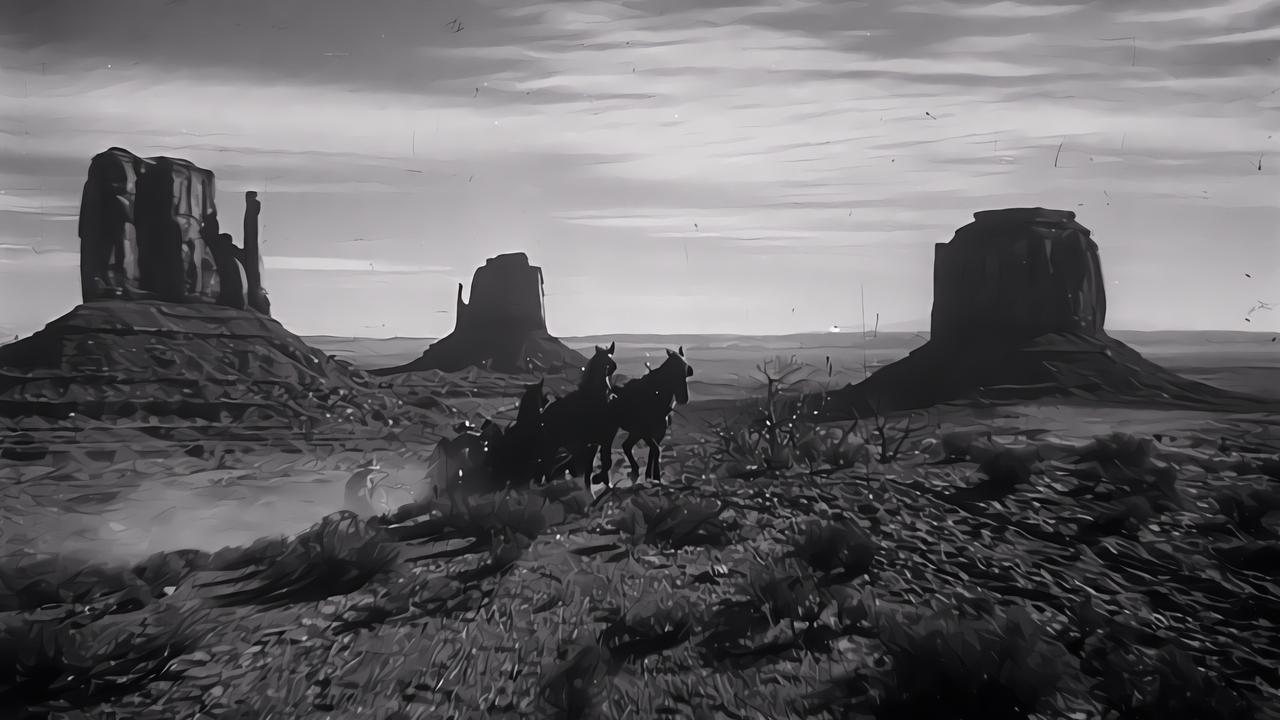
We have to talk about the action, because Stagecoach features stunts that would make a modern CGI artist weep with anxiety. There’s a chase sequence across the salt flats that remains the gold standard for the genre. When you see a man leap from a galloping horse onto the team pulling the coach, only to fall between the horses and let the entire carriage pass over him—that’s not a trick of the light. That’s Yakima Canutt, the legendary stuntman, putting his life on the line for a shot.
John Ford also essentially "discovered" Monument Valley for this film. He used the towering red buttes as a silent, oppressive character. It’s breathtaking to look at, but Bert Glennon’s cinematography also uses low-angle shots and ceilings in a way that Orson Welles famously studied before making Citizen Kane. The film feels massive when they are outside and claustrophobic when they are inside, perfectly mirroring the tension between the vast frontier and the tight-knit prejudices of the passengers.
The Indie Spirit of 1939
Even though John Ford is now a Mount Rushmore figure of directing, Stagecoach was a massive gamble. He had to shop the project around because major studios didn't want to fund a "prestige Western." Eventually, independent producer Walter Wanger stepped up, but with a tiny budget of around $530,000.
Because they didn't have studio-backlot money, they went on location, which was grueling but gave the film a texture you can’t fake. Ford even hired local Navajo people as extras and crew, paying them significantly more than the prevailing wages during the tail end of the Depression. This resourcefulness is all over the screen; there’s an energy to the film that feels less like a polished studio product and more like a group of people out in the desert trying to capture lightning in a bottle. They succeeded.
Stagecoach isn't just a "historically important" film you watch out of obligation; it’s a lean, mean, 96-minute masterclass in pacing. It manages to be a character study, a social critique, and a thrilling adventure all at once. Whether you're here for the philosophical questions about who is truly "civilized" or you just want to see John Wayne look incredibly cool while jumping onto a moving horse, this is the definitive Western. It’s the film that took a dying genre and gave it a soul.
Keep Exploring...
-

The Wizard of Oz
1939
-

The Man Who Shot Liberty Valance
1962
-
Bringing Up Baby
1938
-

A Trip to the Moon
1902
-
Mr. Smith Goes to Washington
1939
-

The Searchers
1956
-

The Magnificent Seven
1960
-
The Grapes of Wrath
1940
-
It Happened One Night
1934
-
The Treasure of the Sierra Madre
1948
-
The Gold Rush
1925
-
The General
1926
-
King Kong
1933
-
High Noon
1952
-
The Kid
1921
-

City Lights
1931
-

Westworld
1973
-
Spirit: Stallion of the Cimarron
2002
-
Modern Times
1936
-

Rio Bravo
1959