The Wizard of Oz
"A kaleidoscope of wonder that never grows old."
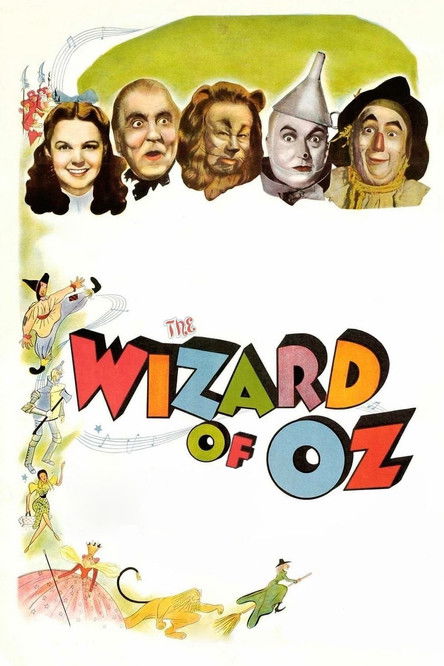
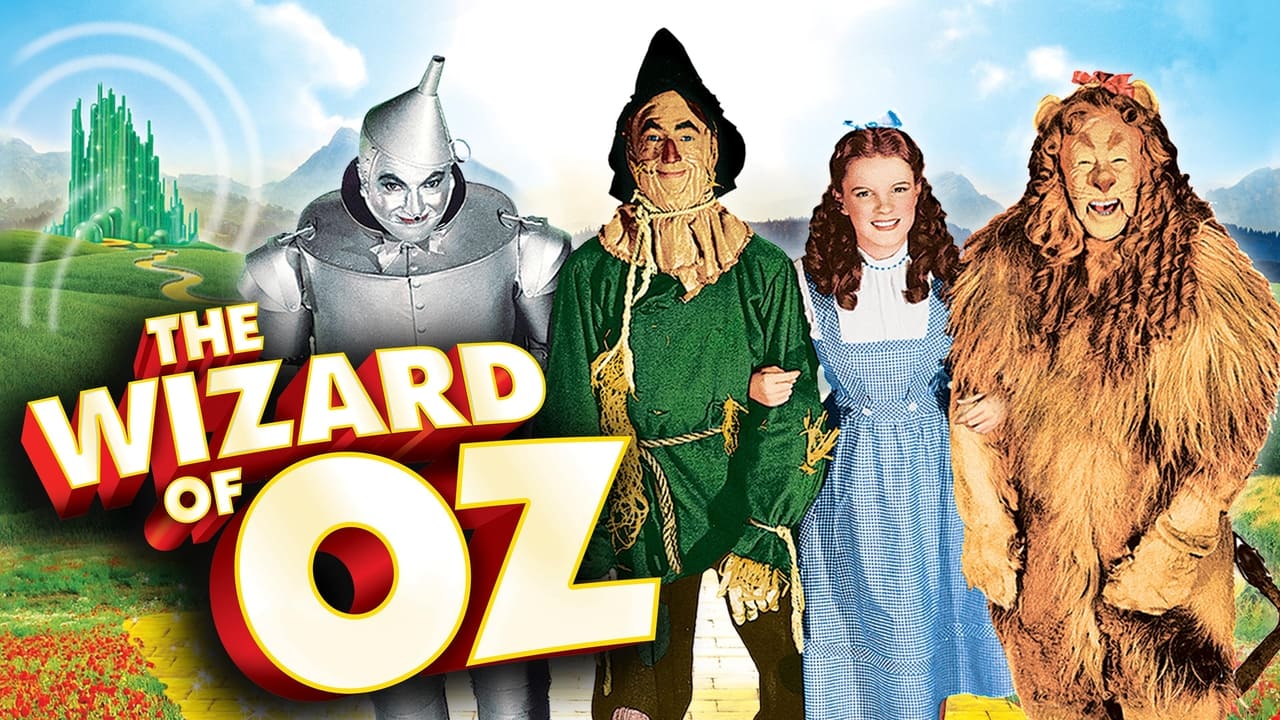
The 1939 cinematic landscape was an absolute juggernaut—a year where the Hollywood studio system reached its zenith, producing everything from Gone with the Wind to Mr. Smith Goes to Washington. But standing tall above the rest of that golden harvest is The Wizard of Oz. It isn’t just a movie; it’s a foundational myth of the American consciousness. I recently rewatched it while nursing a slightly burnt grilled cheese sandwich and wearing my most ridiculous fuzzy socks, and even through the smell of slightly scorched cheddar, the moment Dorothy opens the door from the sepia-toned Kansas into the neon-dream of Munchkinland, my breath still hitched.
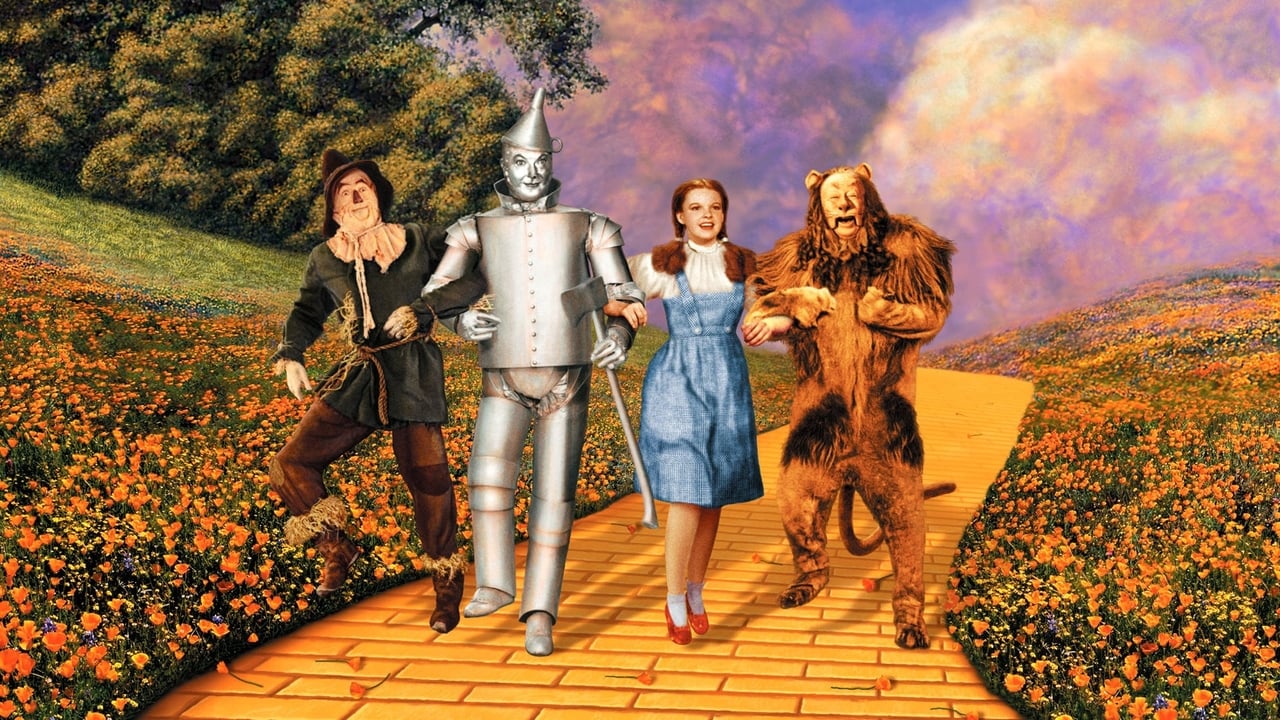
It is a transition that has been parodied and referenced a thousand times, but in its original context, it was a revolution. We forget that in 1939, cinema was still a medium in its relative adolescence. To see colors that vibrant—achieved through a massive Technicolor camera that was the size of a small refrigerator—must have felt like seeing fire for the first time.
The Physics of Fantasy
What strikes me most about this adventure is how tangible it feels. In an era where "adventure" usually involves a green screen and a prayer, The Wizard of Oz is a masterclass in physical world-building. Every leaf in the Haunted Forest and every brick on that yellow road was a deliberate choice by the MGM art department. There’s a certain weight to the peril here because the world is so textured. When Margaret Hamilton, playing the Wicked Witch of the West, cackles from a rooftop, you aren't looking at pixels; you're looking at a woman who nearly died when her copper-based green makeup ignited during a pyrotechnic stunt.
The adventure isn't just about the distance Dorothy travels; it's about the escalation of wonder. The film understands that for a journey to feel "epic," the environment needs to be a character. The transition from the sprawling, poppy-covered fields to the Art Deco majesty of the Emerald City provides a sense of scale that many modern blockbusters fail to achieve with ten times the budget. I’ve always felt that the flying monkeys are the most effective jump-scare in the history of family cinema, precisely because they look like practical, fleshy nightmares rather than digital afterthoughts.
A Quest for the Internal

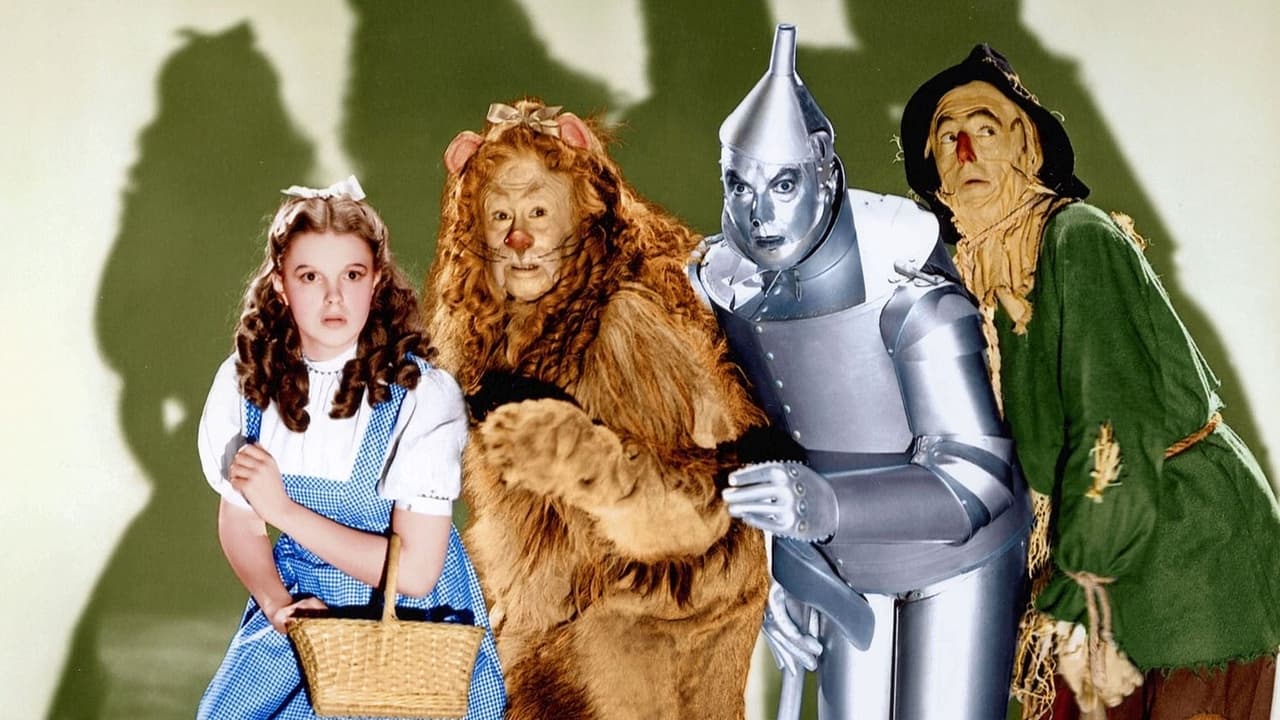
While the surface level is a bright adventure, there is a cerebral layer to The Wizard of Oz that I find more fascinating as I get older. We usually view the Scarecrow (Ray Bolger), the Tin Man (Jack Haley), and the Cowardly Lion (Bert Lahr) as three guys missing vital components. But the film’s cleverest trick—its most philosophical "gotcha"—is that they all demonstrate the very traits they think they lack long before they meet the Wizard.
The Scarecrow is the one who devises the cleverest plans to escape the Witch’s castle. The Tin Man is so overflowing with emotion that he constantly rusted himself shut with tears. The Lion leaps into danger to save Dorothy despite his shaking knees. It’s a beautiful, early cinematic exploration of the idea that we are often looking for external validation for things that are already blossoming inside us. I found myself thinking about how Frank Morgan, as the Wizard, isn't really a villain or a savior; he’s just a tired guy with a megaphone and a smoke machine, reminding us that authority is often just a very loud curtain.
The Judy Garland Miracle
We have to talk about Judy Garland. There is an alternate universe where the studio got their first choice, Shirley Temple, for the role of Dorothy. If that had happened, I’m convinced the movie would be a quaint curiosity rather than a timeless classic. Judy Garland brings a soulful, almost melancholic yearning to Dorothy Gale that anchors the entire fantastical trip. When she sings "Over the Rainbow," she isn't just a kid wanting to see the world; she’s the embodiment of every person who has ever felt stuck in a monochrome life.
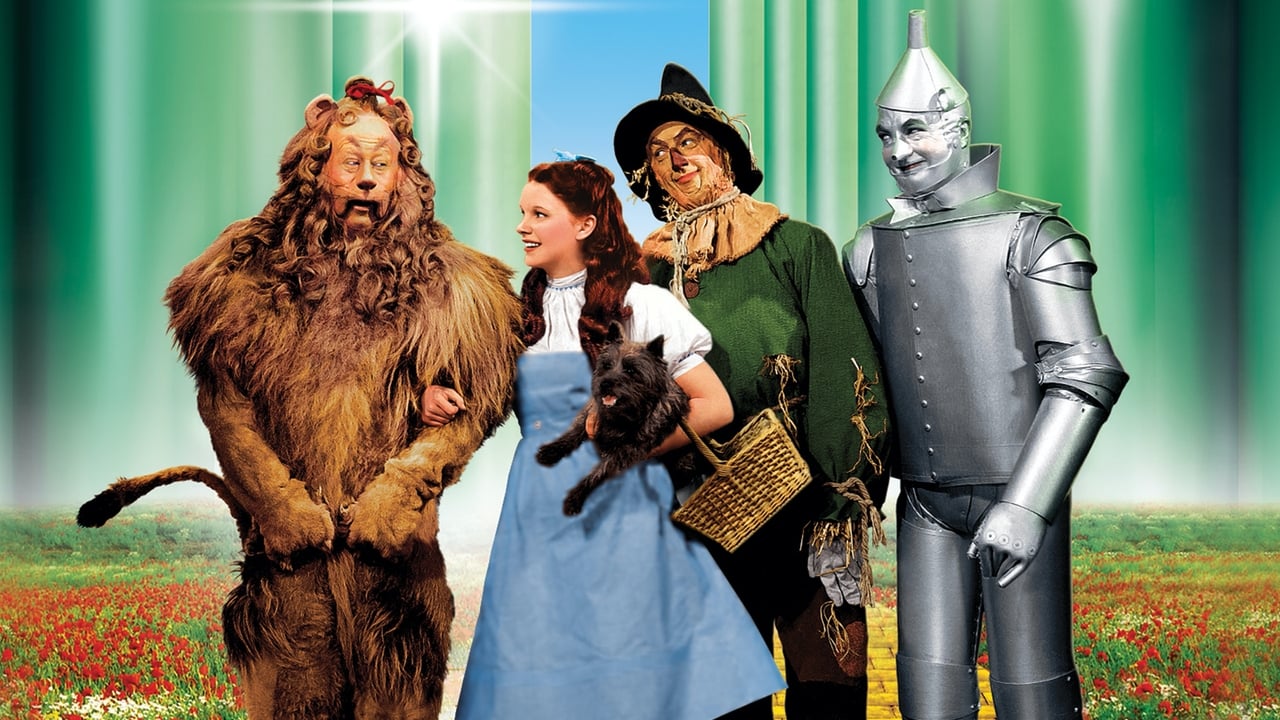
The chemistry between the four leads is the secret sauce. Despite being buried under pounds of prosthetics, silver paint, and burlap, the camaraderie feels effortless. You can tell they were struggling through 100-degree heat on those soundstages together. It’s a journey of unlikely allies, and their collective vulnerability is what makes the final "goodbye" scene hit like a freight train. I still find the Tin Man’s "Now I know I have a heart, because it's breaking" to be one of the most devastating lines ever committed to film.
The Wizard of Oz is one of the few films that transcends the era of its birth to become something permanent. It’s a testament to what the studio system could achieve when its massive resources were funneled into a singular, imaginative vision. Whether you’re five years old or ninety-five, the film offers a perfect loop of discovery, danger, and the ultimate realization that the "magic" was just a mirror all along. It’s a reminder that even when the world feels sepia-toned and dusty, there’s always a Technicolor world waiting if you’re brave enough to follow the road.
Keep Exploring...
-

A Trip to the Moon
1902
-
Castle in the Sky
1986
-

Flow
2024
-
Stagecoach
1939
-
King Kong
1933
-

Snow White and the Seven Dwarfs
1938
-
Anastasia
1997
-
Treasure Planet
2002
-
Raya and the Last Dragon
2021
-
Kirikou and the Sorceress
1998
-
Gone with the Wind
1939
-
The Boy and the Beast
2015
-

The Little Prince
2015
-
Wolfwalkers
2020
-
Nausicaä of the Valley of the Wind
1984
-
My Neighbor Totoro
1988
-
It Happened One Night
1934
-
Bringing Up Baby
1938
-
Mr. Smith Goes to Washington
1939
-
Alice in Wonderland
1951