Fantasia
"The night Mickey Mouse met the Symphony."
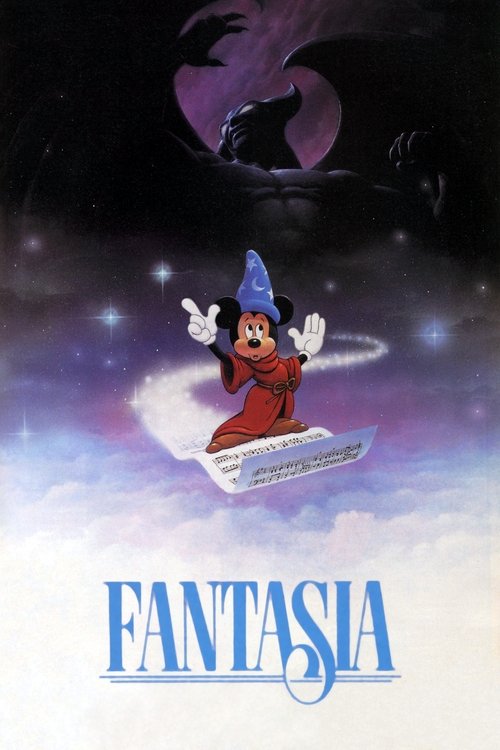
In 1940, Walt Disney was less of a corporate logo and more of a high-stakes gambler with a worrying obsession for "high art." Fresh off the triumphs of Snow White and Pinocchio, he decided to throw the studio’s entire treasury into a project that shouldn’t have worked: a two-hour, dialogue-free experimental anthology of classical music. I watched this again last night while my neighbor was loudly assembling IKEA furniture in the apartment above me, and the rhythmic percussion in "The Rite of Spring" weirdly synced up with his hammer—it was the most immersive 4D experience I’ve had in years.
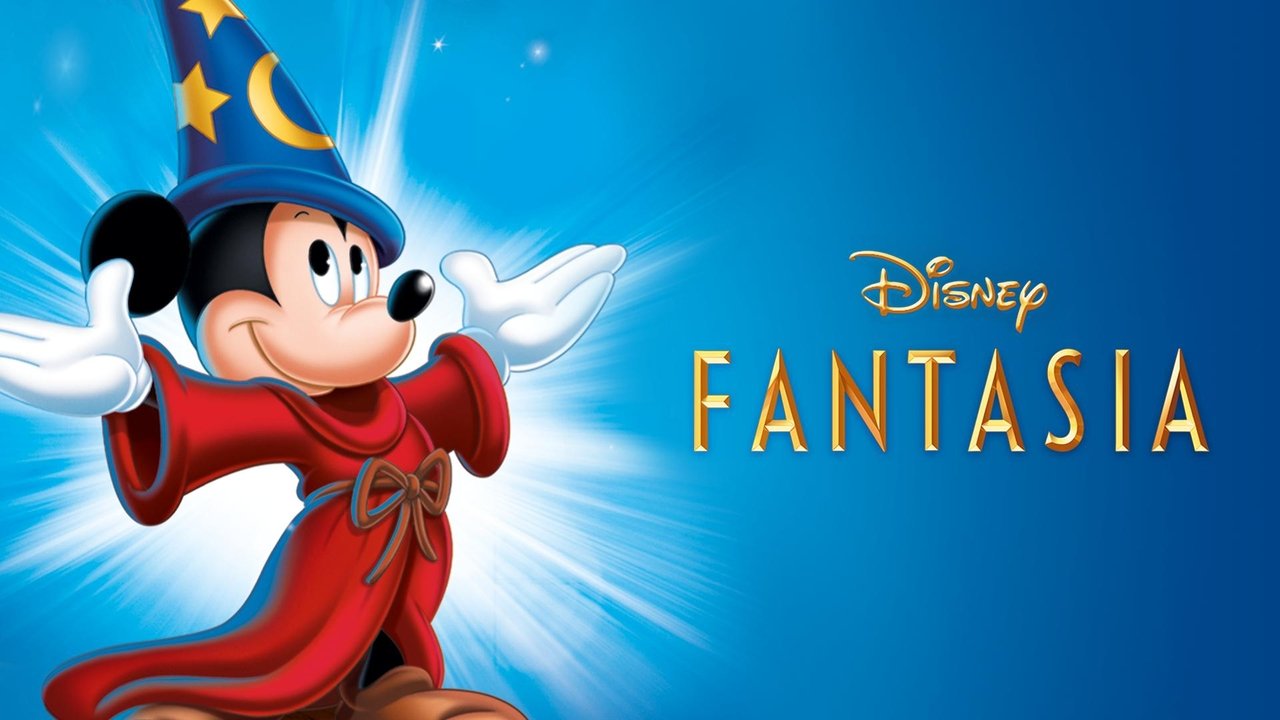
The Audacity of the "Concert Film"
Fantasia wasn't just a movie; it was a hostile takeover of the senses. At a time when the "Golden Age" of Hollywood was refining the art of the talkie, Disney decided to shut everyone up and let the Philadelphia Orchestra do the heavy lifting. This was the birth of "Fantasound," a precursor to surround sound that was so expensive and cumbersome it required 54 speakers per theater and a dedicated technician to run the hardware. Most theaters literally couldn't afford to show it. It was the most expensive screensaver in history, and it nearly bankrupted the Mouse House.
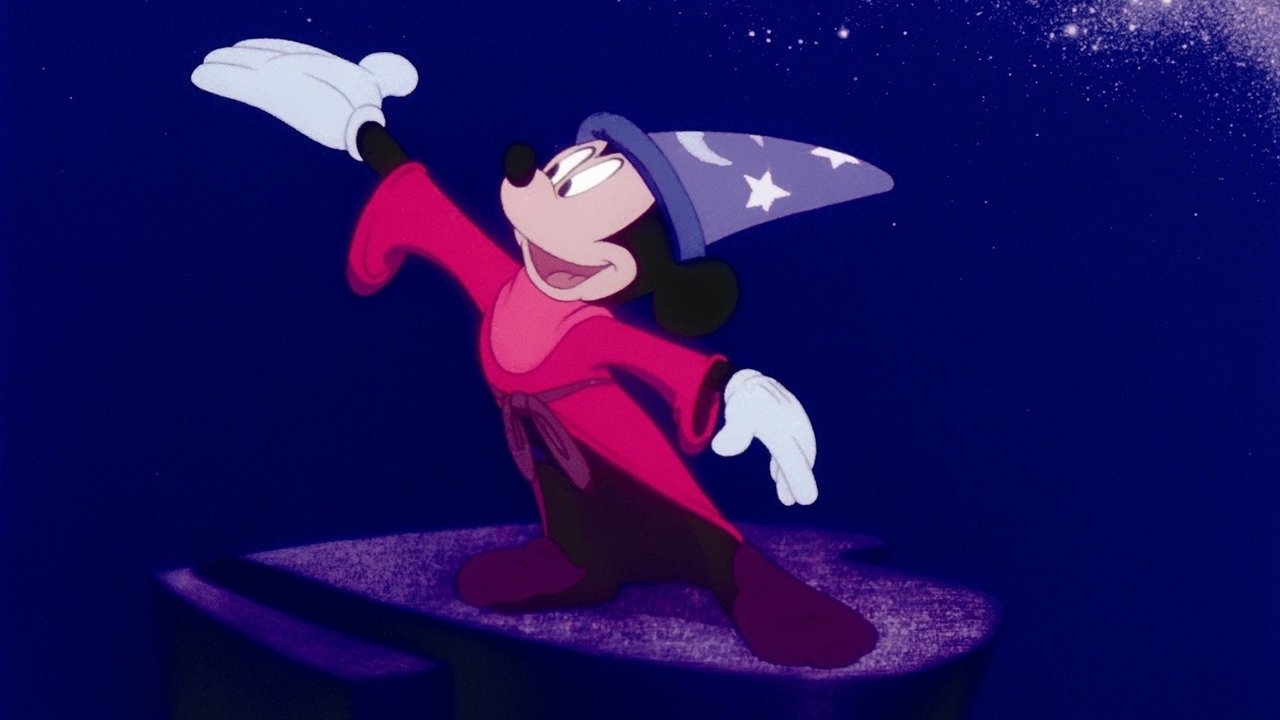
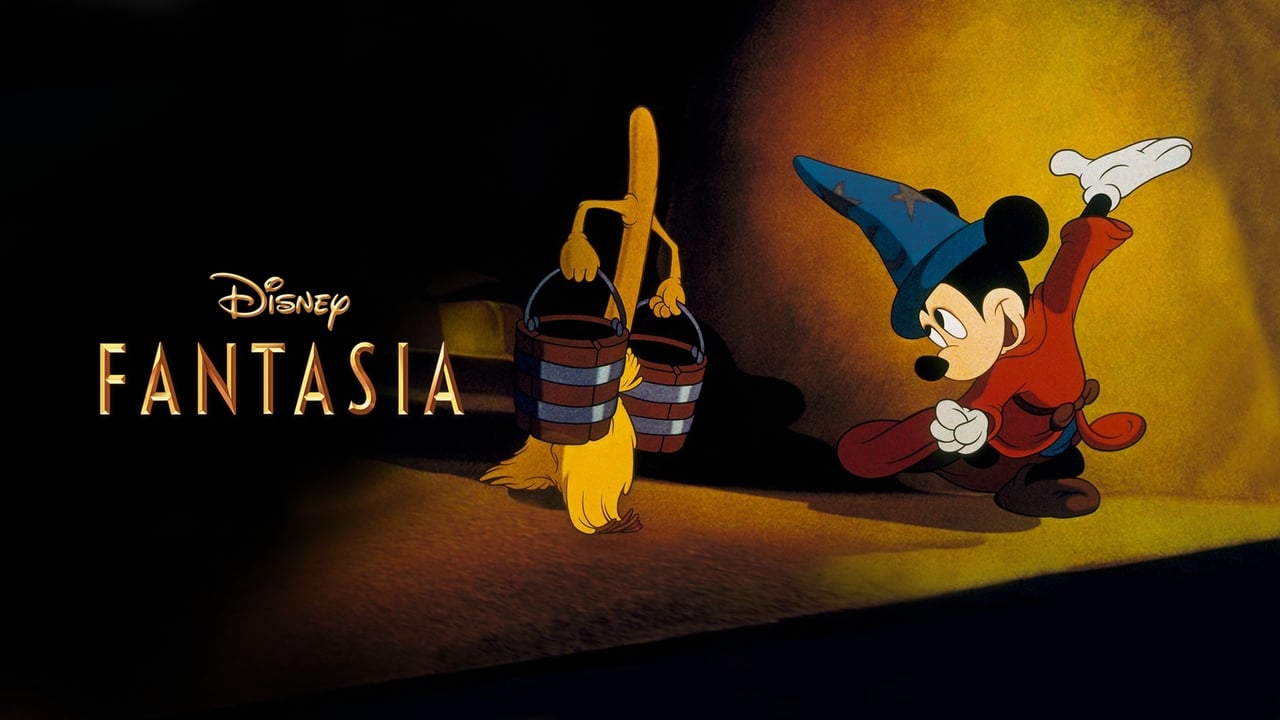
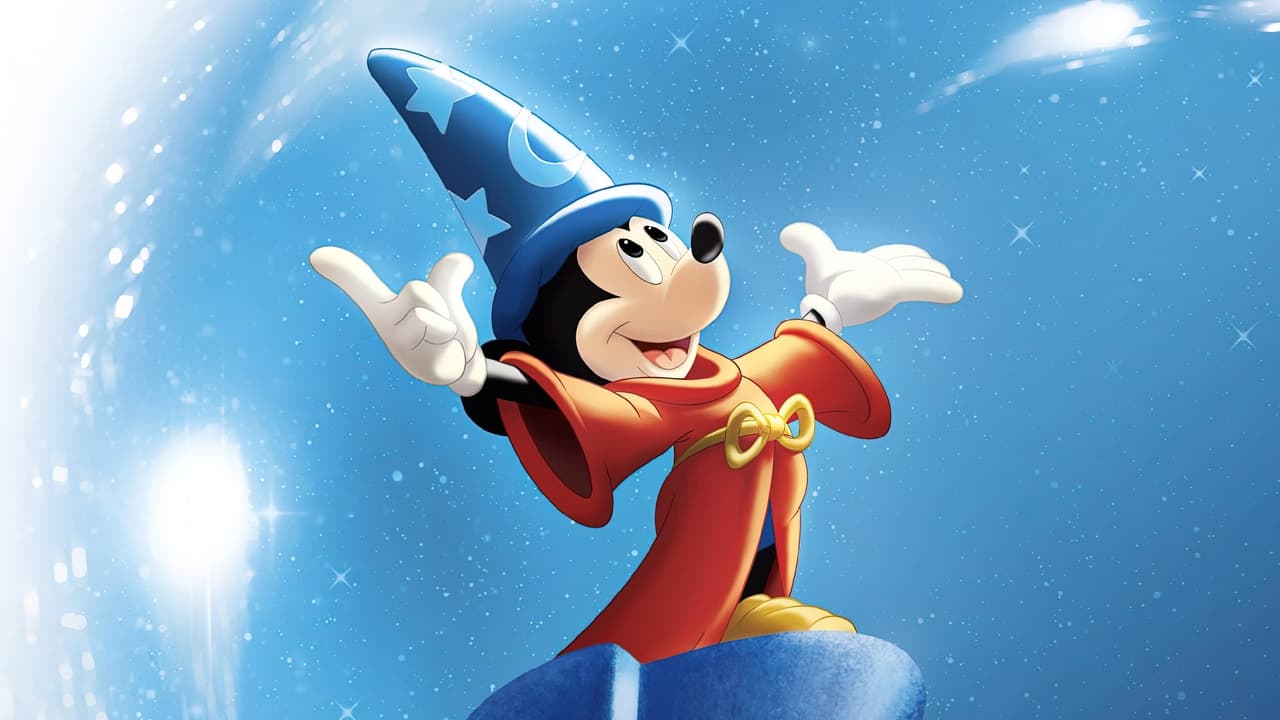
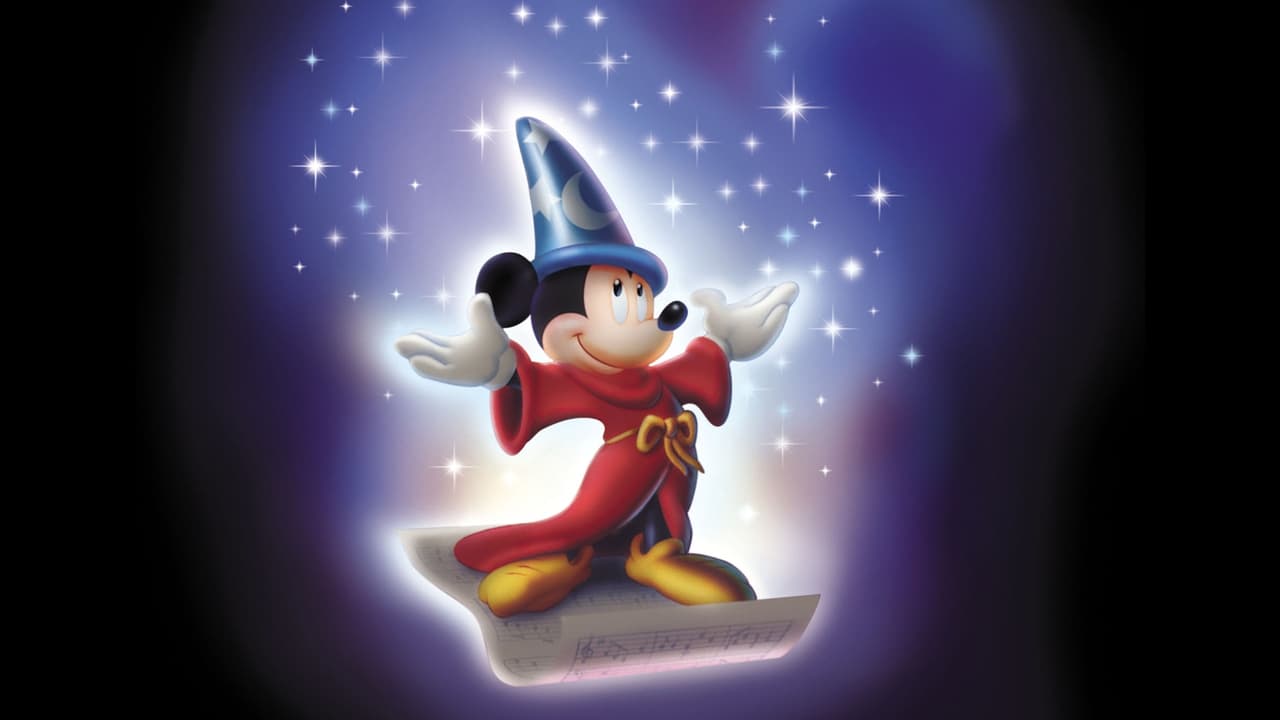
The "drama" here isn't in a script—it’s in the incredible "performances" delivered by the animators. Take "The Sorcerer's Apprentice." We’ve seen Mickey Mouse a million times, but here, under the baton of Leopold Stokowski, his movements have a weight and a desperation that feels Shakespearean. When Mickey realizes he can’t stop the enchanted brooms, the look of sheer, existential terror on his face is better acting than half the live-action melodramas coming out of MGM at the time. Walt Disney himself provided Mickey’s voice for the final time in a feature here, but it’s the pantomime that carries the soul of the character.
A Technicolor Fever Dream
The film’s structure is a series of vignettes introduced by the delightfully stuffy Deems Taylor, who acts as our tour guide through this psychedelic landscape. My personal favorite will always be "The Rite of Spring." While the "drama" genre usually involves people arguing in rooms, Disney decided to dramatize the entire history of the Earth. Watching the primordial ooze bubble and the tectonic plates shift to Stravinsky’s jagged score is breathtaking. The "acting" by the T-Rex during the storm is a masterclass in silent-era villainy—he’s a force of nature, not just a monster.
Speaking of monsters, we have to talk about Chernabog. The "Night on Bald Mountain" sequence is where the film sheds its "family-friendly" skin and dives headfirst into pure Gothic horror. Chernabog isn't just a cartoon; he is essentially the CEO of Nightmare Fuel. The way he peels the shadows off the mountain and summons the dead is animated with a fluidity that makes modern CGI look stiff and soulless. It’s the ultimate dramatic climax, a battle between cosmic darkness and the eventual, shimmering hope of the "Ave Maria" sequence.
The Journey from Flop to Cult Phenomenon
It’s hard to believe now, but Fantasia was a massive box office bomb upon its initial release. The "prestige" crowd thought it was "low-brow" to put cartoons to Bach, and the regular moviegoers were baffled by the lack of a traditional plot. It only survived because of the "Cult Classic" pipeline. In the late 1960s, the film was rediscovered by a new generation—specifically, the psychedelic counterculture.
Apparently, college kids realized that if you were "chemically enhanced," the "Toccata and Fugue in D Minor" looked a whole lot cooler. Disney (the company, not the man) leaned into this, releasing a "trip" poster in 1969 that helped the film finally turn a profit. It’s the ultimate example of a film being too far ahead of its time; it had to wait for the world to catch up to its sensory-overload frequency.
Turns out, Leopold Stokowski was so committed to the project that he reportedly conducted the entire score for free initially, just because he believed in bringing classical music to the masses. Also, if you look closely during the centaurette sequence in "The Pastoral Symphony," you won’t see "Sunflower" anymore—the character was a collection of horrific racial stereotypes that Disney (thankfully) scrubbed from the film in the 1960s. It’s a reminder that even "timeless" masterpieces are products of their era’s blinkered perspectives.
Fantasia remains a singular achievement that no studio would ever have the guts to greenlight today. It is a loud, colorful, arrogant, and beautiful piece of cinema that demands your full attention. Whether you’re watching it for the technical craftsmanship of the Golden Age or just to see a hippo in a tutu, it never fails to spark a sense of wonder. It’s a reminder that sometimes, the best way to tell a story is to stop talking and just let the music play.
Keep Exploring...
-

Fantasia 2000
2000
-
Alice in Wonderland
1951
-
Peter Pan
1953
-
Pinocchio
1940
-
Dumbo
1941
-
Cinderella
1950
-

Lady and the Tramp
1955
-
Bambi
1942
-

Snow White and the Seven Dwarfs
1938
-
Sleeping Beauty
1959
-
One Hundred and One Dalmatians
1961
-
The Sword in the Stone
1963
-
The Nightmare Before Christmas
1993
-
Anastasia
1997
-
Hercules
1997
-

The Emperor's New Groove
2000
-
The Road to El Dorado
2000
-
Treasure Planet
2002
-

Sinbad: Legend of the Seven Seas
2003
-

The Polar Express
2004