His Girl Friday
"The only thing faster than the news is the insults."
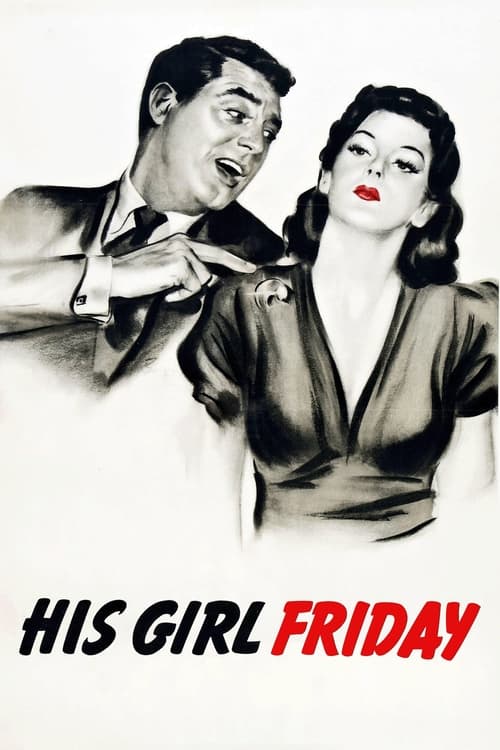
If you ever find yourself thinking that modern cinema has a monopoly on "fast-paced" storytelling because we have CGI explosions and quick-cut editing, I need you to sit down and let Howard Hawks humiliate you. I recently re-watched His Girl Friday while nursing a cup of Earl Grey that went stone-cold because I literally could not find a three-second window to take a sip without missing a plot point. This isn't just a movie; it’s an aerobic exercise for your ears.
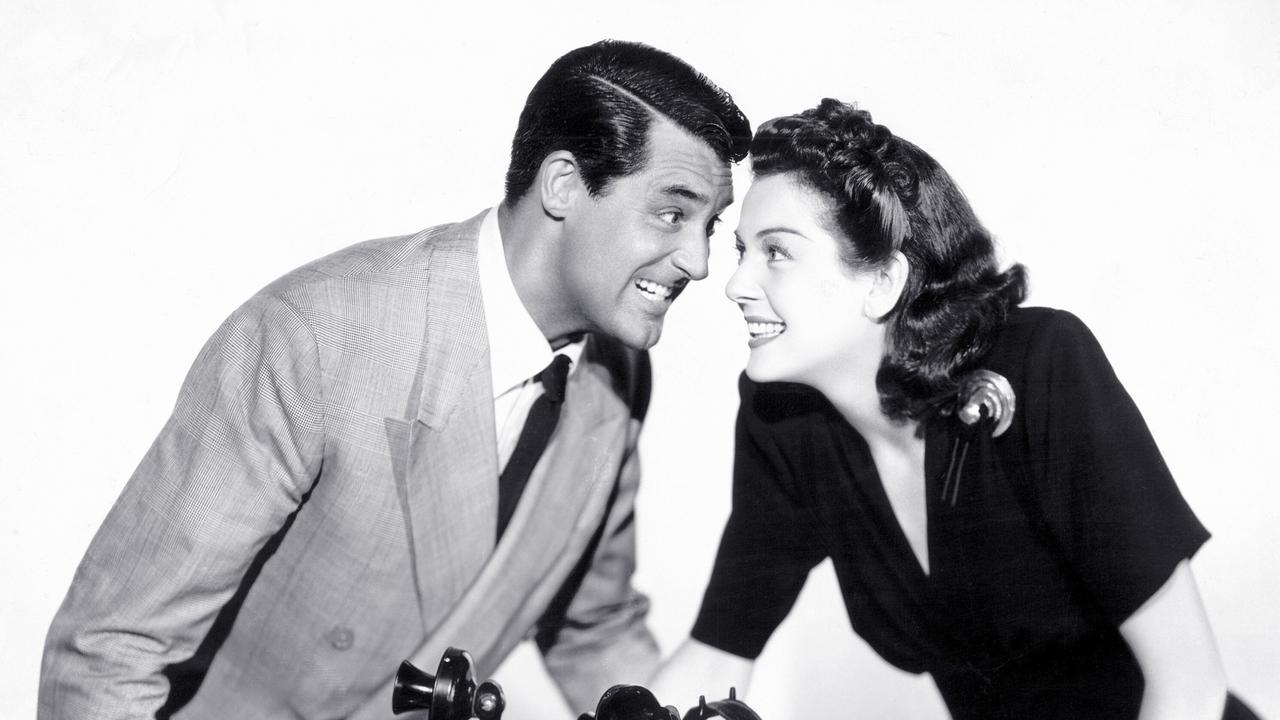
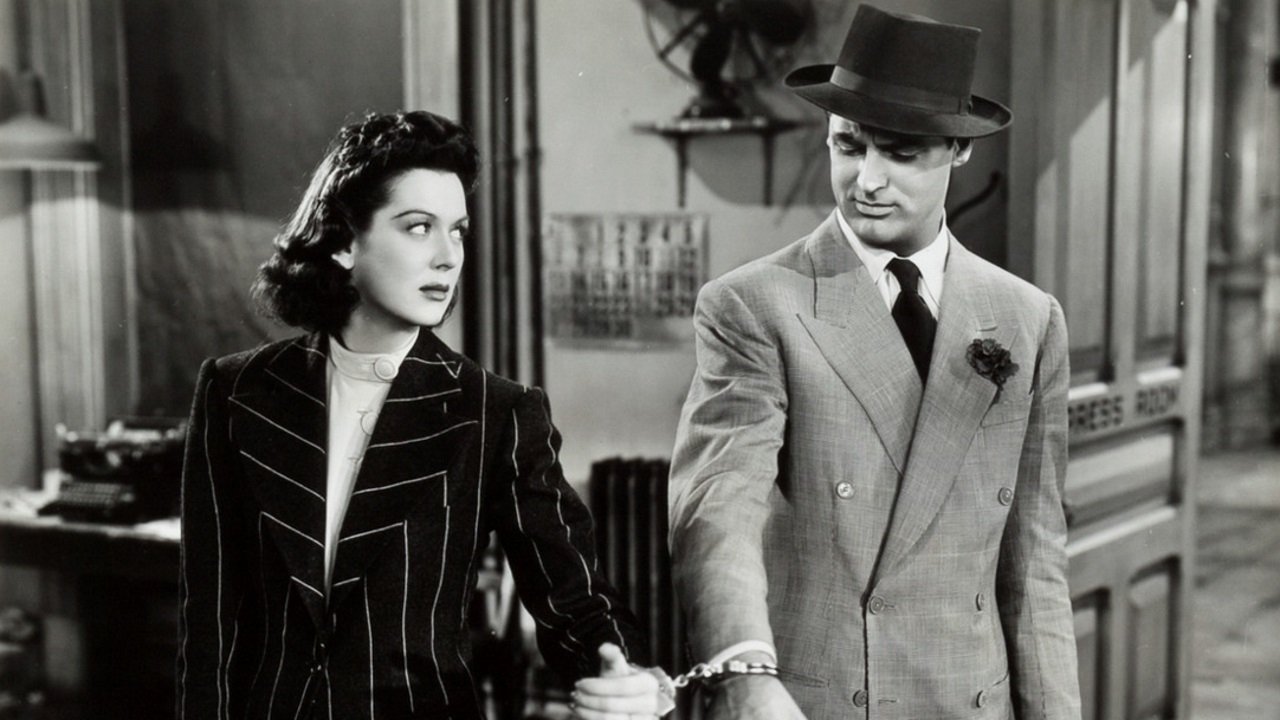
Released in 1940, at the absolute zenith of the Hollywood studio system, this film is the gold standard of the screwball comedy. It’s cynical, it’s frantic, and it features Cary Grant and Rosalind Russell operating at a frequency that would probably shatter modern actors. It’s a remake of the stage play The Front Page, but with one stroke of genius from Hawks: he changed the lead reporter, Hildy Johnson, from a man to a woman. Suddenly, a story about a manipulative editor and his star reporter became a toxic, hilarious, and breathless battle of the sexes.
The Sound of a Machine Gun Symphony
The first thing you’ll notice—and the thing that usually scares off people who think "old movies are slow"—is the dialogue. Ben Hecht and Charles Lederer wrote a script that reads like a drum solo. In an era where the Production Code (the "Hays Code") strictly regulated what you could show on screen, filmmakers realized they could get away with murder if they just said everything really, really fast.
Hawks pioneered a technique here called "overlapping dialogue." In most 1940s films, Actor A speaks, then Actor B speaks. In His Girl Friday, Cary Grant is often starting his sentence while Rosalind Russell is only halfway through hers. It sounds like real life, only much funnier and infinitely more articulated. If you pause this movie for a bathroom break, you’ve basically missed three character arcs and a minor political coup. It’s a masterclass in rhythm; the humor doesn't just come from the jokes, but from the sheer velocity of the delivery. It creates this pressurized atmosphere where you feel the heat of the newsroom and the desperation of the characters.
A Masterclass in Manipulative Charm
Let’s talk about the chemistry, because Cary Grant as Walter Burns is essentially a charming sociopath. He’s the editor of The Morning Post, and when his ex-wife and star reporter, Hildy (Rosalind Russell), walks in to tell him she’s quitting to marry a bland insurance man and live in Albany, Walter decides to sabotage her entire life. Most actors would make Walter loathsome, but Grant plays him with a predatory grin that makes you root for the wreckage.
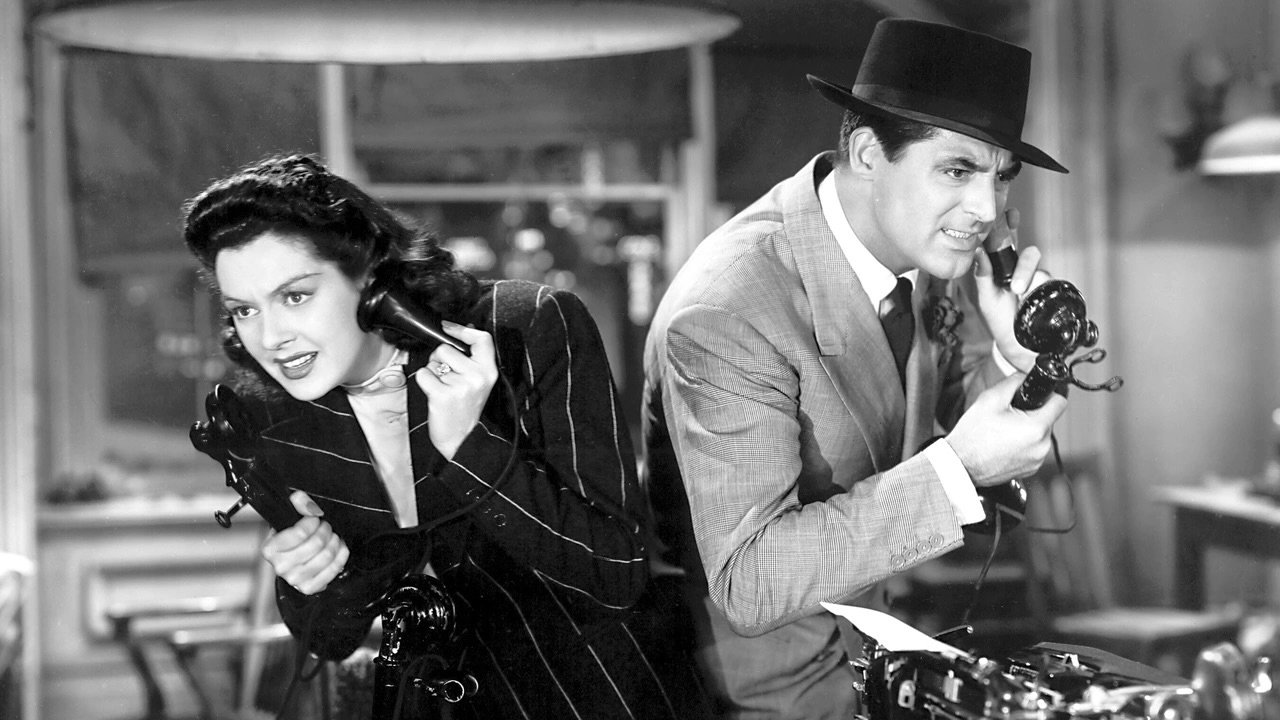
Then there’s Rosalind Russell. She wasn’t actually the first choice for the role—Hawks allegedly offered it to half of Hollywood, including Carole Lombard and Katharine Hepburn—but I honestly can't imagine anyone else holding the screen against Grant. She’s tough, smarter than every man in the room, and wears a series of hats that I am convinced were designed to weaponize her silhouette. She doesn't just play the "love interest"; she’s the engine of the film. When she dives back into a story about an escaped convict and a corrupt mayor, you see her soul light up. She belongs in the chaos.
And poor Ralph Bellamy. He plays Bruce Baldwin, the "other man." In the history of cinema, Bruce Baldwin is the most spectacularly punchable "nice guy" ever put to film. He’s the human equivalent of a beige cardigan. The movie treats him like a sacrificial lamb, and watching Grant lead him into one trap after another is a cruel, delightful sport.
The Art of the Coded Cynicism
What makes His Girl Friday feel so modern despite its 84-year-old vintage is its bone-deep cynicism. This is a movie about a man (played by John Qualen) who is about to be hanged, and the reporters are sitting in the press room playing cards, complaining about the lighting, and hoping the execution happens early so they can make their deadlines.
It’s dark stuff, but it’s wrapped in the glamorous sheen of Columbia Pictures’ production values. The cinematography by Joseph Walker (who worked on It Happened One Night) keeps the camera moving through the cramped press room, making us feel like we’re part of the pack. Behind the scenes, the production was a bit of a gamble. Cary Grant was one of the few stars who had gone "independent," moving away from the rigid studio contracts of MGM or Paramount to pick his own projects. You can tell he’s having the time of his life being the "bad guy" who wins.
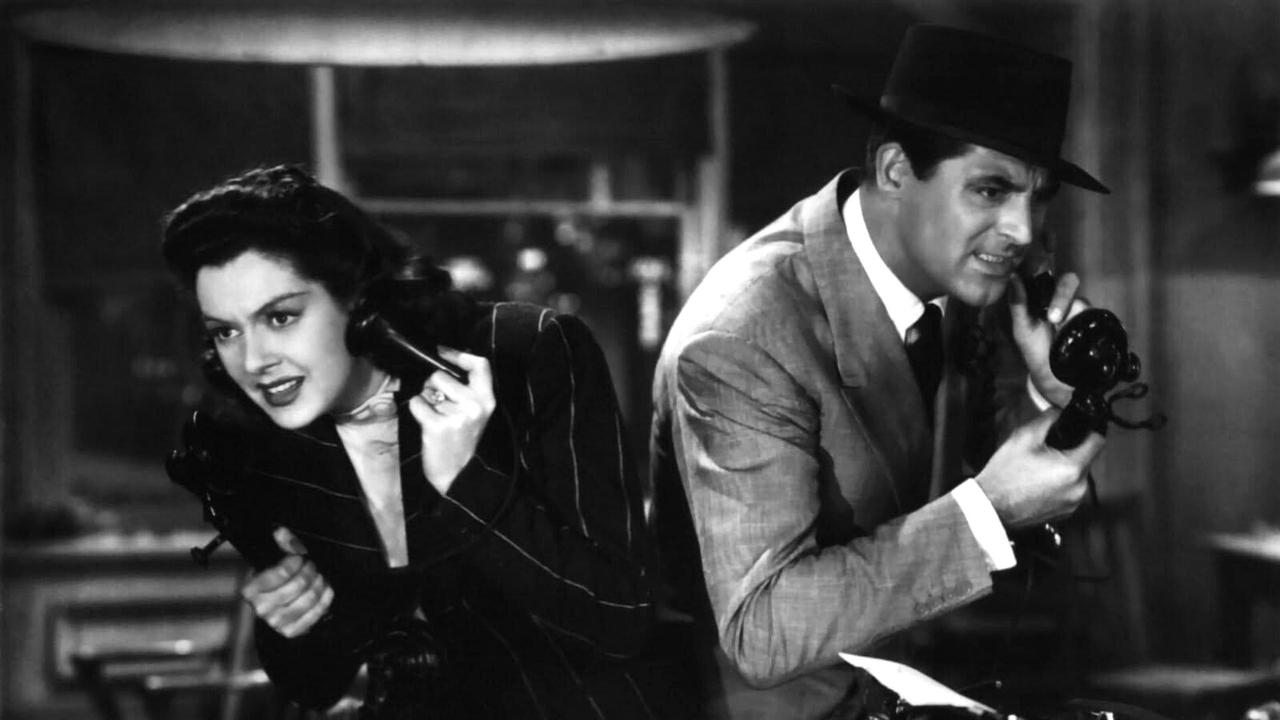
There’s also a fantastic bit of meta-humor for the eagle-eyed fans. At one point, Grant’s character describes a person by saying, "The last person that said that to me was Archie Leach, just a week before he cut his throat." Archie Leach was, of course, Cary Grant's real name. It’s that kind of cheeky, fourth-wall-prodding energy that makes the film feel alive and rebellious.
His Girl Friday is a reminder that the "Golden Age" wasn't just about sweeping romances and stiff melodramas. It was a time of incredible technical precision and sharp-tongued wit. It captures a specific American archetype—the fast-talking, coffee-chugging, morally-flexible journalist—and turns it into high art.
If you’ve never seen a screwball comedy, start here. It’s the ultimate "palate cleanser" for anyone who thinks old movies are boring. Just make sure you finish your tea before you hit play, because once Rosalind Russell starts talking, you won't have time to blink, let alone swallow. It's a loud, messy, brilliant whirlwind that proves the best special effect in cinema history is just two incredibly talented people talking over each other.

Keep Exploring...
-

Gentlemen Prefer Blondes
1953
-
Bringing Up Baby
1938
-
Sabrina
1954
-
The Seven Year Itch
1955
-
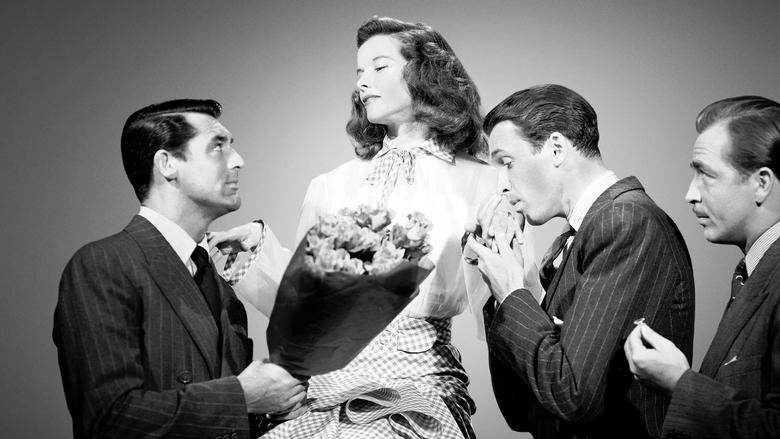
The Philadelphia Story
1940
-
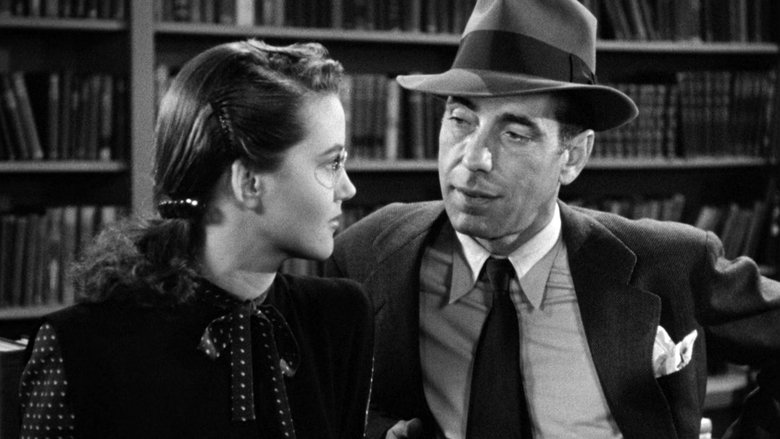
The Big Sleep
1946
-
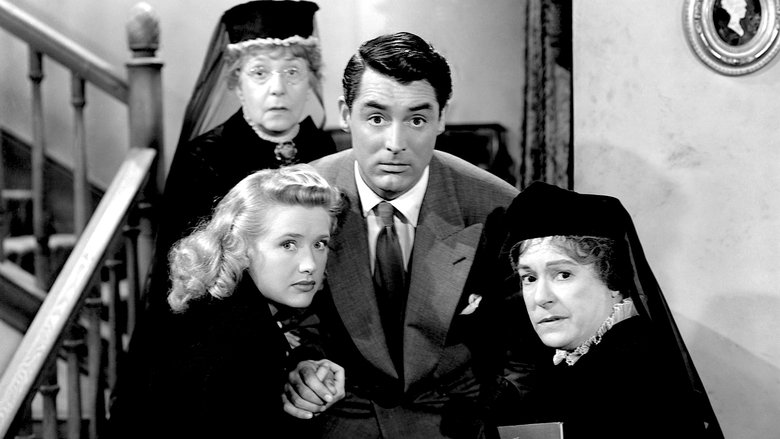
Arsenic and Old Lace
1944
-
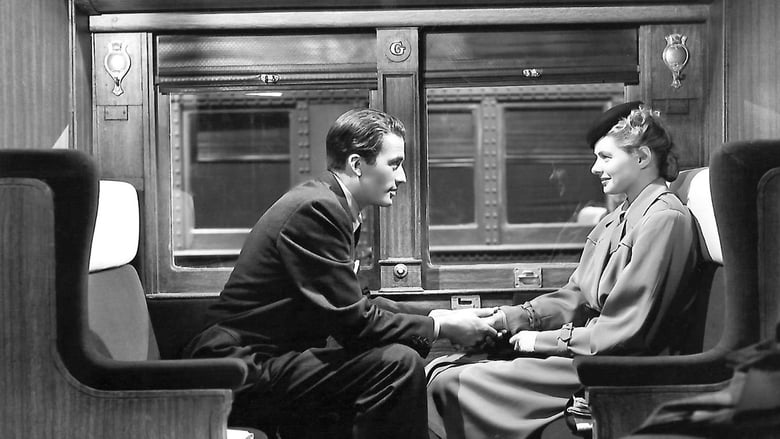
Spellbound
1945
-

Singin' in the Rain
1952
-

Roman Holiday
1953
-

Lady and the Tramp
1955
-

Some Like It Hot
1959
-
The Great Dictator
1940
-
Notorious
1946
-
The Trouble with Harry
1955
-
To Catch a Thief
1955
-

Rio Bravo
1959
-

The Circus
1928
-

Rebecca
1940
-
The Grapes of Wrath
1940