Pinocchio
"A wooden heart beats with terrifying ambition."
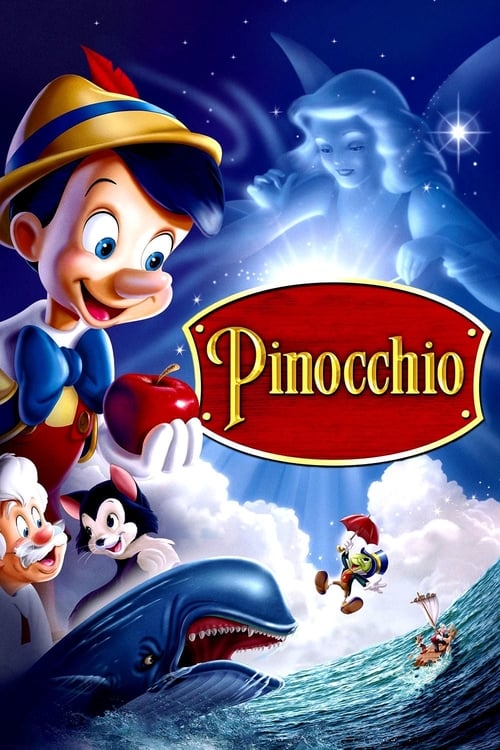
Most people remember "When You Wish Upon a Star" as a gentle, shimmering lullaby that eventually became the corporate anthem for the most powerful studio on the planet. But when I sat down to rewatch Pinocchio this morning—distracted only by my radiator, which has started making a sound like a wet flute—I was struck by how much of this movie is actually a nightmare. It is a gorgeously rendered, Technicolor fever dream about the terrors of being alive.
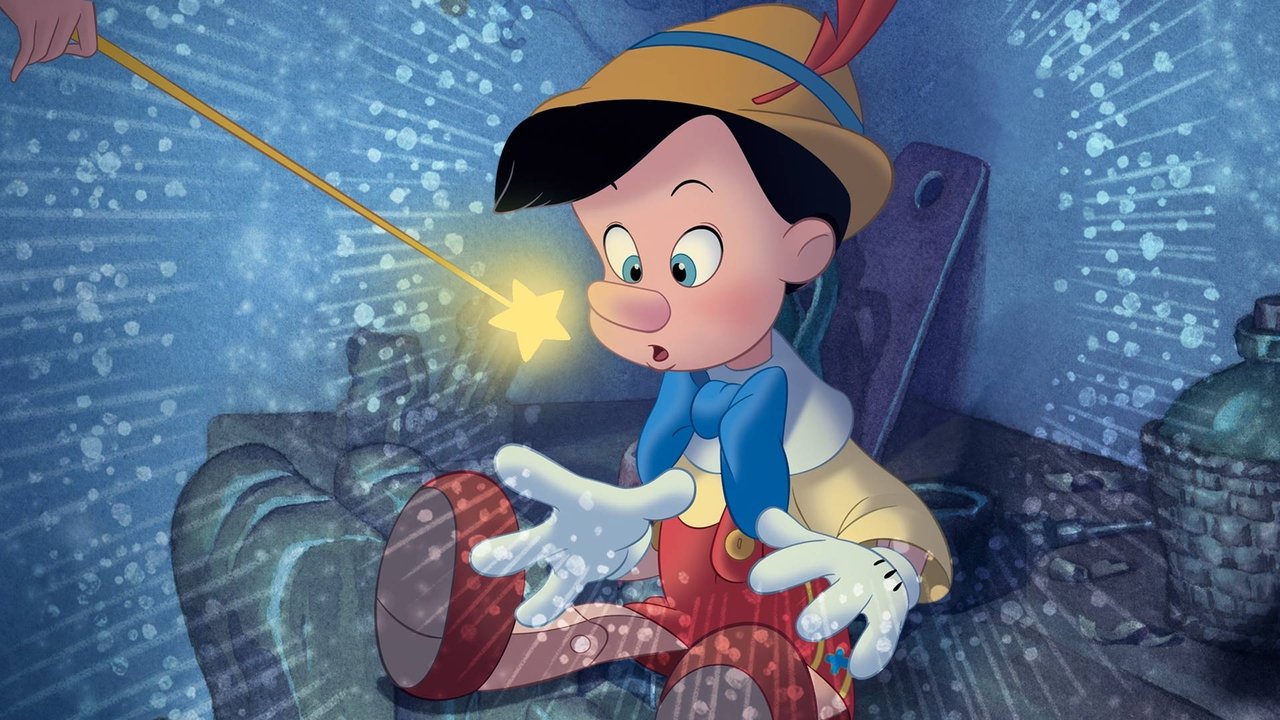
Following the massive success of Snow White and the Seven Dwarfs, Walt Disney found himself in the catbird seat of the Golden Age. He had the money, the momentum, and a staff of "Nine Old Men" who were essentially reinventing the physics of light and shadow on the fly. While the rest of Hollywood was busy perfecting the screwball comedy or the gritty noir, Disney was crafting a morality play that feels more like a psychological thriller than a Sunday school lesson.
The Art of the Impossible
The level of craftsmanship here is, frankly, intimidating. We often talk about the "studio system" as a factory, but Pinocchio feels like it was hand-carved by a perfectionist who didn't care about the budget. Which, as it turns out, was true. The film cost a staggering $2.6 million in 1940—nearly double the cost of Snow White. You can see every penny on the screen, specifically in the revolutionary use of the multiplane camera. When the camera pans through Geppetto’s village in the opening, it isn't just a flat drawing moving past; there’s a sense of three-dimensional space that most modern CGI still struggles to replicate with the same warmth.
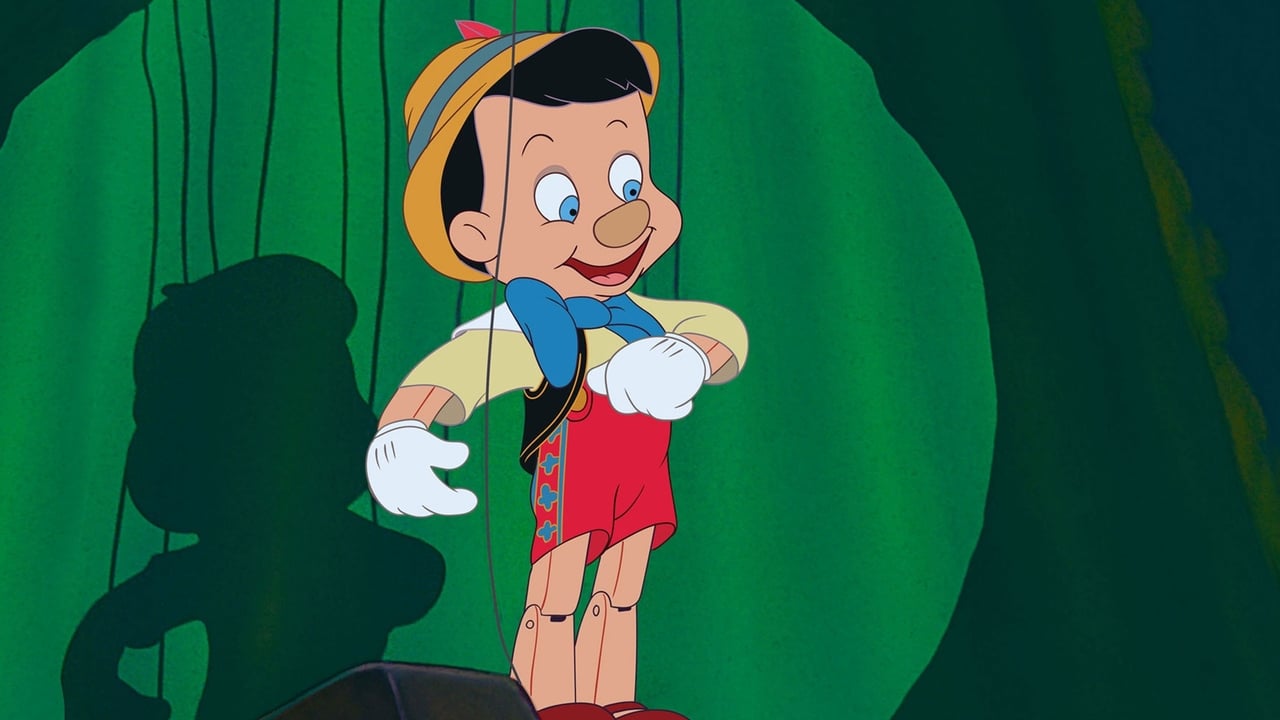
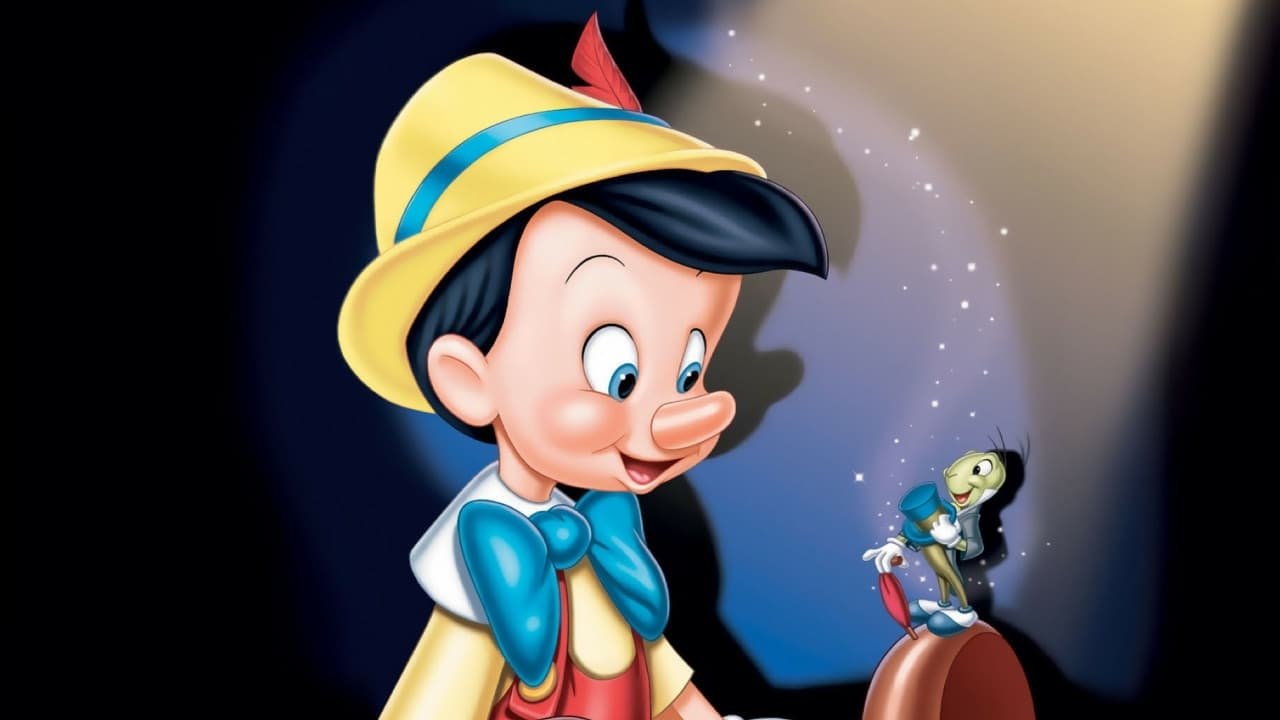
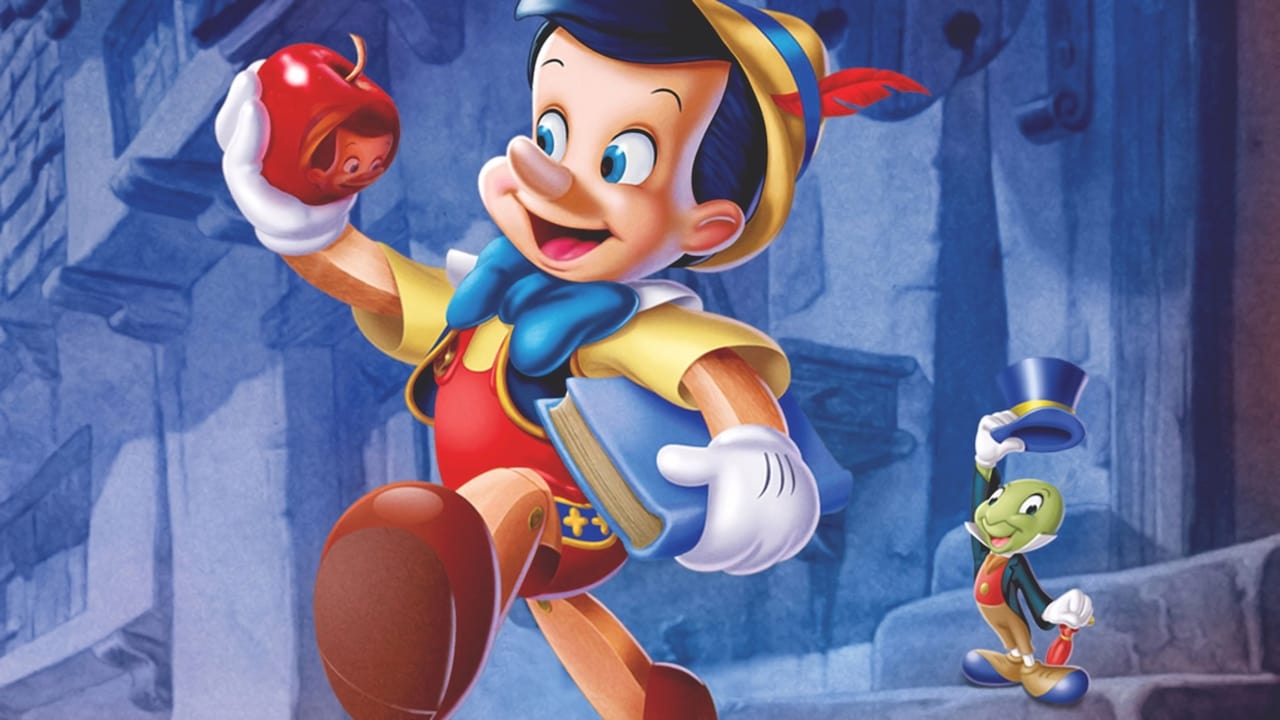
The "Drama" of this film isn't just in the plot; it’s in the incredible acting of the drawings. Dickie Jones provides the voice of Pinocchio, and he nails that specific brand of naive, high-pitched curiosity that makes his eventual corruption feel genuinely tragic. Watching him get "loaned out" to the puppet master Stromboli or lured away by Walter Catlett’s deliciously sleazy 'Honest John' Worthington Foulfellow is a masterclass in tension. Honest John is essentially a low-rent Vaudeville actor who realized it was easier to kidnap children than to find a decent booking. His chemistry with the silent, bumbling Gideon (voiced by Mel Blanc, though the studio famously cut all his dialogue except for a single hiccup) provides a cynical counterpoint to the wide-eyed innocence of our lead.
Pleasure Island and the Horror of Transformation
If you haven't seen this film since you were a toddler, you might have suppressed the Pleasure Island sequence. I certainly did. It is one of the most effective pieces of horror in cinema history. The transition from a rowdy, "boys-will-be-boys" carnival to the sheer, existential dread of the donkey transformation is a sequence that hits harder than most R-rated dramas. When Lampwick starts crying out for his mother as his ears grow and his hands turn to hooves, the film stops being a "Family" movie and becomes a harrowing look at the loss of humanity.
The "Drama" guidance for this review asks me to look at character depth, and it’s right here. Pinocchio isn't just a puppet who wants to be a boy; he’s a blank slate being torn between the hedonistic impulses of the world and the tiny, chirping conscience provided by Cliff Edwards as Jiminy Cricket. Jiminy is the ultimate "contract player" of the Disney world—hard-working, slightly cynical, and burdened with a job that is clearly above his pay grade. The weight of his failure to keep Pinocchio on the straight and narrow is palpable. You feel his frustration. You feel his guilt.
The Scale of the Spectacle
The final act, involving the giant whale Monstro, is where the "Blockbuster" elements of the 1940s really shine. The animation of the water—the foam, the transparency, the sheer crushing weight of the waves—was so complex that it set a standard for the industry that wouldn't be challenged for decades. It’s the kind of technical glamour that defined the era. Disney wasn't just making a movie; he was showing the world that animation could handle the same scale and emotional stakes as any MGM epic.
Interestingly, despite being a cultural touchstone now, the film actually struggled during its initial release because World War II cut off the European markets. It wasn't until the post-war re-releases that the box office climbed to its current $164 million heights. It’s a testament to the "industrial/commercial" durability of the studio system; they knew how to keep a product alive until the world was ready for it.
Even the background characters feel lived-in. Christian Rub brings a wonderful, eccentric pathos to Geppetto. He isn't just a plot device; he’s a lonely man who has projected all his hopes onto a piece of wood. When he’s swallowed by the whale, the stakes feel real because the performance—and the meticulous animation of his workshop—established a world worth saving.
Ultimately, Pinocchio remains the high-water mark of hand-drawn animation because it refuses to play it safe. It acknowledges that the world is full of predators, that being "good" is an active, difficult choice, and that sometimes you have to get swallowed by a whale to find out who you really are. The Blue Fairy is the original gaslighter, giving a puppet a moral compass and then leaving him to fight a literal giant sea monster to prove his worth. It’s a brutal, beautiful, and technically flawless piece of cinema that reminds us why the Golden Age earned its name. It’s a film that respects its audience enough to scare them, and that’s why we’re still talking about it eighty years later.
Keep Exploring...
-
Cinderella
1950
-
Fantasia
1940
-
Alice in Wonderland
1951
-
Peter Pan
1953
-

Snow White and the Seven Dwarfs
1938
-
Dumbo
1941
-

Lady and the Tramp
1955
-
Bambi
1942
-
One Hundred and One Dalmatians
1961
-
Sleeping Beauty
1959
-
The Rescuers
1977
-
The Little Mermaid
1989
-
Beauty and the Beast
1991
-

Aladdin
1992
-
Shrek
2001
-
Shrek 2
2004
-

The SpongeBob SquarePants Movie
2004
-
Ratatouille
2007
-
Horton Hears a Who!
2008
-
Coraline
2009