Rebecca
"The dead wife who won't move out."
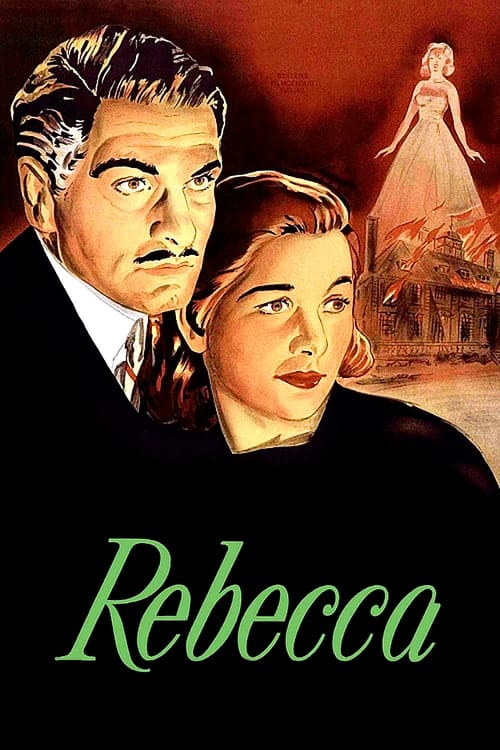
The first time I sat down to watch Rebecca, I was nursing a lukewarm cup of Earl Grey and wearing a pair of particularly itchy wool socks. About forty minutes into the film, I realized my tea had gone stone cold and I’d kicked the socks across the room in a fit of sympathetic anxiety. That is the Hitchcock effect in a nutshell. You don’t just watch a movie like Rebecca; you succumb to it, much like the nameless protagonist succumbs to the crushing, salt-sprayed atmosphere of Manderley.
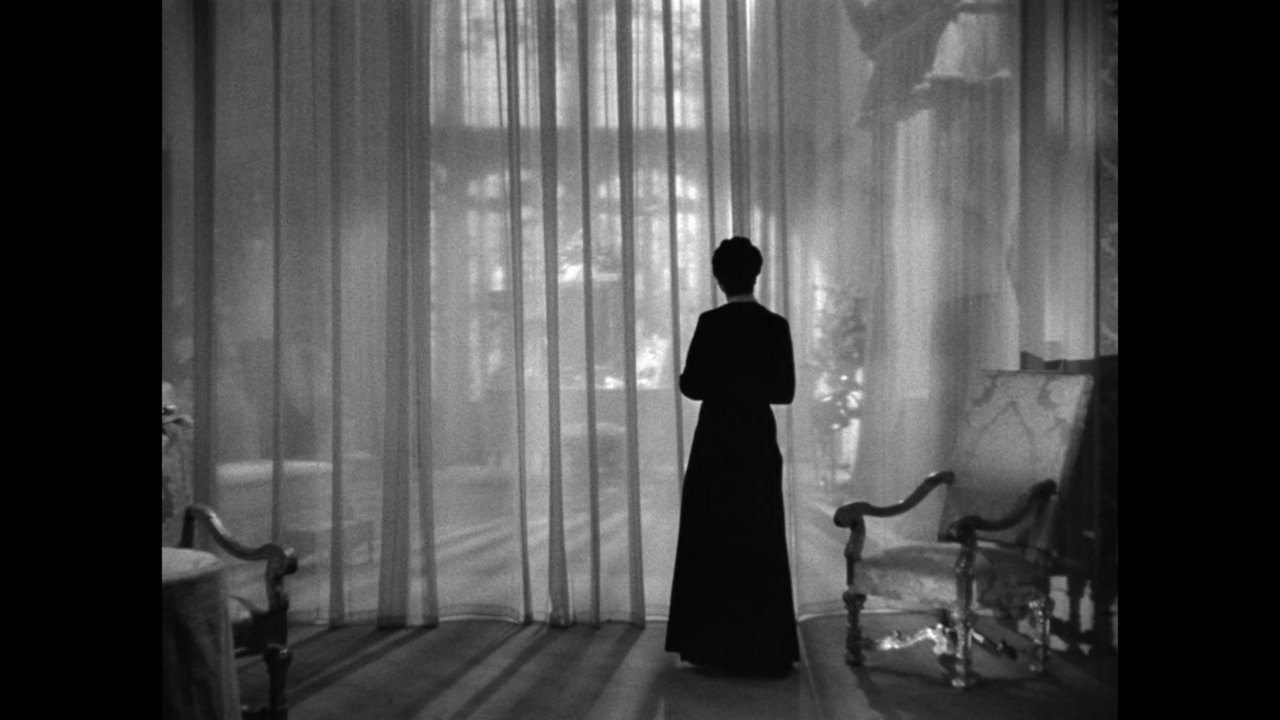
This wasn't just another thriller. This was Alfred Hitchcock’s grand debut in America, the moment the "Master of Suspense" met the ego of mega-producer David O. Selznick. It’s a collision of British psychological precision and the sheer, expensive weight of the Hollywood studio system. The result is a Gothic romance that feels like it was filmed inside a nightmare you can't quite wake up from.
The Girl with No Name and the Shadow of a Legend
The story begins with a classic "meet-cute" that quickly curdles. A shy, clumsy paid companion—played with a heartbreakingly fragile brilliance by Joan Fontaine—falls for a wealthy, brooding widower named Maxim de Winter (Laurence Olivier). After a whirlwind courtship in Monte Carlo, they return to his ancestral estate, Manderley. But the house is a mausoleum dedicated to the first Mrs. de Winter: the beautiful, sophisticated, and very dead Rebecca.
Joan Fontaine is the anchor here. She is the only person in the film who doesn't get a name, and that’s the point. She is an interloper in her own life. It’s well-documented that Hitchcock basically gaslit Fontaine on set, telling her that the rest of the cast hated her to keep her in a state of perpetual nervous exhaustion. It worked. You can see the tremor in her hands every time she drops a vase or fumbles a social cue.
Opposite her, Laurence Olivier is a walking storm cloud. He plays Maxim with a sharp, aristocratic edge that makes you wonder if he’s a romantic hero or a man who has genuinely lost his mind. There is a specific coldness in his eyes that keeps you from ever fully trusting him, even when he’s whispering sweet nothings. He famously wanted his girlfriend, Vivien Leigh (hot off Gone with the Wind), for the lead role and supposedly treated Fontaine like dirt because she got the part instead. The man’s ego was big enough to have its own zip code, but it translated perfectly into Maxim’s dismissive, tortured persona.
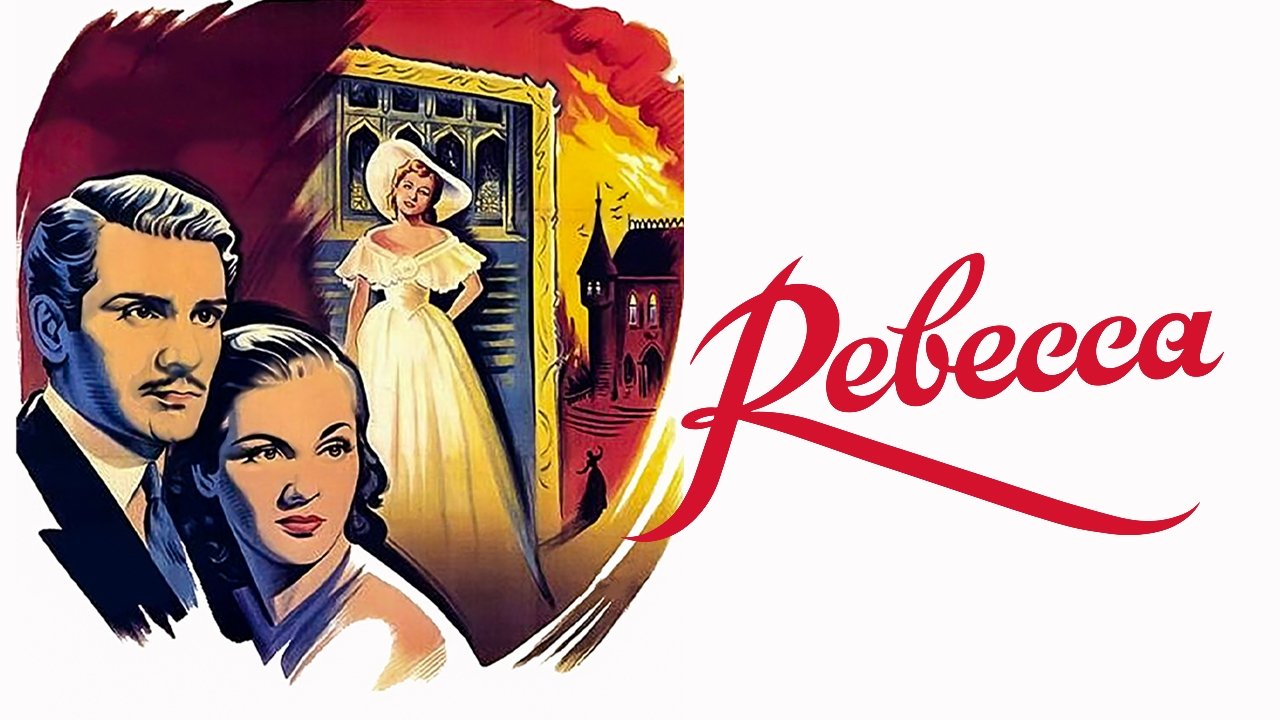
The Gliding Terror of Mrs. Danvers
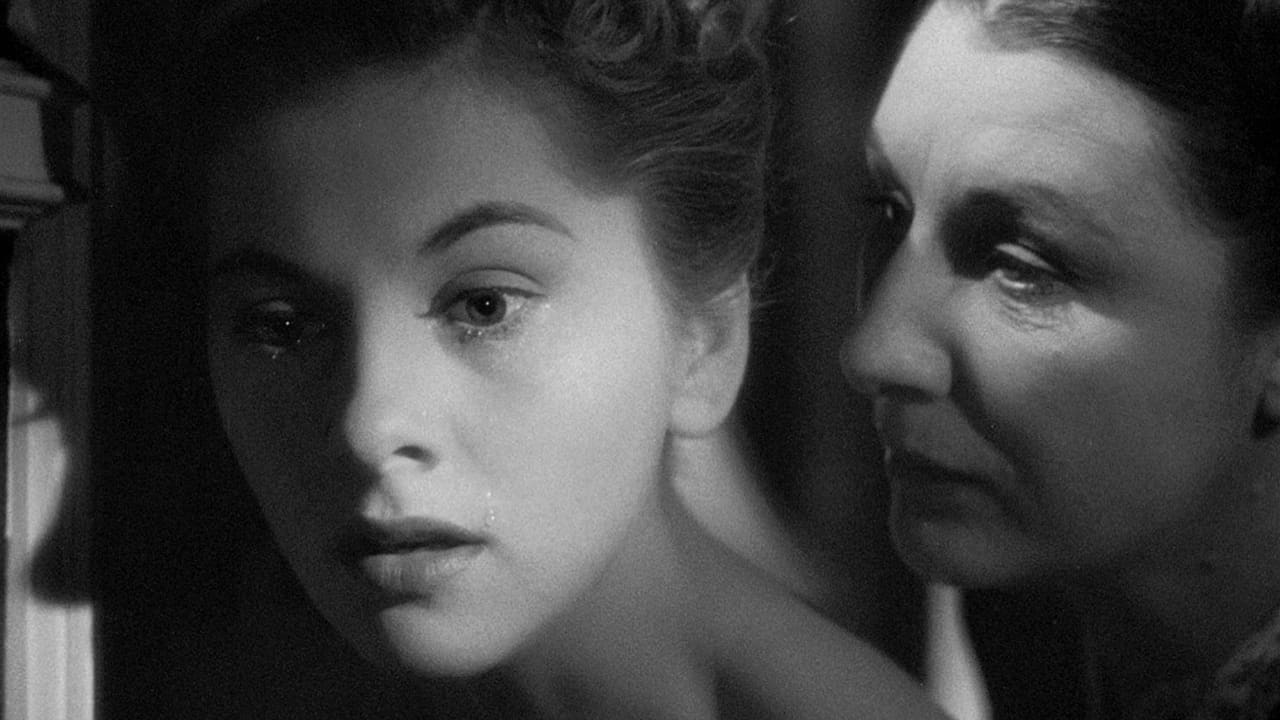
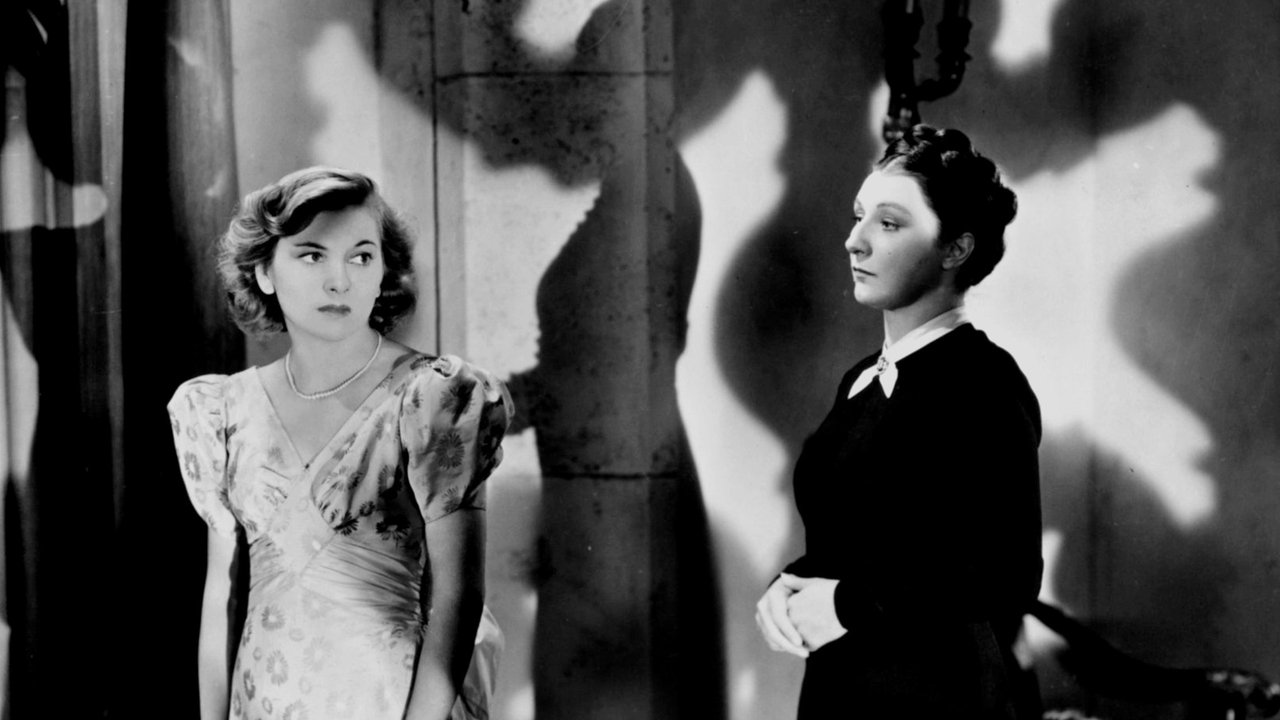
While the romance is the hook, the horror is found in the hallway. Judith Anderson’s performance as Mrs. Danvers, the housekeeper obsessed with the late Rebecca, is one of the most unsettling turns in cinema history. Danvers doesn’t walk; she glides. Hitchcock directed her to rarely blink and to never be seen entering a room—she is just there, standing in the shadows like a vulture in a silk dress.
The psychological warfare she wages on the new Mrs. de Winter is genuinely harrowing. There is a scene involving a sheer curtain and a suggestion of suicide that still feels incredibly modern in its cruelty. It’s the kind of performance that makes you want to check behind your own shower curtain before you go to bed. Judith Anderson basically invented the "creepy housekeeper" trope and then retired the trophy.
Studio Polishing vs. Director Vision

Behind the scenes, this was a battle of the titans. Selznick, fresh off the success of Gone with the Wind, wanted a literal page-for-page adaptation of Daphne du Maurier’s novel. Hitchcock, who liked to "write" with the camera, wanted to trim the fat. This tension actually benefited the film. Selznick ensured the production looked like a million dollars—the sets of Manderley are cavernous, oppressive, and gorgeous—while Hitchcock ensured that every frame felt like a tightening noose.
One of the most fascinating bits of trivia involves the Production Code. In the original book, Maxim actually murdered Rebecca in a fit of rage. However, the censors of the 1940s wouldn't allow a murderer to go unpunished. The screenplay had to be changed so that her death was an accident. Usually, censorship ruins the art, but here, it adds a layer of tragic irony that makes the final act even more haunting. It shifted the focus from a crime story to a ghost story where the ghost is just a memory.
The cinematography by George Barnes deserves its own trophy. He uses shadows to make Manderley feel like it’s breathing. Every doorway is a mouth, every hallway is a throat. Even though the movie is over 80 years old, the black-and-white palette feels richer and more "colorful" than most modern 4K blockbusters. The way the mist rolls off the Cornish coast looks less like weather and more like the house is exhaling its secrets.
Rebecca is the gold standard for atmospheric drama. It’s a film that understands that the scariest things aren't jump scares or monsters, but the feeling that you aren't good enough to live up to a ghost. It manages to be a romance, a mystery, and a horror movie all at once without ever losing its poise. If you’ve never been to Manderley, it’s time to take the trip. Just make sure your tea is hot and your socks aren't itchy, because once the fire starts in the final act, you won't be looking away.
Keep Exploring...
-
Suspicion
1941
-
Spellbound
1945
-
Notorious
1946
-
To Catch a Thief
1955
-

Vertigo
1958
-
Rear Window
1954
-
Shadow of a Doubt
1943
-
The Man Who Knew Too Much
1956
-
Marnie
1964
-
Rope
1948
-
North by Northwest
1959
-
Psycho
1960
-
Strangers on a Train
1951
-
Dial M for Murder
1954
-
The Maltese Falcon
1941
-
The 39 Steps
1935
-
The Lady Vanishes
1938
-
The Birds
1963
-
The Big Sleep
1946
-
The Trouble with Harry
1955