The Grapes of Wrath
"Twelve hundred miles of dust and dignity."
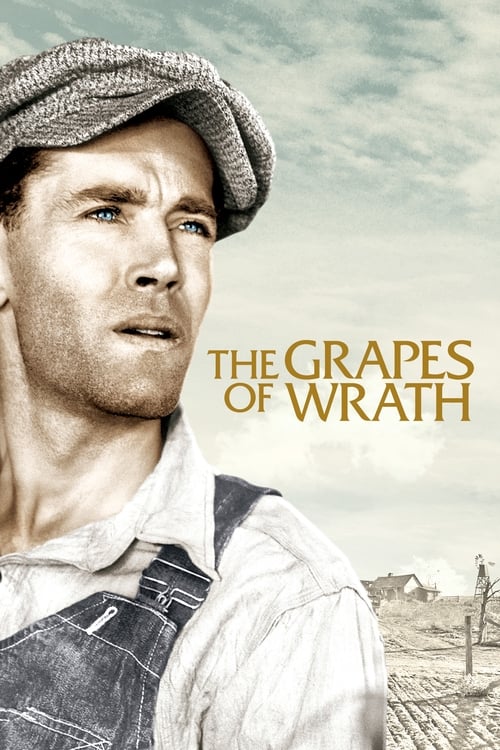
Imagine the 1940s Hollywood glamour machine—the gowns, the spotlights, the champagne—and then watch it all get ground into the dirt by a 1926 Hudson Super Six truck. When John Ford decided to adapt John Steinbeck’s "The Grapes of Wrath," he wasn't just making a movie; he was performing a cinematic autopsy on the American Dream while the body was still warm. I watched this again last Tuesday while eating a slightly stale sleeve of saltines, and the crunch of the crackers felt like a percussive accompaniment to the dry, parched landscapes of the Oklahoma Dust Bowl.
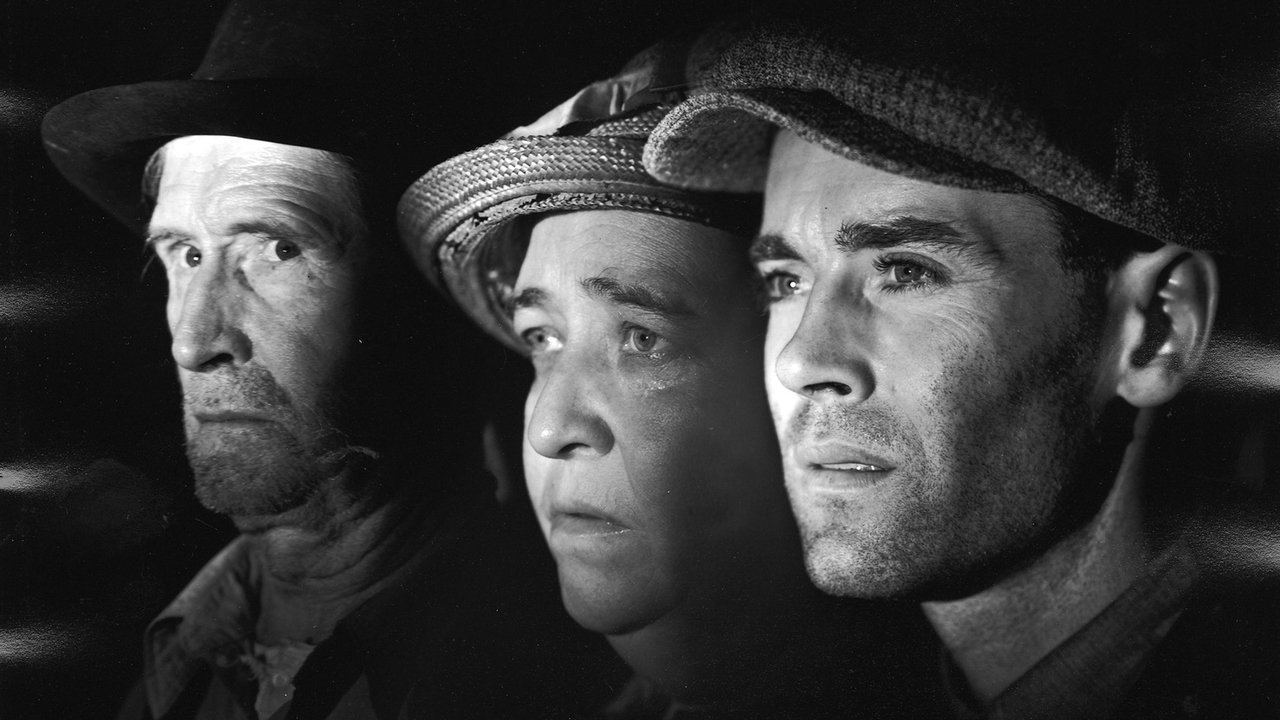
Released just a year after the novel set the country on fire, the film arrived at a time when the studio system was at its most polished. Yet, under the guidance of producer Darryl F. Zanuck and the legendary cinematographer Gregg Toland (who would later give Citizen Kane its deep-focus DNA), the film looks less like a high-budget production and more like a series of haunted daguerreotypes. It’s a drama that asks a terrifying philosophical question: What happens to a person’s soul when the land they belong to decides they no longer belong to it?
The Soul of the Joads
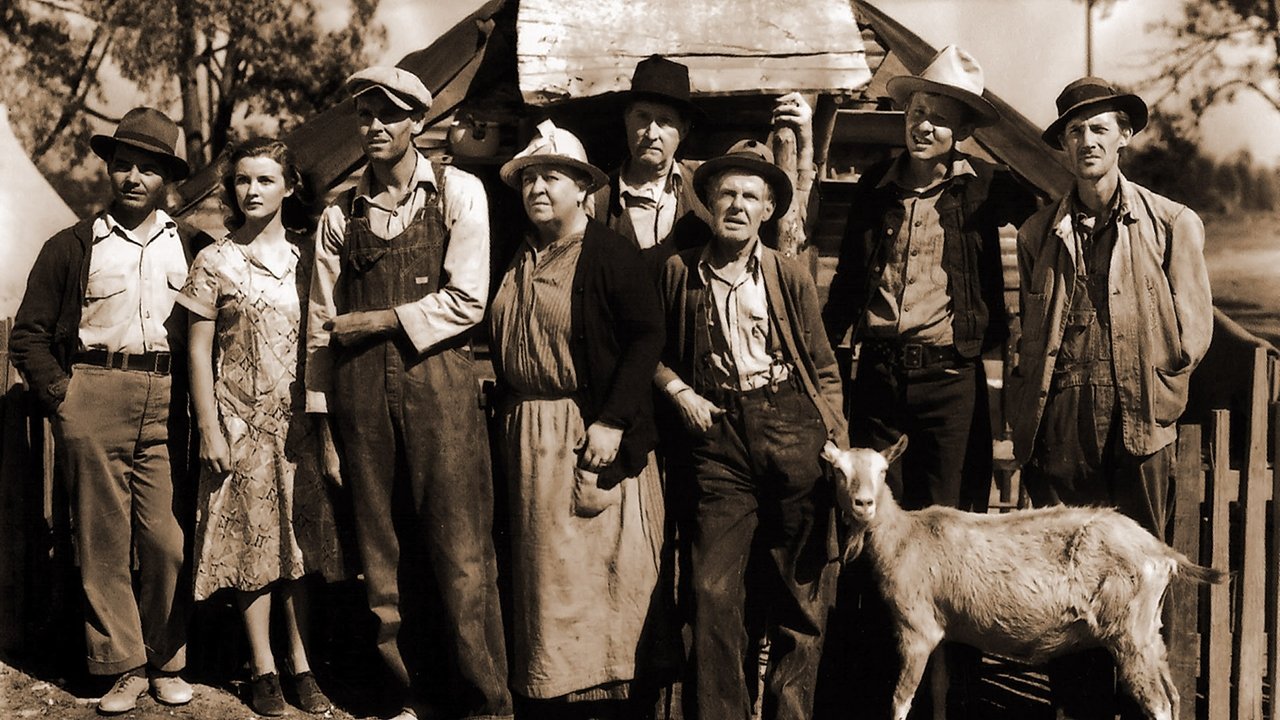
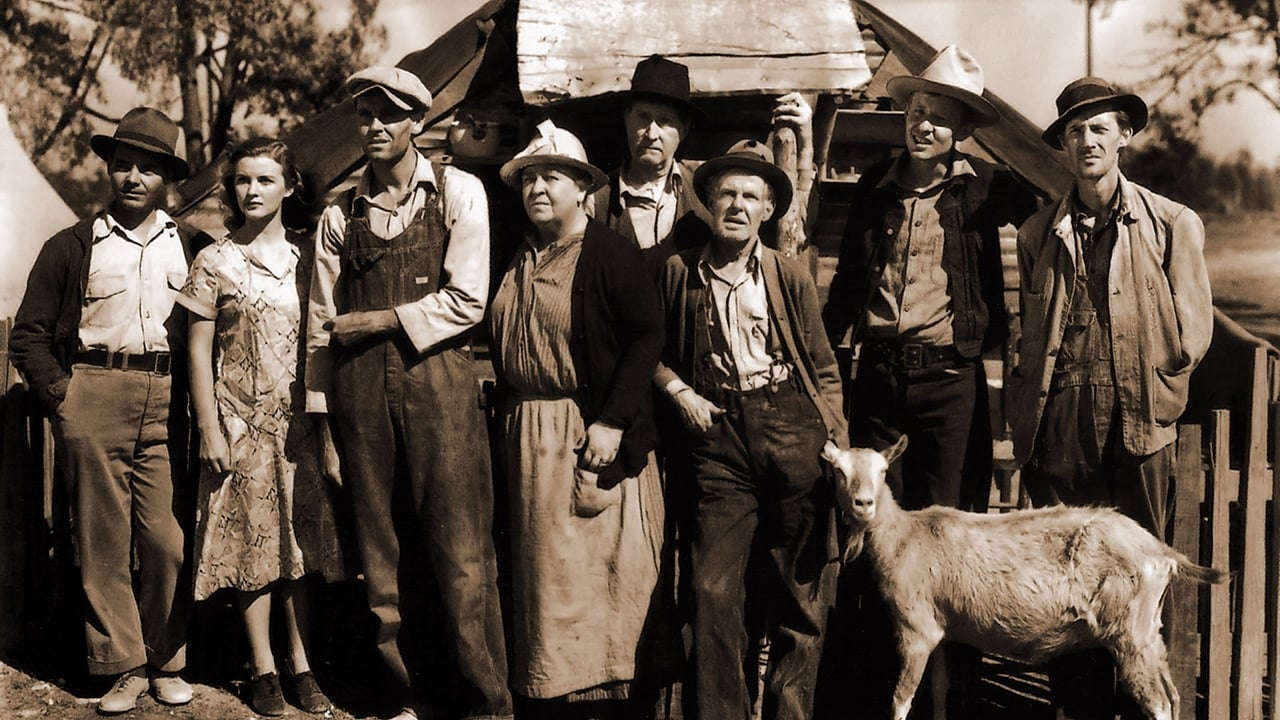
At the center of this existential crisis is Henry Fonda as Tom Joad. Henry Fonda’s ears are the most expressive part of his early career acting, but here, it’s his eyes that do the heavy lifting. He plays Tom not as a hero, but as a man trying to find the boundary where his individual anger ends and a collective movement begins. When he first encounters John Carradine’s Casy—a "burning busher" who’s lost his faith but found his humanity—the film stops being a simple road movie and starts being a meditation on the "One Big Soul."
Casy is the intellectual heartbeat of the film. He’s a man grappling with the idea that holiness isn't found in a church, but in the "we" of the people. This shift from "I" to "We" is the cerebral core of the story. The Joads aren't just losing a farm; they are losing the very definition of their identity. John Ford, usually known for the sweeping Western vistas of Stagecoach (1939), uses the cramped confines of the family truck to create a pressurized environment where character is forced to the surface. The Joads' truck deserves its own SAG card for the amount of heavy lifting it does, both literally and emotionally.
Toland’s Shadow Play
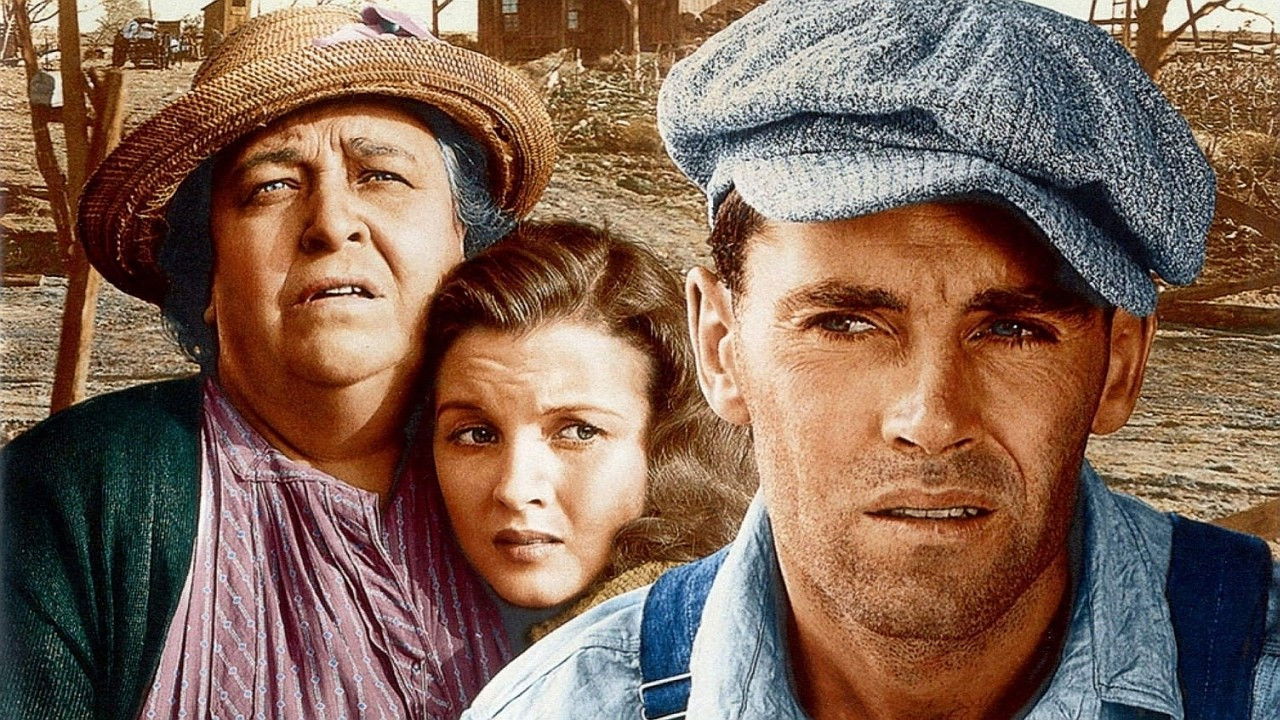
We have to talk about Gregg Toland. In the Golden Age, stars were usually lit to look like gods. Here, Toland lights them like prisoners. There’s a scene early on where Tom visits his abandoned home, lit only by a flickering candle. The shadows are so deep they feel heavy, pressing in on the characters. It’s a visual representation of the foreclosure—the darkness of the bank literalized.
The film manages to subvert the usual studio gloss by leaning into a stark, almost documentary-like aesthetic. Apparently, Darryl F. Zanuck was so worried about the political blowback from the powerful California landowners that he filmed under the working title "Highway 66" and sent investigators to the migrant camps to ensure the film wasn't exaggerating the squalor. Turns out, the reality was actually worse than the script, which forced the production to maintain a level of grit that was rare for 20th Century Fox at the time.
The Matriarchal Anchor
While Henry Fonda is the face of the film, Jane Darwell as Ma Joad is its spine. She won an Oscar for this, and every second of her performance earns it. In a decade where women were often relegated to being the romantic interest or the damsel, Ma Joad is the strategist, the protector, and the philosopher. Her final speech about "the people" is often cited as a bit of Hollywood sentimentality, but in the context of the era’s censorship, it’s a radical statement of endurance.
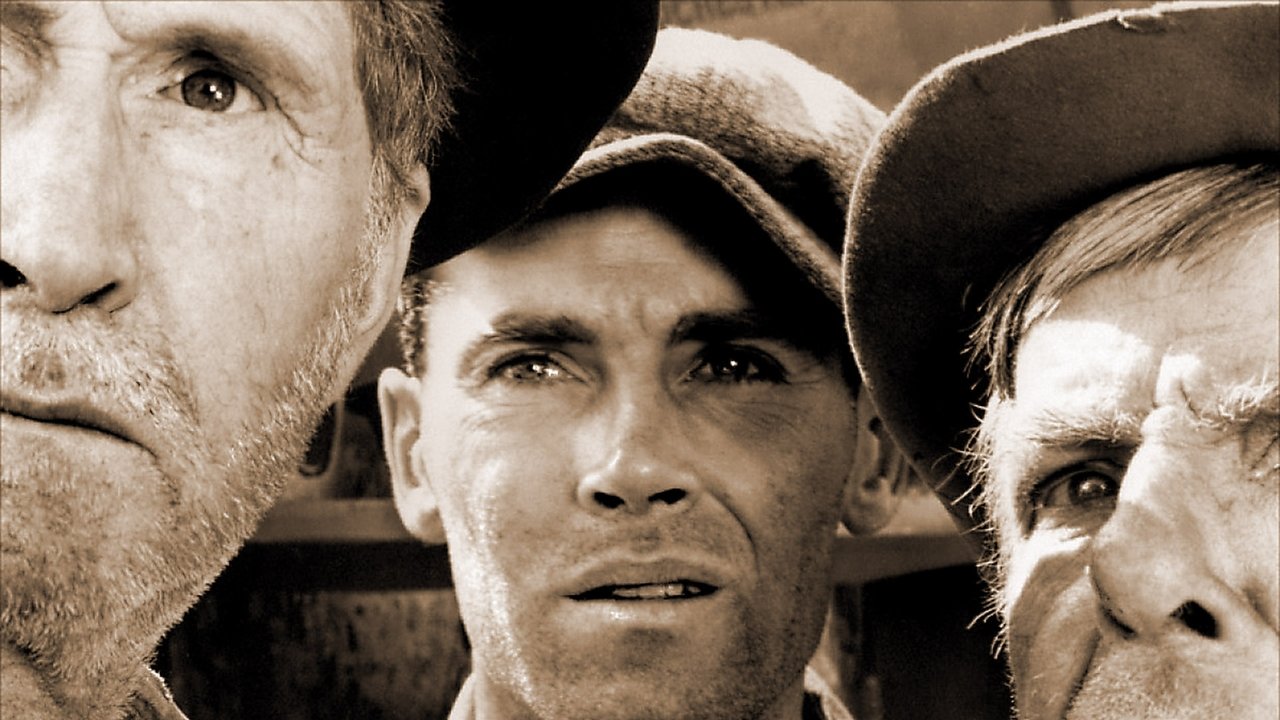
The Production Code was breathing down their necks, making sure they didn't get too "revolutionary," yet Ford and screenwriter Nunnally Johnson managed to smuggle in a scathing critique of corporate greed. They did this by focusing on the domestic. By showing Ma Joad meticulously sorting through her life's trinkets before burning the ones she can't carry, the film makes the macro-economic disaster feel intensely, painfully personal. It’s the kind of performance that makes you want to call your mother and apologize for every time you forgot to say thank you.
The Grapes of Wrath is a rare example of a film that manages to be both a product of its industrial system and a subversion of it. It takes the "Golden Age" tools of high-contrast lighting and star power to tell a story about the people the system left behind. Even though the film softens Steinbeck's ending—exchanging a controversial scene of biological survival for a hopeful speech about the resilience of the working class—it remains an intellectual powerhouse. It’s a film that demands you look at the dust on your own shoes and wonder where they've taken you.
Keep Exploring...
-

The Searchers
1956
-

Laura
1944
-

The Man Who Shot Liberty Valance
1962
-
The Treasure of the Sierra Madre
1948
-

All About Eve
1950
-
Sabrina
1954
-
Rebel Without a Cause
1955
-
Citizen Kane
1941
-
Casablanca
1943
-
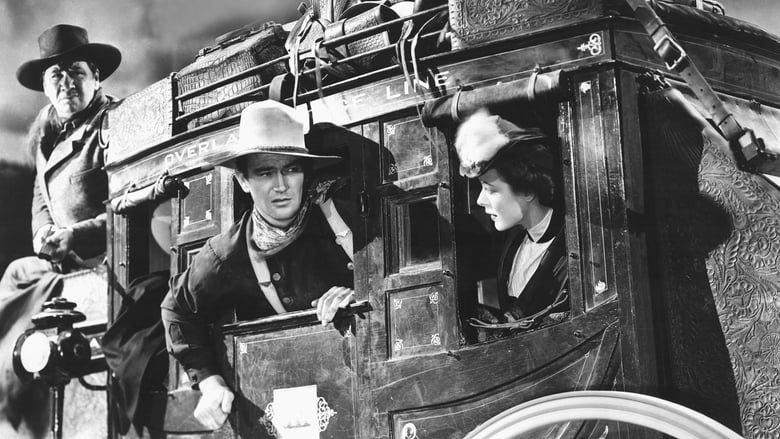
Stagecoach
1939
-

Ikiru
1952
-
Tokyo Story
1953
-
La Strada
1954
-
Throne of Blood
1957
-
Wild Strawberries
1957
-

Hiroshima Mon Amour
1959
-
It's a Wonderful Life
1946
-
Sunset Boulevard
1950
-
High Noon
1952
-
12 Angry Men
1957