The Great Dictator
"The world's greatest clown versus its most dangerous monster."
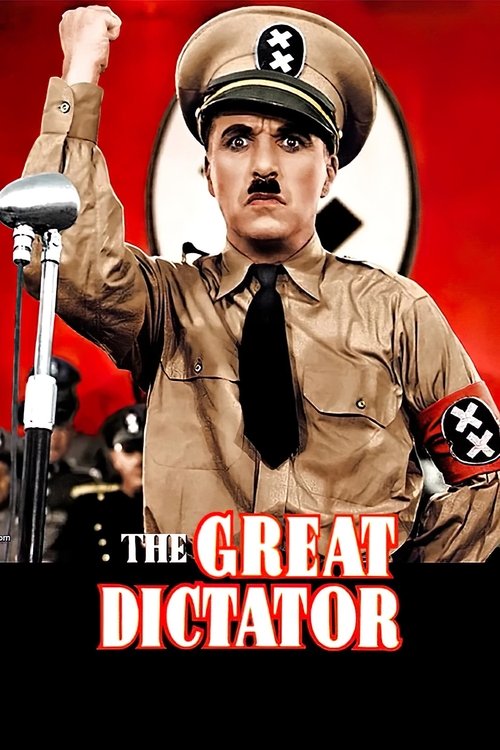
I watched this again last night while my neighbor was loudly assembling some IKEA furniture through the wall, and the rhythmic thump-thump of his hammer strangely synchronized with the opening battle scenes. It was a bizarre way to revisit a masterpiece, but somehow, that mundane domestic noise made the stakes of Charlie Chaplin’s 1940 satire feel even more immediate.
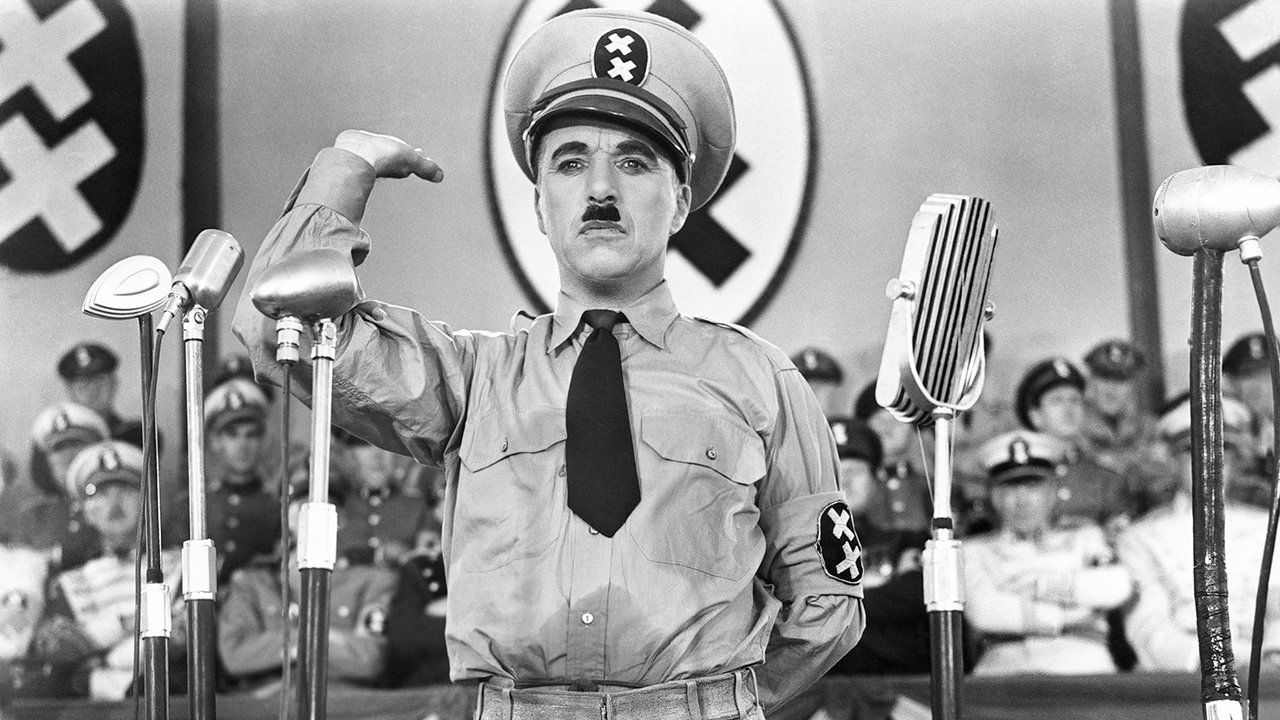
There is a singular, terrifying bravery in The Great Dictator. Imagine being the most recognizable person on the planet and deciding to spend two million dollars of your own money—a staggering fortune in 1939—to mock a genocidal tyrant who was currently swallowing Europe whole. At a time when the major studios were terrified of losing the German market and the U.S. government was clinging to isolationism, Chaplin didn’t just "read the room"—he set the room on fire.
The Independent Hustle of a Silent Giant
We often forget that Charles Chaplin Productions was the ultimate independent outfit. While MGM and Paramount were busy managing stables of contract stars and bowing to the Hays Office, Chaplin was his own boss, his own financier, and his own harshest critic. He spent over five hundred days filming this, obsessively tweaking the balance between his signature slapstick and the grim reality of the Jewish ghettos.
The production was a minefield. The British government originally said they’d ban the film to appease the Nazis (they changed their tune once the bombs started falling), and the FBI started a file on Chaplin because of his "political leanings." To make a film this expensive outside the studio system, while the world was actively trying to stop you, is a level of artistic "hustle" that makes modern indie darlings look like they’re playing with blocks. Chaplin knew that if this flopped, his career—and his fortune—was finished. Instead, it became his biggest box office hit, proving that audiences were hungry for someone to finally say the quiet part out loud.
A Ballet of Hate and a Barber’s Grace
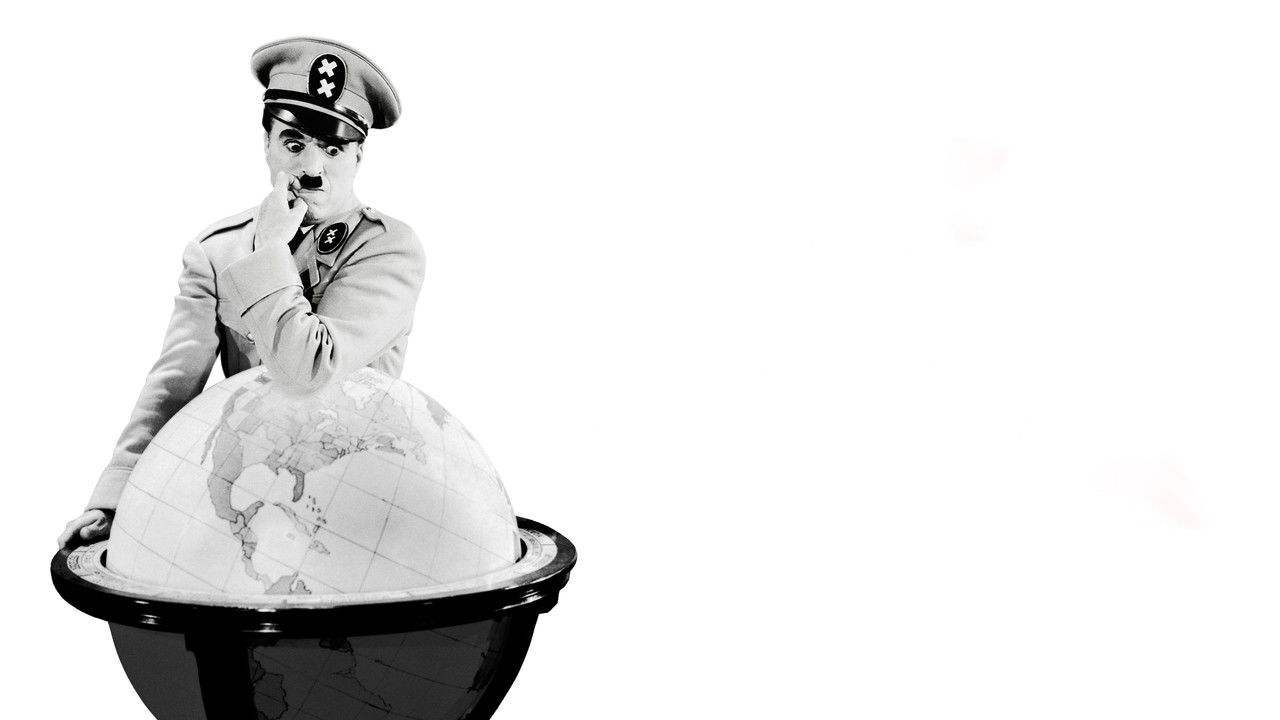
The film’s genius lies in its duality. Charlie Chaplin plays two roles: Adenoid Hynkel, the buffoonish Dictator of Tomania, and an unnamed Jewish Barber suffering from amnesia. It’s a brilliant bit of casting that highlights the absurdity of the "Great Man" theory—the only thing separating the tyrant from the victim is a uniform and a loud voice.
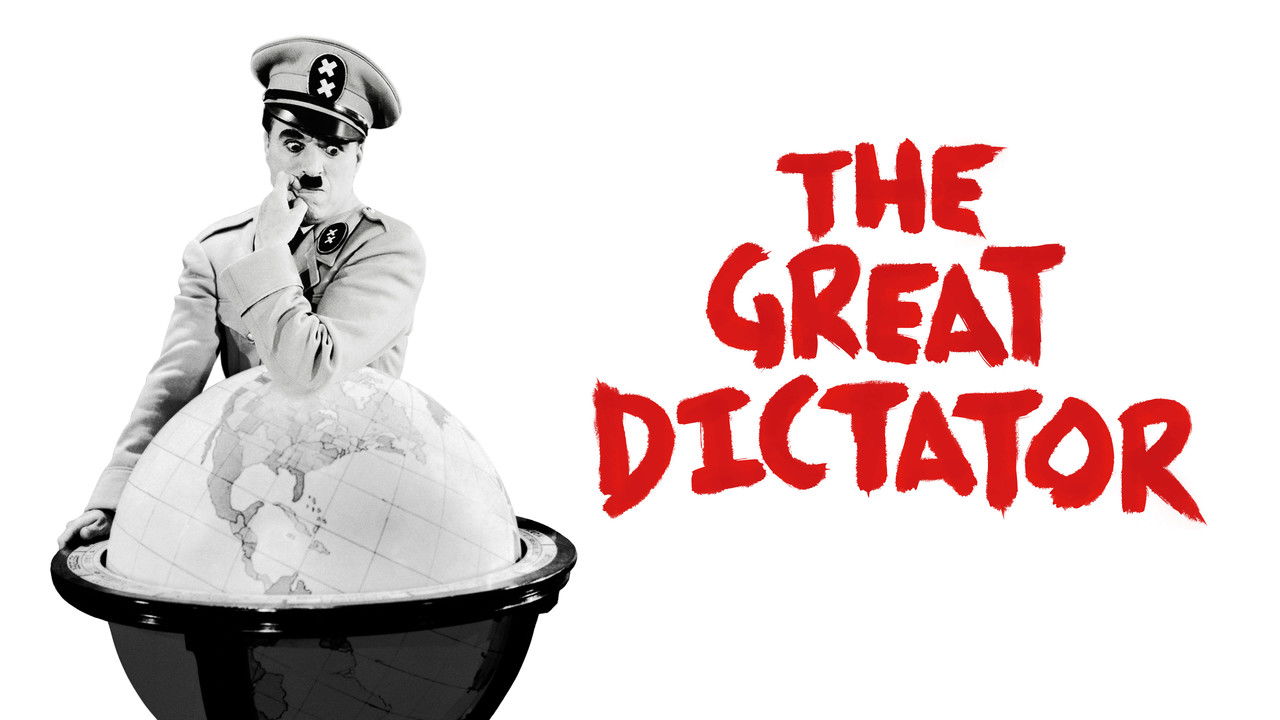
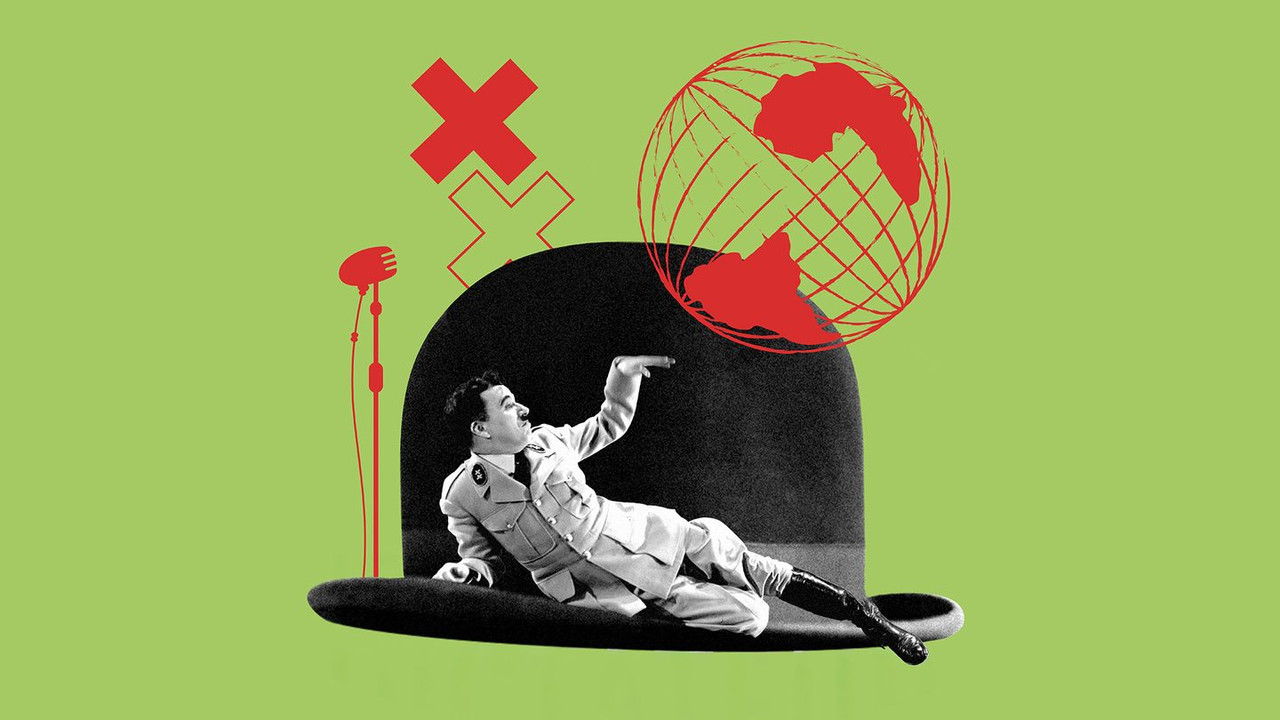
Hynkel is a comedic marvel of controlled chaos. When Chaplin delivers those speeches in a mock-German gibberish, he isn't just making funny sounds; he’s deconstructing the very mechanics of demagoguery. He captures the spittle-flecked rage and the sudden, fragile insecurities of a man who needs a taller chair than his rivals just to feel human. The legendary "globe dance" is perhaps the most famous sequence in cinema history, and for good reason. Watching Hynkel bounce the world off his backside to the strains of Wagner is both beautiful and deeply unsettling. It’s a dance of pure, narcissistic evil.
Then there’s the Barber. This is where the film maintains its soul. Accompanied by the luminous Paulette Goddard (who brings a grounded, fiery defiance to the role of Hannah), the Barber’s scenes provide the slapstick we expect from Chaplin—the shaving of a customer to Brahms’ Hungarian Dance No. 5 is a masterclass in timing—but they are shot through with a genuine sense of dread. The sight of stormtroopers painting "Jew" on windows wasn't a historical reenactment in 1940; it was current events. Chaplin’s physical comedy in the ghetto feels like a desperate act of survival rather than just a gag.
The Weight of the Word
Because this was Chaplin’s first true "talkie," the world was waiting to hear what the Little Tramp’s voice actually sounded like. He makes us wait for it. For nearly two hours, he gives us the pantomime and the gibberish, building the tension until the famous final six-minute speech.
I know some modern critics find the ending "preachy," but I completely disagree. When the Barber is mistaken for Hynkel and forced to address the massive Tomanian army, Chaplin steps out of character. He looks directly into the lens, his eyes glassy and pleading, and speaks not as a barber or a dictator, but as a man who is terrified for the future of humanity. It’s an intense, somber break from the comedy that demands your attention. If you aren't moved by that speech, you might actually be made of LEGOs.
The supporting cast earns their keep here, too. Jack Oakie as Benzino Napaloni (a thinly veiled Mussolini) is a riot. The chemistry between Oakie and Chaplin during the stadium scene—a literal "mine is bigger than yours" contest involving barber chairs—is the peak of 1940s comedic ensemble work. Henry Daniell as Garbitsch (Goebbels) provides the necessary chill, playing the role with a cold, reptilian precision that reminds you that behind every loud-mouthed clown is a silent, calculating strategist.
The Great Dictator is that rare artifact: a film that is both a time capsule of a world on the brink of collapse and a timeless warning against the next Hynkel waiting in the wings. It’s funny, yes, but it’s a heavy kind of funny. It’s the sound of a man using his last bit of leverage to scream "stop" at a speeding train. Even if you usually find old black-and-white films a bit slow, give this one those 125 minutes. It’s one of the few times cinema actually tried to save the world.
My cat, Barnaby, actually hissed during Hynkel’s first shouting match with a microphone, which I took as a sign of his impeccable taste in historical satire. You really haven't lived until you've seen a silent film icon conquer the sound era by telling a tyrant to go jump in a lake. It’s bold, it’s dark, and it’s arguably the most important comedy ever made.
Keep Exploring...
-
Modern Times
1936
-
The Kid
1921
-
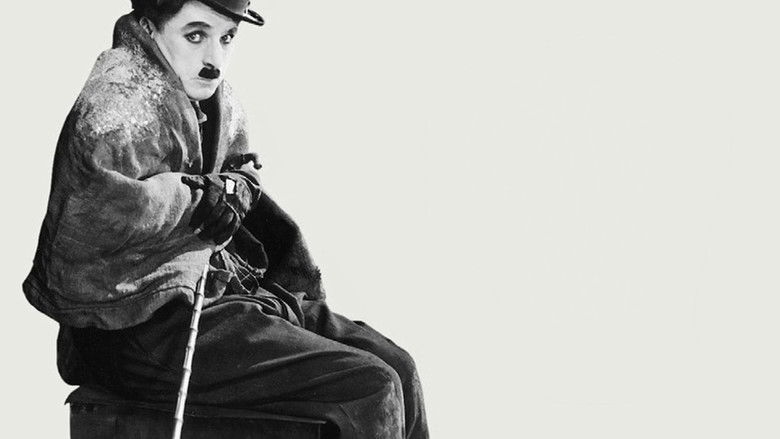
The Gold Rush
1925
-

City Lights
1931
-

The Circus
1928
-
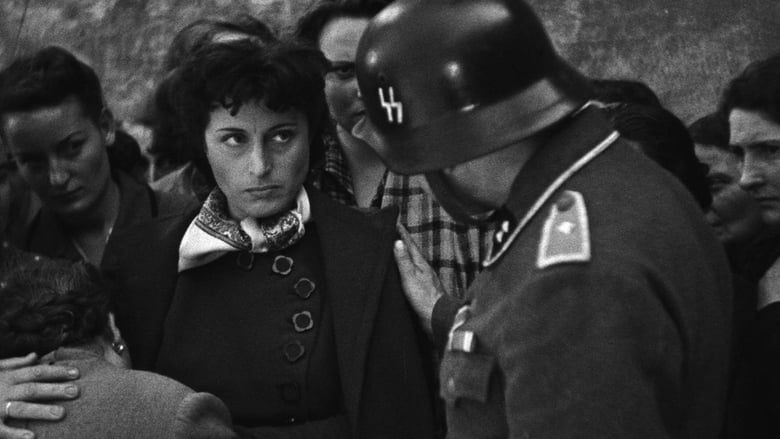
Rome, Open City
1945
-

Some Like It Hot
1959
-
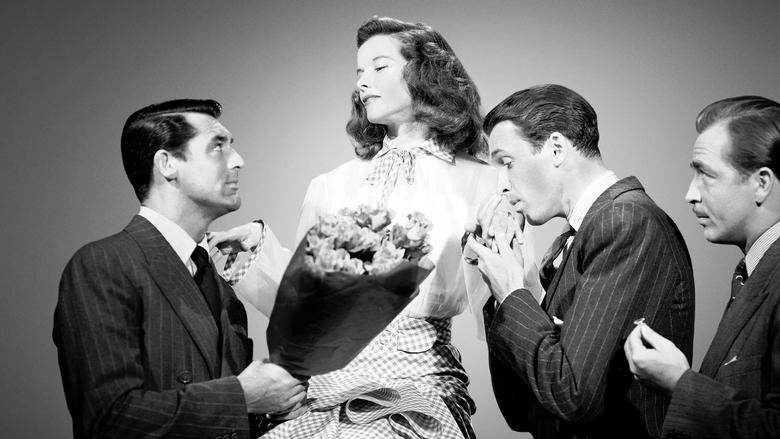
The Philadelphia Story
1940
-
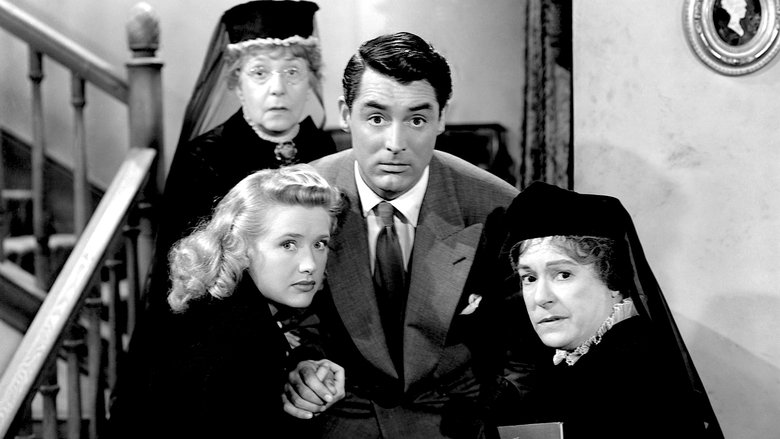
Arsenic and Old Lace
1944
-
The Bridge on the River Kwai
1957
-
Dr. Strangelove or: How I Learned to Stop Worrying and Love the Bomb
1964
-

Rebecca
1940
-
Spellbound
1945
-
Paths of Glory
1957
-
Witness for the Prosecution
1957
-

Singin' in the Rain
1952
-
His Girl Friday
1940
-
Notorious
1946
-
Rope
1948
-

On the Waterfront
1954