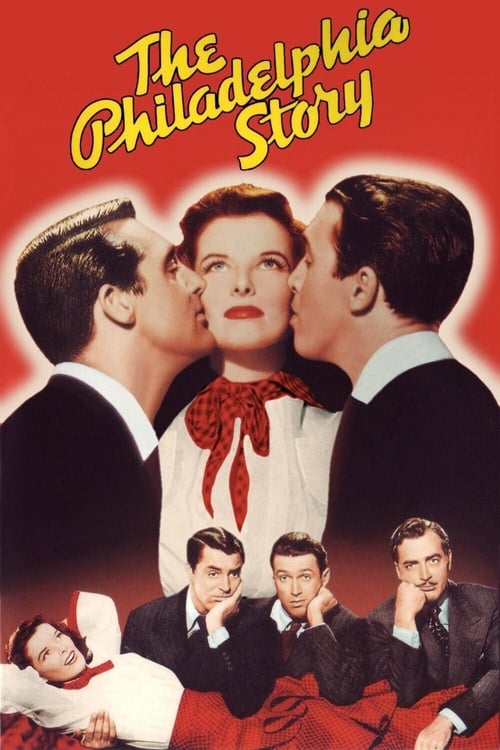
The Philadelphia Story
"One wedding, two exes, and a very drunk goddess."
In May 1938, a group of independent theater owners took out a full-page ad in The Hollywood Reporter that effectively handed out professional death warrants. They listed several stars whose "enormous salaries" weren't reflecting at the box office. At the top of that list, right next to Fred Astaire and Joan Crawford, was Katharine Hepburn. Most actors would have tucked tail and retreated to the stage, but Hepburn did something that feels remarkably modern and "indie" in spirit: she bought the rights to her own comeback.
I was watching this on a Tuesday night while trying to ignore a radiator that kept clanking like a Victorian ghost with a grudge, and it struck me how much of the film’s electric energy comes from that "all-or-nothing" stakes. This wasn't just a movie; it was a tactical strike against the studio system's attempt to sideline a difficult woman. By the time MGM got involved, Hepburn held all the cards, choosing her director and her leading men. The result, The Philadelphia Story, is arguably the greatest "comedy of remarriage" ever filmed, but it’s also a deeply philosophical interrogation of what it means to be a "human being" in a world that demands you be a statue.
The Goddess and the Groundling
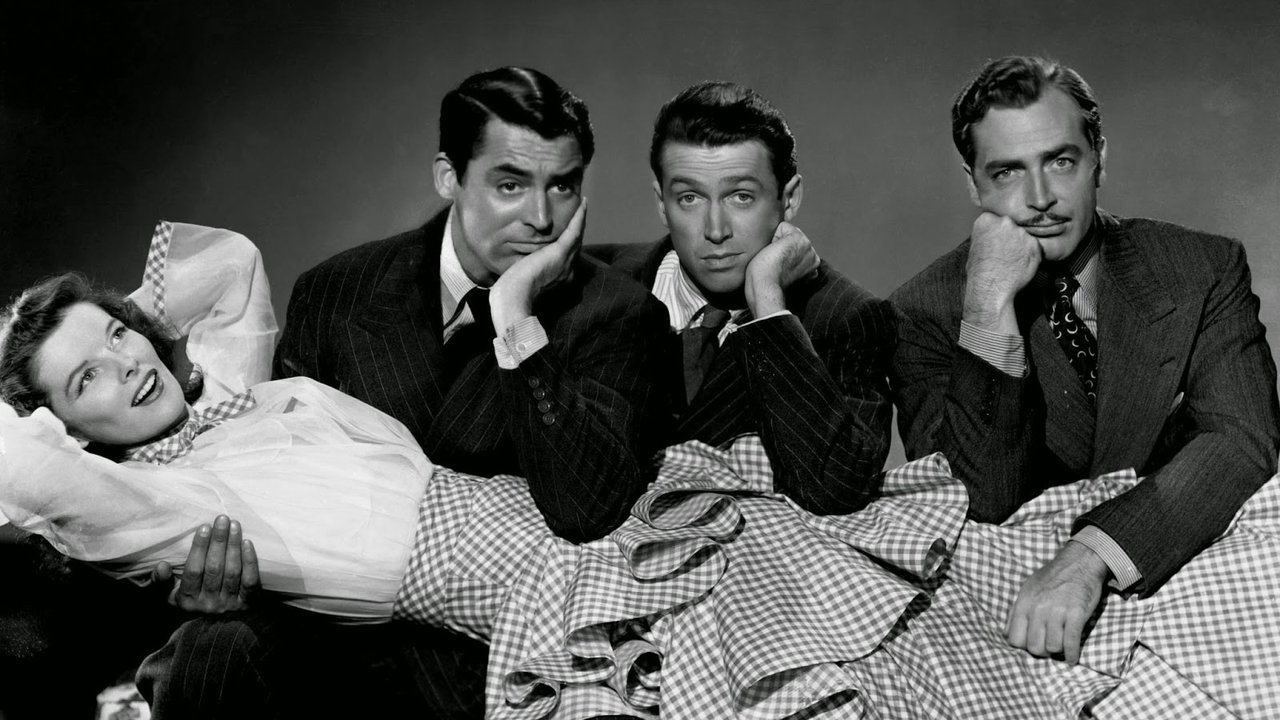
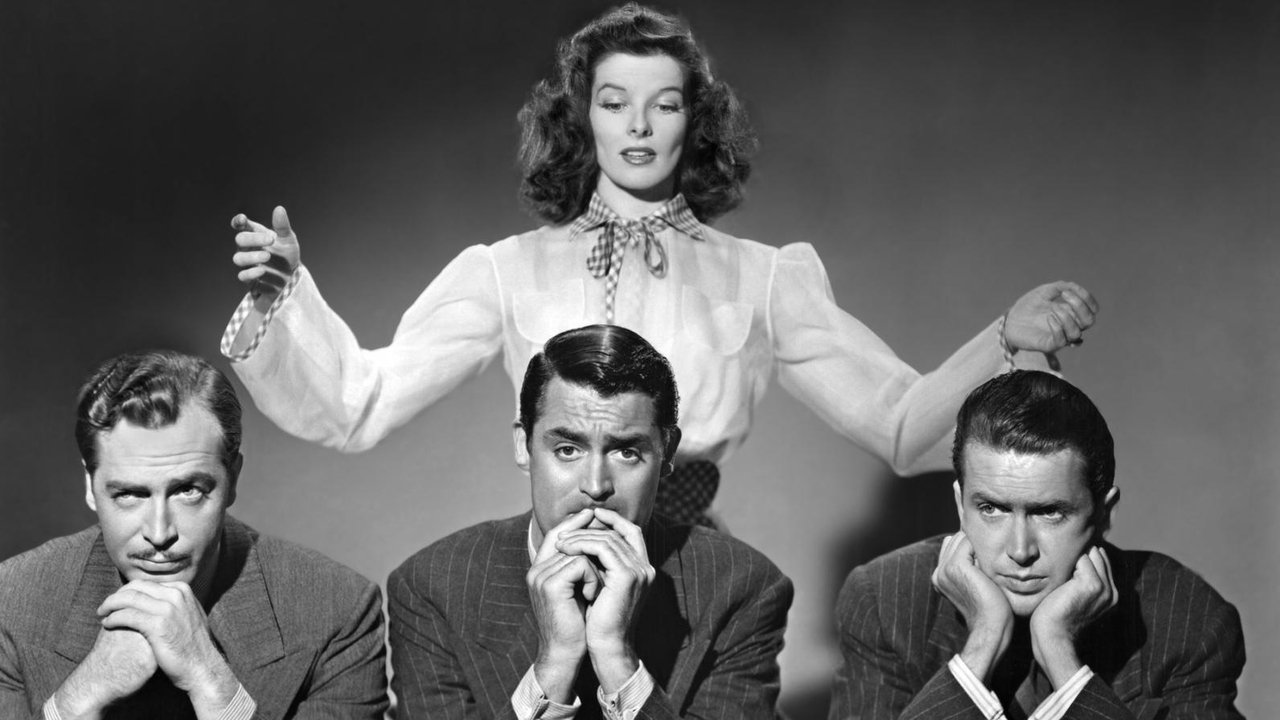
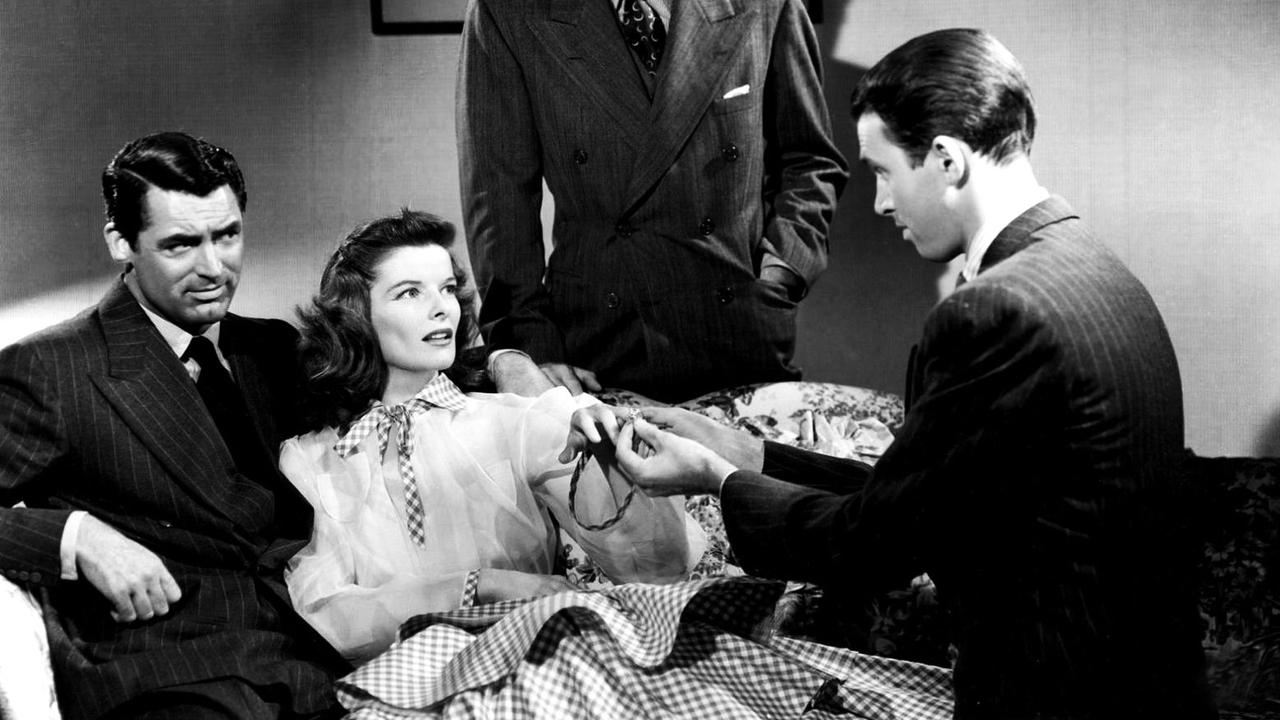
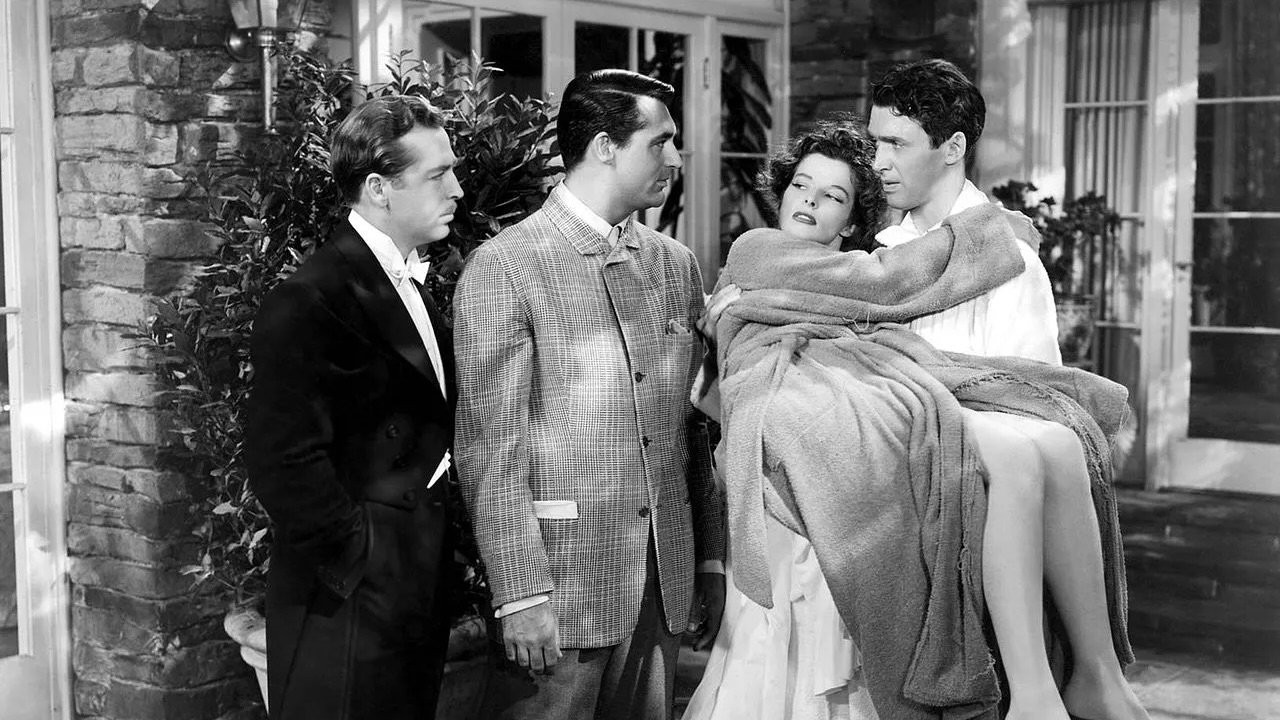
The plot is a classic screwball setup: Tracy Lord (Katharine Hepburn) is a Philadelphia socialite preparing for her second marriage to the stiff, self-made George Kittredge (John Howard). Enter her ex-husband, C.K. Dexter Haven (Cary Grant), carrying a grudge and a hidden agenda, alongside two tabloid reporters, Mike Connor (James Stewart) and Liz Imbrie (Ruth Hussey), who are there to provide "dirt" for a Spy magazine expose.
What follows is a dizzying 48-hour identity crisis. Tracy is a woman who has been put on a pedestal by everyone—her father, her ex, and her fiancé—and she’s grown to like the view from up there. But the film is obsessed with the idea of "holiness" versus "humanity." Dexter calls her a "Virgin Goddess," a title that sounds like a compliment but is actually a cage. The film asks a surprisingly heavy question for a 1940s romp: Can we love people for their flaws, or do we only love the polished versions of them we’ve invented? George Kittredge has the romantic appeal of a tax audit, largely because he only loves the "Goddess" version of Tracy. He wants a trophy; Dexter wants a woman who can occasionally trip and fall.
The Mechanics of the Mismatch
Director George Cukor was often unfairly pigeonholed as a "woman's director," a label that usually meant "he actually lets female characters have internal lives." Here, his direction is invisible in the best way. He trusts the rhythm of the dialogue, which is as precise as a Swiss watch. The comedic timing isn't just about jokes; it's about the silence between the jokes.
The three leads are a lightning-in-a-bottle trio. Cary Grant is doing a fascinating version of his screen persona—he’s charming, yes, but there’s a serrated edge to Dexter. He’s the one who has to dismantle Tracy’s ego, and he does it with a cocktail in one hand and a verbal blowtorch in the other. James Stewart, who won an Oscar for this, is the film's secret weapon. His Mike Connor starts as a cynical "man of the people" who hates the rich, but his drunken late-night scene with Hepburn is a masterstroke of vulnerability. When he recites poetry while swaying in the moonlight, you realize he’s just as trapped by his "working-class hero" persona as Tracy is by her "goddess" one.
The Indie Heart of an MGM Giant
Despite the MGM gloss and the sprawling Lord estate sets, this film carries the DNA of a passion project. Because Hepburn owned the play, she was able to bake her own public perception into the script. She’s essentially playing "Katharine Hepburn: The Idea," allowing the audience to see her get knocked down so they can fall in love with her again. It was a brilliant PR move, but more than that, it was a creative triumph.
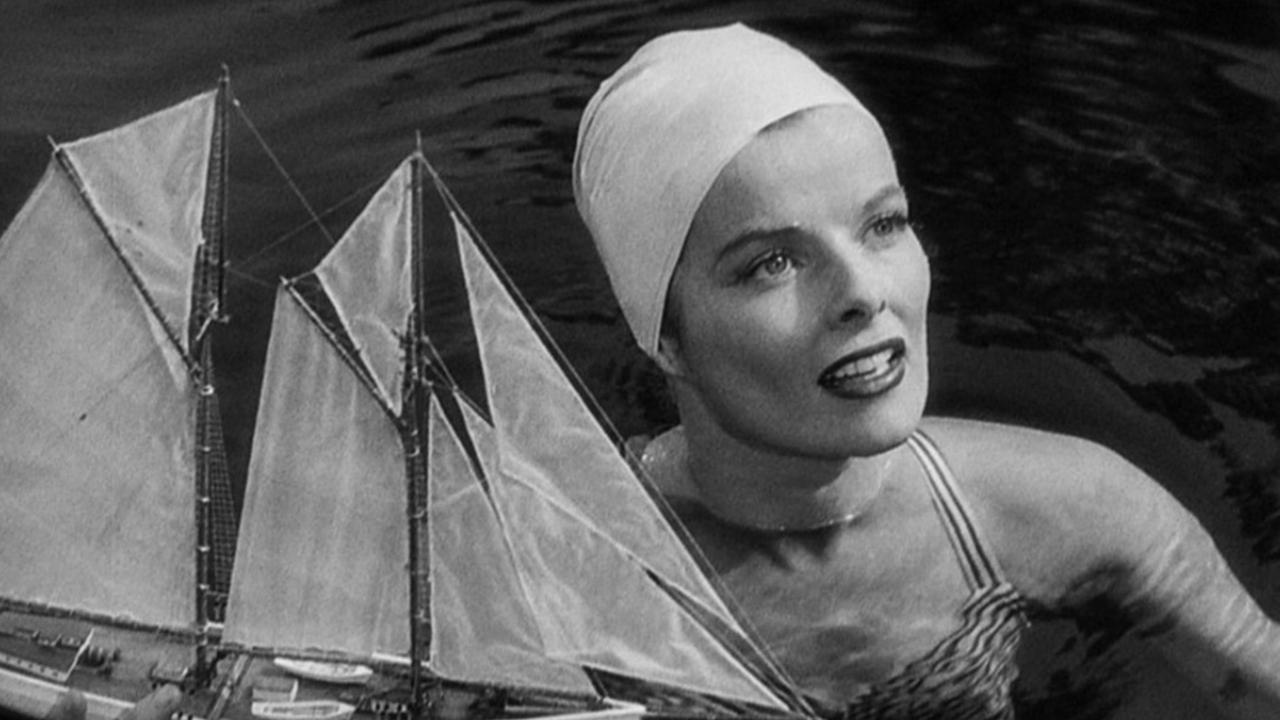
The film doesn't look like a low-budget indie, but it functions like one in its refusal to adhere to the standard "girl meets boy" formula. The resolution of the love triangle feels earned because it’s based on intellectual compatibility rather than just plot convenience. It’s a film where the most intimate moments happen during conversations about class and morality, not during kisses. Tracy Lord is basically an early-century Twitter main character, constantly being "cancelled" by the men in her life until she finally decides to rewrite her own narrative.
There’s a reason this film remains the gold standard for romantic comedies. It manages to be incredibly sophisticated without being exclusionary, and deeply funny without relying on pratfalls (though watching James Stewart hiccup his way through a scene is a physical comedy joy). It captures a specific moment in Hollywood when the stars were becoming more than just contract players—they were becoming auteurs of their own myths. If you can ignore the somewhat dated "father-knows-best" lecture Tracy receives toward the end, you’re left with a film that feels remarkably fresh. It’s a reminder that even the most "snooty society beauty" is just someone looking for a reason to let her hair down and be a little bit "yare."
Keep Exploring...
-

Singin' in the Rain
1952
-
My Fair Lady
1964
-
Suspicion
1941
-
Sabrina
1954
-
Bringing Up Baby
1938
-

Some Like It Hot
1959
-
Notorious
1946
-
The Great Dictator
1940
-

Charade
1963
-

City Lights
1931
-
It Happened One Night
1934
-
Casablanca
1943
-
Arsenic and Old Lace
1944
-
The Apartment
1960
-
Annie Hall
1977
-
His Girl Friday
1940
-

Rebecca
1940
-
Spellbound
1945
-
Modern Times
1936
-
The African Queen
1952