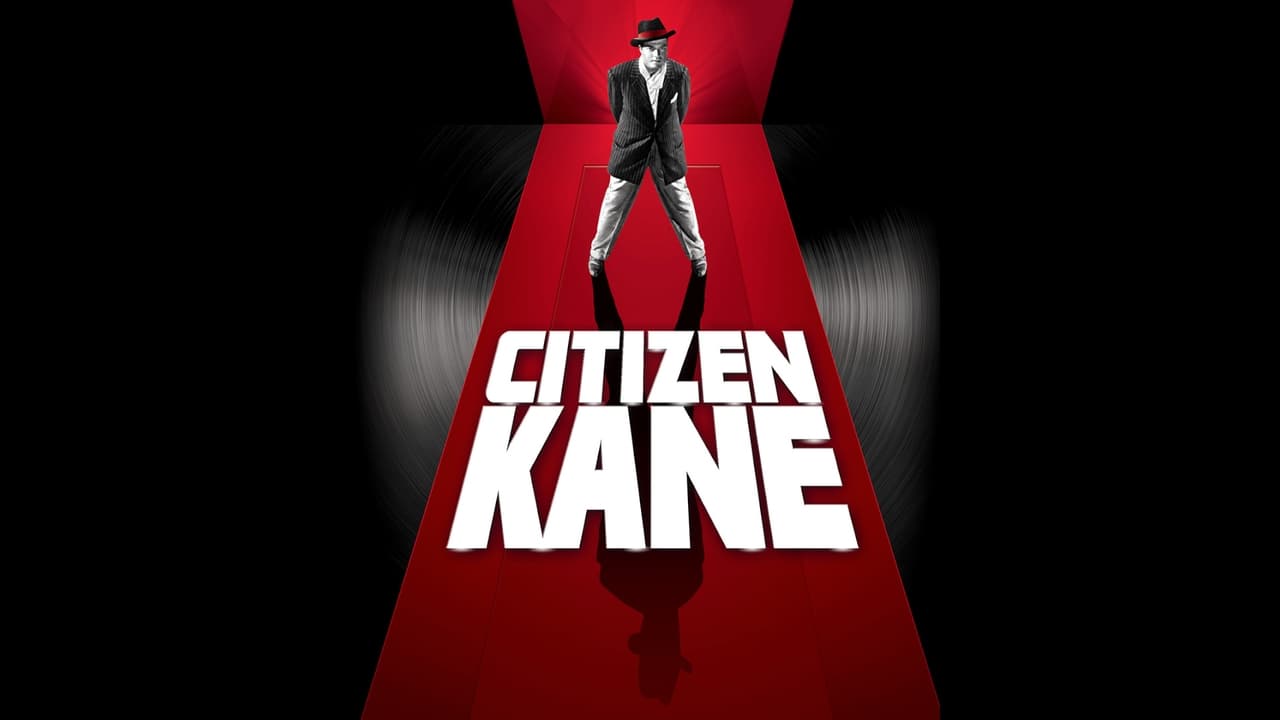
Citizen Kane
"The empty puzzle of a giant's life."
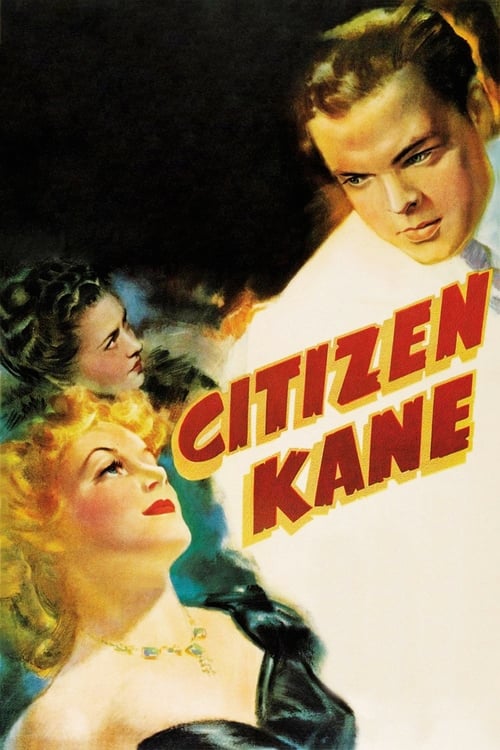
In 1940, RKO Radio Pictures did something that made every other seasoned director in Hollywood turn a jealous shade of green: they gave a 25-year-old kid from the radio the "keys to the toy store." Orson Welles had never made a feature film, yet his contract granted him total creative control—a level of freedom that was virtually unheard of in the rigid studio system. The result wasn't just a movie; it was a declaration of war against boring storytelling.
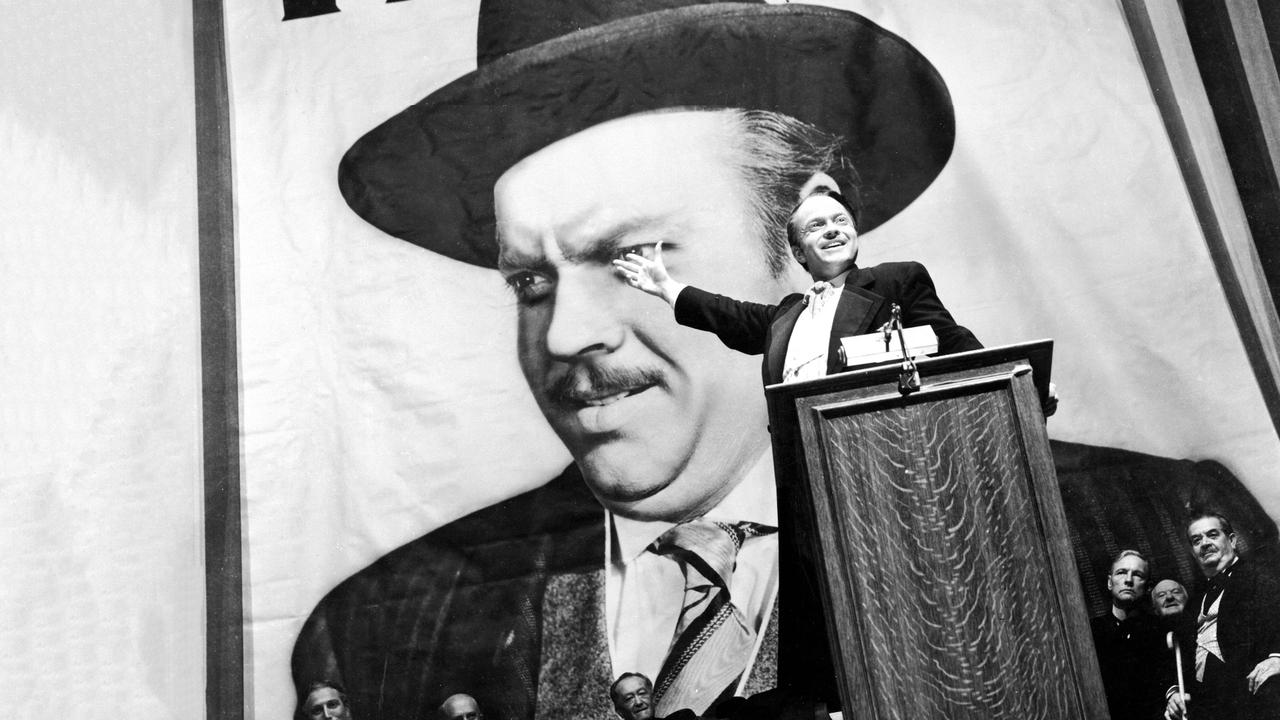
I recently rewatched this on a Tuesday afternoon while my neighbor was power-sanding their deck, and honestly, the sheer audacity of the filmmaking still managed to drown out the noise. There is a relentless energy to Citizen Kane that belies its status as a "stuffy" classic. It’s a mystery where the detective is a faceless reporter and the treasure is just a word uttered by a dying man, but the real prize is watching a young genius throw every trick in the book at the screen to see what sticks.
The Man Who Would Be King
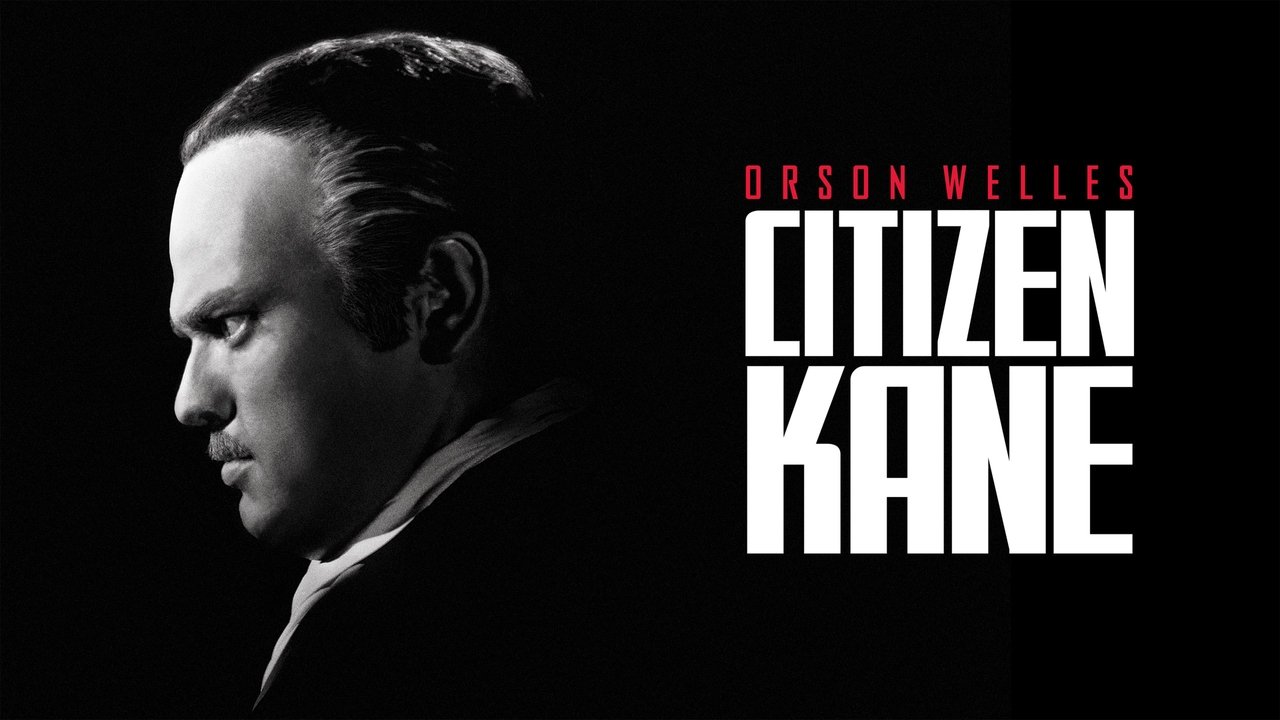
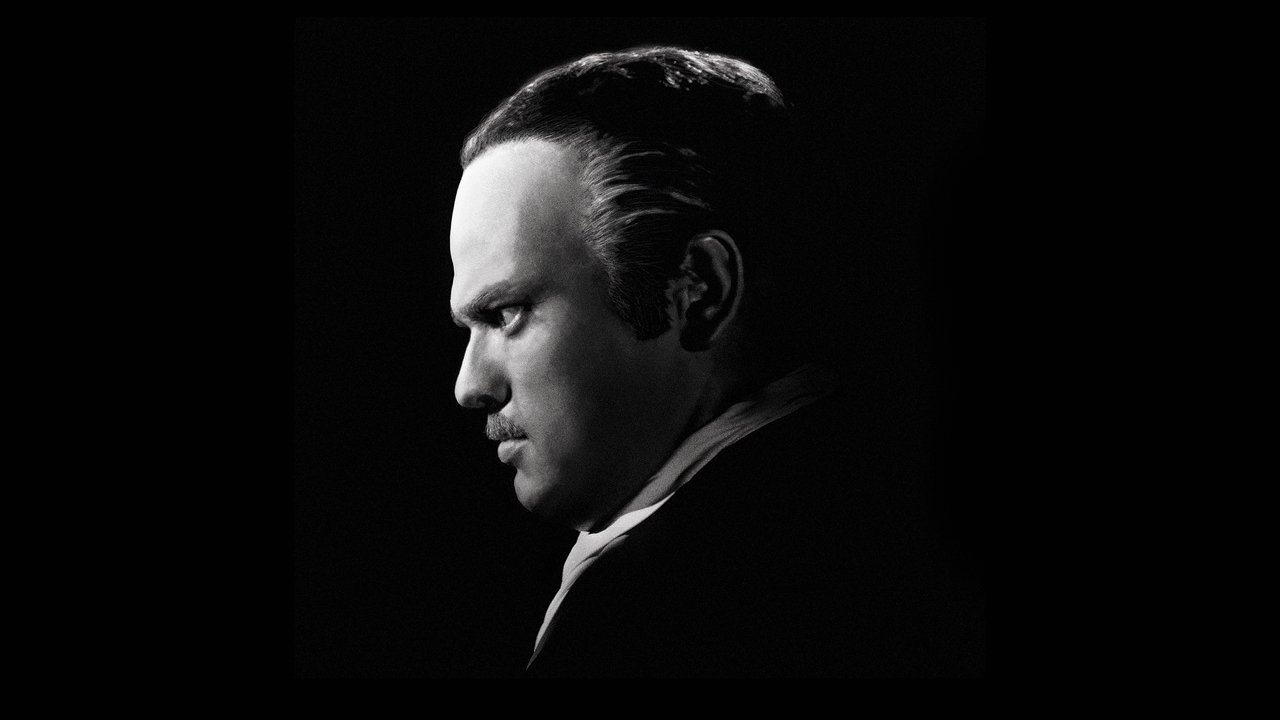
At its heart, this is a tragedy about a man who spends his entire life trying to buy back the love he lost as a child. Orson Welles plays Charles Foster Kane with a terrifying amount of charisma. He starts as a firebrand journalist ready to take on the world and ends as a bloated, isolated hermit in a castle full of statues. Watching his physical transformation is a feat of Golden Age craftsmanship. Welles' makeup in the later scenes looks like he’s slowly turning into a very expensive candle, melting under the weight of his own ego.
But the film isn't a one-man show. Joseph Cotten (who would later stun audiences in The Third Man) provides the necessary moral friction as Jedediah Leland. Their friendship is the emotional anchor of the film, and their eventual fallout feels more devastating than any of Kane’s failed marriages. Then there's Dorothy Comingore as Susan Alexander, the second wife who is essentially bullied into an opera career she never wanted. Her scenes in the cavernous, drafty halls of Xanadu are haunting; they capture that specific kind of "rich person misery" that Hollywood usually loves to glamorize, but here it just feels cold and hollow.
A New Visual Language
You can’t talk about Citizen Kane without talking about Gregg Toland. The cinematographer was already a legend (having worked on The Grapes of Wrath), and he and Welles decided to break all the rules. They used "deep focus," a technique where everything from the foreground to the very back of the room is crystal clear. It sounds technical, but the effect is psychological: it makes the world feel massive and Kane feel increasingly trapped within it.
There’s a famous scene where a young Kane is playing in the snow outside a window while his mother, played by the formidable Agnes Moorehead, signs his life away to a guardian in the foreground. Because of that deep focus, we see the tragedy and the innocence in the same frame, perfectly sharp. It’s visual storytelling that doesn’t need a single line of dialogue to explain the stakes. Welles also insisted on showing ceilings—something studios avoided because of lights and microphones—giving the rooms a claustrophobic, oppressive weight that mirrored Kane's growing tyranny.
The Battle with the Real Kane
The behind-the-scenes drama was almost as explosive as the film itself. The character of Kane was a thinly veiled attack on media mogul William Randolph Hearst, who was so incensed that he tried to have the film’s negatives burned. Hearst’s newspapers banned any mention of the movie, and he leveraged his massive influence to ensure it was a box-office disappointment upon release.
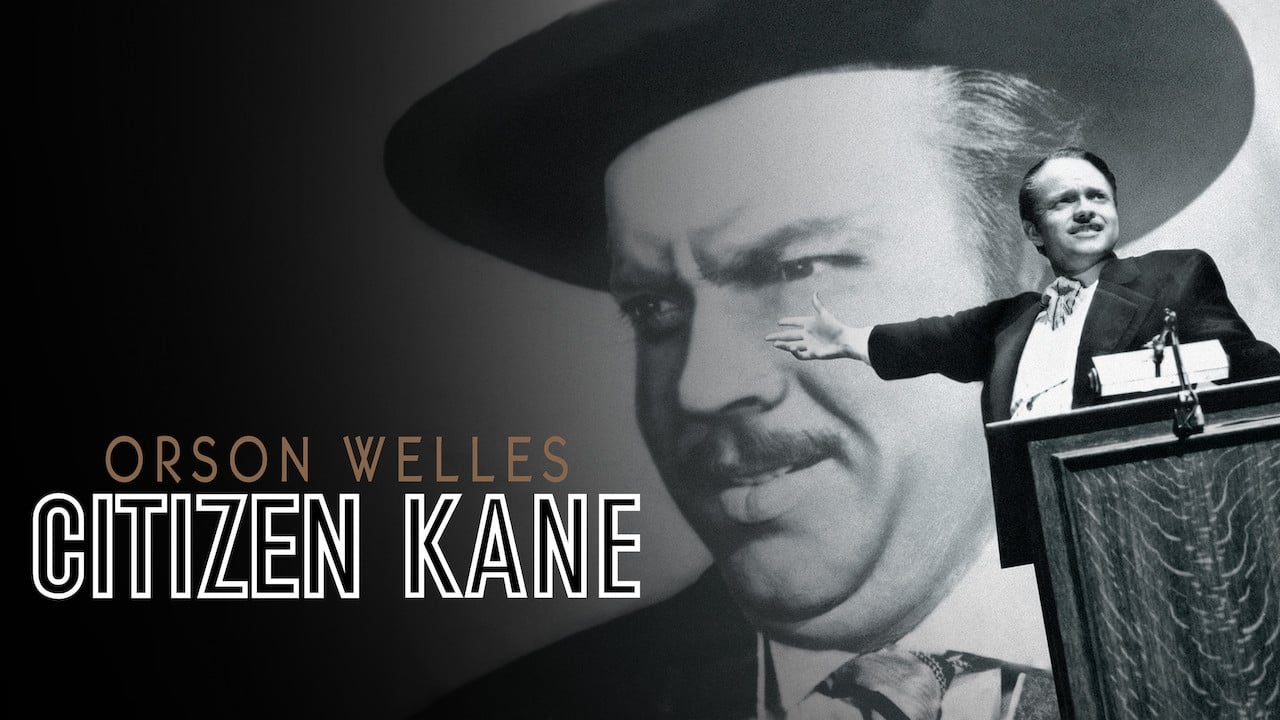
Despite being nominated for nine Academy Awards, it only walked away with one for Best Original Screenplay, shared by Welles and Herman J. Mankiewicz (a partnership that was its own hotbed of ego and dispute). It famously lost Best Picture to John Ford’s How Green Was My Valley. While Ford’s film is a lovely piece of work, history has a way of correcting the Academy's nearsightedness.
What I find most fascinating is the "Rosebud" of it all. People often treat it like a "gotcha" twist, but it’s actually a philosophical shrug. The film suggests that you can collect all the statues in the world, run the biggest newspapers, and build the grandest palaces, but the core of a person remains an unsolvable puzzle. It’s a cerebral take on the American Dream that suggests the thing we’re all chasing might just be a sled in the snow.
Citizen Kane isn't just a "homework" movie you watch because a professor told you to. It is a vibrant, occasionally funny, and deeply cynical look at how power corrupts the soul. Even eighty years later, its influence is everywhere—from the non-linear structure of Pulp Fiction to the dark character studies of There Will Be Blood. It’s the definitive proof that when you give a brilliant kid enough rope, he might just weave a masterpiece instead of hanging himself. If you’ve been putting it off because you think it’ll be dry, give it twenty minutes. The opening "News on the March" sequence alone is faster and more engaging than most modern blockbusters.
Keep Exploring...
-
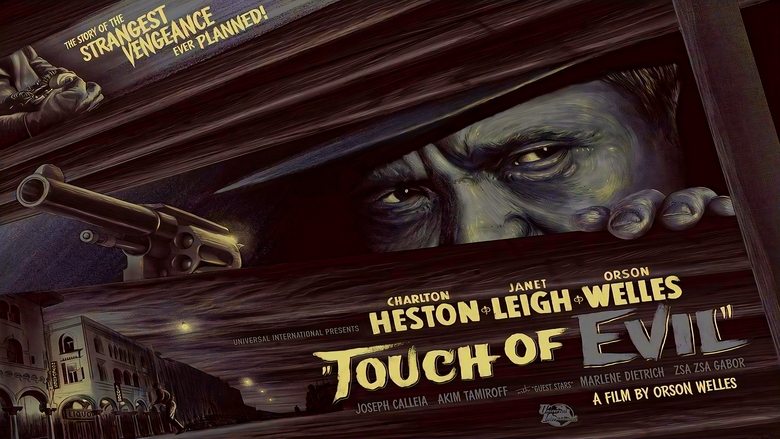
Touch of Evil
1958
-

Laura
1944
-
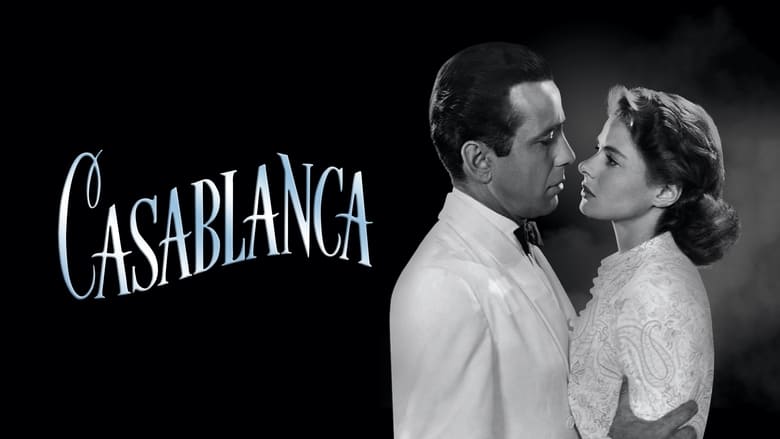
Casablanca
1943
-
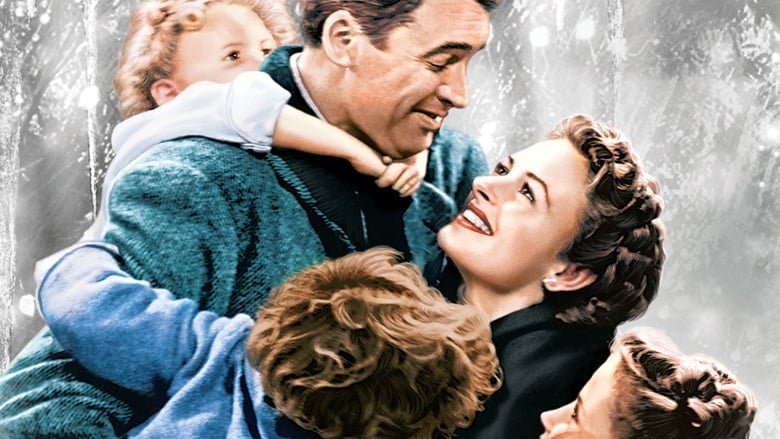
It's a Wonderful Life
1946
-
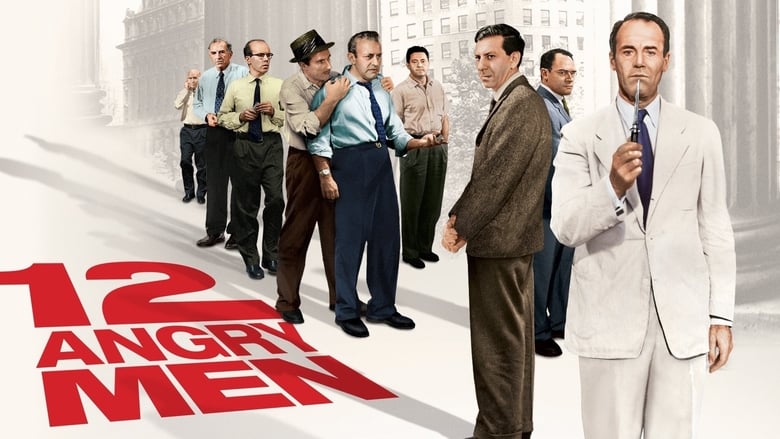
12 Angry Men
1957
-
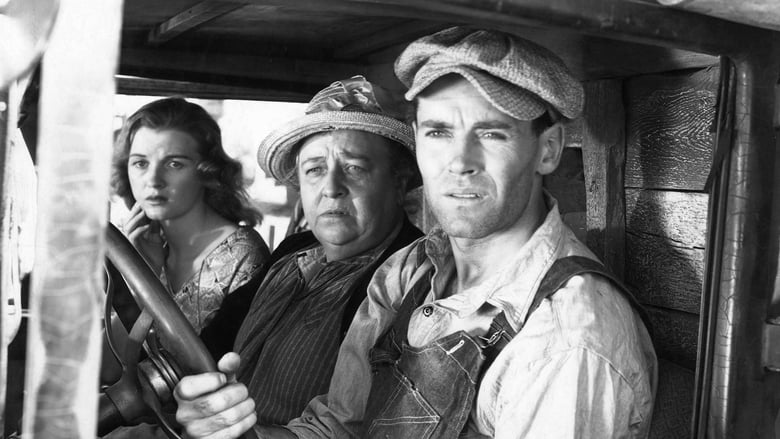
The Grapes of Wrath
1940
-
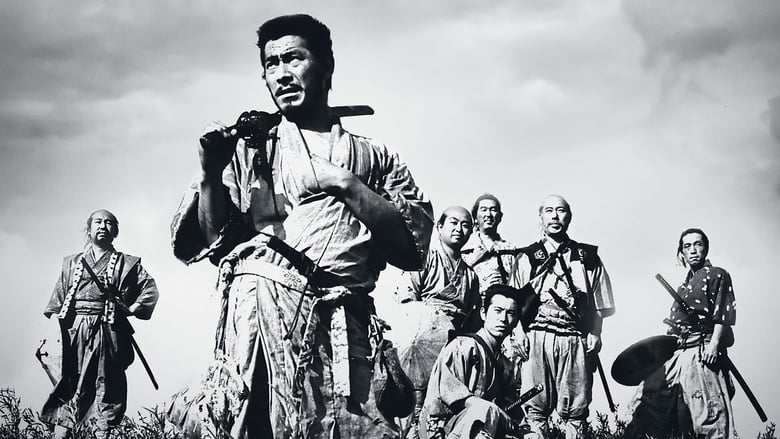
Seven Samurai
1954
-
The Seventh Seal
1957
-
Ben-Hur
1959
-
Witness for the Prosecution
1957
-
Anatomy of a Murder
1959
-
The Treasure of the Sierra Madre
1948
-

All About Eve
1950
-
Sunset Boulevard
1950
-
High Noon
1952
-
Sabrina
1954
-
Rebel Without a Cause
1955
-
Spellbound
1945
-

Rashomon
1950
-
Modern Times
1936