Dumbo
"He’s the smallest star in the biggest show on Earth."
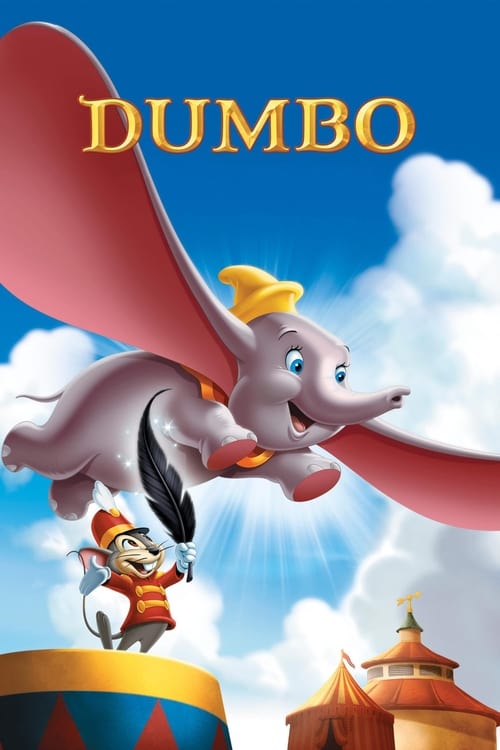
There is a specific kind of cruelty in the way Disney used to break our hearts before the first act was even over. Most people point to the trauma of Bambi’s mother, but for me, the true emotional gut-punch is the sight of a baby elephant visiting his mother through the bars of a "Mad Elephant" cage while a lullaby plays. It’s 1941, the world is on the brink of total chaos, and Walt Disney Productions decides to release a 64-minute "budget" movie that manages to be more human than most live-action dramas of the era.
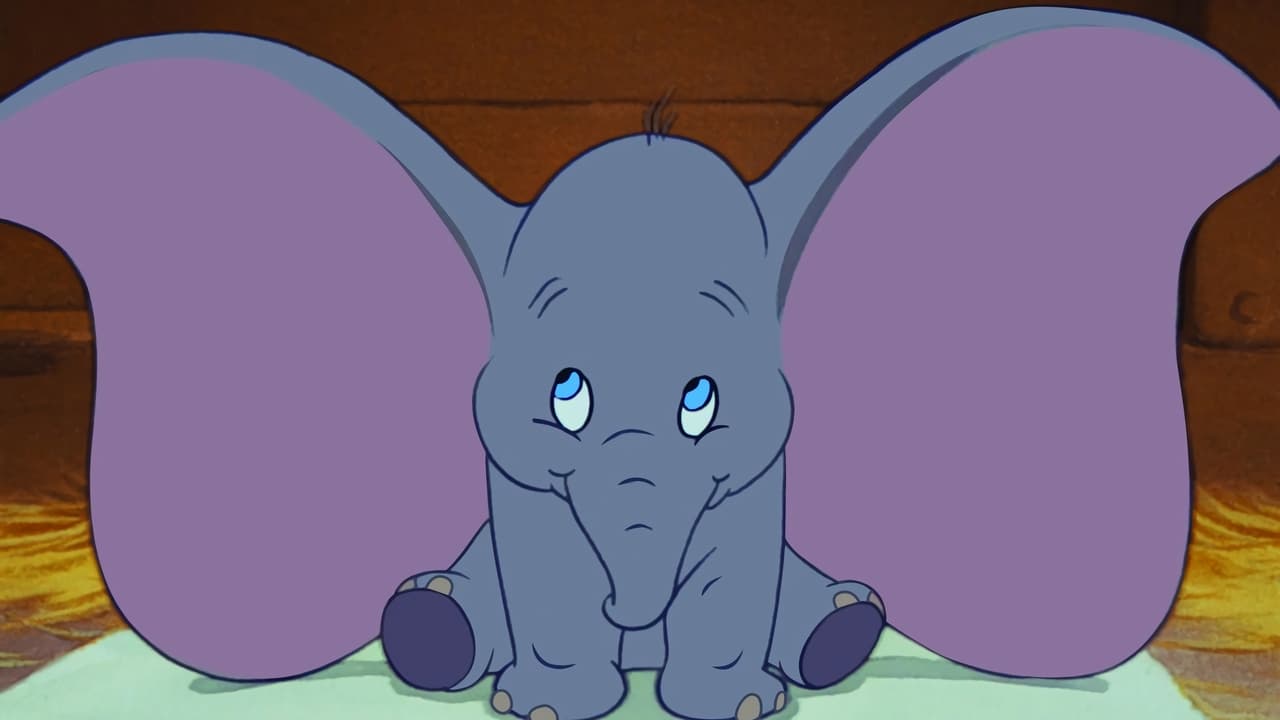
I watched this last night on a laptop with a cracked screen while my neighbor’s dog barked relentlessly at a stray leaf, and yet, the moment "Baby Mine" started, the rest of the world just evaporated. That’s the magic of Dumbo. It doesn't need a two-hour runtime or photorealistic fur to make you feel like an absolute outcast.
The Little Engine That Could (and Did)
To understand Dumbo, you have to understand that it was never supposed to be a "prestige" project. After the astronomical costs and relative box-office disappointment of the experimental Fantasia, the studio was bleeding cash. Walt needed a hit, and he needed it fast and cheap. This led to a simpler, more cartoony aesthetic compared to the lush, multiplane-camera depth of Pinocchio. They used watercolor backgrounds—a choice that gives the film a soft, storybook quality that I actually prefer to the denser, oil-painting look of other Golden Age classics.
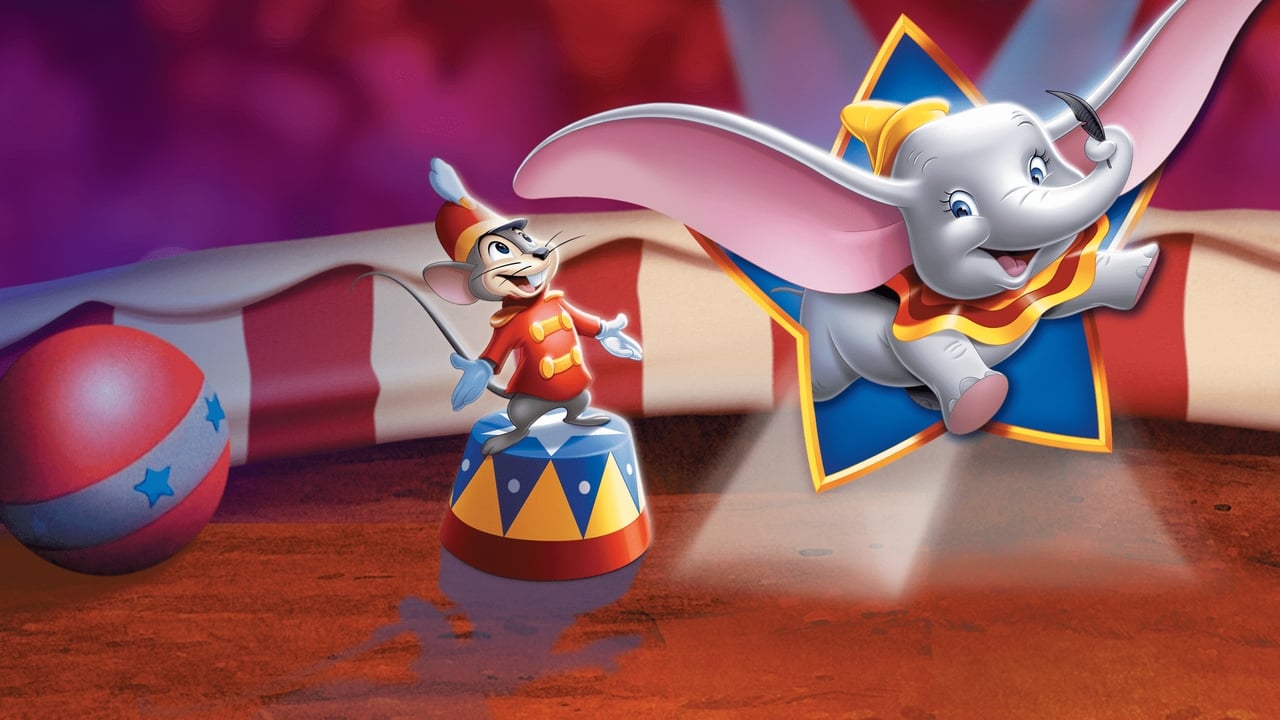
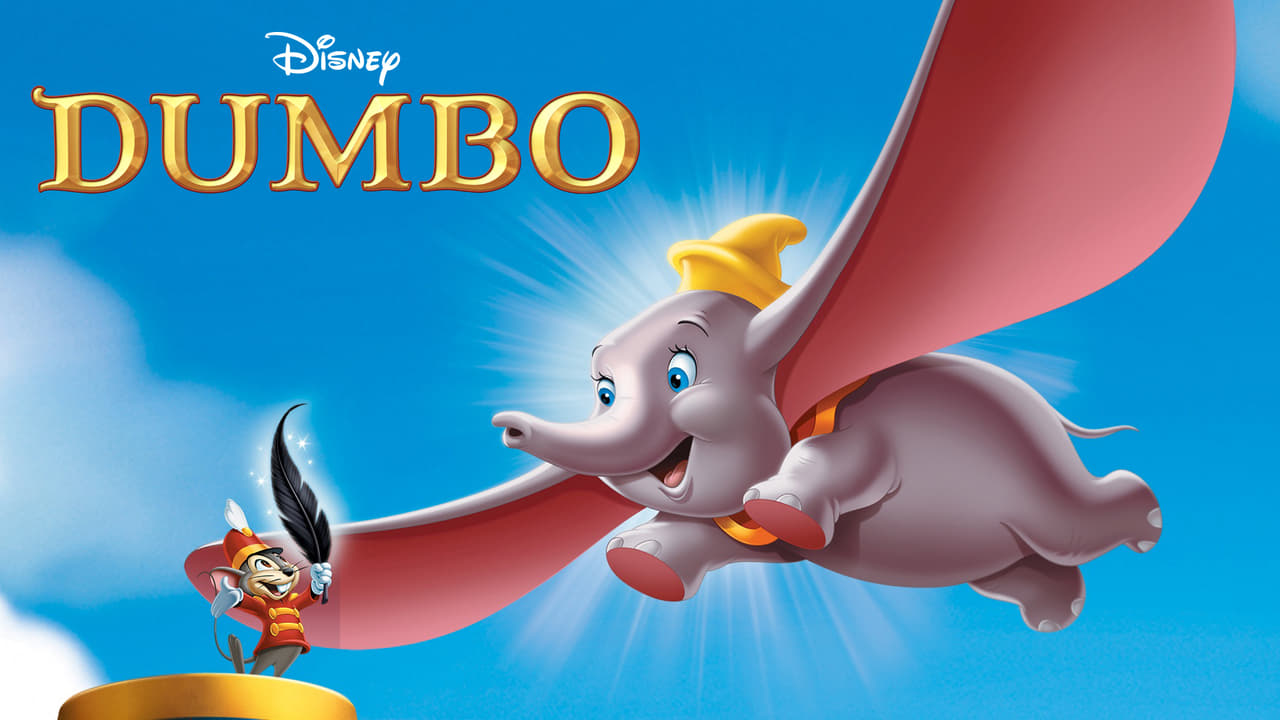
The irony is that by stripping away the technical bloat, the animators captured pure emotion. Bill Tytla, the man responsible for bringing Dumbo to life, reportedly used his own two-year-old son’s facial expressions as a reference. You can see it in every shy trunk-curl and every heartbreaking blink of those oversized eyes.
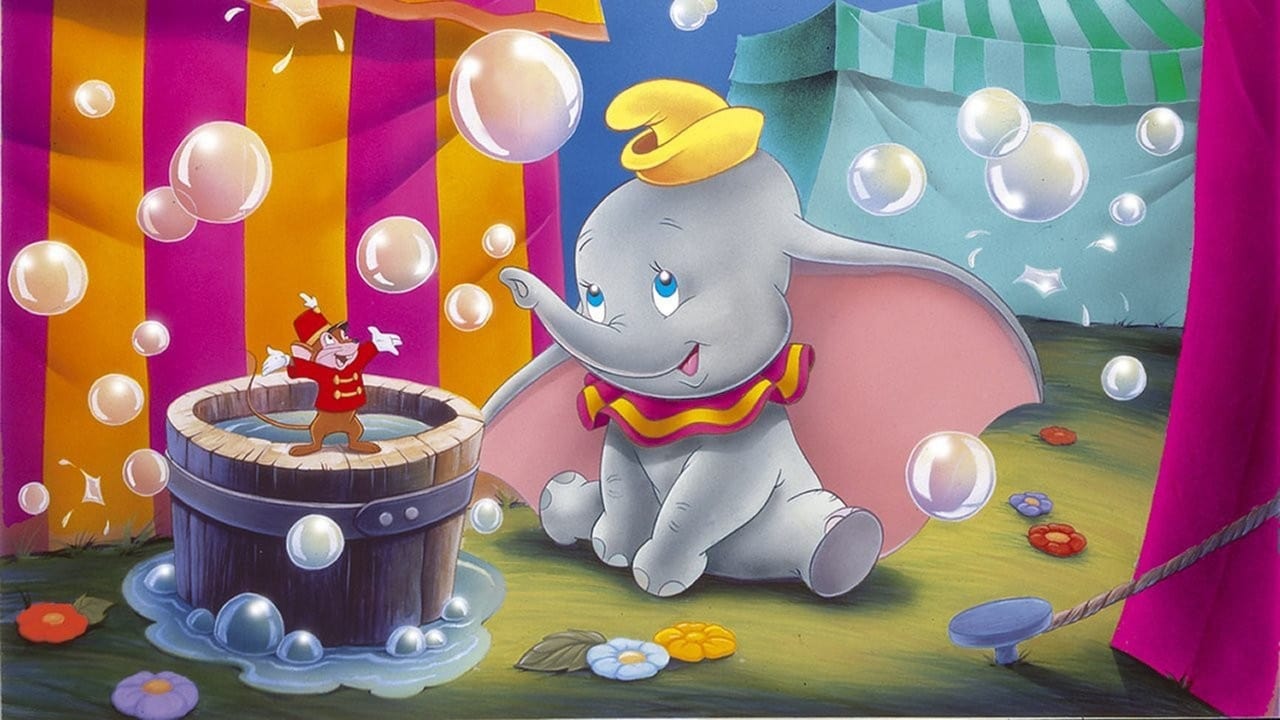
The voice cast is equally iconic, even if the lead character never says a single word. Edward Brophy provides the voice of Timothy Q. Mouse, and he’s the ultimate Brooklyn-accented hype man. He’s the friend we all need—the one who doesn't just see your "flaw" but sees it as your superpower. Meanwhile, the legendary Verna Felton (who would go on to be the Fairy Godmother in Cinderella) is delightfully nasty as the Elephant Matriarch, embodying every judgmental socialite of the 1940s.
Surrealism for the Seven-Year-Old Set
I’ve always felt that the pink elephant sequence is the closest Disney ever got to a bad acid trip without the police being called. It is a masterclass in surrealism that feels like it belongs in an avant-garde gallery rather than a children’s movie. When Dumbo and Timothy accidentally get "geezled" on spiked water, the movie pivots into a neon-soaked fever dream of marching pachyderms that dissolve, multiply, and turn into clouds.
Apparently, this sequence was a bit of a playground for the animators. The studio was in the middle of a bitter labor strike in 1941, and there’s a lot of "venting" hidden in the frames. In fact, if you look at the sequence where the clowns go to "hit the big boss for a raise," that’s a direct, salty jab at the animators who were picketing outside the studio. It’s that kind of behind-the-scenes drama that makes these Golden Age films feel so alive; they weren't just products, they were the results of high-stakes creative warfare.
The Heart Beneath the Big Top
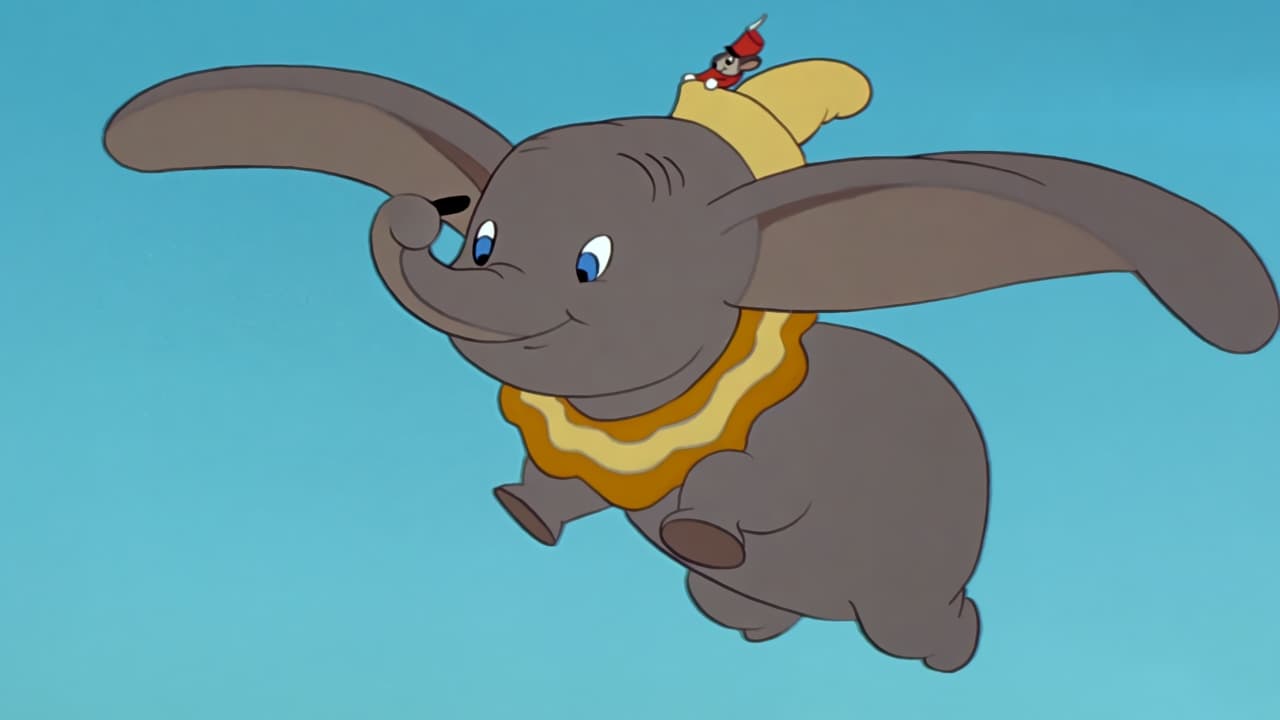
We have to talk about the crows. In modern contexts, they are the most debated part of the film. While they are clearly coded as racial caricatures of the era, I’ve always found it fascinating that the crows are the only ones in this movie who actually treat Dumbo like a person. While the "respectable" circus animals shun him, the crows are the ones who give him the "magic" feather and the confidence to fly. It’s a complicated piece of history, but when viewed through the lens of 1941, they represent a subversion of the very hierarchy that kept Dumbo at the bottom of the pile.
The drama here isn't about saving the world or defeating a villain; it’s about a child wanting his mother. That’s it. It’s the most primal, relatable conflict in the history of storytelling. The scene where Dumbo is forced to perform as a clown—falling into a vat of pie crust while the audience mocks his ears—is genuinely difficult to watch. It captures that specific childhood fear of being laughed at, of being "wrong" just by existing.
Dumbo is proof that brevity is the soul of wit—and heart. At just over an hour, it doesn't have a single ounce of fat on it. It’s a lean, mean, tear-jerking machine that transitioned Disney from a studio of "artistic risks" to a commercial powerhouse. It’s a film that recognizes that our insecurities are often the very things that will eventually let us soar. If you haven't revisited it since you were a kid, do yourself a favor: grab some tissues, ignore the neighbors, and remember what it’s like to believe an elephant can fly.
Keep Exploring...
-
Fantasia
1940
-
Alice in Wonderland
1951
-

Lady and the Tramp
1955
-
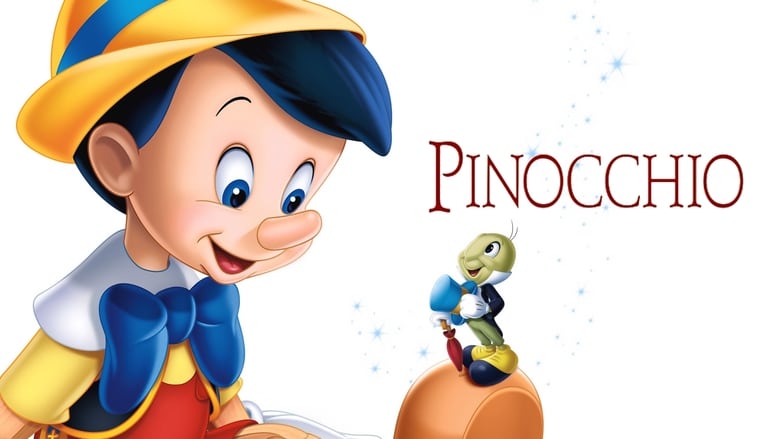
Pinocchio
1940
-
Peter Pan
1953
-
Cinderella
1950
-

Snow White and the Seven Dwarfs
1938
-
Sleeping Beauty
1959
-
Bambi
1942
-
The Sword in the Stone
1963
-
Robin Hood
1973
-
The Fox and the Hound
1981
-
The Land Before Time
1988
-
The Nightmare Before Christmas
1993
-

Balto
1995
-
Anastasia
1997
-
Hercules
1997
-
Antz
1998
-
The Lion King II: Simba's Pride
1998
-

The Emperor's New Groove
2000