Suspicion
"Charm is a mask for a killer's smile."
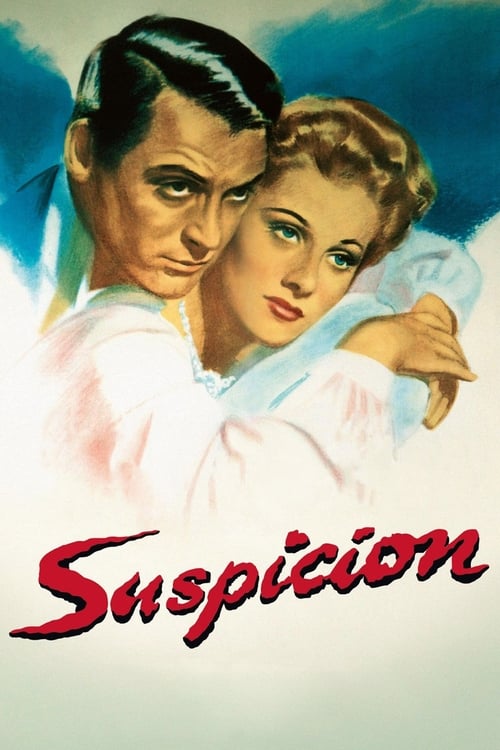
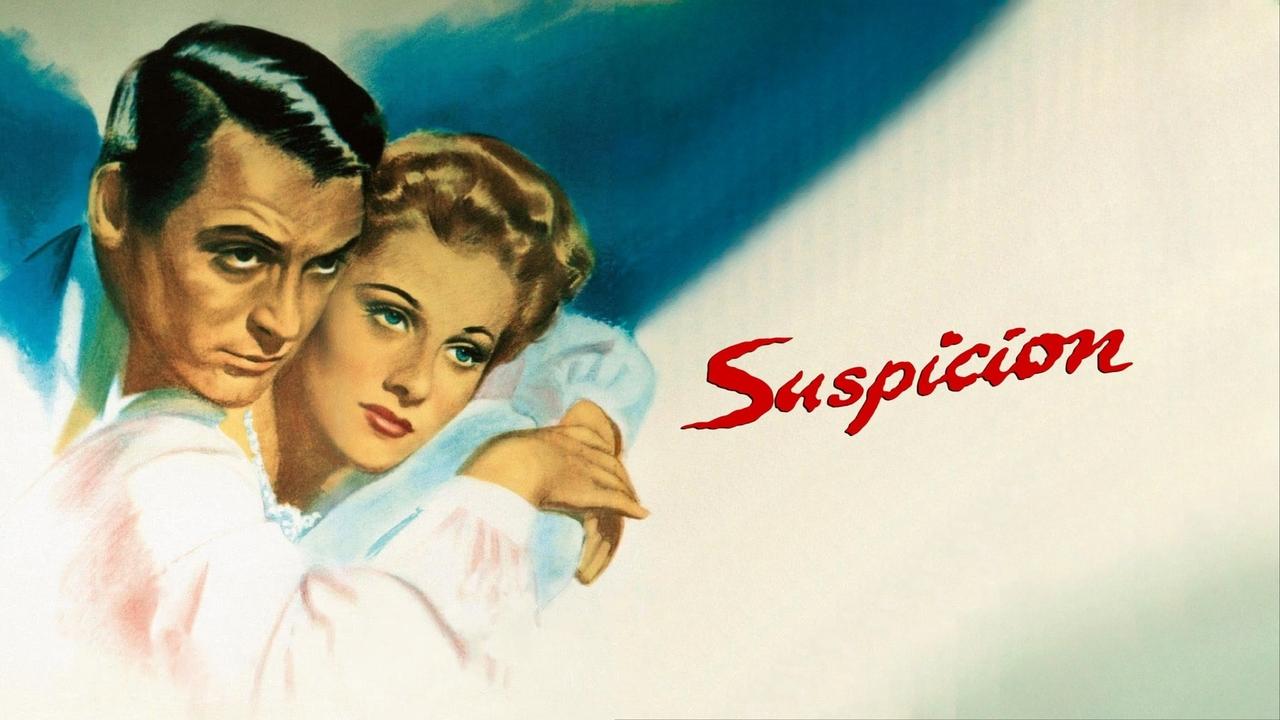
The image of a man climbing a staircase with a glowing glass of milk shouldn't be terrifying, yet under the lens of Alfred Hitchcock, it becomes one of the most agonizing walks in cinema history. I watched this while nursing a slightly burnt piece of toast, and the bitter charcoal smell weirdly suited the charred remains of the protagonist’s marriage unfolding on my screen. This is Suspicion, the 1941 psychological thriller that proved even a Hollywood heartthrob could be the stuff of nightmares.
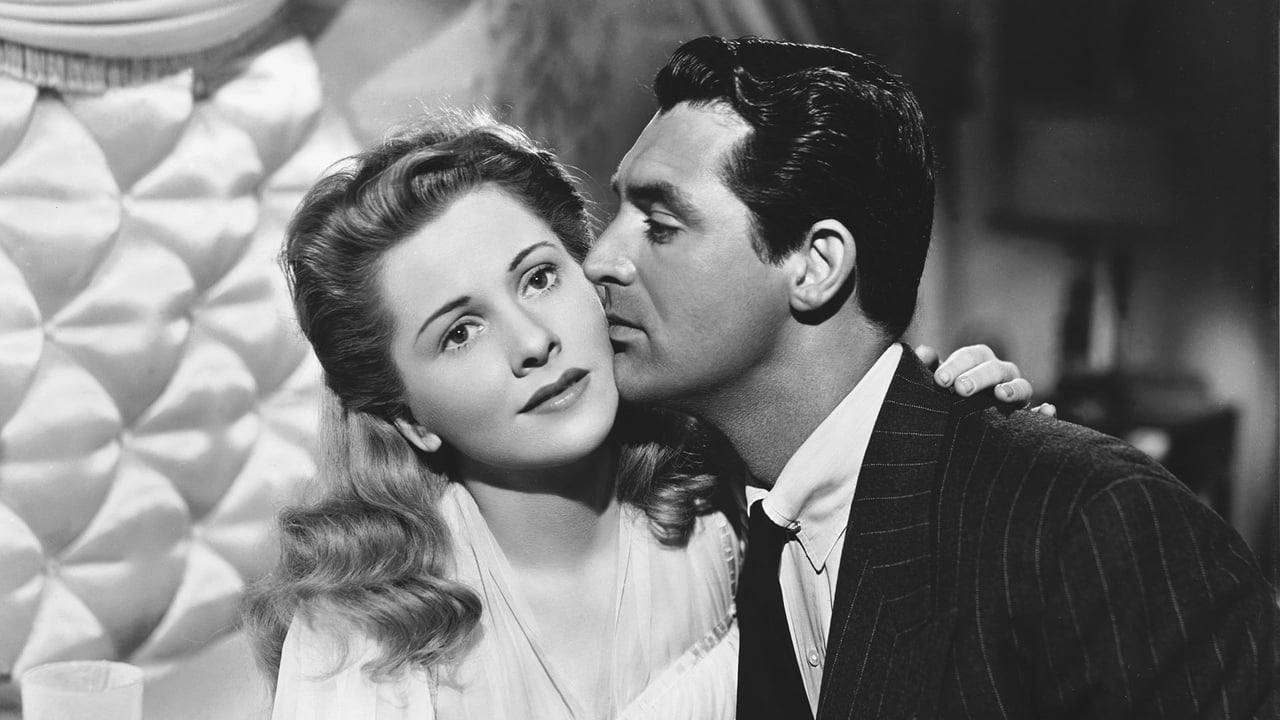
The Shadow of a Doubtful Husband
Coming off the massive success of Rebecca, Hitchcock was arguably the most exciting import in Hollywood. He brought a European sensibility—a taste for the perverse and the atmospheric—into the rigid RKO studio system. In Suspicion, he takes Joan Fontaine, fresh off her Oscar-nominated turn in Rebecca, and puts her through the emotional wringer once more as Lina McLaidlaw.
Lina is the "spinster" daughter of a wealthy general, played with stiff-upper-lip perfection by Cedric Hardwicke. When she meets Johnnie Aysgarth, portrayed by the impossibly charismatic Cary Grant, the movie initially feels like a standard-issue Golden Age romance. They meet on a train, they flirt in the rain, they elope. But the honeymoon phase doesn't just end; it dissolves into a pool of lies.
Cary Grant is the secret weapon here. Before 1941, audiences knew him as the debonair lead of screwball comedies like The Awful Truth. Hitchcock weaponized that charm. He saw the flicker of something colder behind Grant’s eyes. As Lina discovers Johnnie is a compulsive gambler and a brazen liar, her love turns into a paralyzing fear. Hitchcock traps us in her perspective, making us wonder if Johnnie is a misunderstood rogue or a calculating murderer who married her solely for the life insurance policy.
A Glass of Milk and a Gallon of Dread
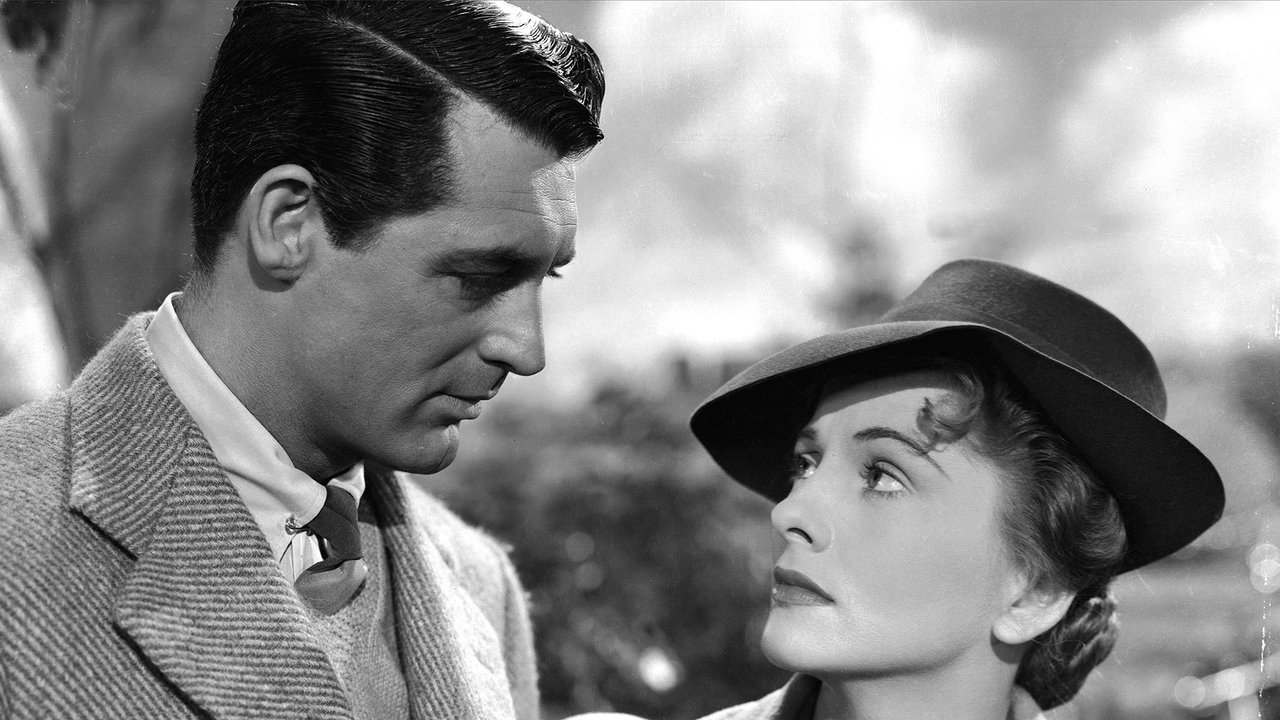
The middle act introduces Nigel Bruce as "Beaky," Johnnie’s affable but dim-witted friend. Bruce is best known as Dr. Watson to Basil Rathbone's Sherlock Holmes, and he plays the "jolly good fellow" archetype to a T. His presence provides a brief, warm respite from the growing chill between the leads, which makes his eventual "accidental" demise feel like a gut punch.
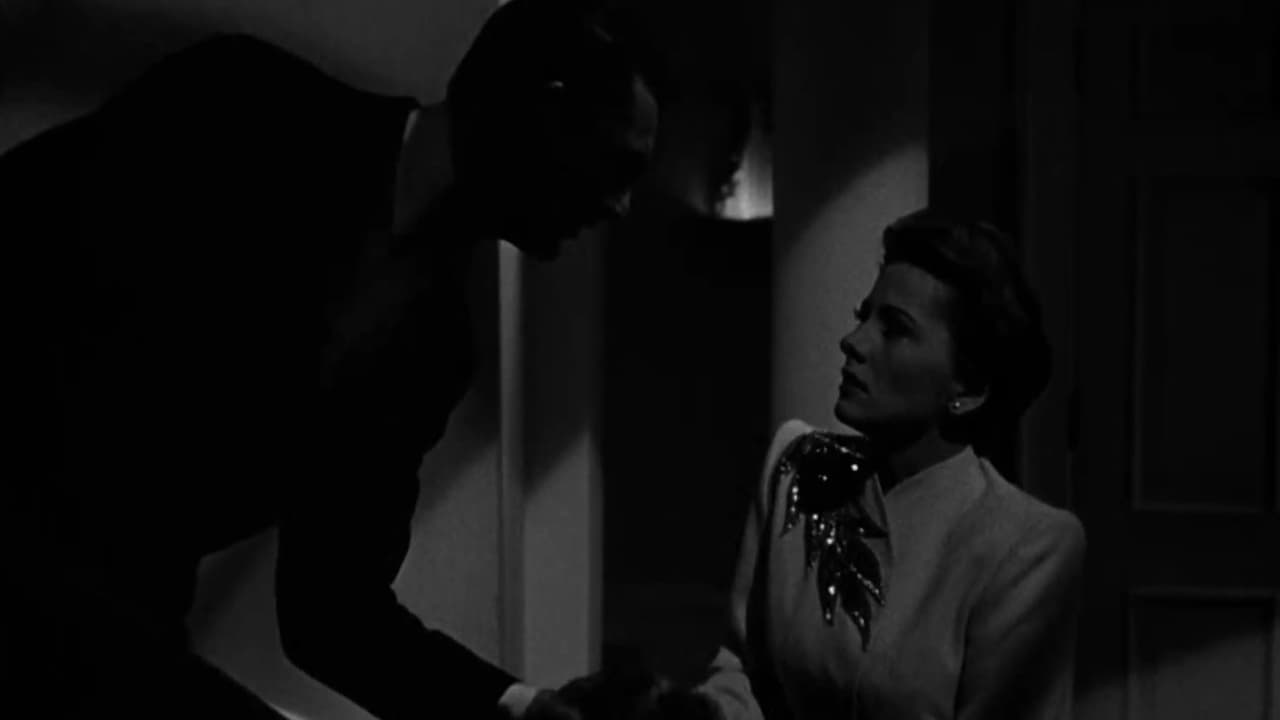
The visual storytelling is where Hitchcock really flexes his muscles. The cinematography by Harry Stradling Sr. uses the McLaidlaw estate as a gothic cage. Shadows from window frames look like prison bars across Joan Fontaine's face. The famous milk scene is the pinnacle of this. To make the glass of milk stand out as Lina watches Johnnie bring it to her bedside, Hitchcock famously placed a small lightbulb inside the liquid. It glows with an ethereal, sickly light, suggesting that the very thing meant to nourish her is actually a vessel for her death.
This is drama at its most claustrophobic. The film doesn't rely on grand action; it relies on the twitch of Fontaine’s eye and the way Grant leans just a little too far into her personal space. Fontaine earned her Best Actress Oscar for this, and it’s well-deserved—she captures the internal collapse of a woman who realizes she has invited a predator into her bed.
The Suit vs. The Script: Fighting the RKO Machine
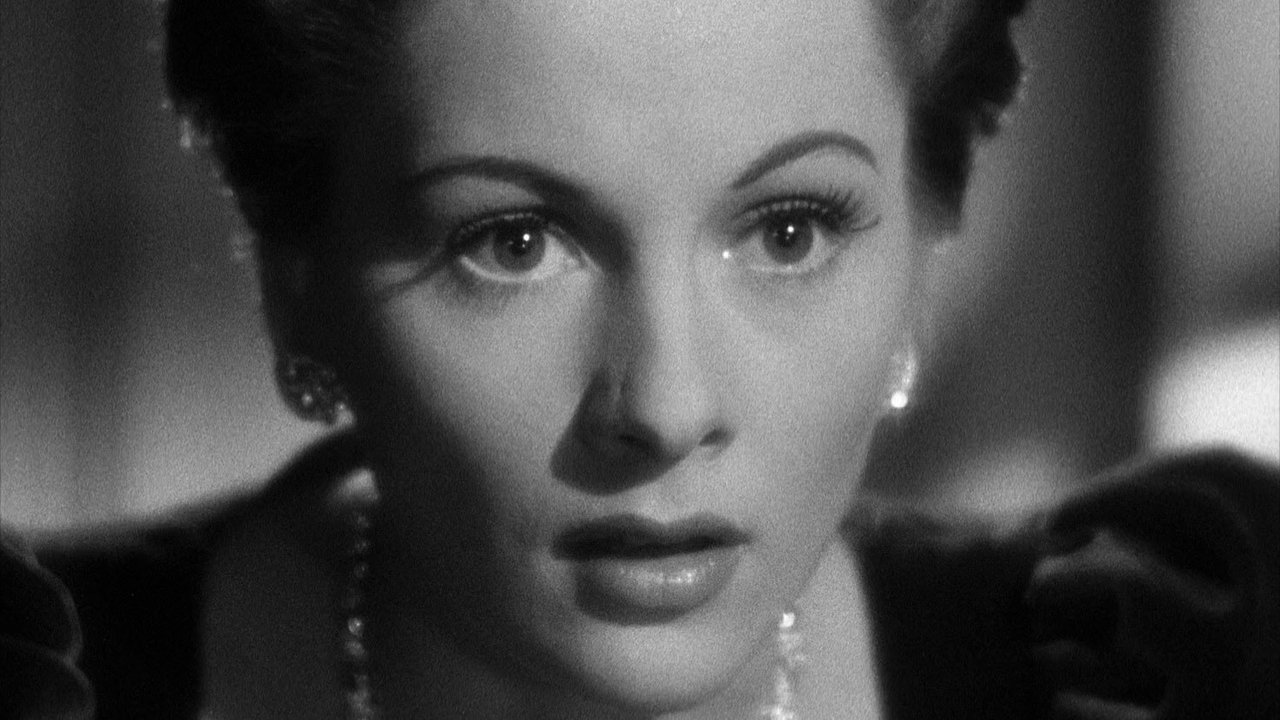
If Suspicion feels like it has a slight identity crisis toward the end, you can blame the RKO front office. In the original novel, Before the Fact by Francis Iles, Johnnie is unequivocally a killer, and Lina knowingly drinks the poison to protect him from the shame of being caught. It’s dark, cynical, and exactly the kind of twisted ending Hitchcock loved.
However, the studio system of the 1940s was built on the "Star Image." RKO executives were horrified at the idea of Cary Grant—their golden boy—being a cold-blooded wife-killer. They feared it would ruin his box office appeal. The resulting battle between Hitchcock and the studio led to several reshoots and a final ending that feels, to be honest, like a panicked retreat into a happy ending.
Despite the tacked-on resolution, the journey there remains masterfully intense. The "Independent" spirit of Hitchcock is visible in how he pushed the Production Code to its limits. He couldn't show the murder, so he filmed the possibility of it with such conviction that the actual outcome almost doesn't matter. The film is a fascinating look at the struggle between a director's dark vision and the industrial requirement for a tidy, moralistic finish. Even with its wings clipped by the studio, Suspicion flies higher than most modern thrillers because it understands that the most terrifying monsters are the ones who tell us they love us.
Suspicion remains a chilling masterclass in psychological tension that proves Cary Grant was even better when he was being bad. While the ending is a bit of a studio-mandated stumble, the atmosphere and Joan Fontaine’s haunting performance make it essential viewing for anyone who likes their romance with a side of cyanide. It’s a beautifully shot reminder that you never truly know the person sitting across from you at the dinner table.
Keep Exploring...
-

Rebecca
1940
-
Notorious
1946
-
Spellbound
1945
-
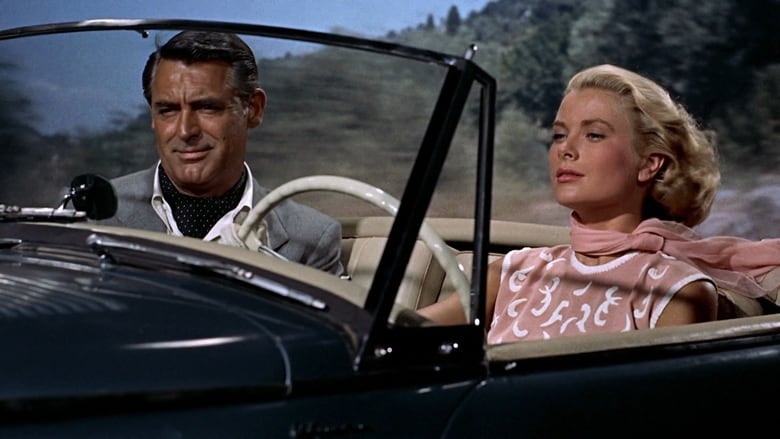
To Catch a Thief
1955
-
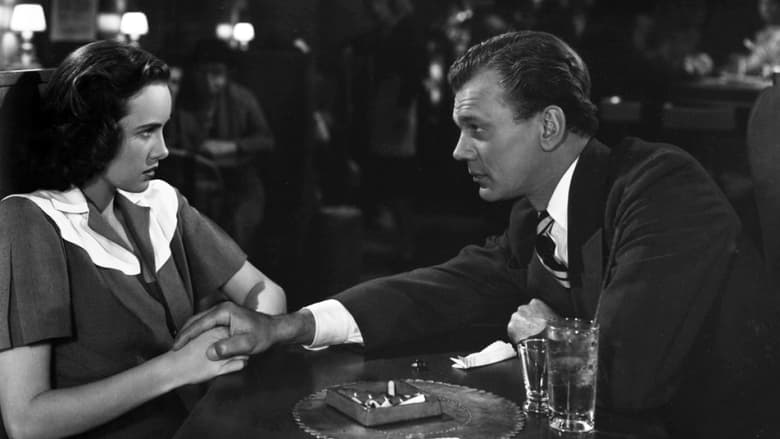
Shadow of a Doubt
1943
-
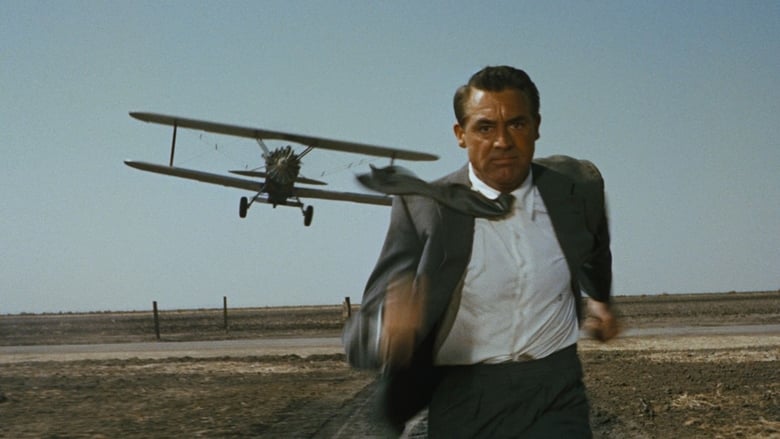
North by Northwest
1959
-

Vertigo
1958
-
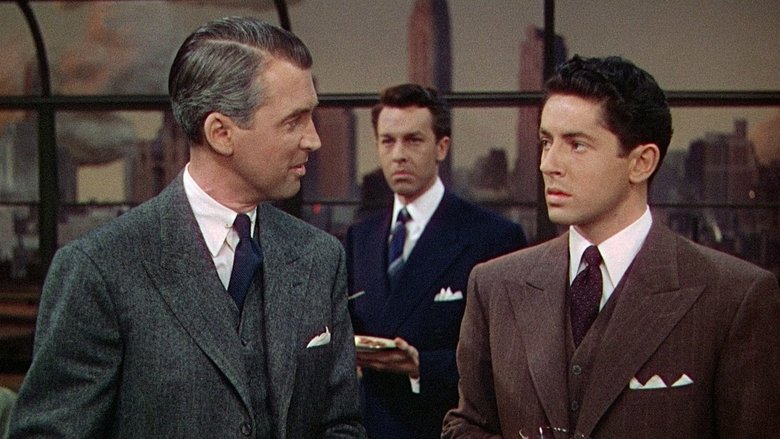
Rope
1948
-
The Man Who Knew Too Much
1956
-
Rear Window
1954
-
Marnie
1964
-
Strangers on a Train
1951
-
The Lady Vanishes
1938
-
Dial M for Murder
1954
-
The Maltese Falcon
1941
-
The Big Sleep
1946
-
Psycho
1960
-
The Philadelphia Story
1940
-
The Birds
1963
-
The 39 Steps
1935