The Maltese Falcon
"A black bird, a thousand lies, one cold heart."
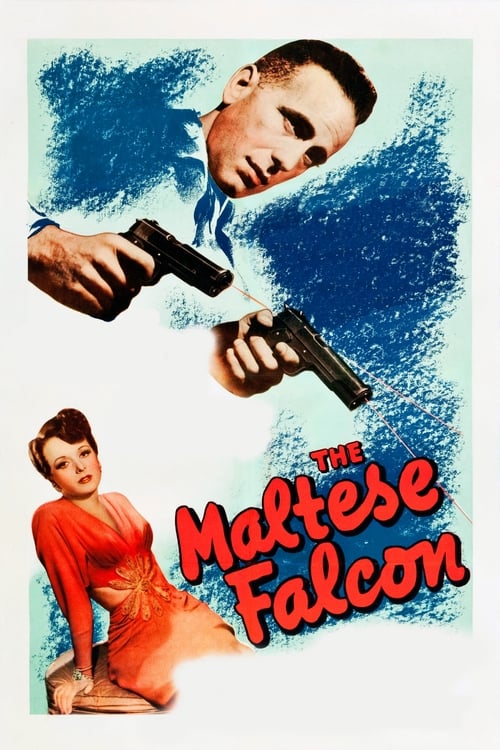
I remember the first time I saw Sam Spade roll a cigarette with one hand. It looked like a card trick performed by a man who had forgotten how to smile. I tried to mimic it once with a pouch of loose tobacco while sitting on my porch, and I ended up looking like I’d been caught in a very localized flour explosion. It didn't matter; Humphrey Bogart made the mundane act of smoking look like a high-stakes tactical maneuver. I watched this particular screening on a Tuesday evening while my radiator was clanking like a percussion section in a basement jazz club, and the metallic rhythm weirdly suited the cold, industrial precision of John Huston’s directorial debut.
The Architect of Cynicism
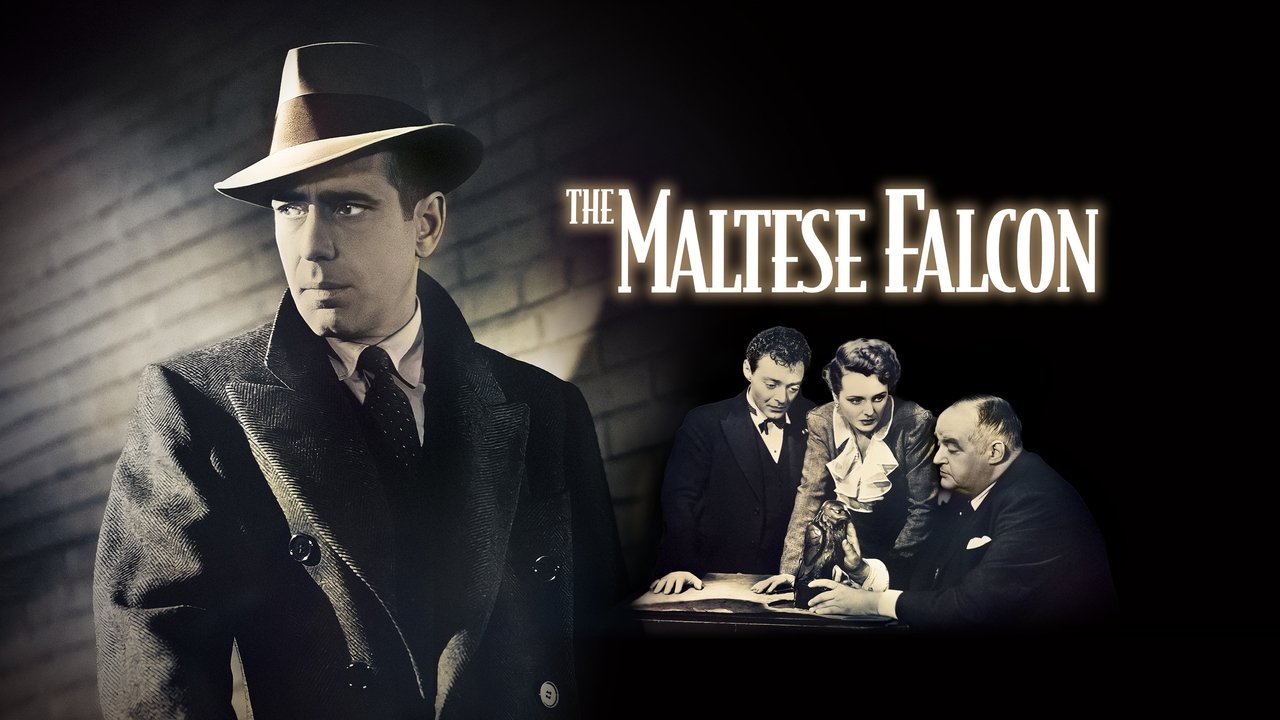
The Maltese Falcon isn't just a mystery; it’s the moment Hollywood realized that the leading man didn't have to be a "good guy." Before 1941, Humphrey Bogart was largely a B-movie heavy, the guy who got shot by James Cagney in the final reel. But as Samuel Spade, he occupies a gray space that feels uncomfortably modern even today. He’s a man who lives by a code, but that code has nothing to do with the law and everything to do with self-preservation and a grim sort of professional pride.
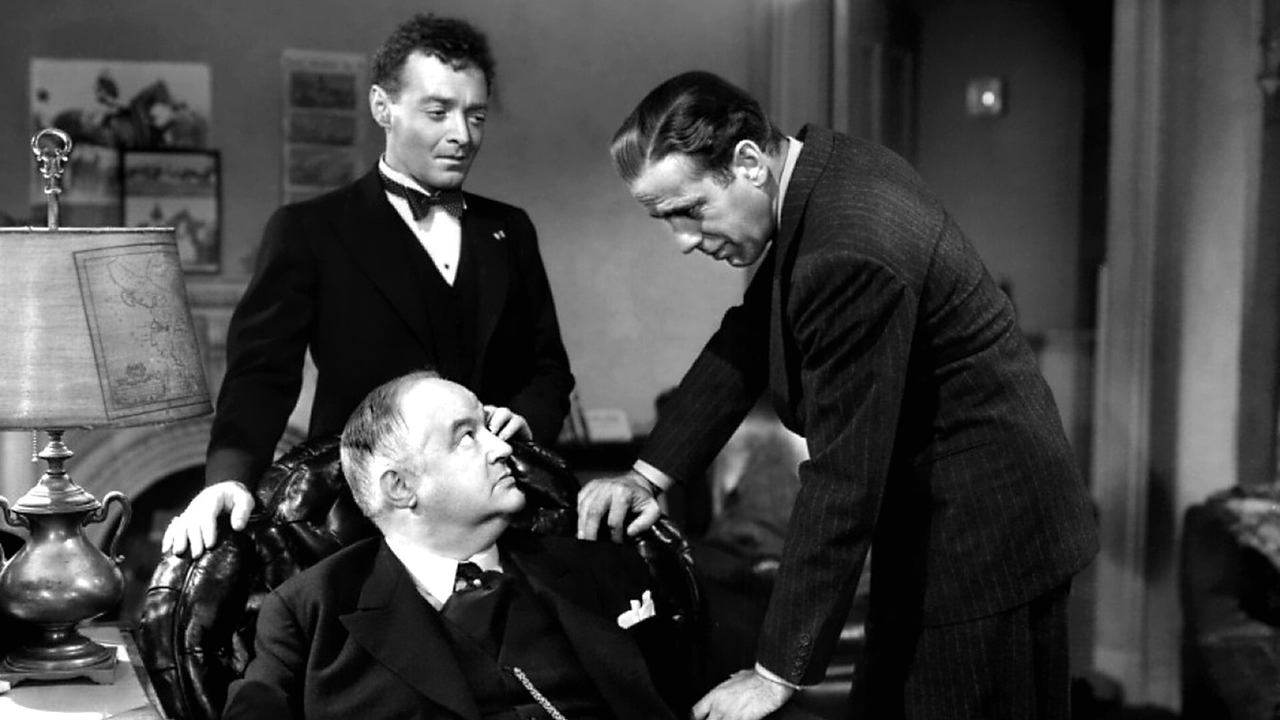
Spade is essentially a sociopath with a badge of office, and that is exactly why the performance works. He doesn't flinch when his partner is murdered—he just wonders how it’s going to affect business and whether he can finally stop pretending to like the guy's wife, Iva Archer (Gladys George). The drama here isn't found in a car chase or a shootout; it’s in the way Bogart’s eyes go dead whenever someone mentions "love" or "trust." He treats emotions like counterfeit currency—he’ll accept them, but he knows they’re worthless.
A Masterclass in the "Gallery of Grotesques"
The film thrives on its ensemble of predators. Mary Astor, as Brigid O'Shaughnessy, plays the "damsel in distress" with a calculated fragility that you can see through if you look closely enough, which is exactly what Spade does. She’s a virtuoso liar, and there’s a sick kind of chemistry in watching her try to manipulate a man who has clearly heard every lie ever told.
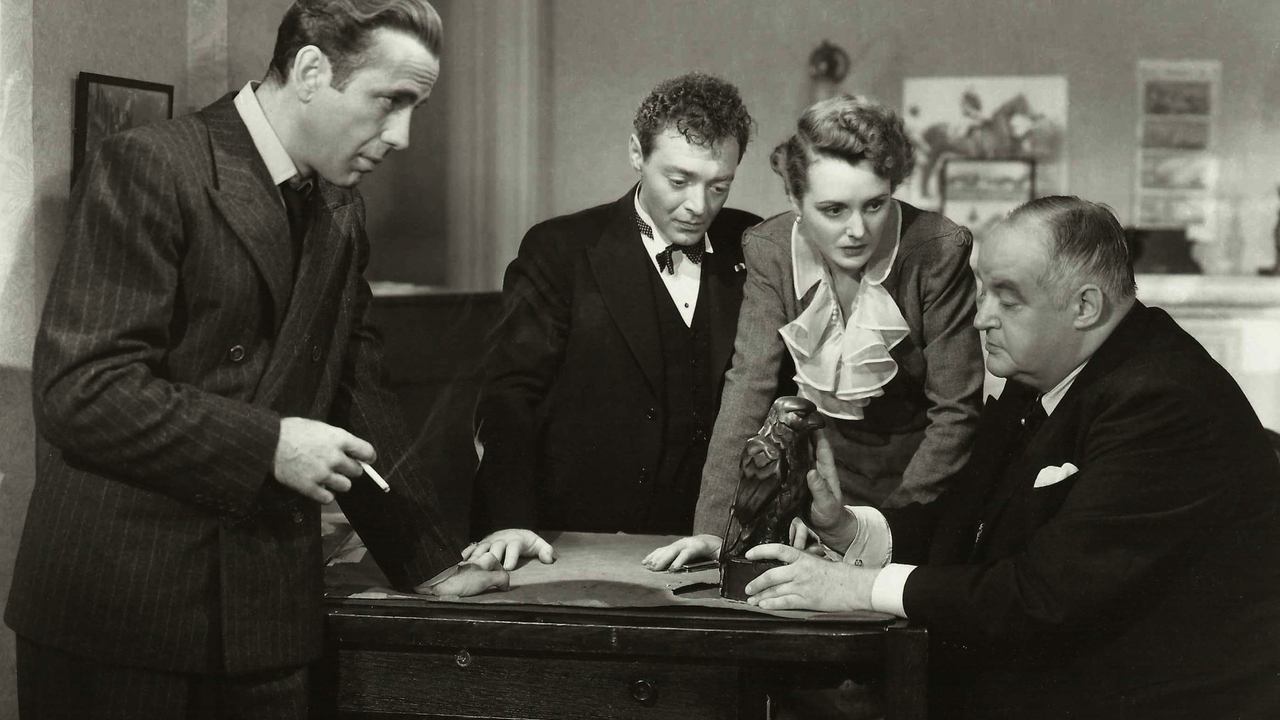
Then there’s the arrival of the "eccentric criminals." Peter Lorre as Joel Cairo is a revelation of scented handkerchiefs and nervous, lethal energy. Lorre brings a strange, fey menace to the role that bypassed the censors of the time by being coded just enough to be dangerous. When he and Spade occupy the same frame, the air feels thin. These aren't characters you'd want to have a drink with; they are people who would steal the ice out of your glass while you were looking at the menu.
The production itself was a marvel of Warner Bros. efficiency. John Huston was a first-timer, but he was a first-timer who had storyboarded every single shot to the inch. This wasn't a sprawling epic; it was a claustrophobic, 100-minute pressure cooker. Most of the film takes place in offices and hotel rooms—spaces that feel more like cages as the hunt for the "black bird" intensifies. The cinematography by Arthur Edeson uses shadows not just for atmosphere, but to hide the fact that the world these characters inhabit is incredibly small and increasingly dark.
The Weight of the Bird
For a film about a priceless statuette, The Maltese Falcon is remarkably unconcerned with the object itself. The bird is a MacGuffin, a lead-filled excuse for a group of desperate people to show their true colors. The "Dark" modifier here isn't about gore or jump-scares; it’s about the soul-crushing realization that every character in the film is willing to trade their humanity for a piece of jewelry.

John Huston’s script—famously sticking almost verbatim to Dashiell Hammett’s novel—doesn't offer a traditional Hollywood catharsis. When the truth about the falcon finally emerges, it’s not a moment of triumph; it’s a punchline to a very long, very cruel joke. The final act, involving the police and the "fall guy," is handled with a coldness that must have shocked 1941 audiences used to more sentimental endings. Even Lee Patrick, playing the loyal secretary Effie Perine, provides a grounding element that only highlights how far outside the "normal" world Spade has traveled.
Interestingly, this was actually the third time Warner Bros. had tried to film this story. The previous versions were tonal disasters—one was even a light comedy. It took Huston's gritty, uncompromising vision to realize that the story only works if you lean into the darkness. He understood that the real "stuff that dreams are made of" is actually just greed, and greed doesn't have a happy ending.
The Maltese Falcon remains the definitive blueprint for film noir because it refuses to blink. It’s a film where the hero sends the woman he might love to the gallows because "doing otherwise would be bad for business." It’s sharp, it’s cynical, and it features a cast that seems to have been birthed from the very shadows they inhabit. It’s a reminder that sometimes, the most intense drama doesn't come from a grand tragedy, but from the cold, quiet click of a door being locked.
Keep Exploring...
-
The Big Sleep
1946
-
The Treasure of the Sierra Madre
1948
-
Double Indemnity
1944
-
Shadow of a Doubt
1943
-
Strangers on a Train
1951
-
To Catch a Thief
1955
-
The Man Who Knew Too Much
1956
-
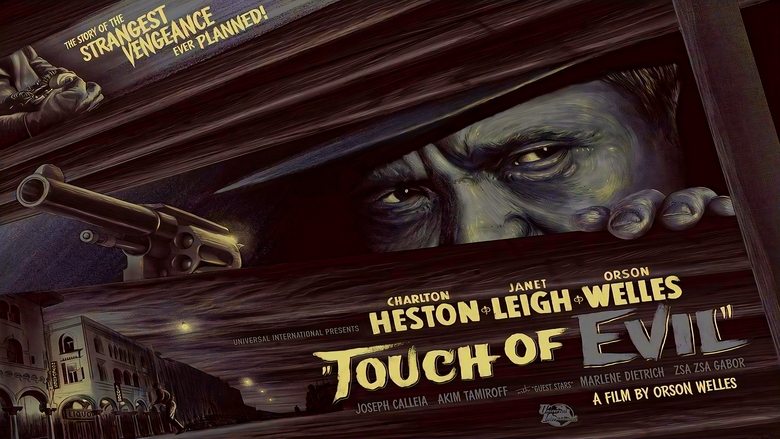
Touch of Evil
1958
-

Rebecca
1940
-
Suspicion
1941
-
Arsenic and Old Lace
1944
-
Spellbound
1945
-
Notorious
1946
-
The African Queen
1952
-
The Killing
1956
-

Vertigo
1958
-
Diabolique
1955
-

Murder by Death
1976
-
Blow Out
1981
-
Clue
1985