Casablanca
"A cynical heart finds its conscience in a world on fire."
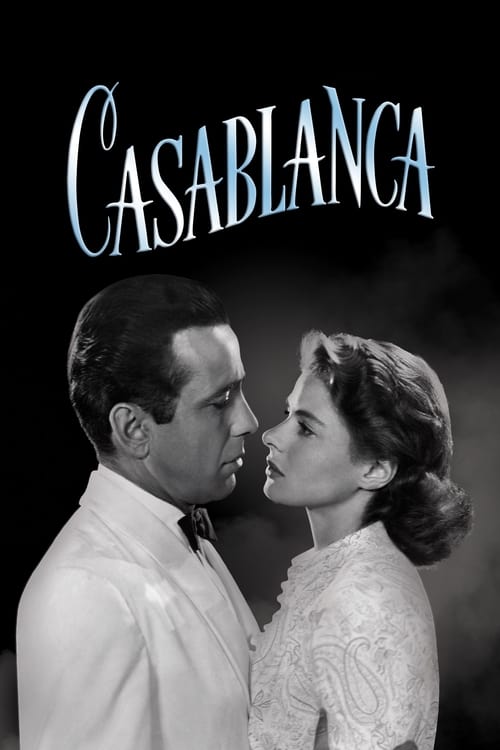
Production on Casablanca was, by all contemporary accounts, a chaotic mess. It wasn't designed to be the "Greatest Movie of All Time." It was just another title on the 1942 Warner Bros. release schedule, a "prestige" project only in the sense that it had a decent budget and some contract stars. The script was being finished literally as the cameras rolled; Ingrid Bergman famously asked director Michael Curtiz which man her character was supposed to love, only to be told, "I don't know yet... just play it in between."
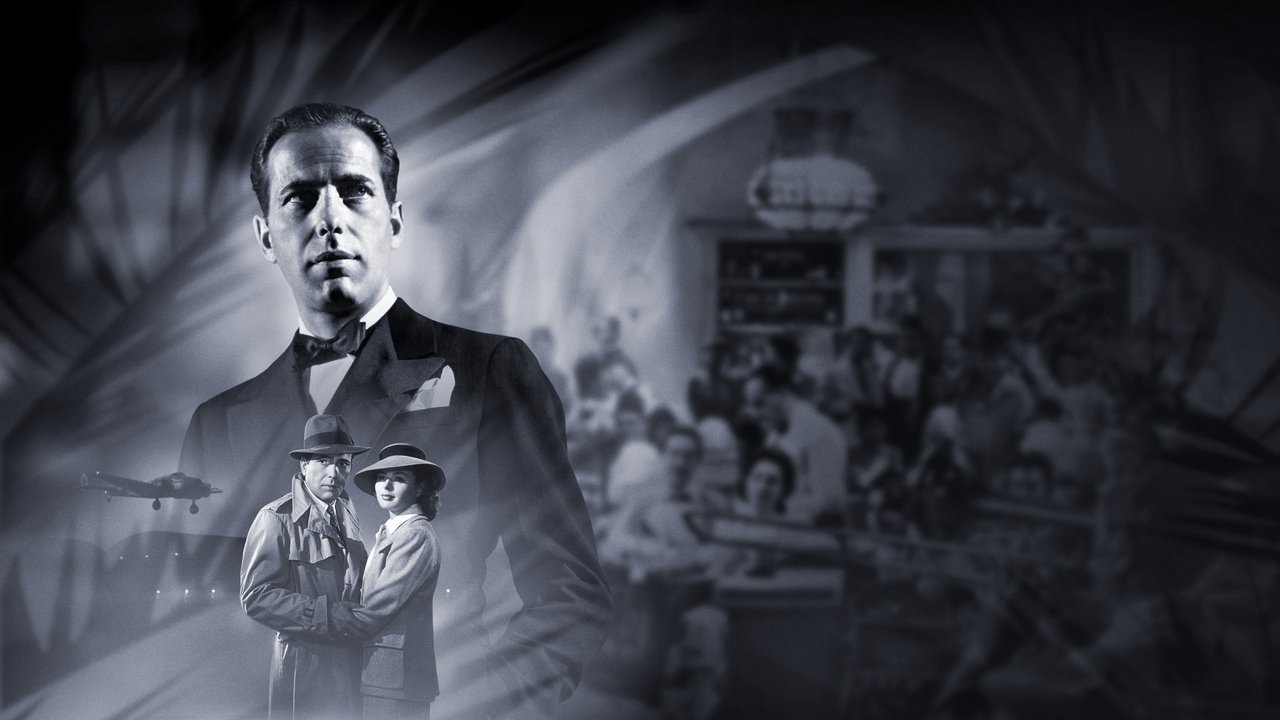
I watched my latest viewing of this on a scratched DVD I rescued from a thrift store bin, and even through the occasional digital stutter, the film’s accidental perfection remains staggering. It is the ultimate "happy accident" of the Hollywood studio system—a moment where the assembly line produced a soul.
The Purgatory of Rick’s Café
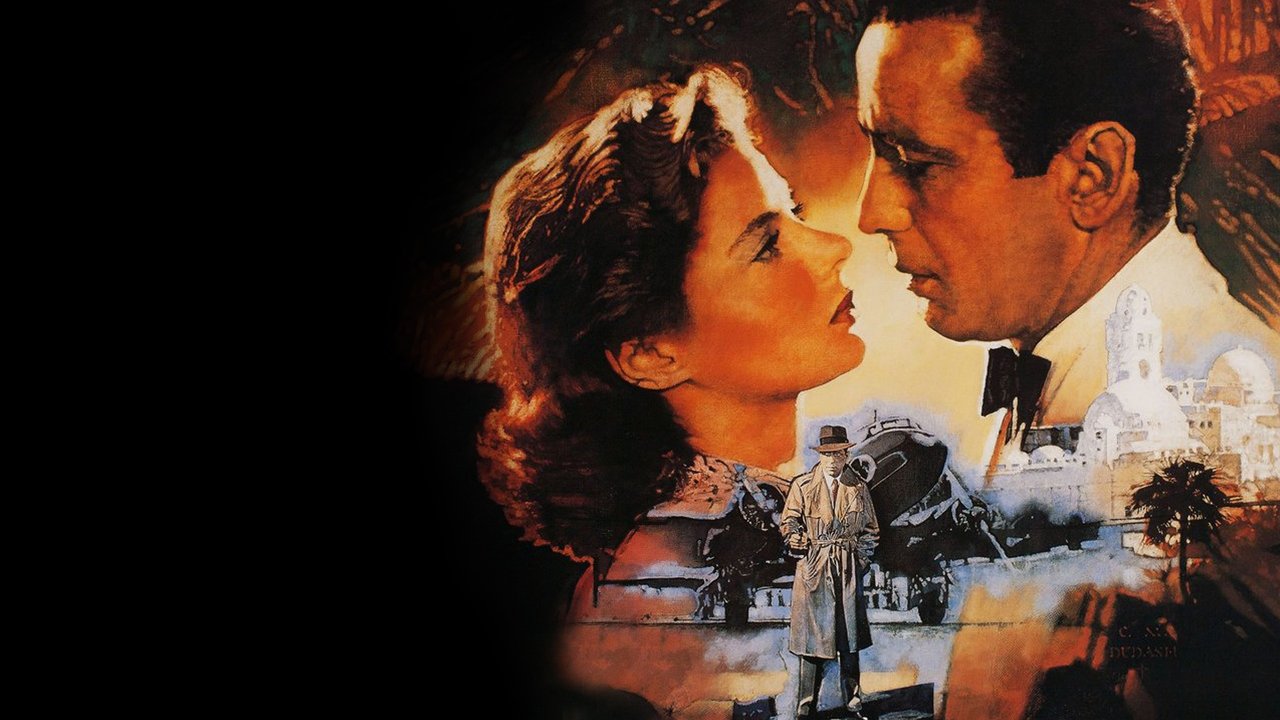
Set in a Vichy-controlled Moroccan port where refugees wait for exit visas that never come, the film feels less like a traditional drama and more like a philosophical waiting room. Humphrey Bogart plays Rick Blaine, an American expatriate who has weaponized his own cynicism. He "sticks his neck out for nobody," or so he says. Rick is essentially a proxy for pre-Pearl Harbor America—isolationist, bitter, and trying to ignore the fire catching in the house next door.
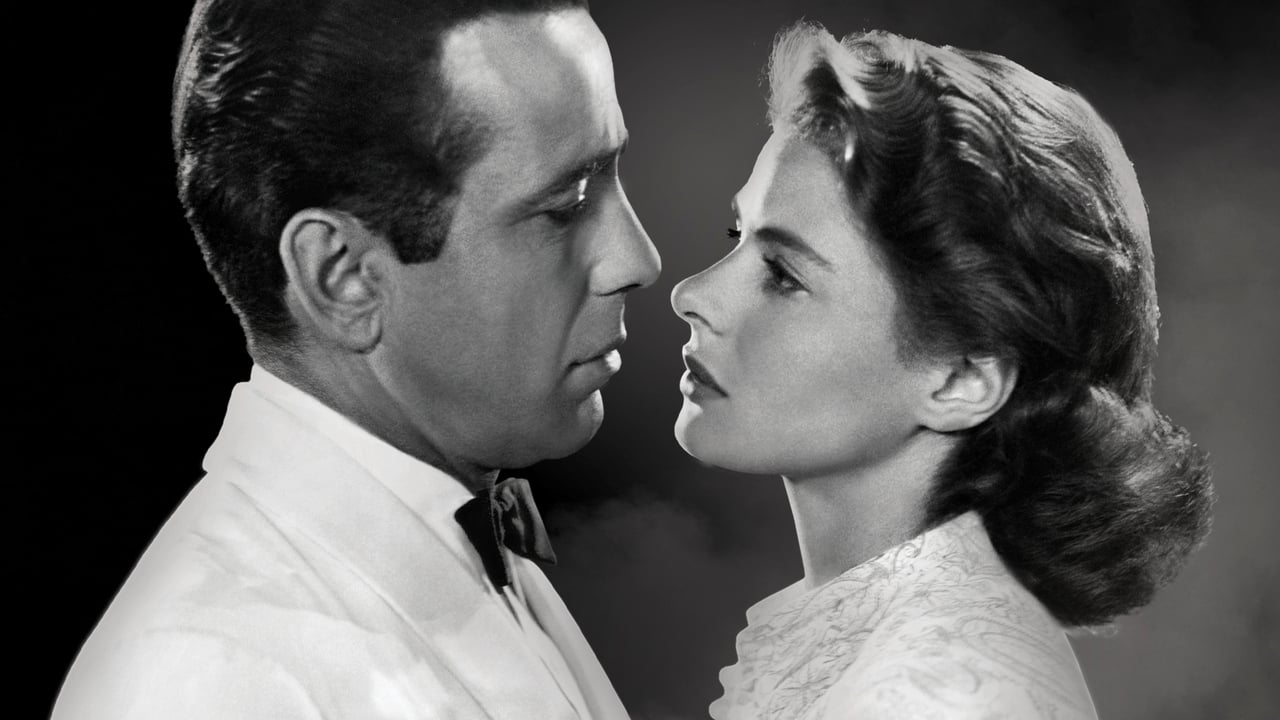
The cinematography by Arthur Edeson (who also shot The Maltese Falcon) turns Rick’s Café Américain into a noir-inflected sanctuary of shadows and smoke. It’s a beautifully crafted cage. When Ingrid Bergman’s Ilsa Lund walks in, the lighting changes; she glows with a soft-focus luminescence that seems to physically hurt Bogart. Their chemistry works precisely because it’s built on what isn't said. Bogart’s face is a map of suppressed heartbreak, while Bergman carries an ethereal guilt that makes her every decision feel like a tragedy in motion.
The Ethics of the Gin Joint
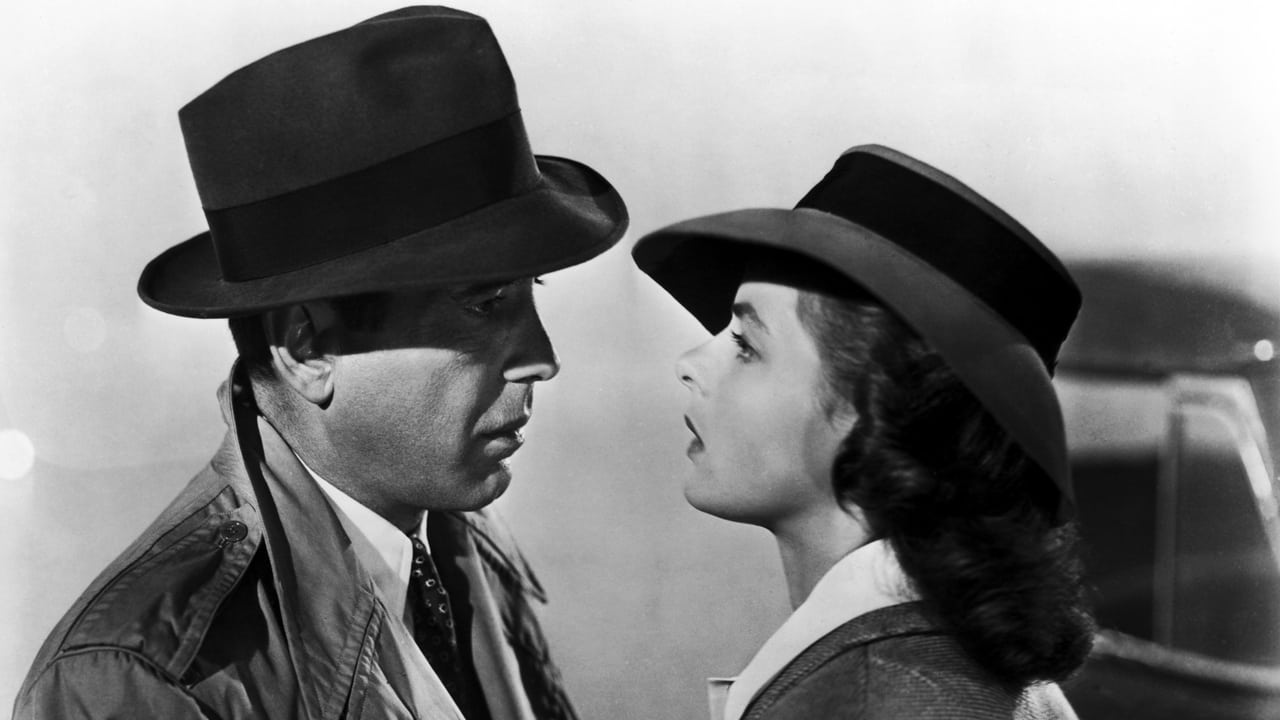
While we remember the romance, the film is secretly an intellectual debate about the cost of neutrality. The arrival of Victor Laszlo (Paul Henreid) forces the question. Let’s be honest: Victor Laszlo is the kind of guy who would remind the teacher about the homework. He’s almost too noble to be human. But that’s the point. He represents a cause, while Rick represents a man.
The struggle isn't just about who gets the girl; it’s about whether personal happiness can exist in a world where freedom is dying. I’ve always found the "La Marseillaise" scene—where the café patrons drown out the Nazis with the French national anthem—to be one of the few moments in cinema that earns its sentimentality. Interestingly, many of the extras in that scene were actual refugees from Nazi-occupied Europe. The tears on screen weren't all acting; they were a collective release of real-world trauma. That’s the kind of technical glamour the studio system excelled at—masking raw, bleeding reality with a high-gloss finish.
A Script Written in Lightning
For a movie that was famously unfinished during shooting, the dialogue is impossibly sharp. The screenplay by Julius J. Epstein, Philip G. Epstein, and Howard Koch is a miracle of economy. Every line serves a dual purpose: characterizing the speaker while advancing the plot. Claude Rains, as the corrupt but charming Captain Louis Renault, steals every scene he’s in with a effortless wit that makes his eventual "redemption" feel like a delightful wink rather than a forced character arc.
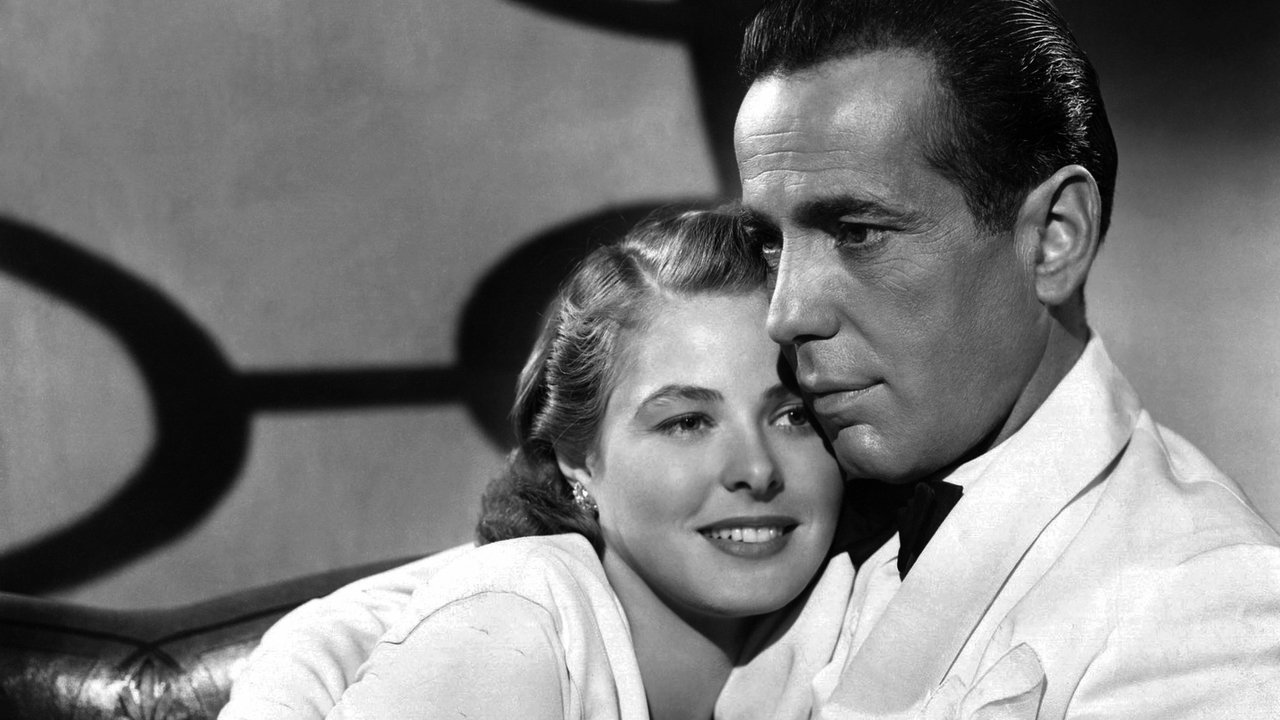
The film swept the 16th Academy Awards, winning Best Picture, Best Director, and Best Screenplay. It was a prestige hit that resonated because it captured the exact temperature of the 1940s. Yet, it avoids the trap of being a mere propaganda piece. It’s a film about the difficulty of being a "good" person when the world makes it much easier to be a "neutral" one.
The "stuff you didn't notice" category is overflowing here: did you know that the "As Time Goes By" melody was nearly replaced? Max Steiner (the composer) hated the song and wanted to write an original one, but because Bergman had already cut her hair short for her next role in For Whom the Bell Tolls, they couldn't reshoot the scenes. History was saved by a haircut.
Casablanca is the rare classic that actually justifies its own mythology. It’s a masterfully paced drama that manages to be a romance, a political thriller, and a comedy all at once without ever feeling crowded. I’ve seen it a dozen times, and I still find myself hoping, just for a second, that the plane takes off differently. It’s a film that asks us to weigh our own "little hill of beans" against the larger world, and somehow makes that sacrifice feel like the ultimate romantic gesture. If you haven't seen it in a while, find the oldest, dustiest copy you can and let it break your heart again.
Keep Exploring...
-
Sabrina
1954
-
The Treasure of the Sierra Madre
1948
-
Citizen Kane
1941
-
It's a Wonderful Life
1946
-
The African Queen
1952
-
12 Angry Men
1957
-
Hiroshima Mon Amour
1959
-
Modern Times
1936
-
The Grapes of Wrath
1940
-
The Philadelphia Story
1940
-

Laura
1944
-
Seven Samurai
1954
-
The Seventh Seal
1957
-
Ben-Hur
1959
-
Before Sunrise
1995
-
Notorious
1946
-

Bicycle Thieves
1948
-

Roman Holiday
1953
-

On the Waterfront
1954
-
In the Mood for Love
2000