Shadow of a Doubt
"The deadliest guests arrive with a smile."
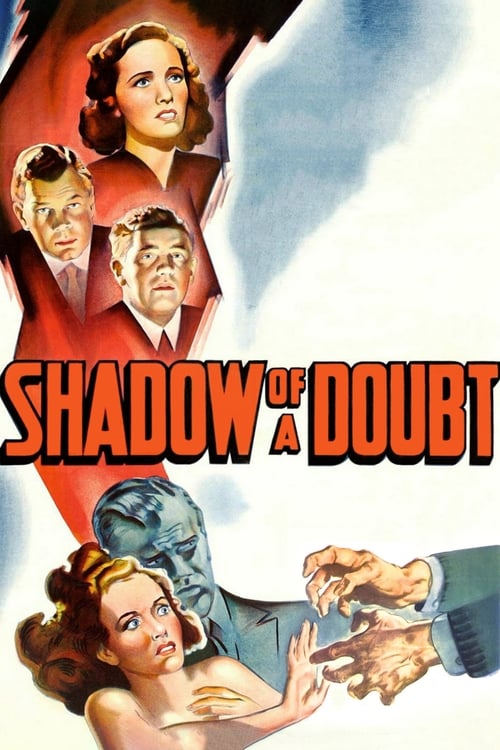
The black smoke billowing from the locomotive that pulls into Santa Rosa isn’t just coal exhaust; it is a literal stain on a postcard. In the opening moments of Shadow of a Doubt, Alfred Hitchcock delivers a smudge of industrial filth into the pristine sunlight of small-town California, and the peace of the Newton household is over before the first suitcase is even unpacked. I’ve always found it telling that of all his masterpieces, Hitchcock consistently named this his personal favorite. It lacks the flamboyant set-pieces of North by Northwest or the voyeuristic high-concept of Rear Window, but it possesses something far more unsettling: a cold, hard look at the rot that can settle into a guest bedroom.
The Monster in the Guest Room
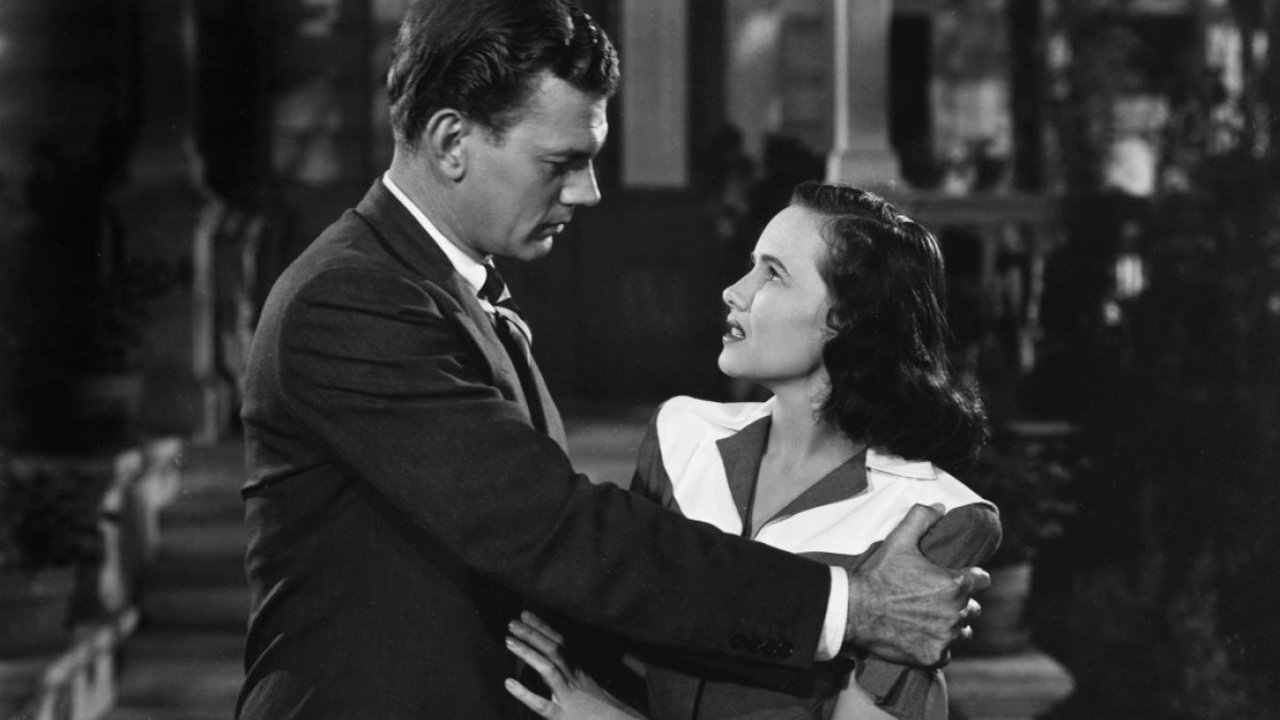
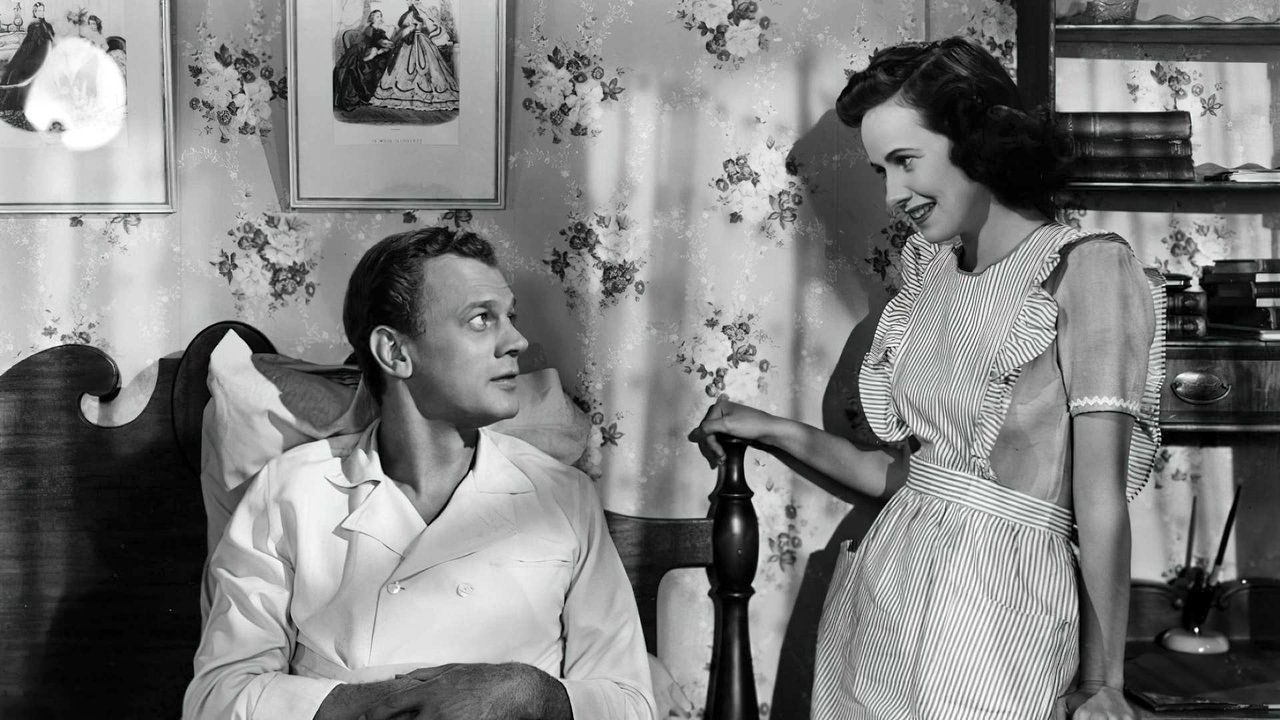
We are introduced to the "Two Charlies." There is Young Charlie, played with a restless, luminous yearning by Teresa Wright, who feels her family is stuck in a terminal rut of suburban boredom. Then there is her namesake, Uncle Charlie, portrayed by Joseph Cotten as a man who seems to carry his own private midnight around with him. When she "summons" him via telegram, she thinks she’s inviting romance and sophistication into her home. Instead, she’s opened the door to a predatory nihilism that the sunny streets of Santa Rosa aren't equipped to handle.
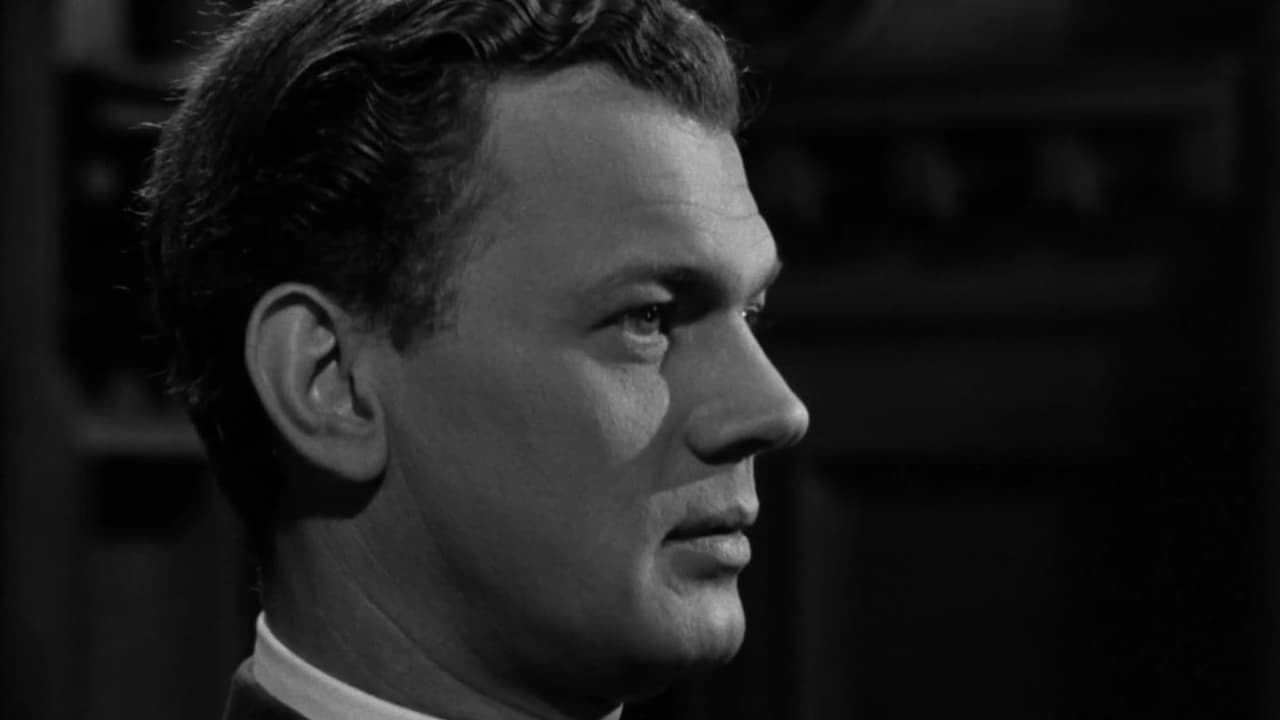
Joseph Cotten is a revelation here. Usually the reliable, slightly secondary charm-merchant in films like Citizen Kane or The Third Man, here he is a master of the mid-Atlantic creep-factor, using his velvet voice to mask a terrifying hatred for the world. I watched this during a torrential downpour while my cat unsuccessfully tried to catch a fly against the window, and that feeling of a trapped, frantic energy perfectly mirrored the escalating dread as Young Charlie realizes her idol is a hollowed-out husk of a man. The way Cotten looks at the camera during his famous "horrible, wheezing animals" speech about elderly widows makes you want to check the locks on your own front door.
A Script Dipped in Vinegar
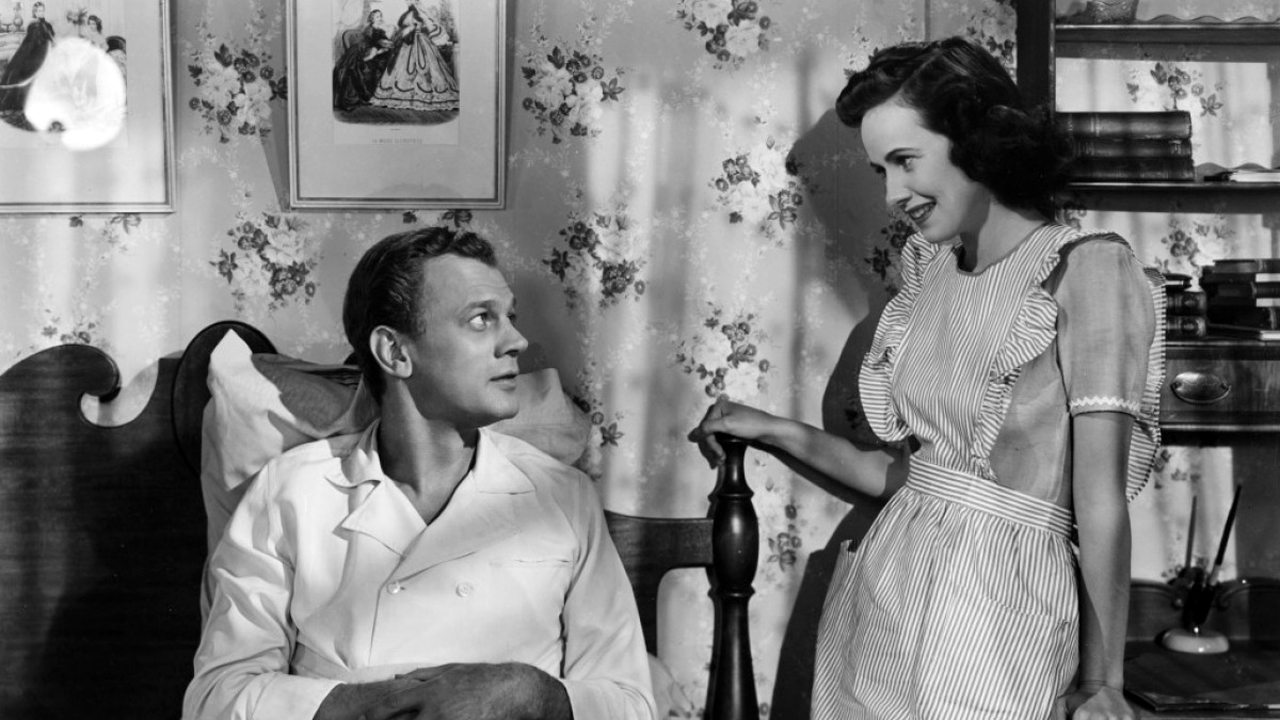
The brilliance of the film lies in its pedigree. Hitchcock collaborated with Thornton Wilder, the playwright famous for Our Town, to craft the story. It was a stroke of genius; Wilder knew how to build the scaffolding of idyllic Americana, and Hitchcock knew exactly where to place the dynamite. The dialogue doesn't feel like the stilted "studio-speak" common in 1943. It feels lived-in, which only makes the intrusion of Uncle Charlie’s "Merry Widow" killings feel more obscene.
Because of the Hays Office and the strict Production Code of the era, Hitchcock couldn't show the crimes. He couldn't even explicitly detail the strangulations. But the constraints actually work in his favor. By keeping the violence off-screen, the film becomes a psychological chess match. The tension is built through shadows, a misplaced newspaper clipping, and a ring that acts as a lead weight around the plot's neck. Teresa Wright does incredible heavy lifting here, transitioning from a girl with a crush on her own lineage to a woman realizing that her family tree is hosting a hangman’s noose.
The Architecture of a Nightmare
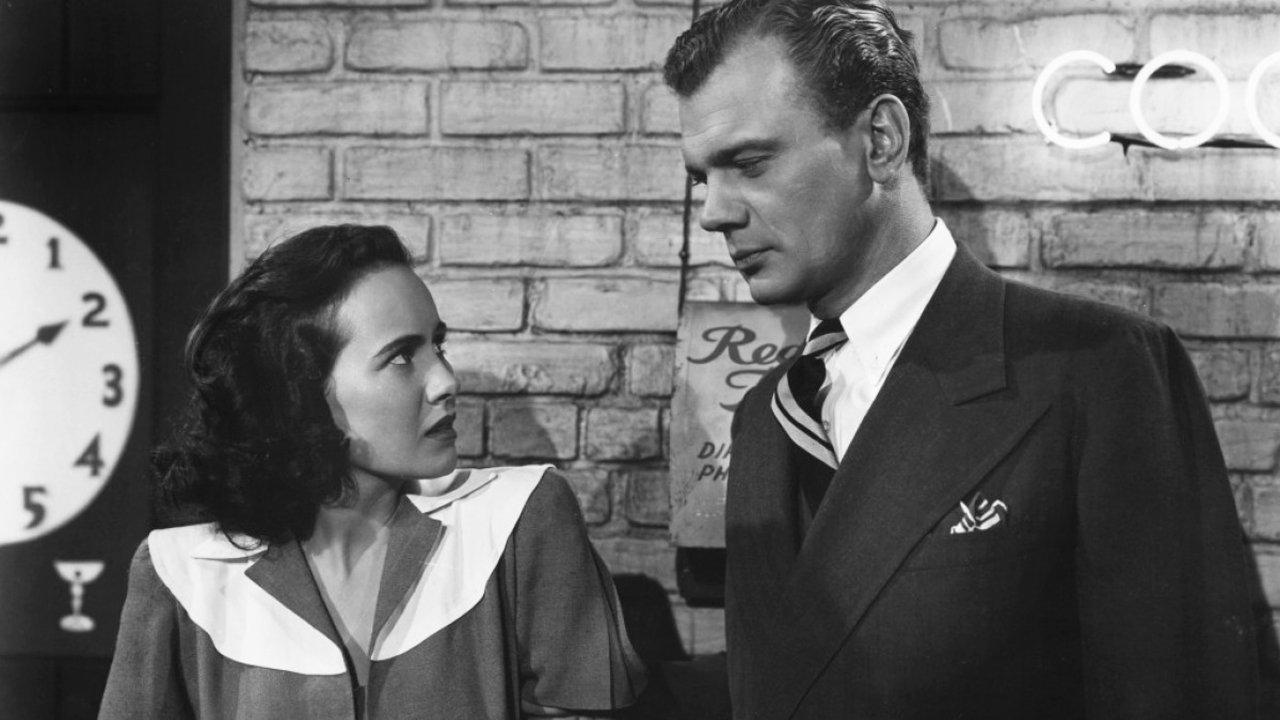
The film captures a very specific moment in the Hollywood Golden Age where the studio system was beginning to allow a darker, more cynical "noir" sensibility to seep into traditional dramas. While Universal Pictures provided the resources, the cinematography by Joseph A. Valentine eschews the typical glamour of the 40s. He uses sharp, geometric shadows that cut across the Newton living room, suggesting that even the most familiar spaces can become labyrinths when shared with a killer.
Even the supporting cast adds to this sense of "comfortable" unease. Henry Travers (who most know as Clarence the angel from It's a Wonderful Life) and Hume Cronyn provide a darkly comic subplot. They play two crime buffs who spend their evenings discussing the most efficient ways to murder each other over the dinner table. It’s a classic Hitchcockian touch—the hobbyist's fascination with death juxtaposed against the grim, sweating reality of the man sitting right next to them. It highlights the central theme: we are all fascinated by the dark, until the dark decides to move in.
The finale on the moving train remains one of the most taut sequences Hitchcock ever staged, a literal struggle between the light of the new world and the shadows of the old. It’s a film that refuses to offer a clean "happily ever after," leaving its protagonist forever changed by the knowledge that evil doesn't always look like a movie monster. By the time the credits roll, the sunshine of Santa Rosa feels a lot thinner than it did at the start. It is a haunting, perfectly calibrated piece of suspense that proves the most dangerous secrets are the ones we invite in for dinner.
Keep Exploring...
-
Suspicion
1941
-
To Catch a Thief
1955
-
The Man Who Knew Too Much
1956
-

Rebecca
1940
-
Spellbound
1945
-
Notorious
1946
-
Rear Window
1954
-

Vertigo
1958
-
Strangers on a Train
1951
-
The Lady Vanishes
1938
-
The Maltese Falcon
1941
-
The Big Sleep
1946
-
Rope
1948
-
Marnie
1964
-
The 39 Steps
1935
-
Dial M for Murder
1954
-
North by Northwest
1959
-
The Trouble with Harry
1955
-
Diabolique
1955
-
Psycho
1960