Arsenic and Old Lace
"Elderberry wine, a pinch of cyanide, and Auntie’s favorite hobby."
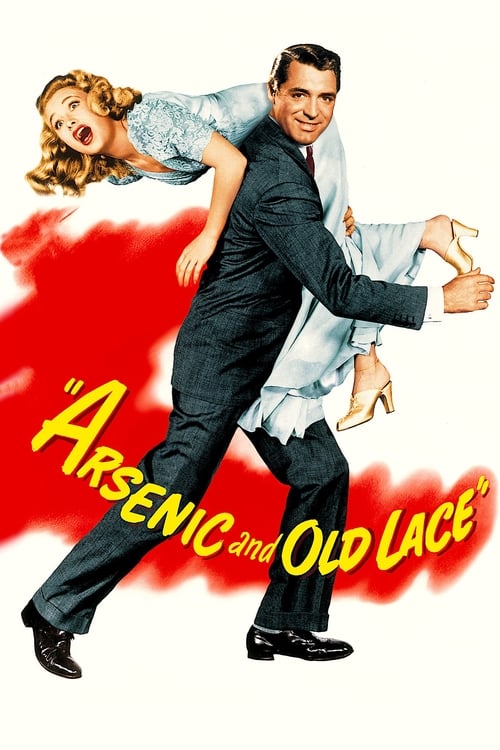
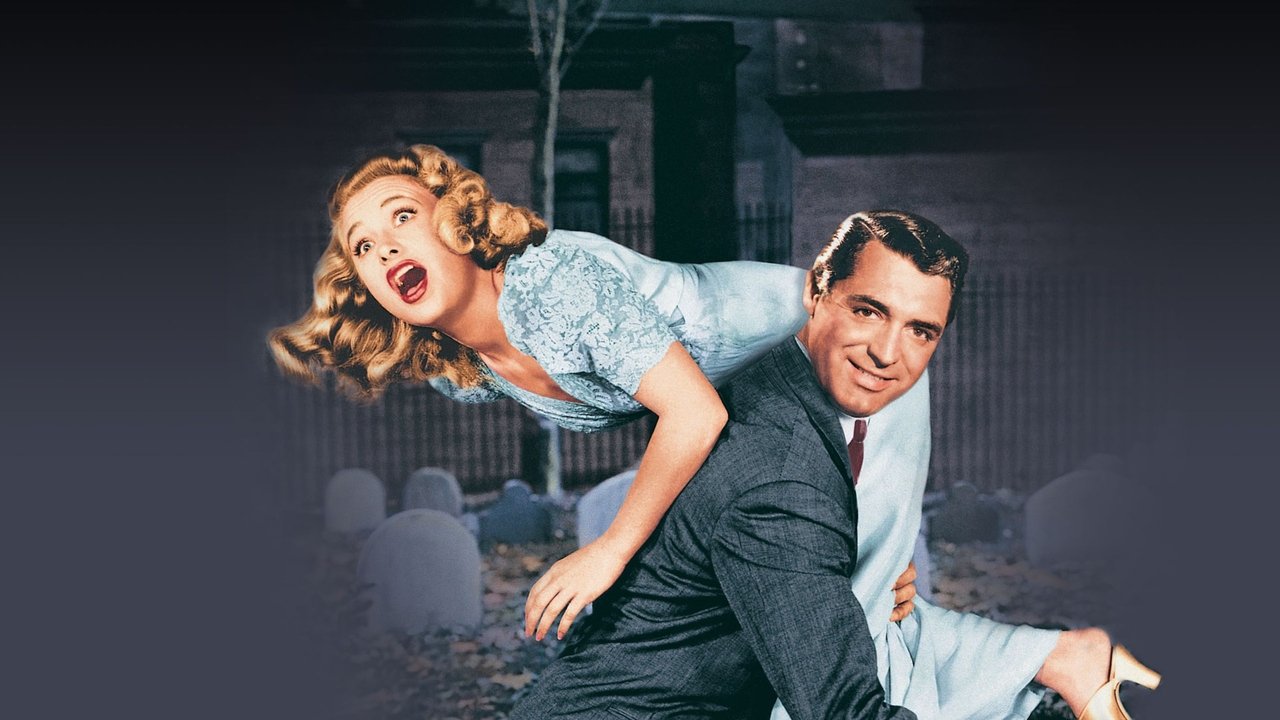
I watched this on a Tuesday night while trying to ignore a persistent, rhythmic squeak in my floorboards, which, given the plot of Arsenic and Old Lace, was a terrible mistake for my heart rate. There is something deeply unsettling about the idea of what might be happening beneath your feet while you’re upstairs worrying about your taxes or your honeymoon, and Frank Capra taps into that domestic dread with a frantic, caffeinated energy that shouldn't be as funny as it is.
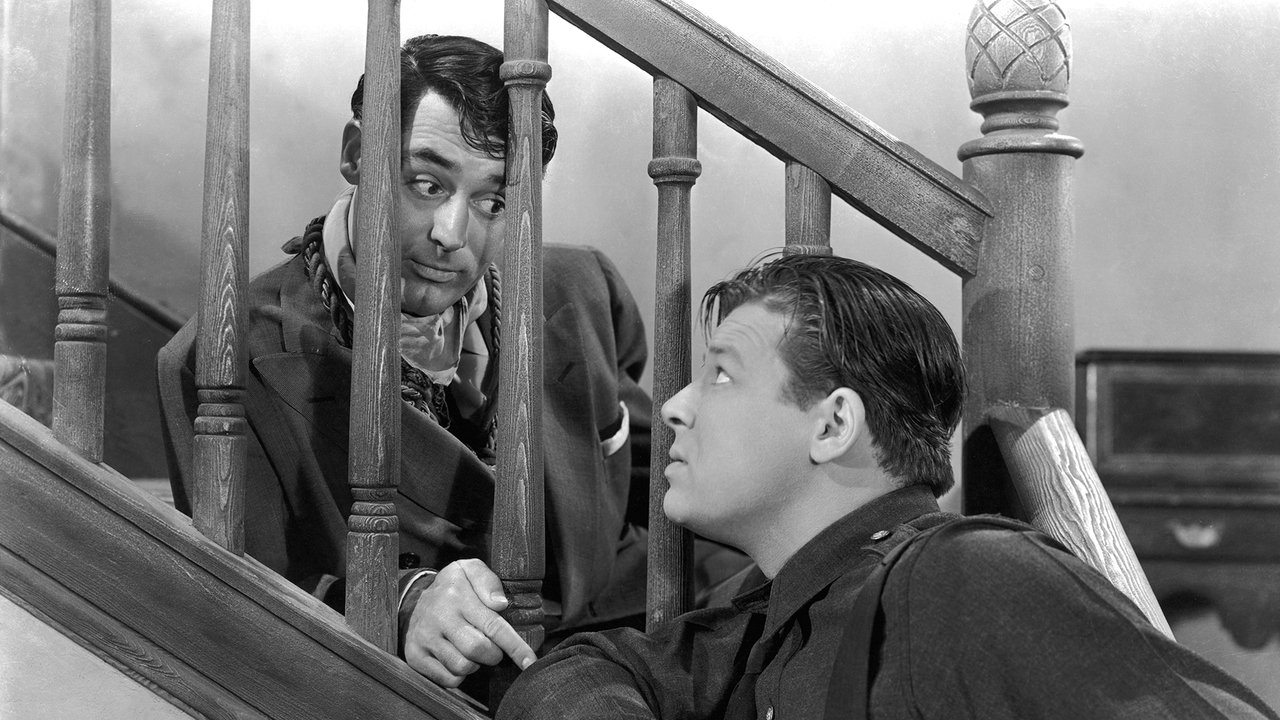
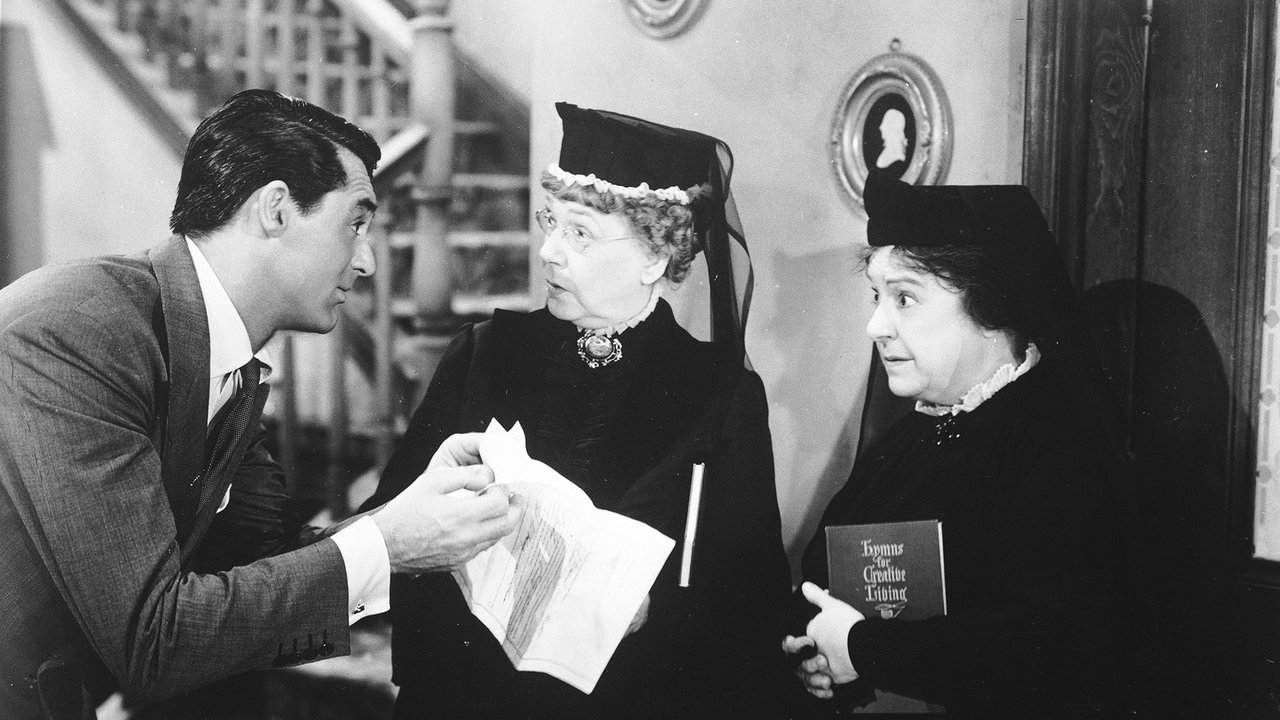
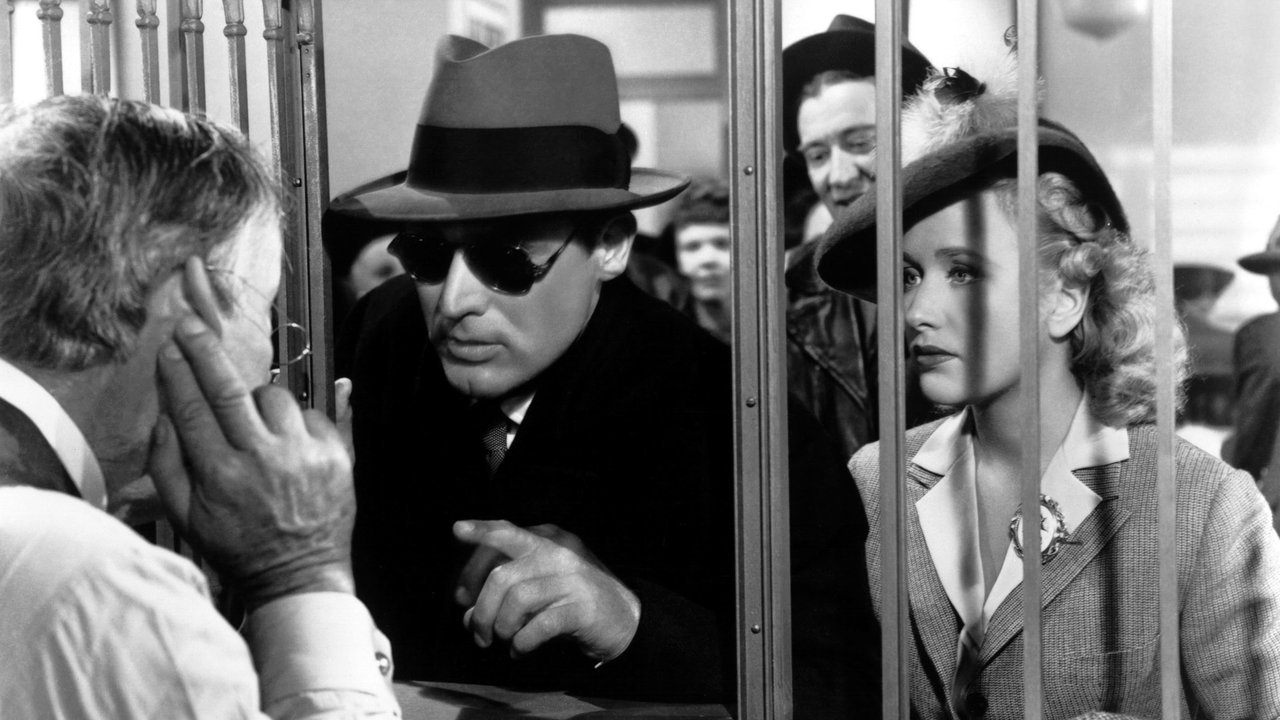
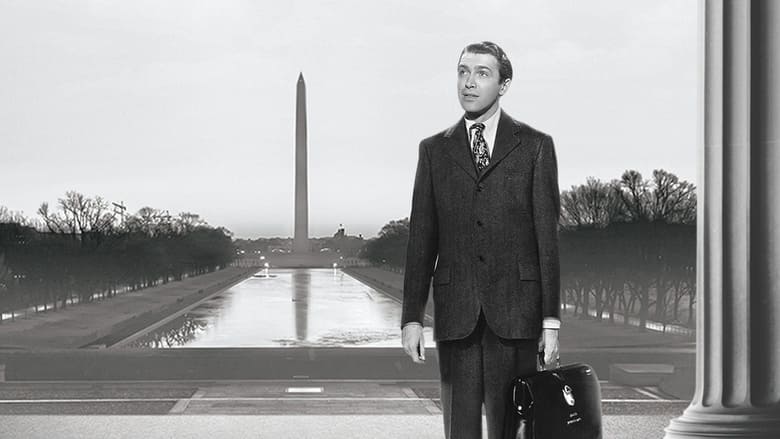
The film is a masterclass in the "dark" side of the Golden Age. While we usually associate Capra with the sentimental optimism of Mr. Smith Goes to Washington (1939), here he trades the "Capra-corn" for a cocktail of arsenic and strychnine. We follow Mortimer Brewster (Cary Grant), a man who has built a career as a cynical bachelor critic, only to finally succumb to marriage with the lovely Elaine (Priscilla Lane). He returns to his ancestral Brooklyn home to break the news to his sweet, elderly aunts, Abby and Martha (Josephine Hull and Jean Adair), only to discover that they’ve developed a charitable habit of "ending the suffering" of lonely old men by poisoning their wine and burying them in the cellar.
The Intensity of the Brewster Fever Dream
What strikes me most upon rewatching this is the sheer, suffocating intensity of the atmosphere. The entire film feels like it’s vibrating. The Brewster home is a Victorian pressure cooker, filled with shadows and secret passages, and Capra shoots it with a sense of claustrophobia that borders on horror. The stakes aren't just Mortimer’s reputation; it’s his very sanity. As he discovers body after body, the film shifts from a witty comedy of manners into a high-stakes race against a mental breakdown.
The "darkness" here isn't just in the corpses; it’s in the casual, terrifying morality of the aunts. Josephine Hull and Jean Adair—reprising their roles from the original Broadway smash—play these women with a chillingly sincere kindness. They aren't villains in their own minds; they are social workers of the macabre. This moral ambiguity is what gives the film its bite. We want Mortimer to protect them because they are "sweet," but we are forced to confront the fact that they are prolific serial killers. It’s a grim reality that Capra refuses to soften, even as he ramps up the slapstick.
Grant’s Elastic Face and the Karloff Shadow

Let’s talk about the elephant in the room: Cary Grant. He famously hated his performance in this film, calling it "embarrassingly over-the-top," but I’m going to drop a hot take here: Cary Grant is playing this like he’s in a silent movie, and it’s the only way the character remains likable. If he played Mortimer with his usual suave, "debonair" The Philadelphia Story (1940) energy, the movie would be far too grim. Instead, his double-takes, his wide-eyed terror, and his physical contortions serve as a necessary human shield against the horror of the situation. He is our surrogate, reacting to the madness with the only appropriate response: total, unhinged panic.
Then there’s the arrival of Mortimer’s brother, Jonathan (Raymond Massey), and his alcoholic plastic surgeon, Dr. Einstein (Peter Lorre). Massey plays Jonathan as a literal monster—specifically, a Boris Karloff-looking monster. The meta-joke here is that Karloff played Jonathan on Broadway, but Warner Bros. couldn't get him for the film because he was still under contract for the stage run. Massey does an admirable job stepping into those heavy boots, bringing a genuine sense of physical menace and "noir" darkness that contrasts perfectly with the aunts' chirpy homicides. Peter Lorre, as always, is a delight, providing a sweating, nervous counterpoint to Massey’s cold brutality. His chemistry with Massey feels like a twisted precursor to the "henchman" tropes we’d see in later decades.
Working Within (and Around) the Code
Produced at the height of the Hays Code, Arsenic and Old Lace is a fascinating example of how filmmakers used speed and wit to bypass censorship. You couldn't "glamorize" murder, but apparently, you could make it hilarious if you talked fast enough. The script by Julius J. Epstein and Philip G. Epstein—the same duo who gave us the legendary Casablanca (1942)—is a marvel of rhythmic precision. The jokes fly so fast that if you blink, you’ll miss three plot developments and a jab at Teddy Roosevelt.
The film was actually shot in 1941, but held for three years because the play was such a massive hit that the producers wouldn't let the movie release until the Broadway run ended. This delay means we’re seeing a pre-war production released into a mid-war world. By 1944, audiences were perhaps more primed for this kind of "gallows humor"—a way to process the proximity of death through a lens of absurdity. The technical craft is peak Warner Bros.: the cinematography by Sol Polito uses deep blacks and sharp angles that look like a dry run for the film noir movement that was about to explode.
Ultimately, Arsenic and Old Lace remains one of the most rewatchable artifacts of the 1940s because it trusts the audience to handle its pitch-black premise. It doesn't offer easy answers or a comforting moral lesson; it just invites you into a house where insanity is hereditary and the wine is lethal. It’s a reminder that even in the "wholesome" Golden Age, Hollywood had a wicked sense of humor and a deep appreciation for the skeletons—both literal and figurative—hiding in the family closet.
If you haven't seen it, find the best copy you can, pour yourself a glass of something (maybe skip the elderberry wine), and watch a master of cinema juggle bodies and punchlines with terrifying ease. Just try not to think too much about those floorboard squeaks afterward.
Keep Exploring...
-
The Maltese Falcon
1941
-
Double Indemnity
1944
-
The Big Sleep
1946
-

Some Like It Hot
1959
-
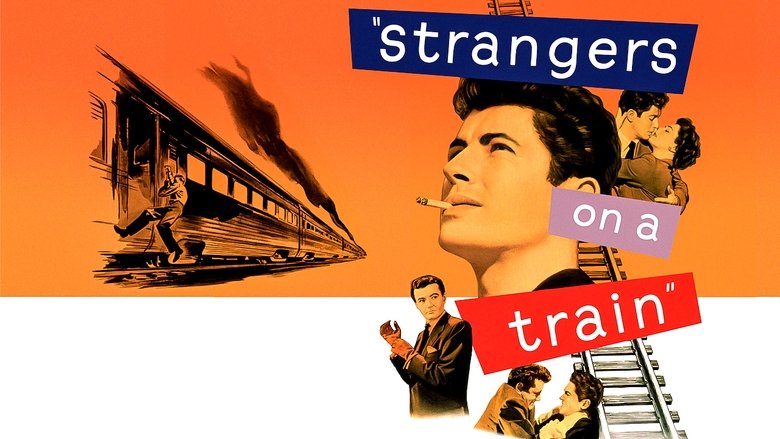
Strangers on a Train
1951
-
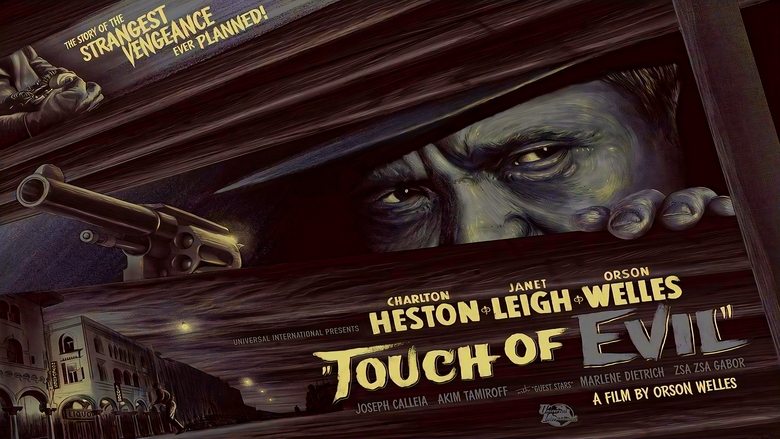
Touch of Evil
1958
-
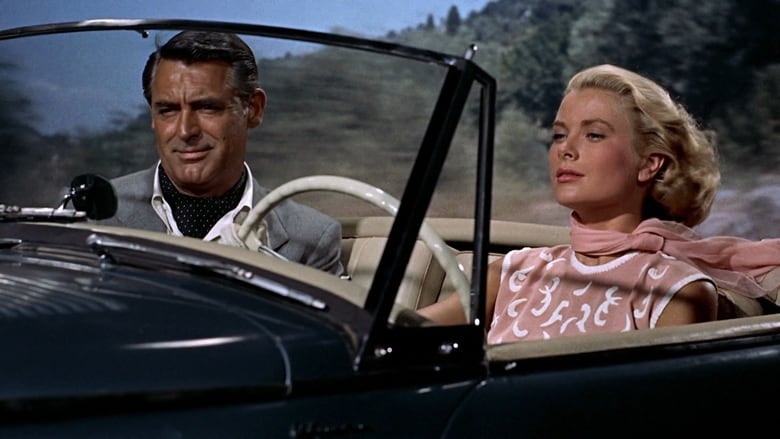
To Catch a Thief
1955
-
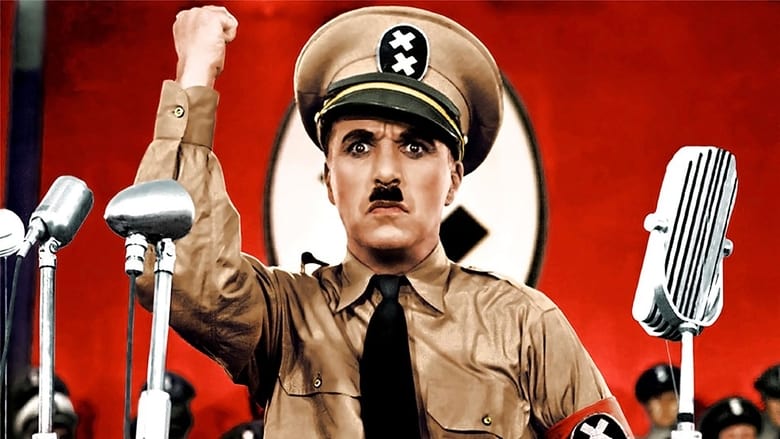
The Great Dictator
1940
-
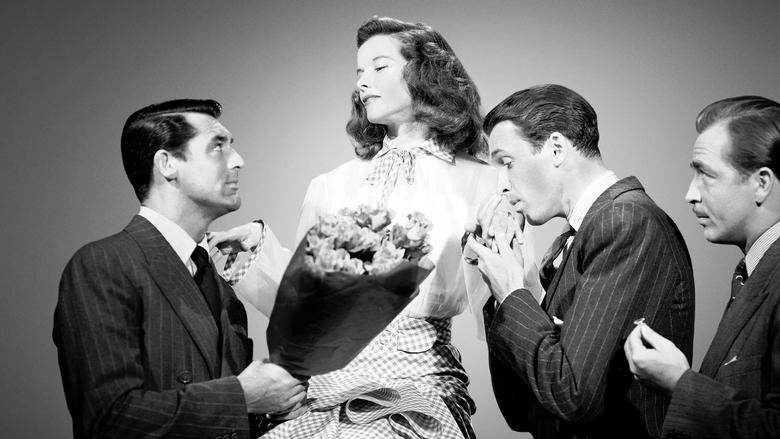
The Philadelphia Story
1940
-
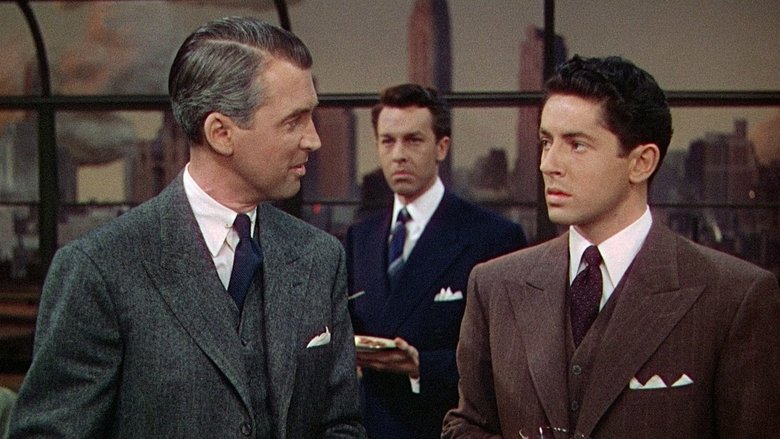
Rope
1948
-
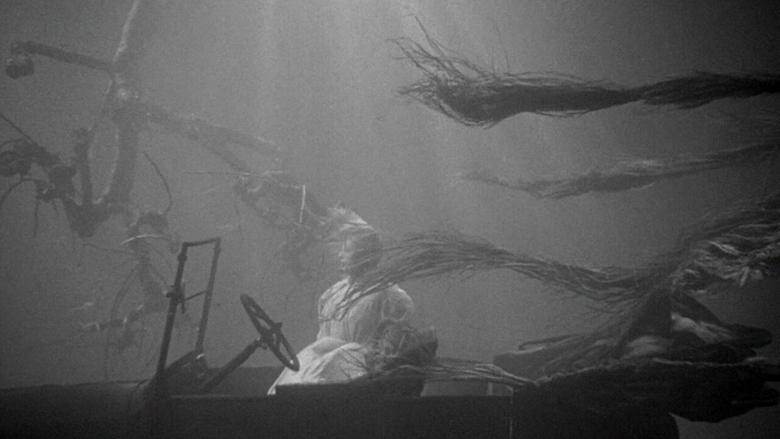
The Night of the Hunter
1955
-
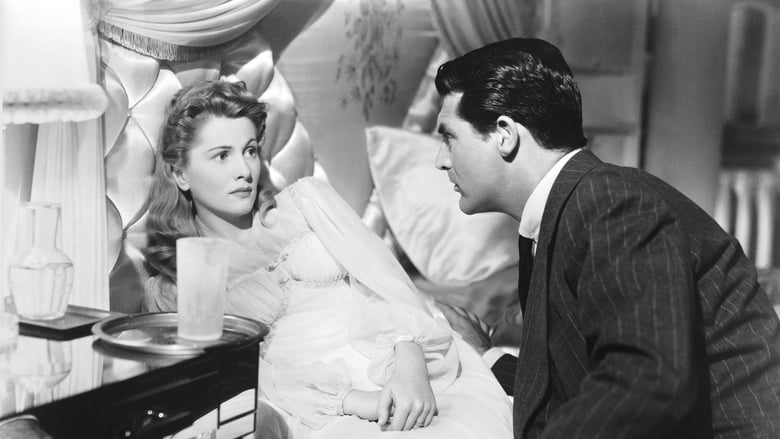
Suspicion
1941
-
It's a Wonderful Life
1946
-
Notorious
1946
-

Murder by Death
1976
-
Clue
1985
-
Dirty Rotten Scoundrels
1988
-
Crimes and Misdemeanors
1989
-
Matchstick Men
2003
-
Mr. Smith Goes to Washington
1939