Double Indemnity
"Murder is never a solo act."
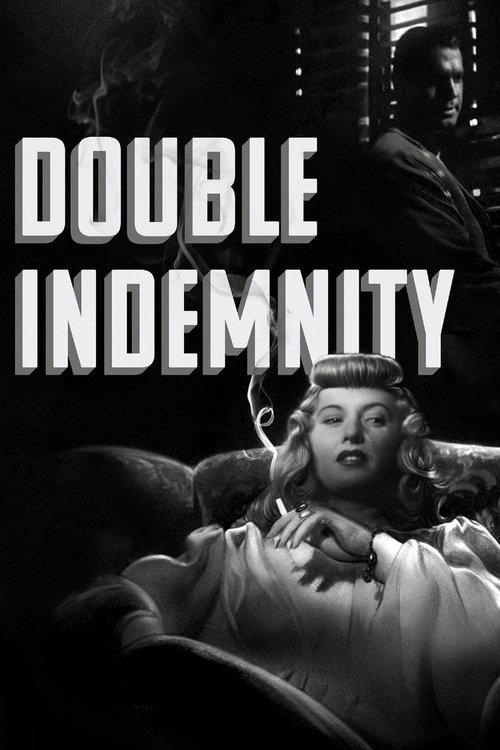
The air in 1944 was thick with the scent of cheap tobacco and wartime anxiety, but inside a darkened Paramount screening room, something even more suffocating was brewing. It wasn’t the war; it was the birth of the definitive Film Noir. Double Indemnity didn’t just follow the rules of the genre; it hammered them into a lead pipe and used them to bash the brains out of the "happily ever after" Hollywood template.
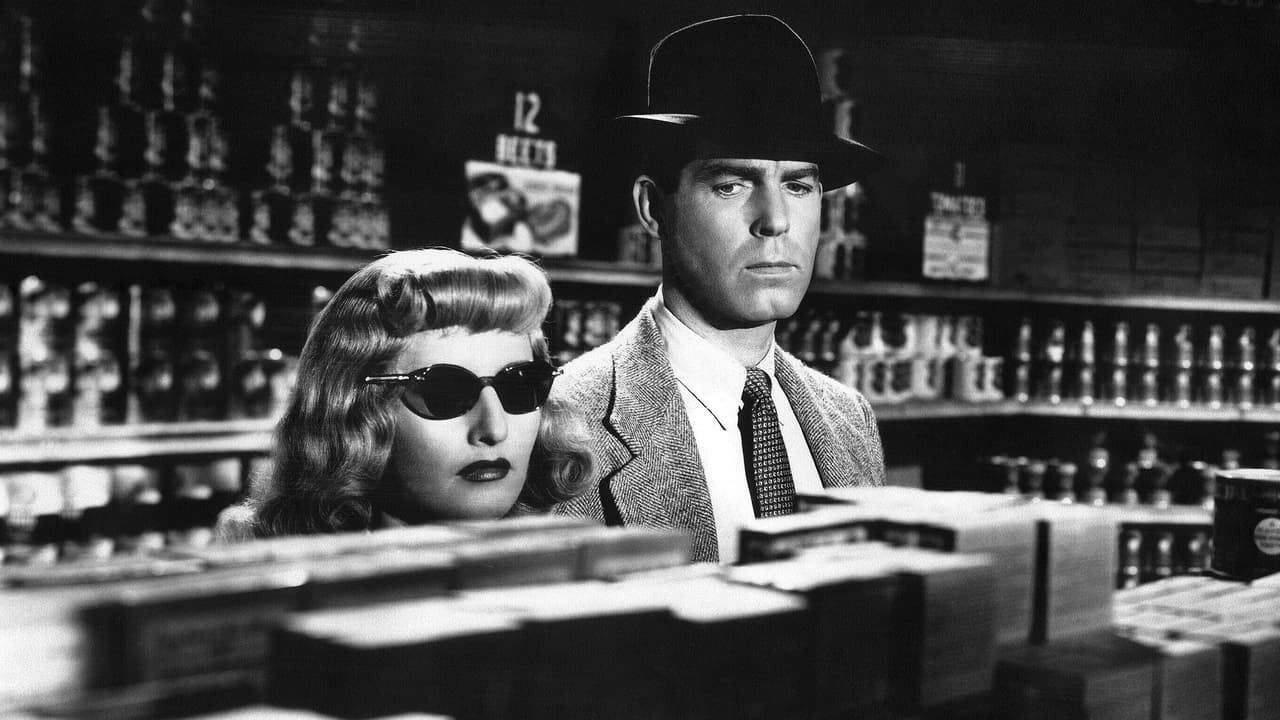
I watched this most recently on a Tuesday night while a lukewarm cup of coffee went stone cold on my desk, simply because I was too mesmerized by the rhythmic clacking of a typewriter and the slow-burn disintegration of a man’s soul to bother taking a sip.
The Art of Saying It Without Saying It
The first thing that hits you about Double Indemnity isn’t the violence—it’s the talk. Billy Wilder (fresh off Five Graves to Cairo) teamed up with hard-boiled novelist Raymond Chandler to write the script, and the result is a linguistic tennis match played with live grenades. They famously hated each other, but that friction birthed some of the sharpest dialogue in cinema history.
Because of the rigid Production Code of the era—which forbade showing explicit sex or "glamorizing" crime—Wilder and Chandler had to get creative. They turned the act of selling an insurance policy into a high-stakes seduction. When Walter Neff (Fred MacMurray) and Phyllis Dietrichson (Barbara Stanwyck) trade barbs about speed limits and "getting a ticket," they aren't talking about driving. It’s a masterclass in subversion; the censors couldn't flag the words, even if the intent was dripping with sweat.
A Love Story Wrapped in a Crime
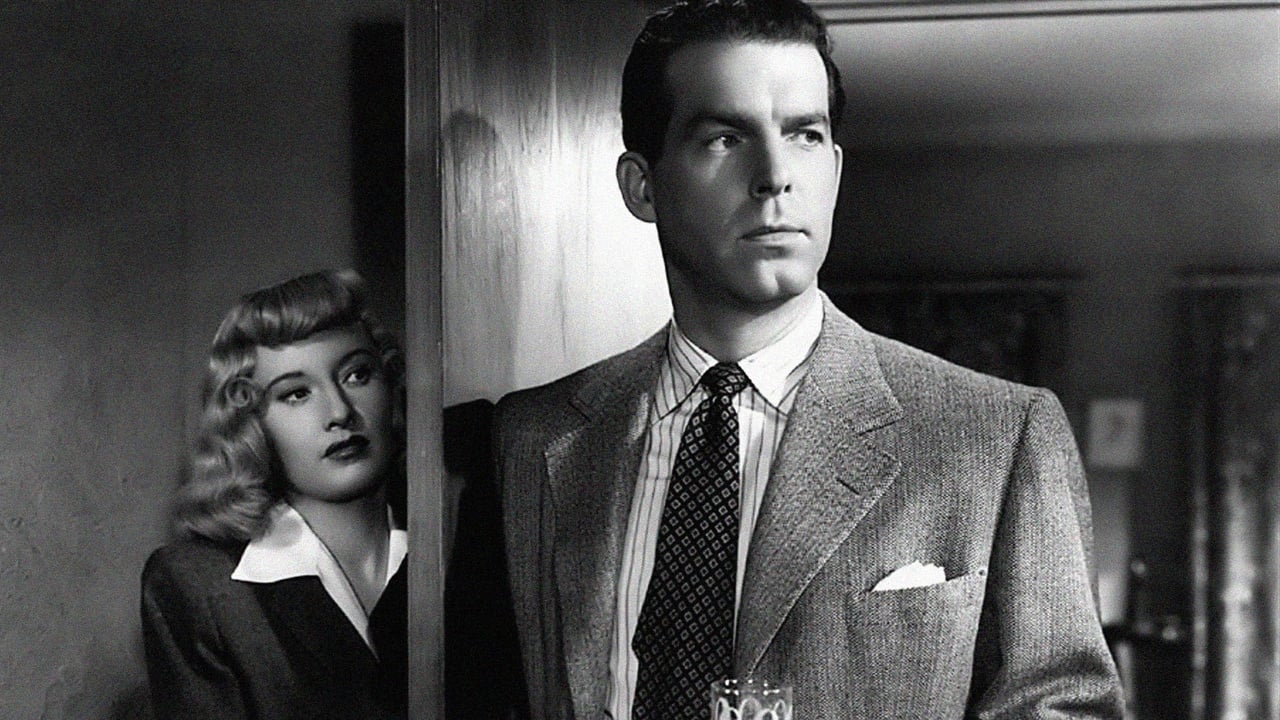
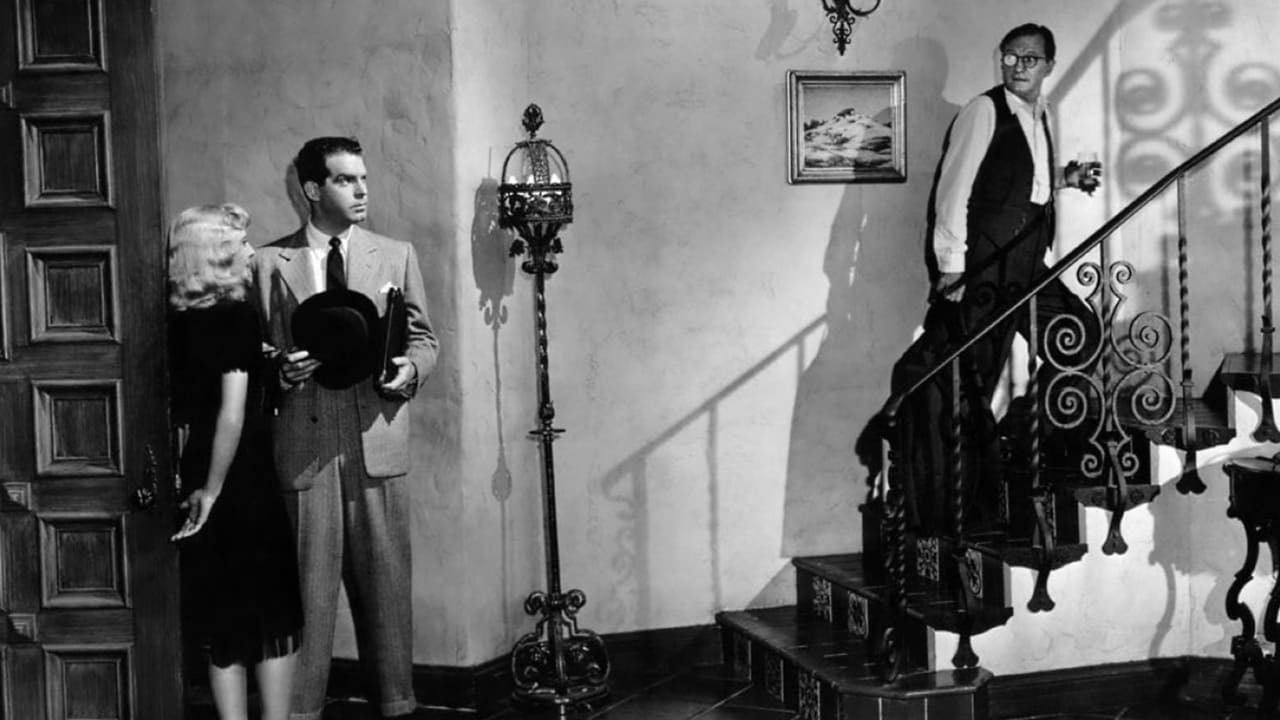
We usually think of Fred MacMurray as the quintessential "TV dad" from My Three Sons, but here he plays against type with a sinister, sweaty desperation. He’s a smart guy who thinks he’s the smartest guy in the room, right up until he meets his match. Barbara Stanwyck is the engine that drives the wreckage. Her blonde wig looks like it was stolen from a very depressed Golden Retriever, yet somehow, on her, it emphasizes the phoniness and the cold, calculated artifice of the character. She is the ultimate femme fatale—not because she’s a cartoon villain, but because she’s a dissatisfied housewife who views murder as a logical solution to a boring marriage.
However, the real emotional core of the film isn't the doomed romance between the killers. It’s the relationship between Walter and Barton Keyes, played by the legendary Edward G. Robinson (the star of Little Caesar). Keyes is the claims investigator who carries a "little man" in his stomach that tells him when a claim is phony. The chemistry between Fred MacMurray and Edward G. Robinson is the heart of the movie. Every time Neff lights Keyes’ cigar, it’s a gesture of genuine affection that makes the ultimate betrayal feel devastating. Neff’s Dictaphone confession isn't just a plot device; it’s a suicide note to the only person he actually loved.
The Shadows That Started It All
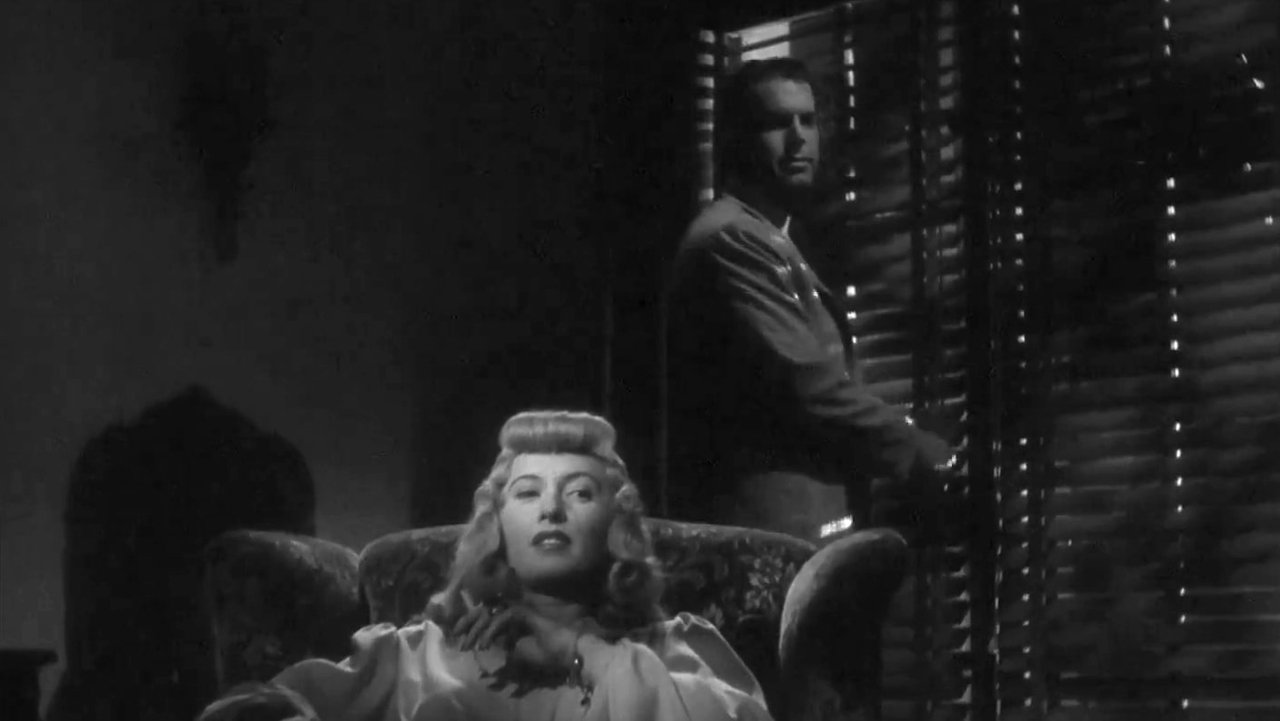
Visually, Double Indemnity is where the "Noir look" was perfected. Cinematographer John F. Seitz (who later shot Sunset Boulevard) used a technique of "slat lighting"—shining lights through venetian blinds to create those iconic zebra-stripe shadows that trap the characters like bars in a cage. They even mixed silver dust into the air on set to give the light a heavy, oppressive quality. It makes the Dietrichson house feel less like a home and more like a mausoleum.

The score by Miklós Rózsa adds to this dread. Instead of the sweeping, romantic melodies common in 40s dramas, Rózsa used dissonant, nervous strings that mirror Walter’s unraveling psyche. It’s uncomfortable, it’s intense, and it never lets you off the hook. This wasn't the polished, Technicolor glamour of MGM; this was Paramount at its grittiest, proving that the Golden Age had a very dark underbelly.
In an era where we are used to anti-heroes and gritty reboots, Double Indemnity still feels dangerous. It’s a film that looks you in the eye and tells you that everyone has a price and most people are willing to pay it in blood. There’s no moral safety net here, just a fast ride to the end of the line. If you haven't seen it, turn off the lights, ignore your coffee, and watch how the pros used to do it. It is, quite simply, the perfect crime.
Keep Exploring...
-
Strangers on a Train
1951
-
Witness for the Prosecution
1957
-

Some Like It Hot
1959
-
The Maltese Falcon
1941
-
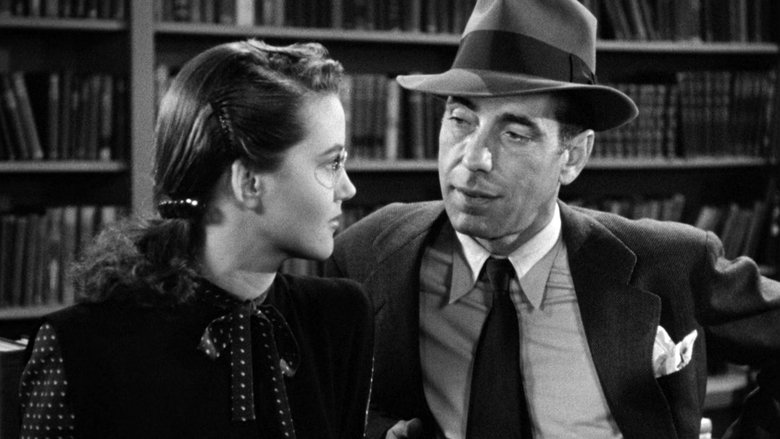
The Big Sleep
1946
-
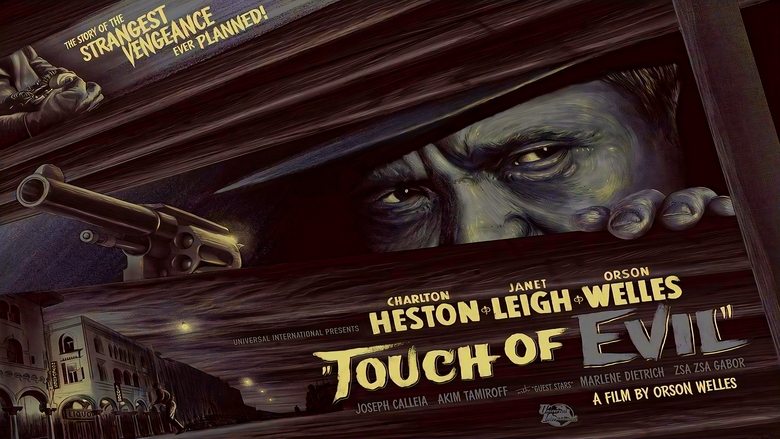
Touch of Evil
1958
-
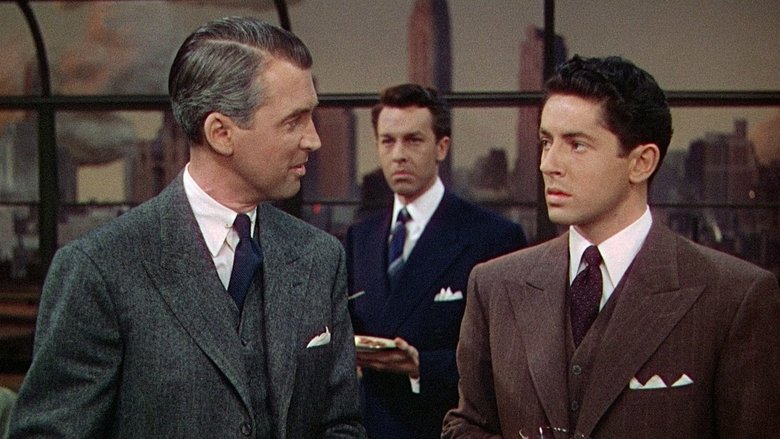
Rope
1948
-
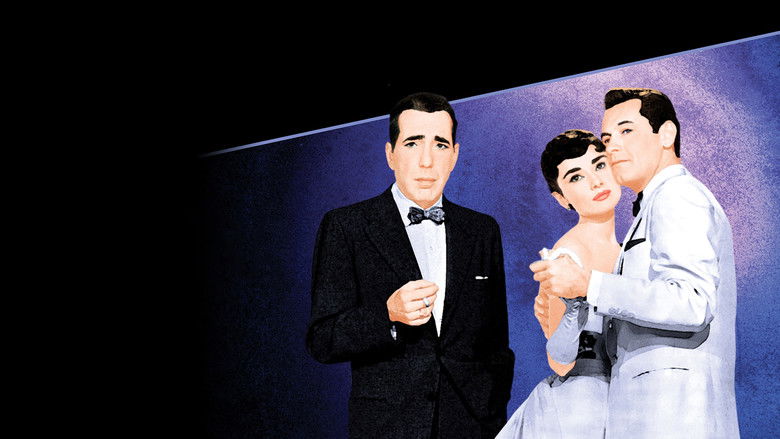
Sabrina
1954
-
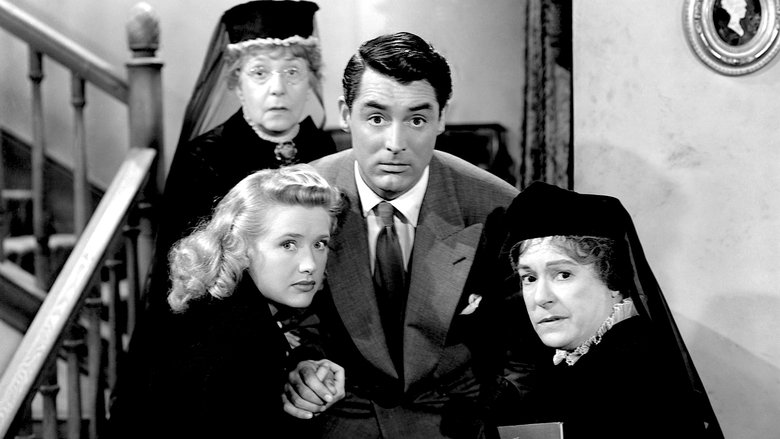
Arsenic and Old Lace
1944
-
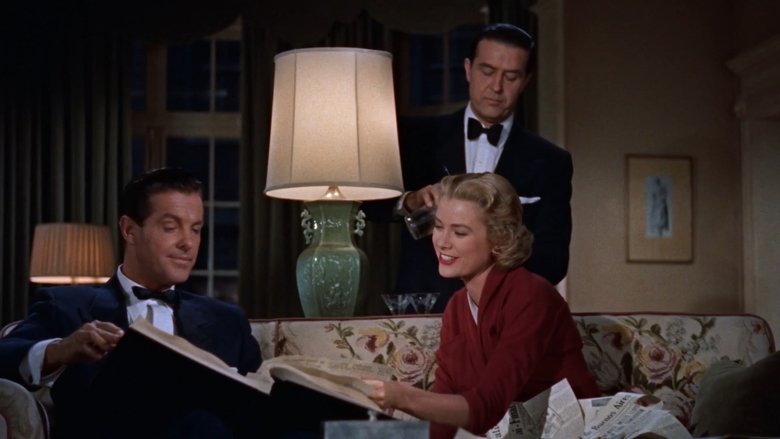
Dial M for Murder
1954
-
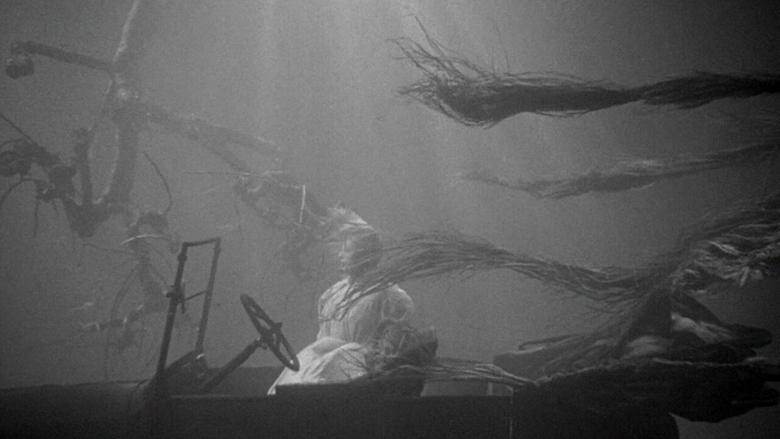
The Night of the Hunter
1955
-
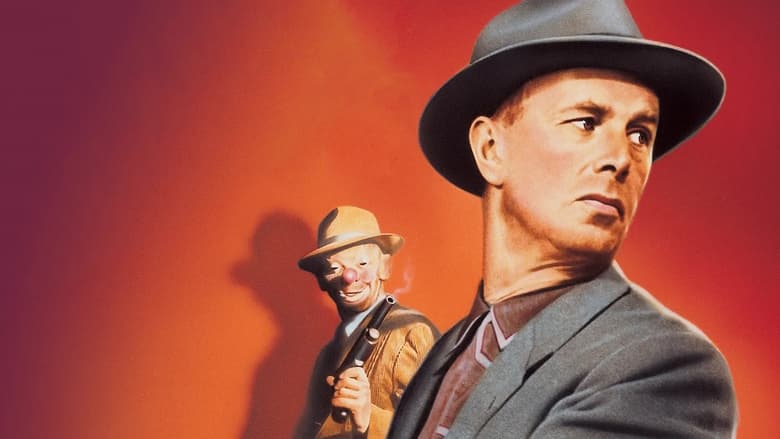
The Killing
1956
-
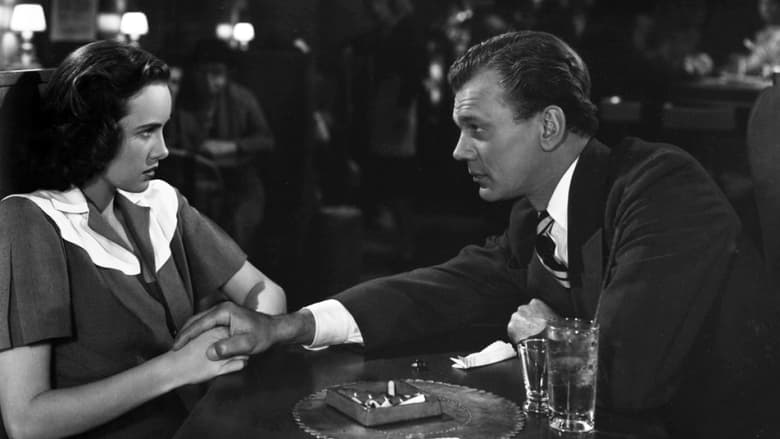
Shadow of a Doubt
1943
-
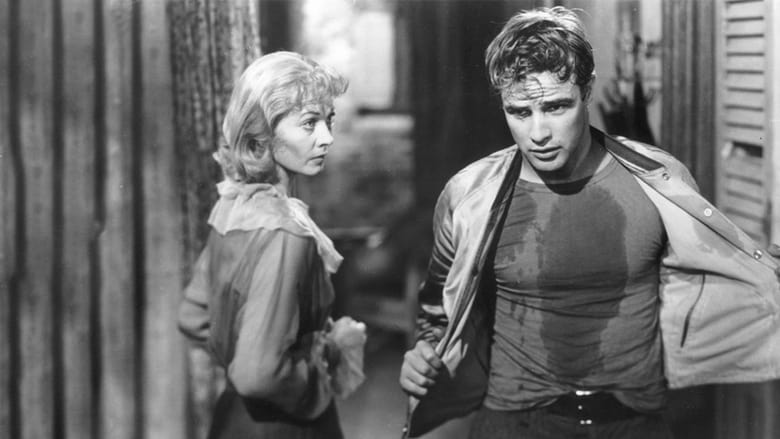
A Streetcar Named Desire
1951
-
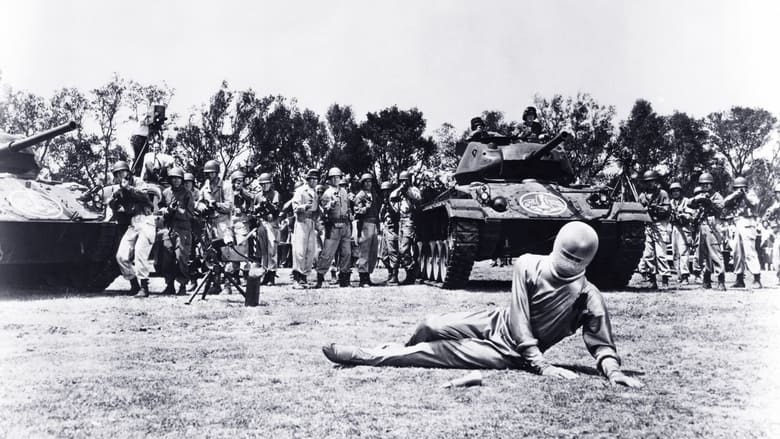
The Day the Earth Stood Still
1951
-
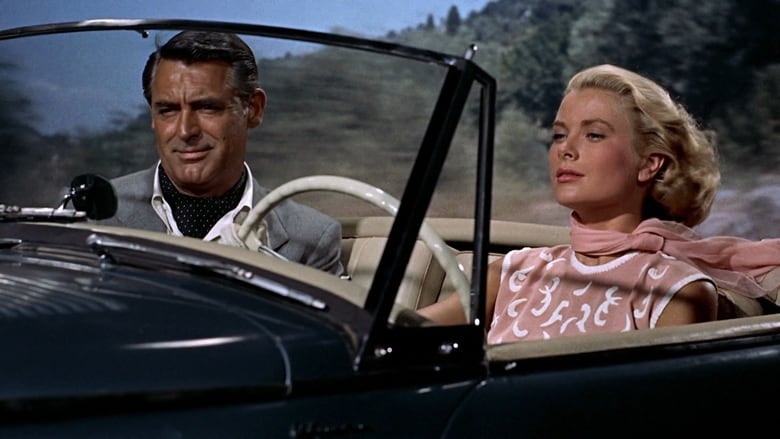
To Catch a Thief
1955
-
The Man Who Knew Too Much
1956
-
Sunset Boulevard
1950
-

Rebecca
1940
-
Suspicion
1941