Laura
"A face in a frame. A ghost in the room."
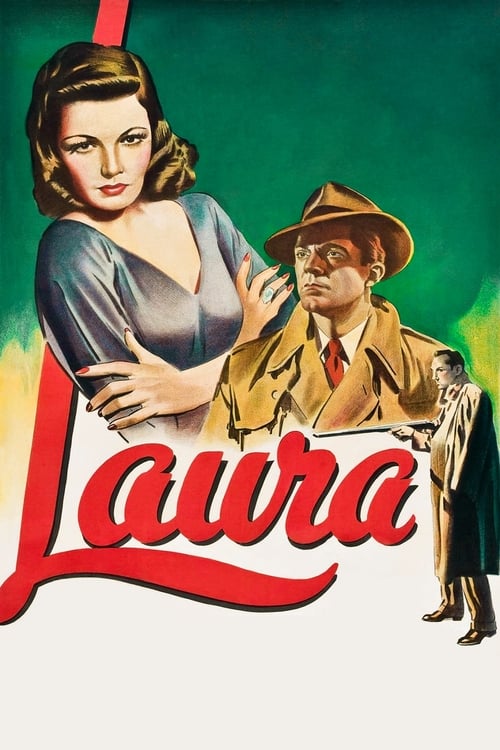
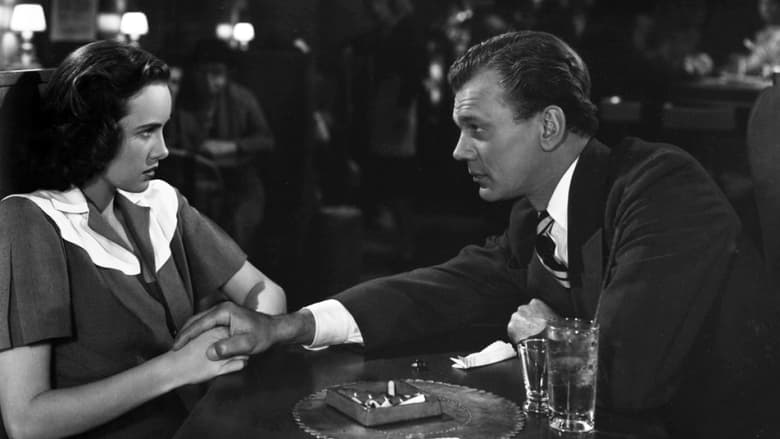
I watched Laura on a Tuesday afternoon while eating a slightly stale bagel, which felt oddly fitting for a movie about people who are beautiful on the outside but fundamentally crumbling within. There is a specific kind of magic that happens when a movie transcends its genre—when a "whodunit" stops being about the clues and starts being about the cracks in the human psyche. Laura isn't just a film noir; it’s a fever dream about obsession, narrated by a man who loves his own voice more than the woman he’s mourning.
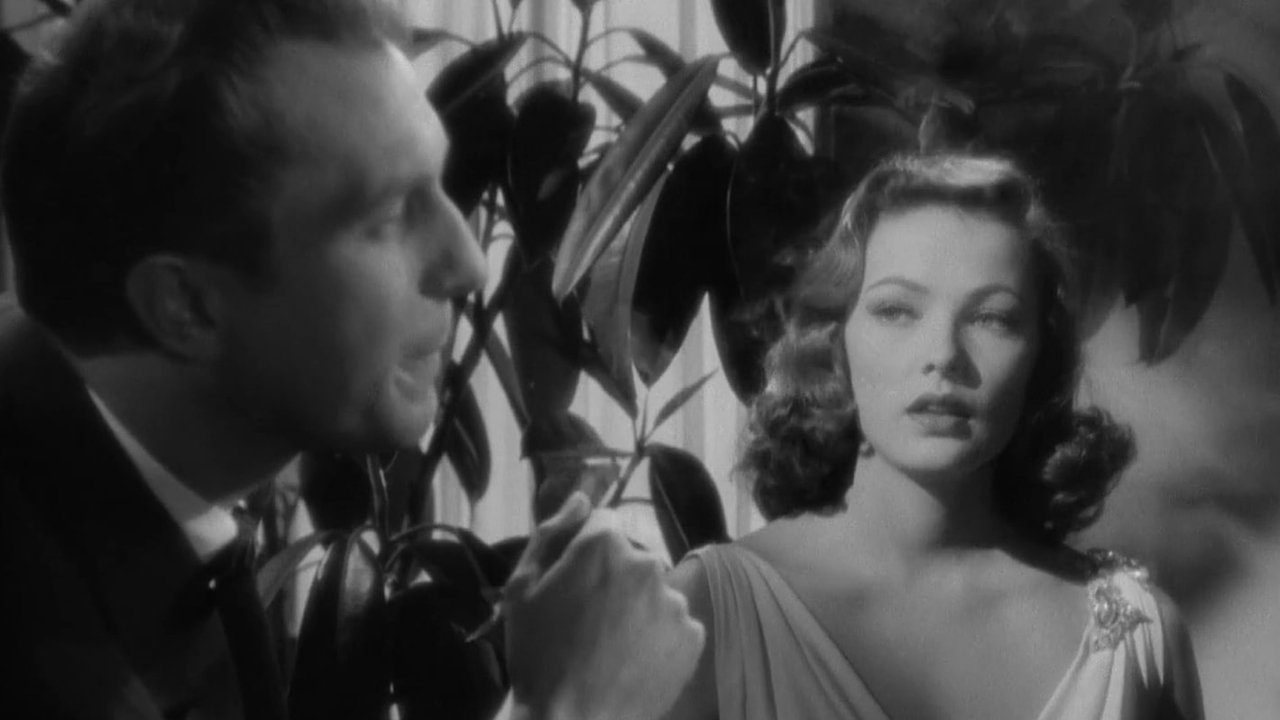
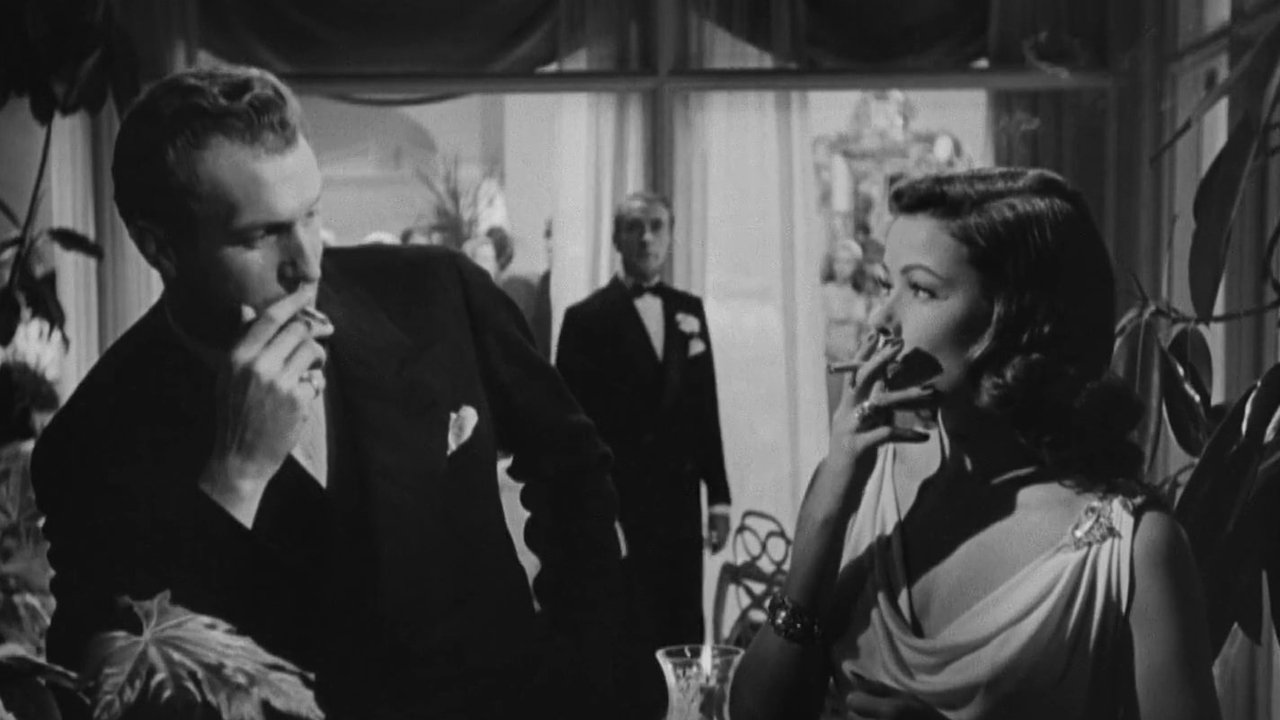
From the moment the camera glides through Waldo Lydecker’s lavish apartment, we aren't just in 1940s New York; we’re in a curated museum of ego. Otto Preminger, stepping in to direct after Rouben Mamoulian was fired, brought a clinical, fluid elegance to the production that feels remarkably modern. He doesn't just show us a murder investigation; he shows us how men attempt to "own" a woman by turning her into an object—specifically, a portrait hanging over a mantelpiece.
The Detective Who Fell for a Ghost
The premise is pure pulp: a high-society advertising executive named Laura Hunt is found blasted in the face by a shotgun in her doorway. Enter Det. Lt. Mark McPherson, played by Dana Andrews. Andrews was the quintessential Fox leading man of the era—sturdy, reliable, and possessing the emotional range of a very handsome cinder block. But here, that blankness is a stroke of genius.
McPherson is a "man’s man" who constantly fiddles with a handheld pocket puzzle, a brilliant character beat that signals his need to solve things he can’t control. As he goes through Laura’s letters and samples her expensive Scotch, he doesn't just investigate her life; he moves into it. He falls in love with a dead woman, which is a level of "down bad" that even modern Twitter would find impressive. The film toys with the idea of necrophilia in a way that surely made the Hays Code censors sweat, though they couldn't quite put their finger on what to cut because the perversion is entirely in the subtext.
The Intellectual Arrogance of Waldo Lydecker
If Dana Andrews is the anchor, Clifton Webb is the lightning. As Waldo Lydecker, the acid-tongued columnist who "discovered" Laura, Webb delivers one of the most delicious performances in the history of the Golden Age. He’s introduced sitting in a bathtub, typing a column on a bridge that spans the tub, looking like a vulture in a bubble bath.
Waldo is the film’s philosophical heart—a man who believes that beauty is something to be cultivated and possessed. His dialogue is a masterclass in sophisticated venom. He treats everyone else like a dull-witted child, especially Vincent Price’s Shelby Carpenter. Seeing a young, pre-horror-icon Vincent Price playing a "kept man" and a spineless socialite is a trip. He’s tall, beautiful, and utterly useless, providing a perfect foil to Waldo’s sharp-edged intellect.
There’s a fascinating bit of behind-the-scenes friction here: Webb was a veteran stage actor and openly gay at a time when Hollywood required deep closets. Preminger had to fight studio head Darryl F. Zanuck to cast him, as Zanuck thought Webb was too "effeminate" for the screen. Preminger won, and in doing so, he gave us a character whose "bachelor" status is coded in a way that feels incredibly modern and poignant. Waldo isn't just a villain; he’s a man whose tragedy is that he can only love things he can dominate.
Identity and the Painted Lady
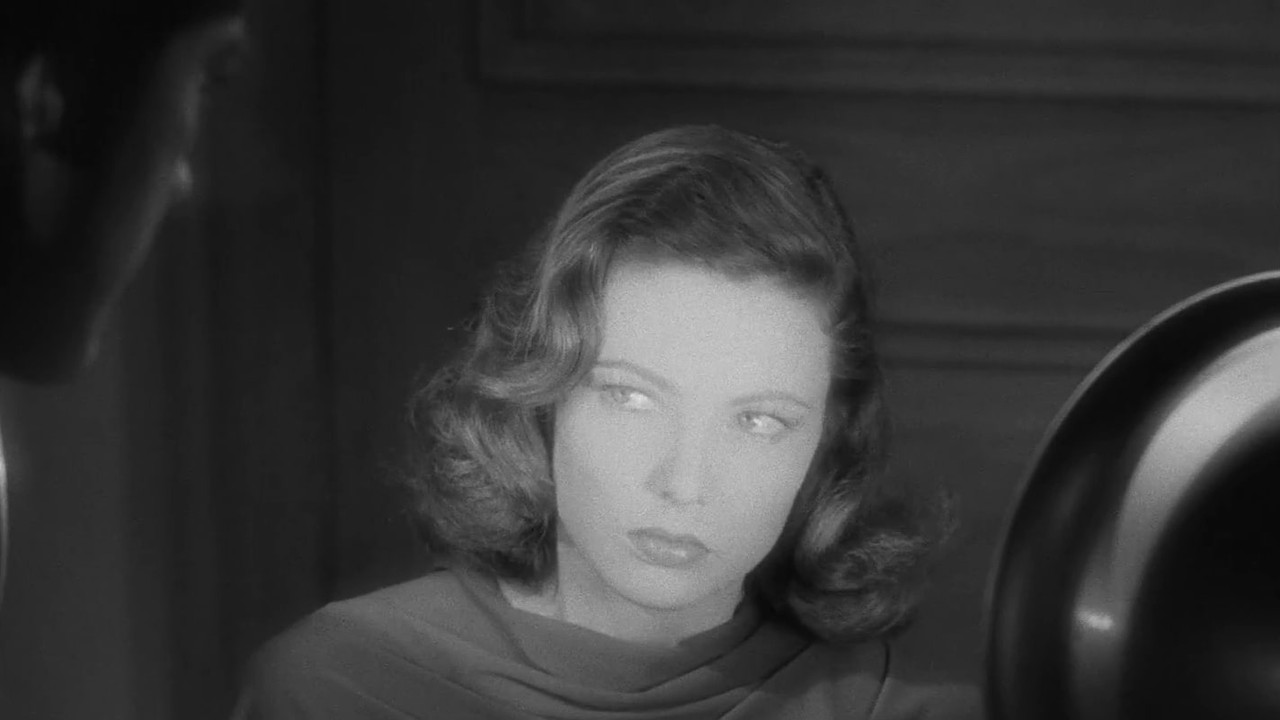
Then there is Gene Tierney. When she finally appears—and I won't spoil the "how" for the uninitiated—it’s clear why the camera worships her. But the film asks a deeper question: Who is the real Laura? Is she the sophisticated titan of industry Waldo claims to have built? Is she the romantic soul Shelby claims to have won? Or is she just a woman trying to survive a circle of predatory men?
The film’s score, composed by David Raksin, is the secret weapon that ties these existential questions together. The "Laura" theme is one of the most famous in cinema, but it almost didn't exist. Raksin reportedly wrote it over a weekend after receiving a "Dear John" letter from his wife. That sense of longing and loss permeates every frame. The music follows the characters like a ghost, reminding us that they are all haunted by a version of Laura that probably never existed.
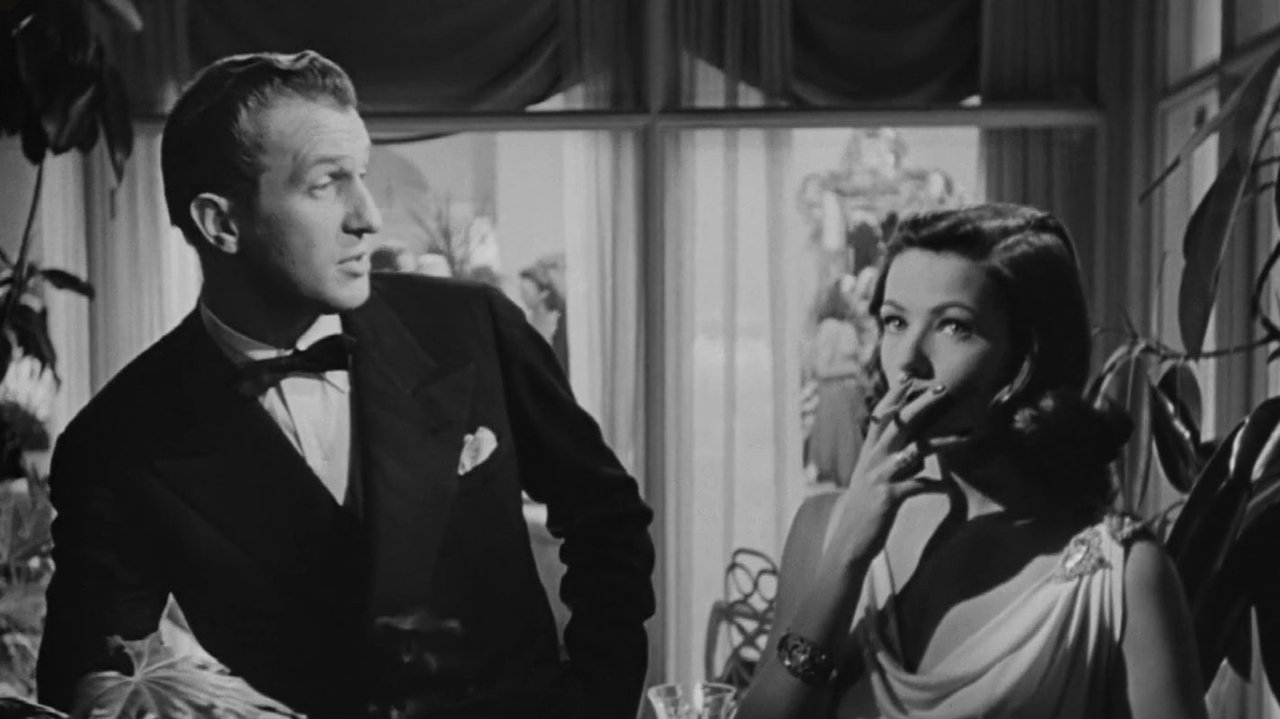
The cinematography by Joseph LaShelle (who won an Oscar for it) uses light and shadow not just for mood, but to delineate class and power. The way the light hits that portrait—making it look alive while the living characters look like statues—is a haunting visual metaphor for the entire era’s obsession with the "ideal" woman.
Laura is a miracle of the studio system. It’s a movie that survived a change of directors, a skeptical studio head, and a cast of actors who weren't sure if they were making a thriller or a romance. What we ended up with is a 88-minute meditation on the male gaze before that term even existed. It manages to be both a gripping mystery and a sophisticated critique of how we project our desires onto others.
If you’ve ever found yourself scrolling through someone’s social media profile and feeling like you know them, only to realize you’ve fallen in love with a digital ghost, Laura is the 1944 version of that specific modern ache. It’s sharp, it’s cynical, and it’s undeniably beautiful. Just try to find a better version of it than I did—one without the stale bagel.

Keep Exploring...
-
Anatomy of a Murder
1959
-
Citizen Kane
1941
-
The Grapes of Wrath
1940
-
The Treasure of the Sierra Madre
1948
-

All About Eve
1950
-
Sabrina
1954
-
Rebel Without a Cause
1955
-
Casablanca
1943
-
It's a Wonderful Life
1946
-
The Maltese Falcon
1941
-
The Big Sleep
1946
-

Bicycle Thieves
1948
-

Ikiru
1952
-
Tokyo Story
1953
-
La Strada
1954
-

Throne of Blood
1957
-
Wild Strawberries
1957
-
Witness for the Prosecution
1957
-
Hiroshima Mon Amour
1959
-
Shadow of a Doubt
1943