Rome, Open City
"The war ended, but the shadows remained."
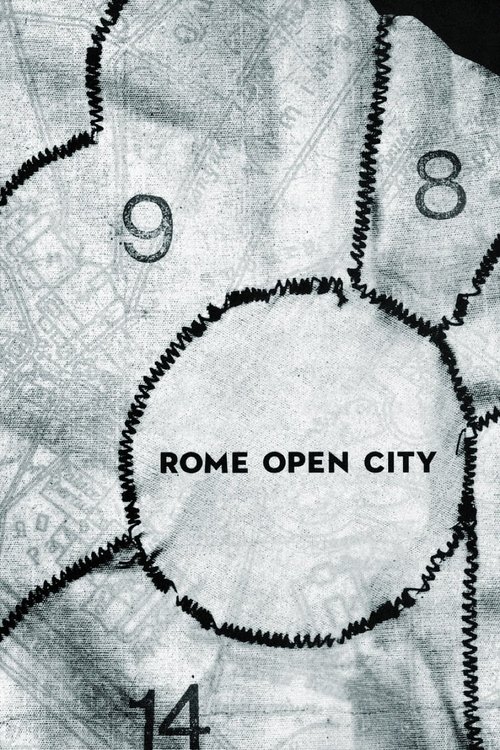
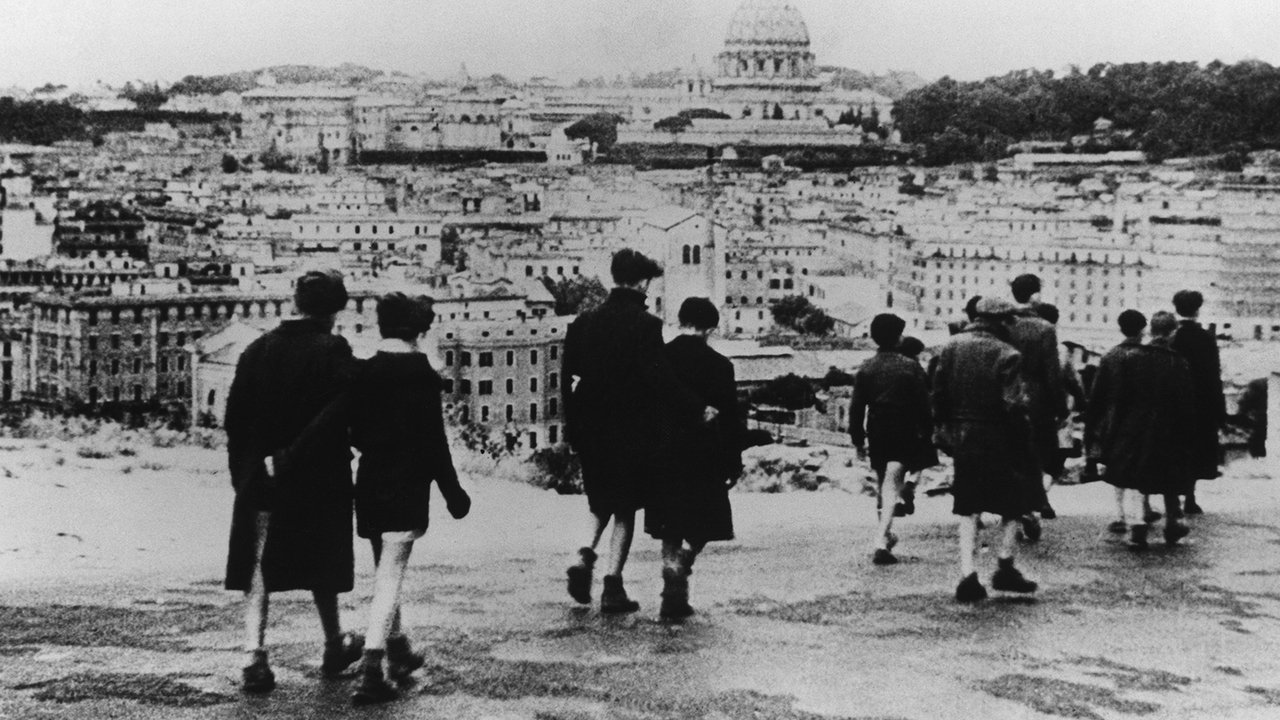
While I sat down to watch Rome, Open City, my radiator started a rhythmic, metallic clanking that sounded suspiciously like a gestapo officer’s boot on a cobblestone street. It was a distracting, mundane annoyance, but it somehow anchored me to the grounded, unpolished reality of Roberto Rossellini’s 1945 masterpiece. Most movies from the mid-forties—the era of MGM’s glossy Technicolor musicals and Warner Bros.’ sharply lit noirs—feel like they exist in a vacuum of studio perfection. This film feels like it was pulled, kicking and screaming, directly out of the rubble of a city that hadn't even finished burying its dead.
Cinema Born in the Ruins
There is a mythic quality to how Rome, Open City came to be, the kind of "indie" hustle that would make a modern Sundance filmmaker weep. Rossellini didn’t have the luxury of a soundstage or a bottomless supply of pristine 35mm stock. Instead, he scoured the city for discarded bits of film—short ends from newsreels and scraps from street photographers—splicing them together to create a visual texture that is famously uneven. This movie doesn’t just depict history; it looks like a physical artifact of it.
The budget was a laughable $20,000, roughly what a major Hollywood studio might have spent on a single actress’s hat collection in 1945. Because of this, Rossellini took his camera into the actual streets of Rome just months after the Nazis had retreated. When you see the crumbling facades and the exhausted eyes of the extras, you aren't seeing a set decorator's "distressed" vision; you’re seeing the literal scars of World War II. It’s the definitive "Indie Gem" because it proves that a lack of resources can actually be a creative superpower.
Magnani’s Raw Electricity
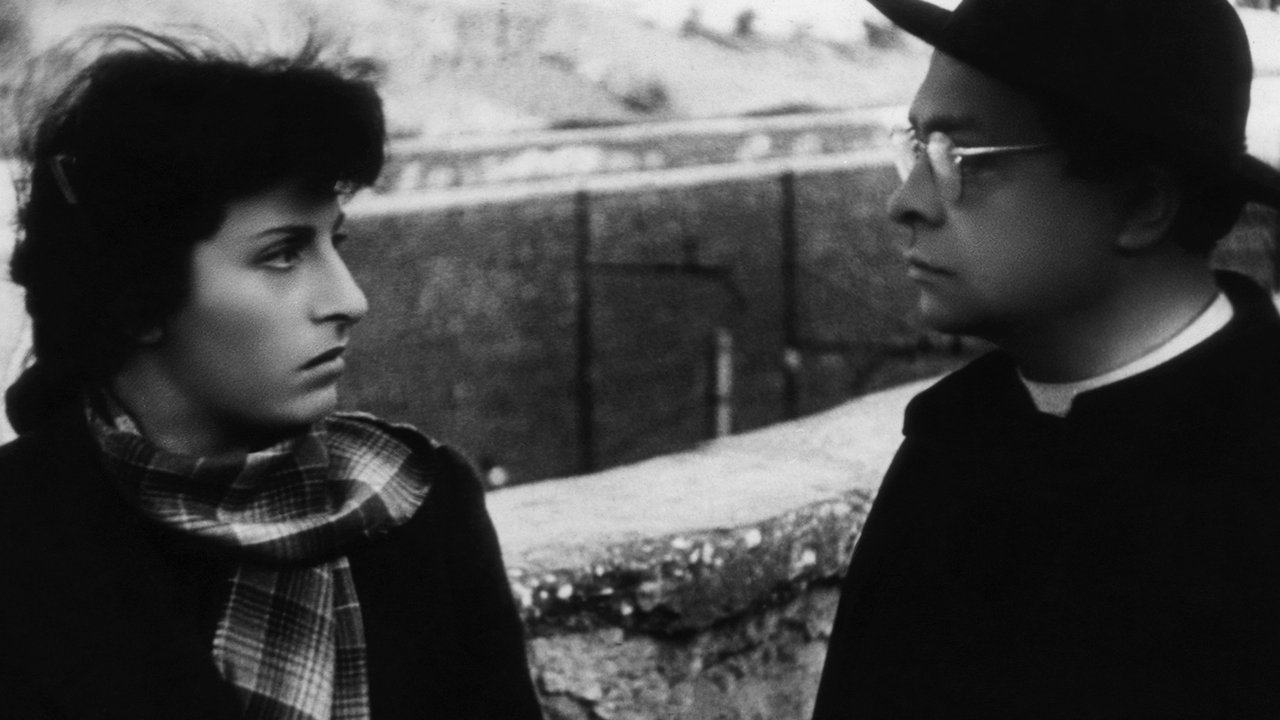
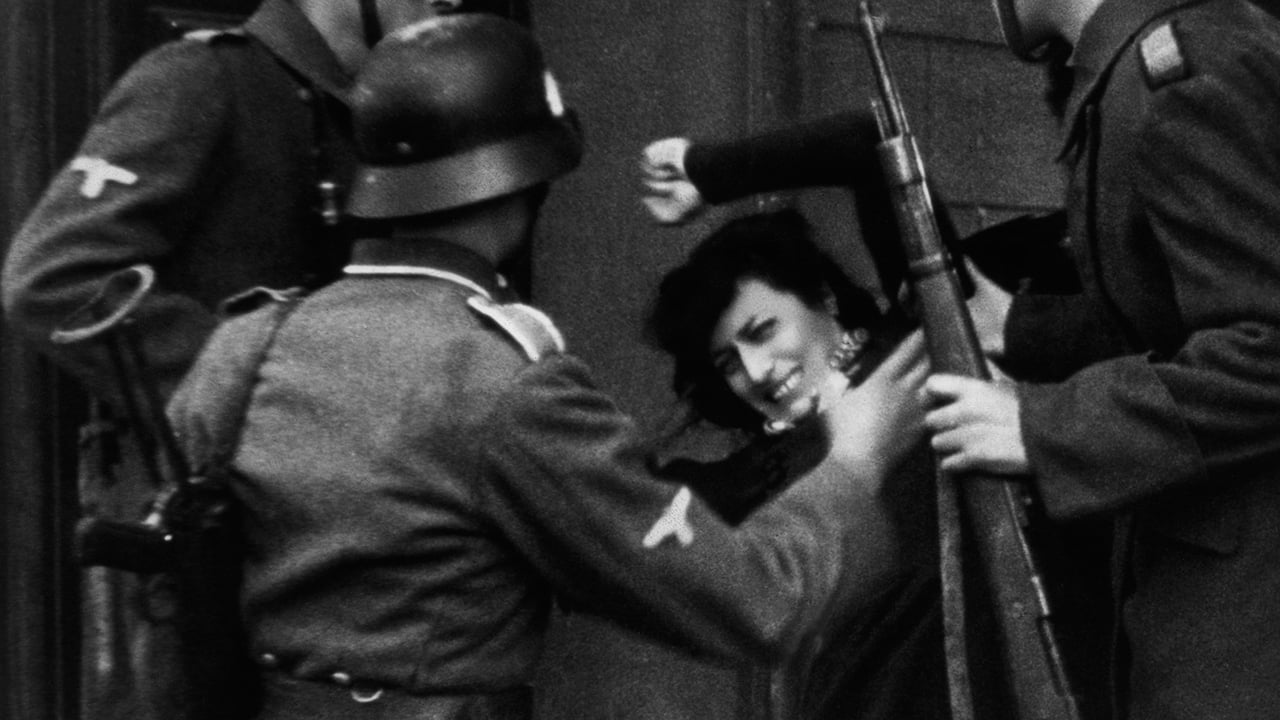
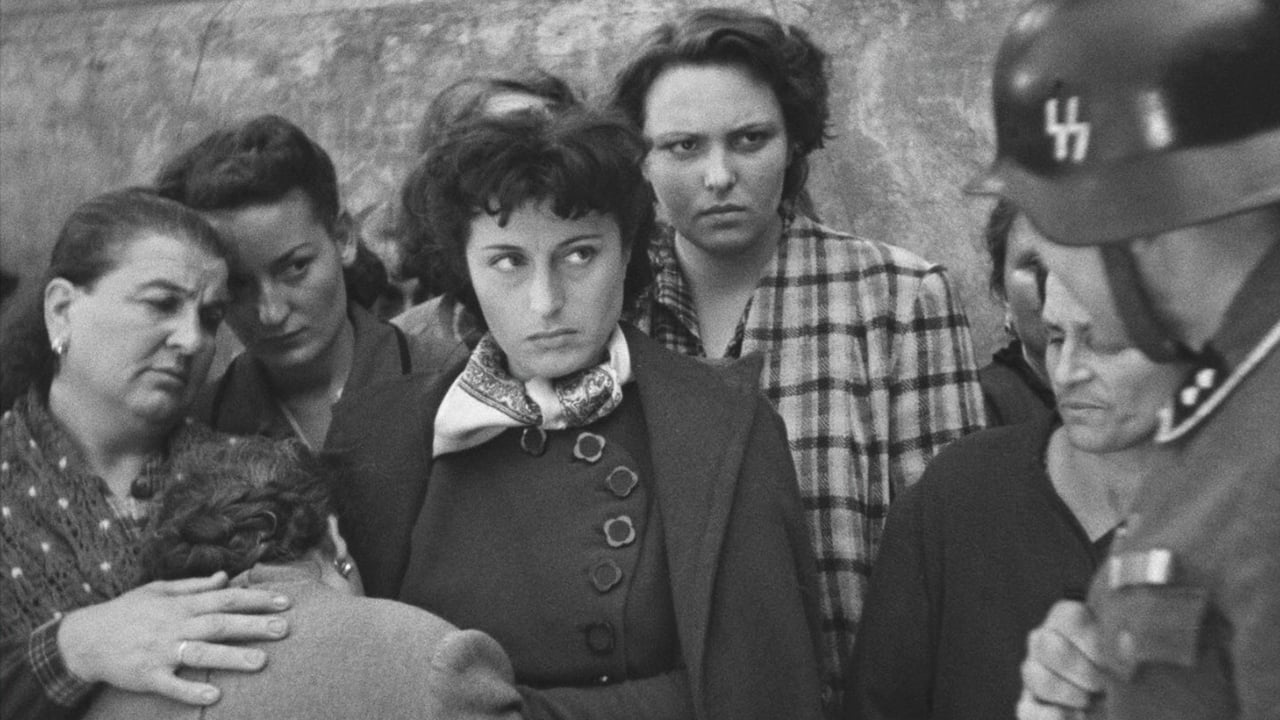
At the center of this storm is Anna Magnani as Pina. If you’re used to the curated, manicured beauty of Hollywood’s Golden Age starlets, Anna Magnani will hit you like a bucket of ice water. She is loud, messy, fiercely pregnant, and utterly human. She doesn't "act" for the camera; she exists in front of it. There is a specific scene—I won't ruin the context if you're a first-timer—where she runs after a truck. It’s perhaps the most famous sequence in Italian cinema, and for good reason. It’s a moment of pure, unadulterated desperation that makes every modern action-movie death look like a polite suggestion.
Then there’s Aldo Fabrizi as Don Pietro, the priest helping the Resistance. Aldo Fabrizi was primarily a comic actor before this, and he brings a weary, gentle patience to a role that could have easily slid into saintly cliché. His chemistry with the Resistance leader, Giorgio Manfredi (played by Marcello Pagliero), provides the film’s moral backbone. They represent the two halves of the Italian soul during the occupation: the spiritual and the political, united by a common enemy.
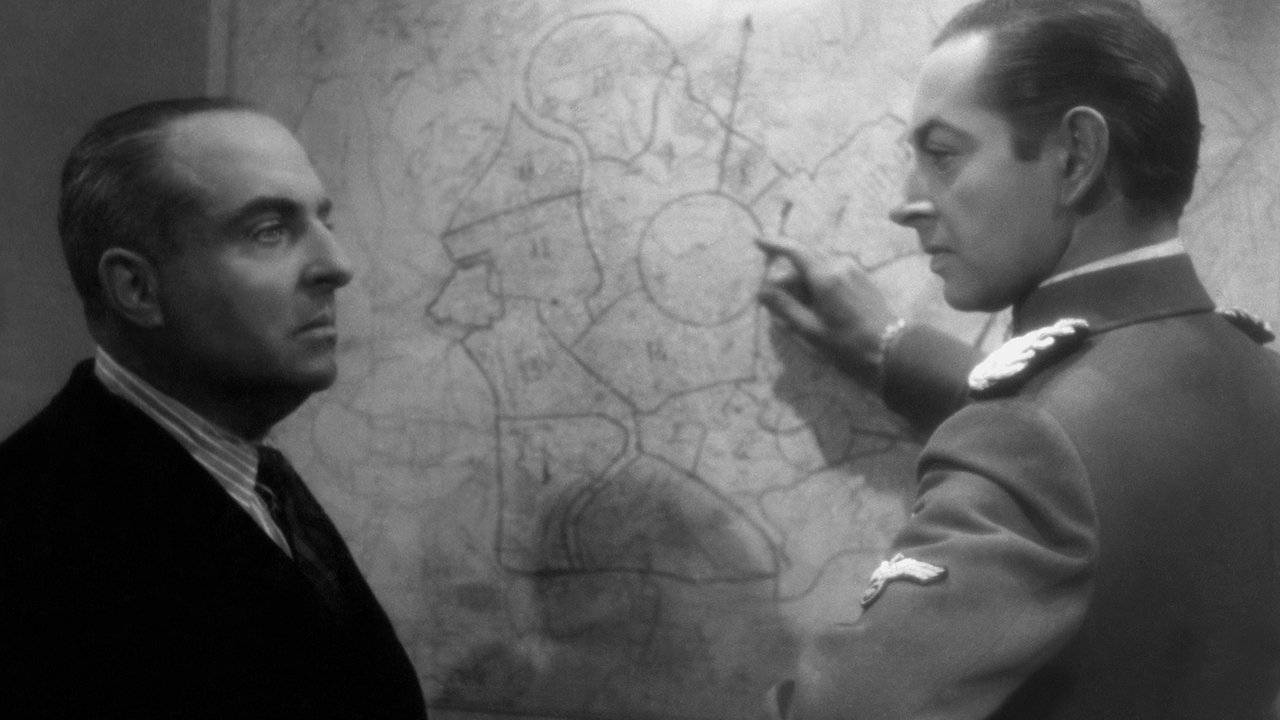
On the flip side, we have Harry Feist as Major Bergmann. He’s the quintessential chilling Nazi antagonist, but Rossellini adds a layer of decadent, almost predatory rot to the character that feels surprisingly bold for 1945. The way Bergmann manipulates the tragic Marina (Maria Michi) is agonizing to watch. It’s a reminder that the war wasn’t just fought with tanks, but with drugs, furs, and the exploitation of human weakness.
The Weight of the Shadows
The tone here is heavy, and I won't pretend otherwise. This is a "Dark/Intense" treatment of history that refuses to offer the easy, triumphant catharsis of a standard war flick. The final act, involving a prolonged interrogation sequence, is genuinely difficult to stomach. Rossellini captures the clinical, cold cruelty of the Gestapo with a stillness that is far more terrifying than any bomb blast. It’s a war movie that focuses on the agony of silence rather than the roar of battle.
What strikes me most, decades later, is how the film handles its villains and its heroes with a complicated brush. It’s not just "Good vs. Evil"—it’s a study in how ordinary people survive under extraordinary pressure. The screenplay, co-written by a young Federico Fellini (who would go on to give us La Dolce Vita and 8 ½), balances these moments of high-stakes tension with quiet, almost domestic observations. We see children playing at being rebels, and we see the mundane exhaustion of trying to find a loaf of bread.
Rome, Open City is the reason we have the "gritty" movies we love today. It broke the rules of the studio system because the studio system didn't exist in the ruins of Rome. It’s a film that demands your attention and earns your heartbreak. If you can handle the emotional weight, it’s a foundational piece of cinema that feels as urgent today as it did when the film stock was still damp.
It’s rare to find a movie that feels like it’s breathing, but this one does—even if that breath is a ragged, terrified gasp. Rossellini didn't just make a movie; he captured the soul of a city trying to find its way back to the light. It’s a somber experience, but a vital one that reminds me why I fell in love with movies that have something real to say. If you've never seen it, turn off your phone, embrace the shadows, and prepare to be moved in a way that modern blockbusters rarely attempt.
Keep Exploring...
-
The Bridge on the River Kwai
1957
-
The Great Dictator
1940
-
Rope
1948
-

Rashomon
1950
-
Paths of Glory
1957
-

On the Waterfront
1954
-
The Night of the Hunter
1955
-
Witness for the Prosecution
1957
-
Anatomy of a Murder
1959
-

Bicycle Thieves
1948
-
The Great Escape
1963
-

Waltz with Bashir
2008
-

Son of Saul
2015
-

Rebecca
1940
-
Suspicion
1941
-
Spellbound
1945
-
Notorious
1946
-
A Streetcar Named Desire
1951
-
The Day the Earth Stood Still
1951
-
Touch of Evil
1958