Spellbound
"Your mind is a locked room, and the key is a razor’s edge."
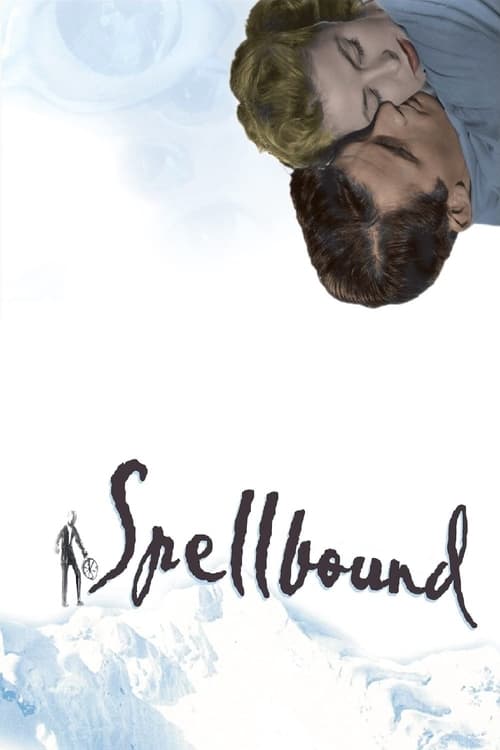
In 1945, Hollywood decided that the most intoxicating thing a person could do was have a nervous breakdown while being analyzed by Ingrid Bergman. Alfred Hitchcock was always a master of tapping into the collective anxiety of the moment, and Spellbound caught the post-war world right as it was collectively laying down on the psychoanalyst’s couch. It treats the human mind like a haunted house, where the ghosts aren’t spirits but repressed memories of skiing accidents and inkblots. I watched this on a Tuesday night while trying to ignore the fact that I’d forgotten to buy laundry detergent, and somehow the clinical, snowy coldness of the Vermont setting made my own domestic failures feel appropriately stark.
The Science of the Soul
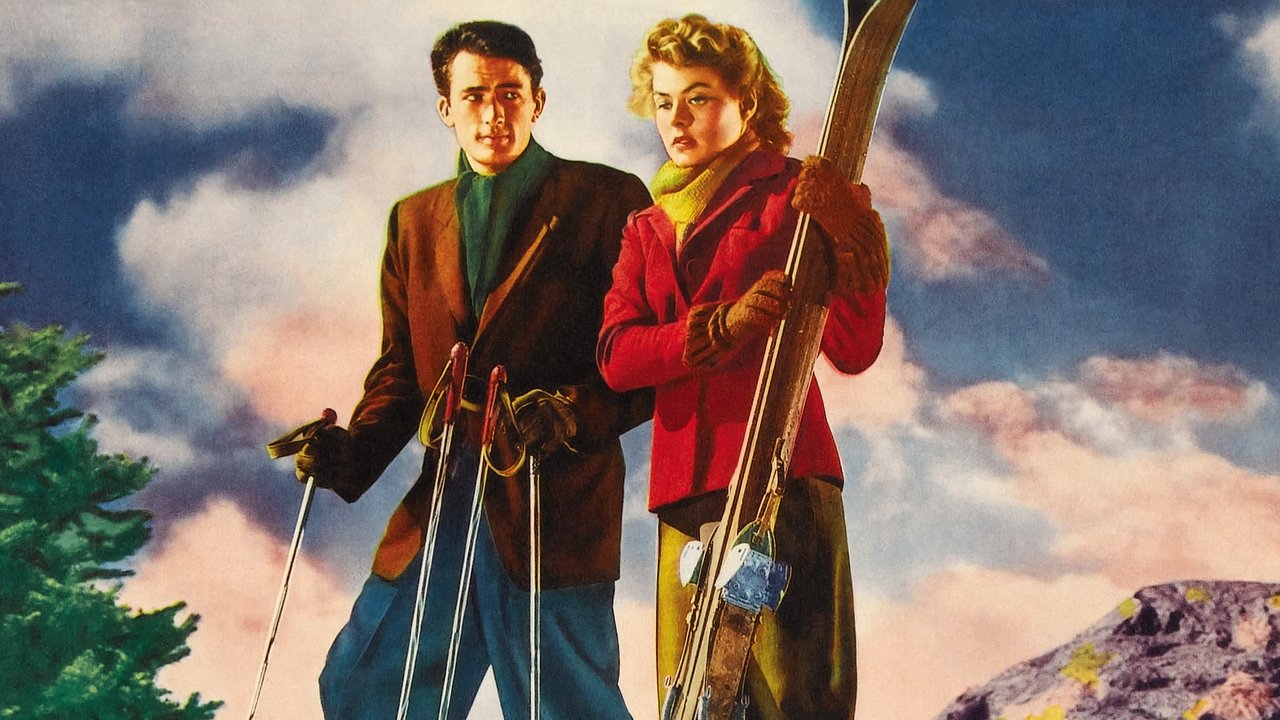
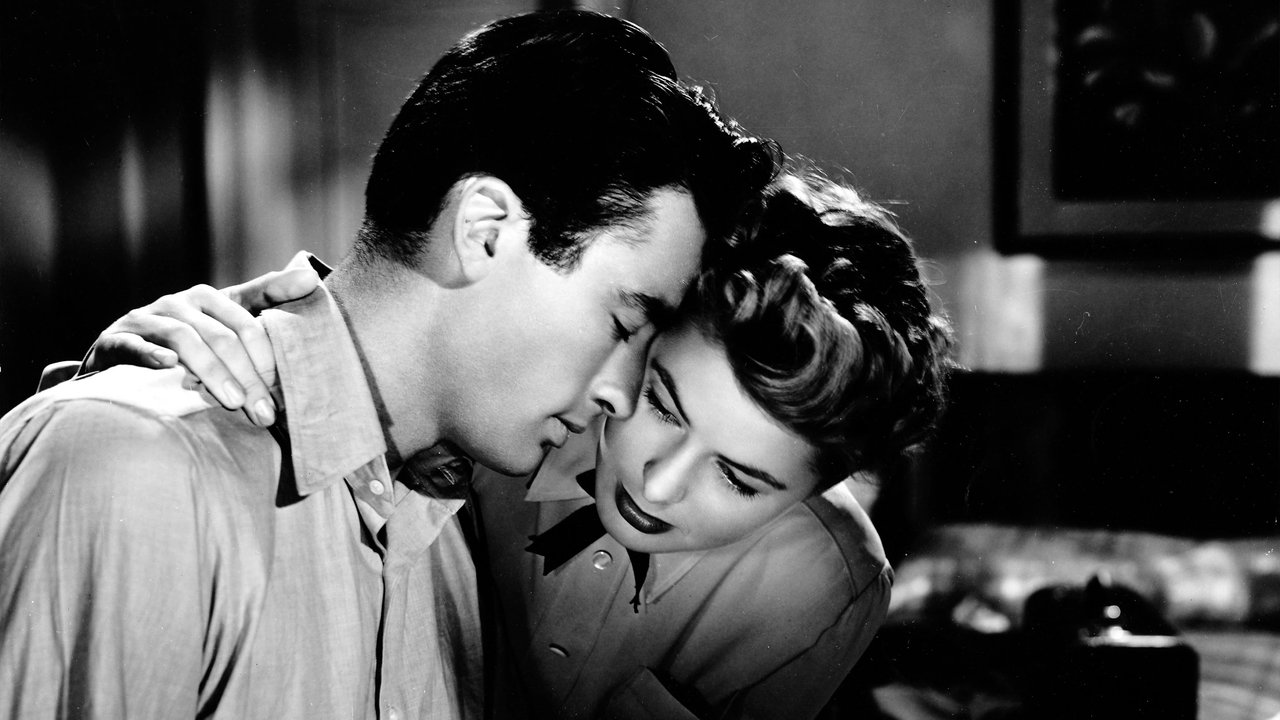
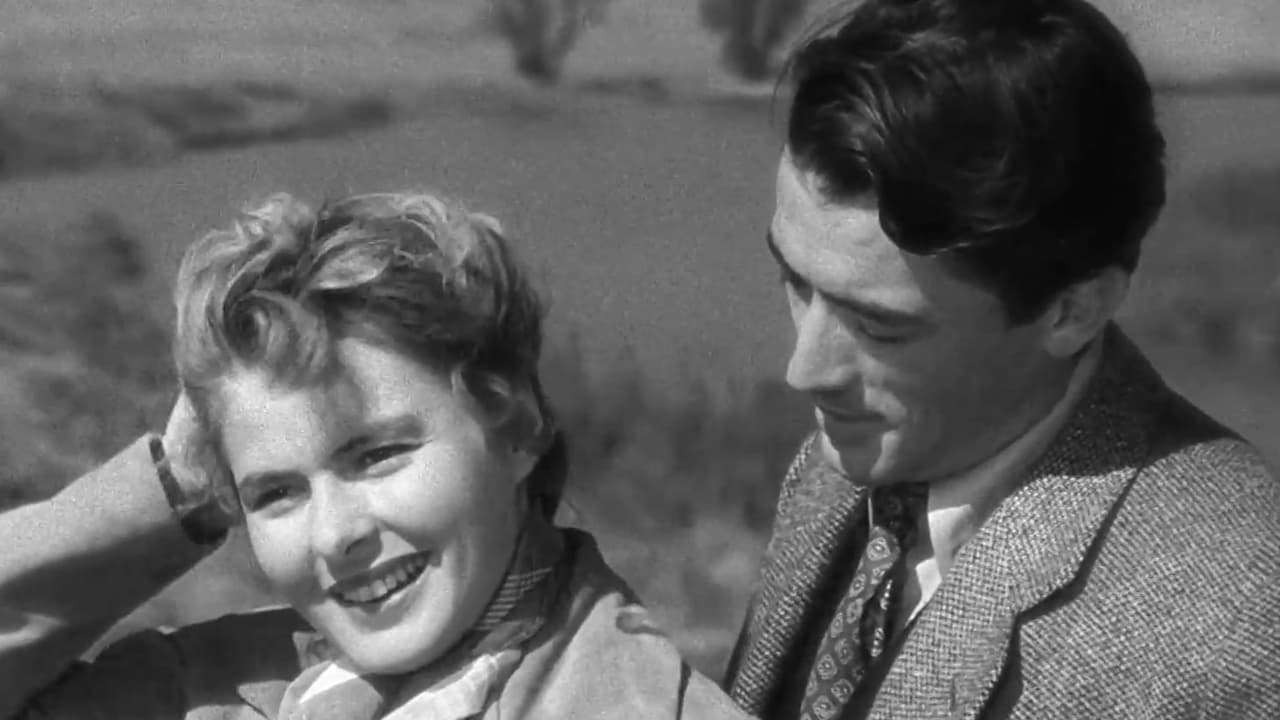
The film kicks off at Green Manors, a psychiatric institute where the doctors are almost as tightly wound as the patients. Ingrid Bergman plays Dr. Constance Petersen, a woman described by her male colleagues as "bloodless"—which, in 1940s cinema-speak, just means she’s a professional woman who hasn’t met Gregory Peck yet. When Peck arrives as the new head of the hospital, Dr. Anthony Edwardes, the chemistry is instant and unsettling.
But there’s a hitch: this new doctor is an impostor with a severe phobia of parallel lines on white backgrounds. Peck is haunting here; he plays the amnesiac "JB" with a twitchy, wide-eyed fragility that makes you wonder if he’s going to kiss Bergman or murder her with a letter opener. This was a peak era for the "Star Image," and seeing Gregory Peck, usually the pillar of moral rectitude, crumbling into a puddle of neuroses was a genuine shock to the system for audiences accustomed to his sturdiness. It’s a drama that hinges entirely on the idea that psychoanalysis is just a fancy word for 'guilt-tripping the subconscious' until it confesses.
Surrealism on a Studio Budget
While the plot leans heavily on the "whodunnit" of a missing doctor and a potential murder, the real reason we’re all here is the dream sequence. Producer David O. Selznick wanted something more sophisticated than the usual "blurry lens" dream tropes, so he reached out to the master of the melting clock himself: Salvador Dalí.
The result is a jagged, high-contrast nightmare that remains one of the most striking visual achievements of the 1940s. Eyes are snipped with oversized scissors, blank playing cards are dealt by faceless men, and shadows stretch across a landscape that feels fundamentally wrong. Hitchcock wanted the dream to be sharp and clear, believing that the mind doesn’t blur its terrors—it focuses them. Interestingly, the sequence was originally about twenty minutes long, featuring Bergman turning into a statue and a ballroom of hanging legs, but Selznick hacked it down to the brief, punchy version we see now. Even in its truncated form, it’s a brilliant subversion of the polished, glamorous studio aesthetic, injecting a dose of genuine European avant-garde into a Hollywood thriller.
The Sound of a Breaking Mind
The atmosphere is further curdled by Miklós Rózsa’s score, which introduced the world to the theremin as the official sound of "something is very wrong here." That sliding, eerie whistle mimics the instability of the human mind perfectly. In fact, the theremin is doing more heavy lifting for the protagonist’s sanity than any of the actual doctors in the film. It creates a sense of dread that stays with you long after the credits roll, particularly during the bathroom scene where a sleepwalking Peck hovers over Bergman with a straight razor.
Hitchcock’s direction here is all about the gaze. He uses the camera to interrogate the characters, often placing us in the position of the analyst or the accused. The final shot of the film—a POV of a revolver turning toward the audience—is a technical marvel of its time. They built a giant prop hand and gun to keep everything in focus, even painting a red frame by hand on the film strip to simulate the flash of a gunshot in an otherwise black-and-white movie. It’s that kind of craftsmanship that makes the Golden Age feel so tangible; you can feel the physical effort behind every trick.
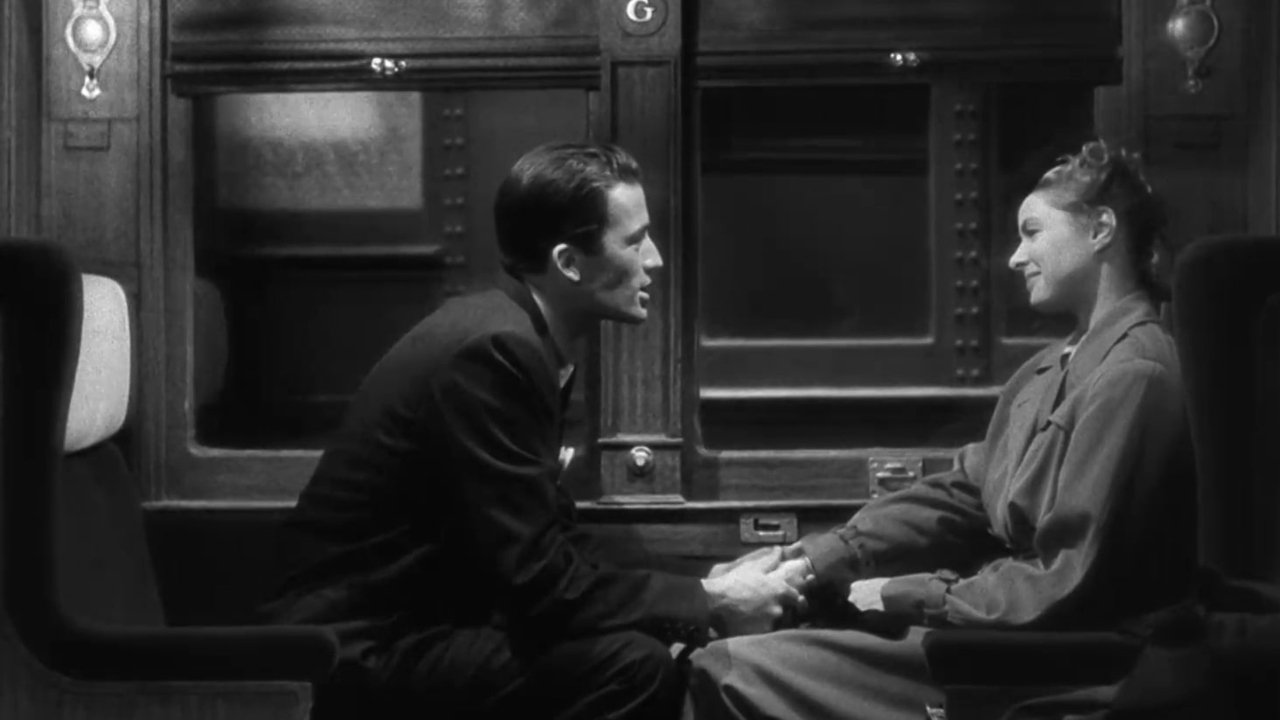
Behind the scenes, the production was a battlefield of egos. Selznick was actually undergoing psychoanalysis at the time and insisted on bringing his own therapist, May Romm, onto the set as a consultant. Hitchcock, who famously hated being told how to direct, ignored her at every turn. When she complained that a certain scene wasn't how "real" analysis worked, Hitchcock reportedly told her, "It’s only a movie, May." And while the science in Spellbound is questionable at best—don't try to cure amnesia by going on a ski trip—the emotional weight is undeniable.
The film is a fascinating relic of a time when Hollywood was falling in love with Freud. It’s a dark, intense exploration of guilt and the lengths someone will go to for a person they’ve only known for forty-eight hours. While the ending wraps up a bit too neatly for a modern palate, the journey through the subconscious is a ride worth taking. It’s a testament to the power of the studio system when it allowed geniuses like Hitchcock, Dalí, and Bergman to collide in a single, paranoid fever dream.

Keep Exploring...
-
Notorious
1946
-
Suspicion
1941
-

Rebecca
1940
-
To Catch a Thief
1955
-

Vertigo
1958
-
Rear Window
1954
-
Shadow of a Doubt
1943
-
Rope
1948
-
The Man Who Knew Too Much
1956
-
North by Northwest
1959
-
Marnie
1964
-
Strangers on a Train
1951
-
Dial M for Murder
1954
-
The Maltese Falcon
1941
-
The Big Sleep
1946
-
Psycho
1960
-
The Birds
1963
-
The 39 Steps
1935
-
The Lady Vanishes
1938
-
The Third Man
1949