Notorious
"A kiss is just a cover."
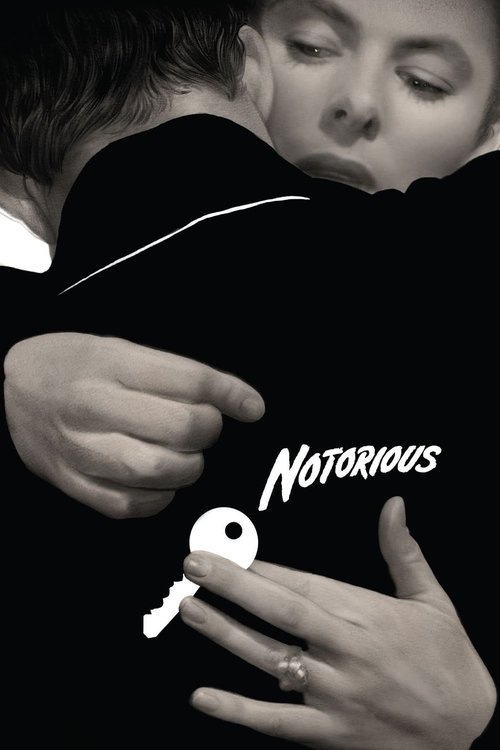
In 1945, Alfred Hitchcock and screenwriter Ben Hecht decided to make a movie about uranium. The FBI, apparently not fans of speculative fiction involving atomic secrets, put Hitchcock under surveillance for three months. They were convinced the "Master of Suspense" had a mole in the Manhattan Project. As it turns out, Hitch was just doing his homework, and the result was Notorious—a film that manages to be the most romantic entry in his filmography while also being a cold-blooded, psychologically brutal exploration of emotional masochism.
I watched this on a rainy Tuesday while trying to finish a sleeve of stale Fig Newtons, and honestly, the cookies didn't stand a chance against the suspense. By the time the final act rolled around, I’d forgotten I was even eating. That’s the power of Notorious; it’s a high-pressure cooker that trades in the currency of secrets and the crushing weight of duty.
The Art of the Loophole
While this was produced during the height of the Golden Age, it carries a rebellious, independent energy. At the time, David O. Selznick—the titan behind Gone with the Wind—was drowning in the production of his Western epic Duel in the Sun. He essentially sold the entire Notorious package (Hitchcock, the script, and the stars) to RKO for $800,000 and a percentage of the profits. This gave Hitchcock a level of creative autonomy that was rare within the rigid studio assembly lines.
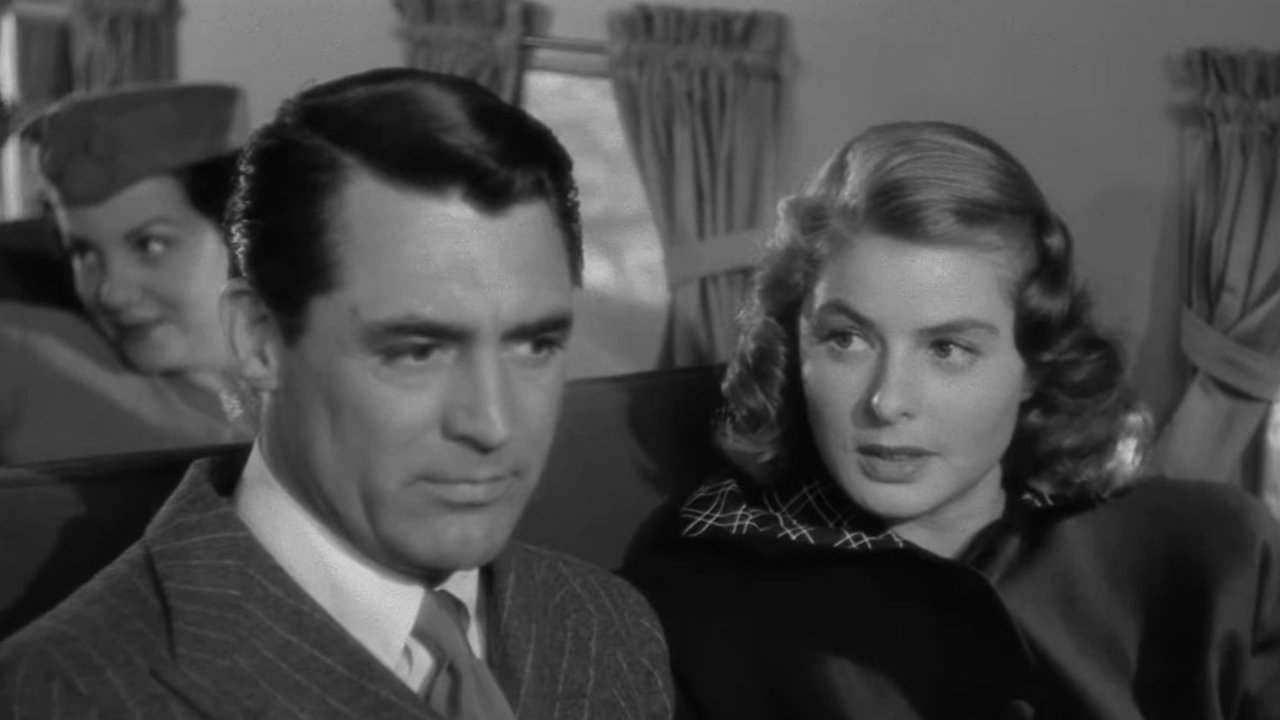
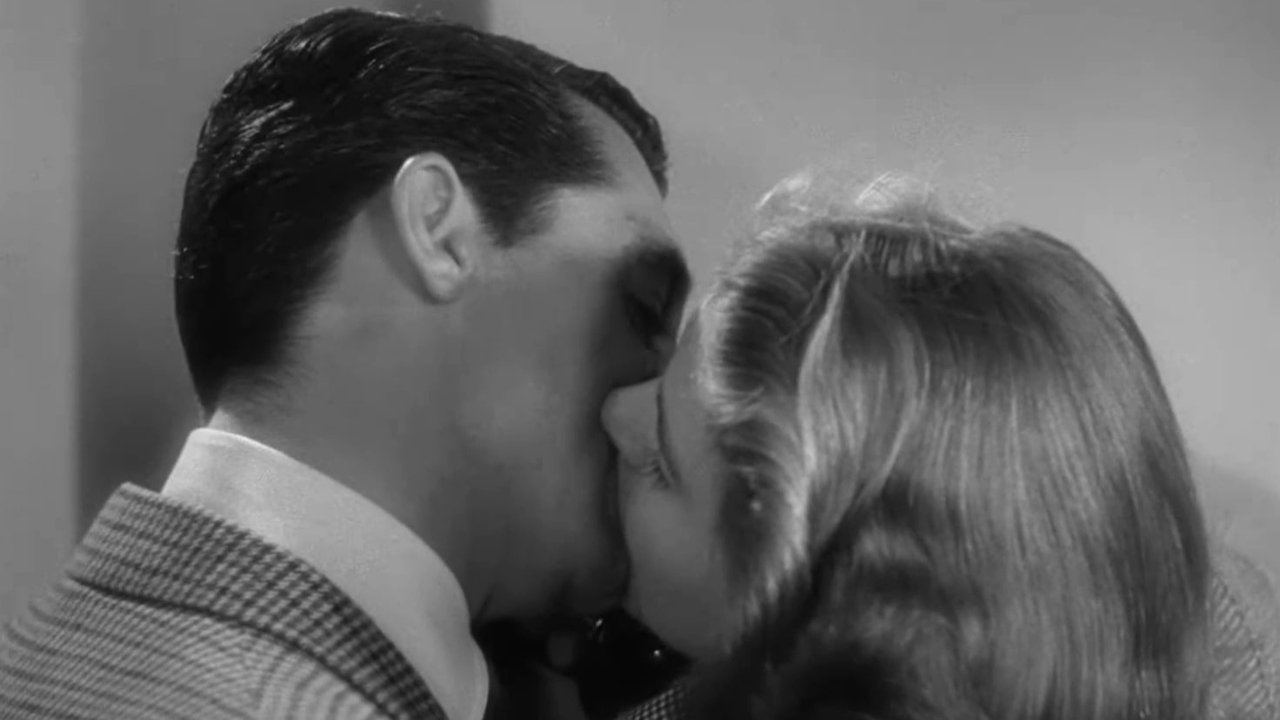
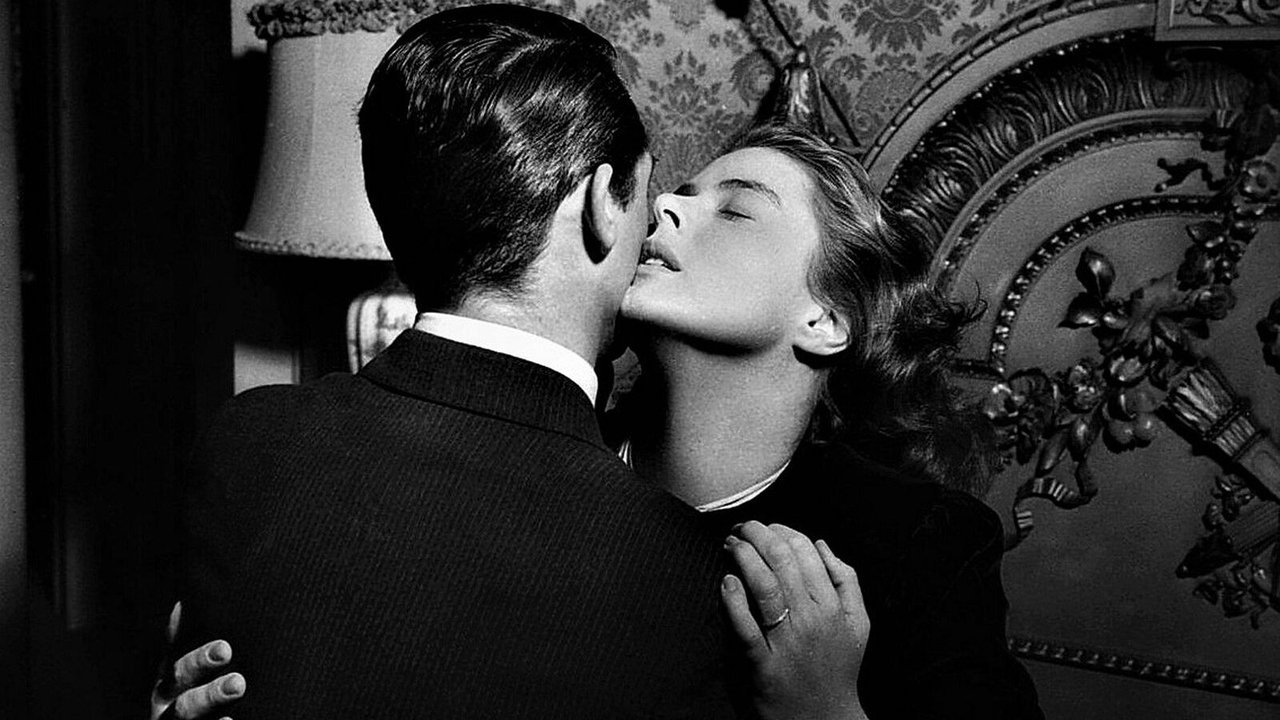
He used that freedom to wage war against the Production Code. You’ve likely heard about the "longest kiss in movie history." Back then, onscreen kisses were strictly capped at three seconds. Hitchcock’s solution? He had Cary Grant and Ingrid Bergman break apart every few seconds to nibble on ears, whisper, and nuzzle while the camera hovered inches from their faces. By technicality, they never kissed for more than three seconds at a time. In reality, it’s a two-and-a-half-minute sequence of pure, unadulterated eroticism that makes modern sex scenes look like clinical paperwork.
A Masterclass in Cruelty
The plot is deceptively simple: Alicia Huberman (Ingrid Bergman), the daughter of a convicted Nazi spy, is recruited by American agent T.R. Devlin (Cary Grant) to infiltrate a group of Germans in Brazil. To get the intel, she has to marry their leader, Alexander Sebastian (Claude Rains).
The real horror here isn't the political espionage; it's the way Devlin treats Alicia. Cary Grant plays a character so emotionally stunted he makes a block of granite look like a huggable teddy bear. He loves her, but he’s so disgusted by her past and his own role in "pimping" her out to the enemy that he punishes her with silence and coldness. Devlin is, quite frankly, a jerk, but Grant’s natural charisma makes his internal conflict feel like a slow-motion car crash you can't stop watching.
Then there’s Claude Rains. In any other movie, he’d be a cardboard villain. Here, he is the most vulnerable person on screen. He genuinely loves Alicia, and his eventual realization of her betrayal is heartbreaking. Claude Rains is the only person in this movie with an actual heart, and he’s a Nazi. It’s a daring, uncomfortable subversion that keeps the stakes from feeling like a simple "good guys vs. bad guys" romp.
The Shadow of the Mother
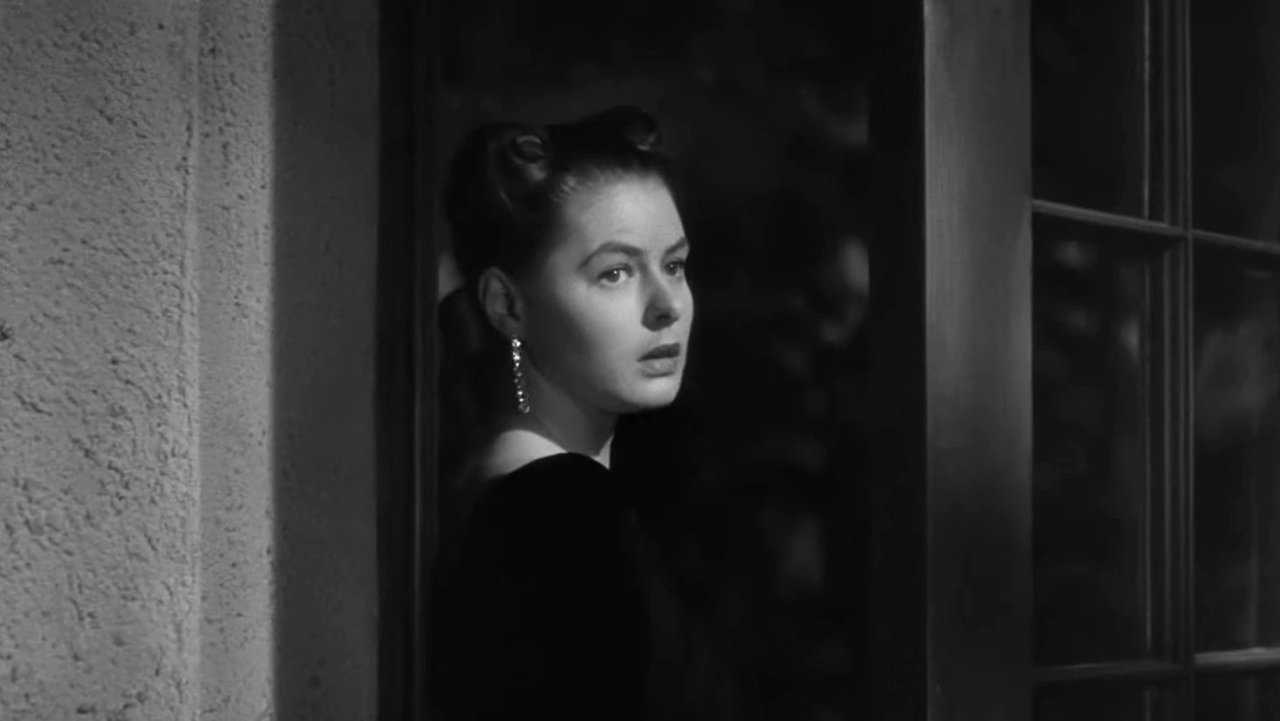
If Devlin is the cold protagonist and Sebastian is the sympathetic villain, the real monster is Madame Anna Sebastian, played by Leopoldine Konstantin. She is the ultimate "Hitchcock Mother"—domineering, observant, and utterly lethal. The scene where she sits in the shadows, realizing her son has brought a spy into their home, is more chilling than any jump-scare in a modern horror flick.
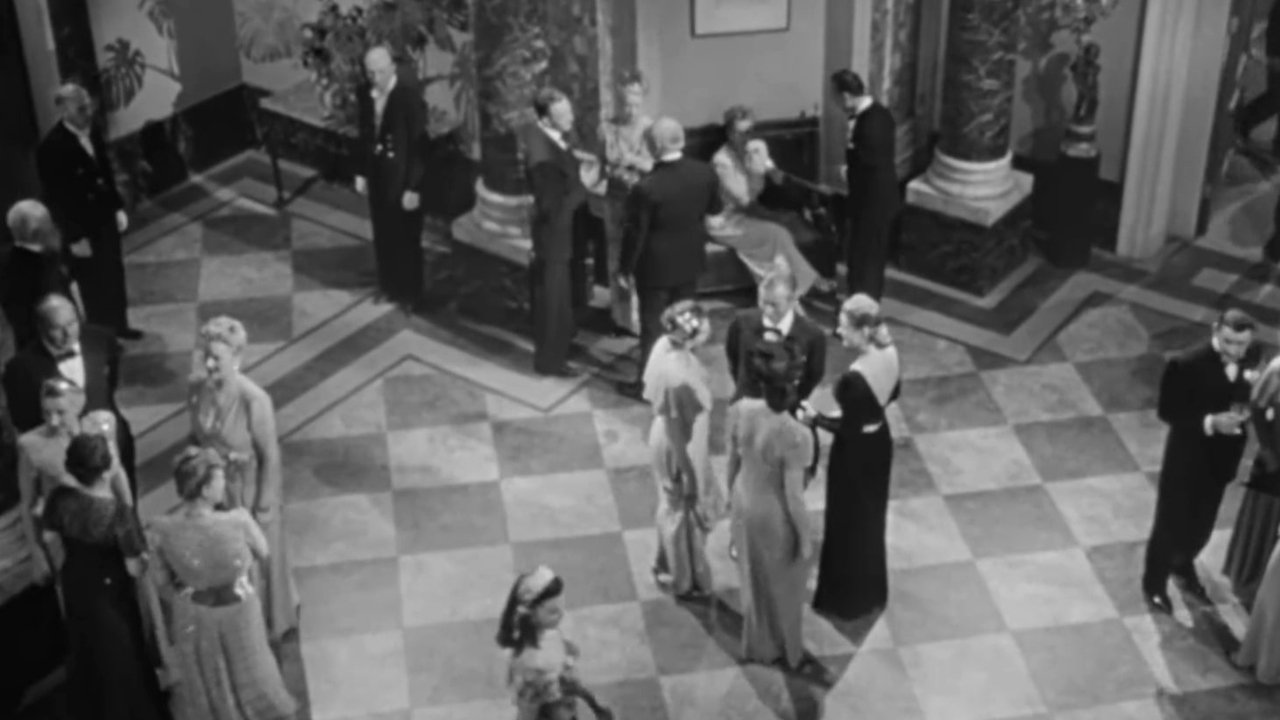
The technical craft is peak 1940s glamour served with a side of dread. Ted Tetzlaff’s cinematography uses shadows not just for "noir" aesthetic, but to isolate the characters. There’s a famous crane shot during a party that starts at the top of a grand staircase and dives all the way down to a tiny key held in Ingrid Bergman’s hand. It’s a technical flex that actually serves the story, emphasizing how a single piece of metal carries the weight of life and death.
Notorious is a reminder that the best thrillers don't need explosions; they just need two people in a room who can't trust each other. It’s a dark, shimmering jewel of a film that treats its audience like adults, refusing to offer easy redemption for its lead characters. Even eighty years later, that final walk down the stairs remains one of the most tense sequences ever committed to celluloid. If you haven't seen it, dim the lights, put the phone away, and let Hitchcock ruin your nerves for an hour and a half.
Keep Exploring...
-
Suspicion
1941
-
Spellbound
1945
-
To Catch a Thief
1955
-

Rebecca
1940
-

Vertigo
1958
-
Rear Window
1954
-
North by Northwest
1959
-
Shadow of a Doubt
1943
-
Rope
1948
-
The Man Who Knew Too Much
1956
-
Marnie
1964
-
Strangers on a Train
1951
-
Psycho
1960
-
Dial M for Murder
1954
-
The Maltese Falcon
1941
-
The Big Sleep
1946
-
The Birds
1963
-
The 39 Steps
1935
-
The Lady Vanishes
1938
-
The Third Man
1949