The Big Sleep
"Lust, lead, and a mystery without an answer."
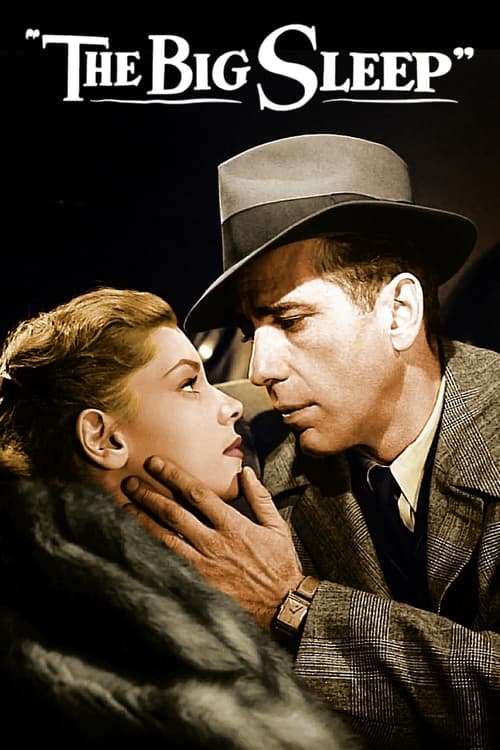
The air in General Sternwood’s greenhouse is thick enough to choke a man, smelling of "the fleshly sweetness of corrupt tropical orchids." It is a hellish, humid introduction to a world where everyone is either lying, dying, or trying to find a way to do both at the same time. This is the opening of The Big Sleep, a film that doesn't just invite you into the dark corners of 1940s Los Angeles; it drags you there by the collar and leaves you in a rain-slicked alleyway with nothing but a half-empty pack of cigarettes and a headache.
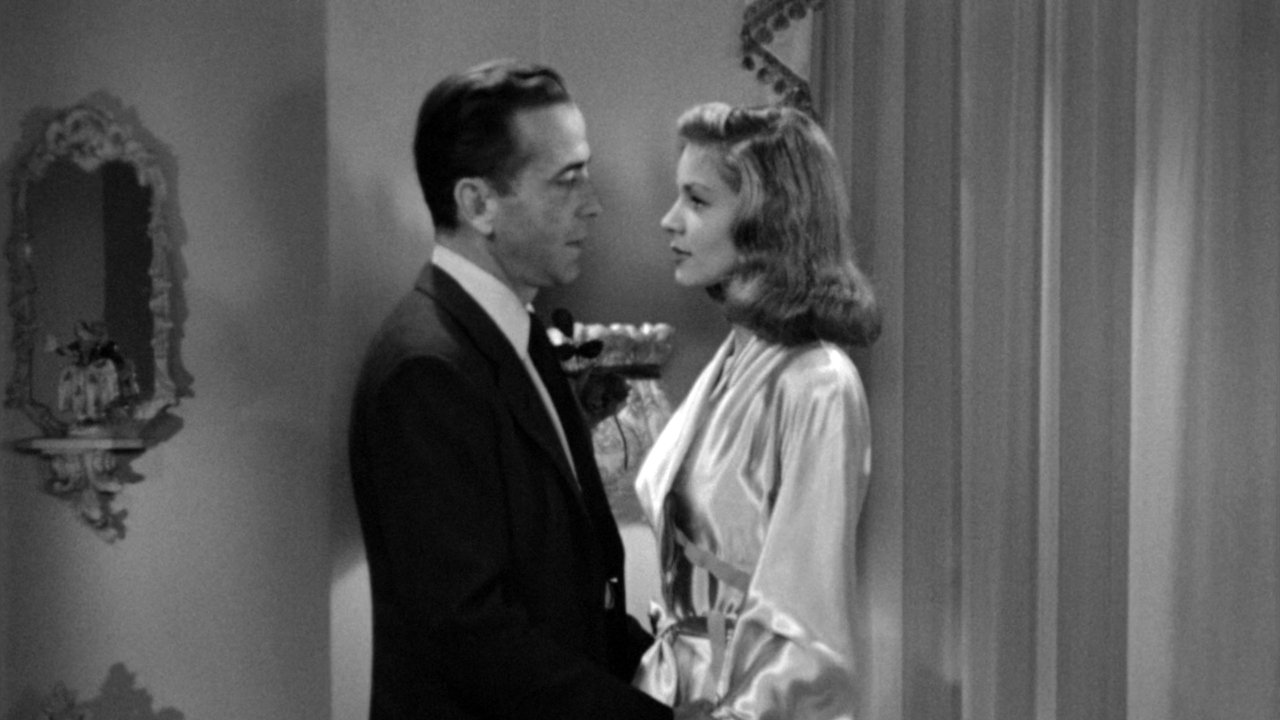
I watched this most recent time on a Tuesday afternoon while waiting for a delivery of hypoallergenic cat litter, and the mundane reality of my living room felt pathetically thin compared to the oppressive, velvety shadows on my screen. There is something about the way Howard Hawks captures the California night that makes modern high-definition cinematography feel sterile and hollow.
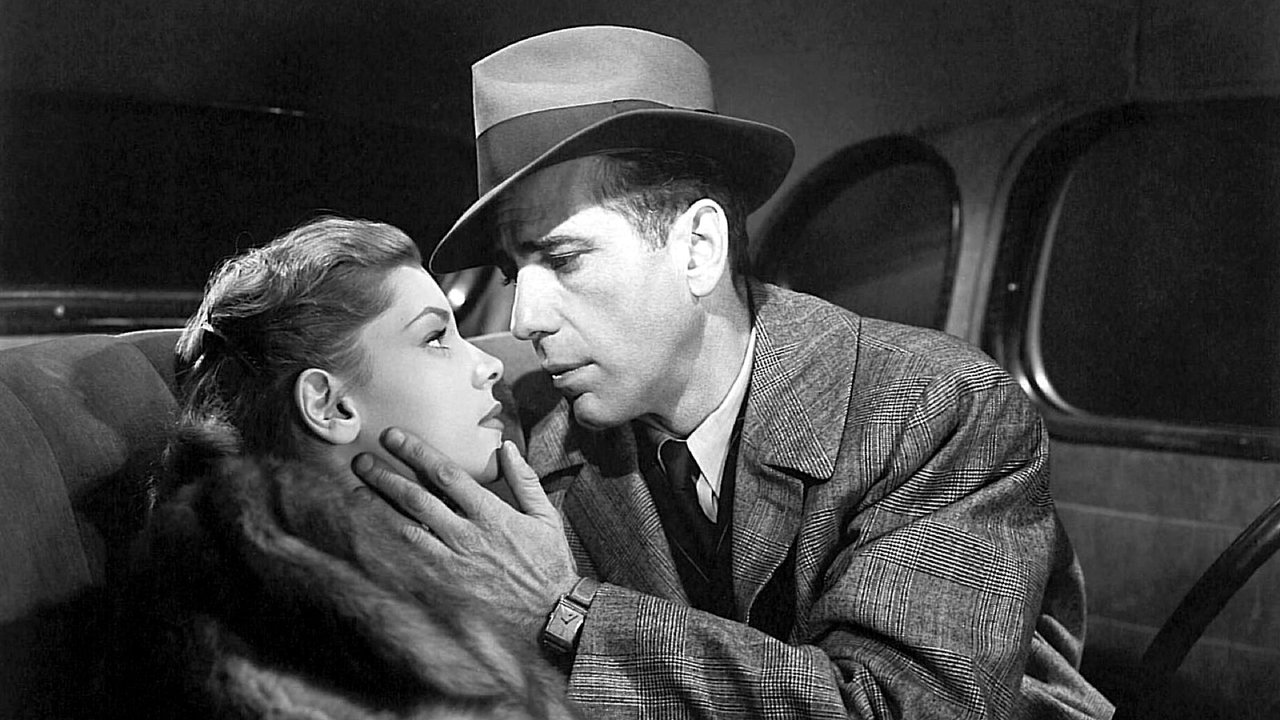
The Bogart-Bacall Heat Wave
At the center of this swirling storm of blackmail and bullet holes is Humphrey Bogart as Philip Marlowe. By 1946, Bogart had already refined his persona in The Maltese Falcon and Casablanca, but here, as the cynical private investigator, he feels more like a lived-in coat—wrinkled, slightly stained, but indestructible. Bogart’s Marlowe is basically a man whose only superpower is surviving a 24/7 hangover, and he navigates the predatory Sternwood family with a weary professionalism that feels devastatingly authentic to the post-war era’s exhaustion.
Then there is Lauren Bacall as Vivian Sternwood Rutledge. Following their debut together in To Have and Have Not, the chemistry here is so palpable it’s a wonder the film stock didn't melt in the projector. Their famous "horse racing" dialogue—a sequence of thinly veiled sexual metaphors that bypassed the censors through sheer wit—remains one of the most electric exchanges in cinema history. Bacall doesn't just play a love interest; she plays a chess partner who is three moves ahead and hiding a gun under the table. Watching them trade barbs, it's clear why the studio ordered reshoots to add more scenes between them; they are the gravity that keeps the film from flying apart.
Code-Breaking and Shadow-Dancing
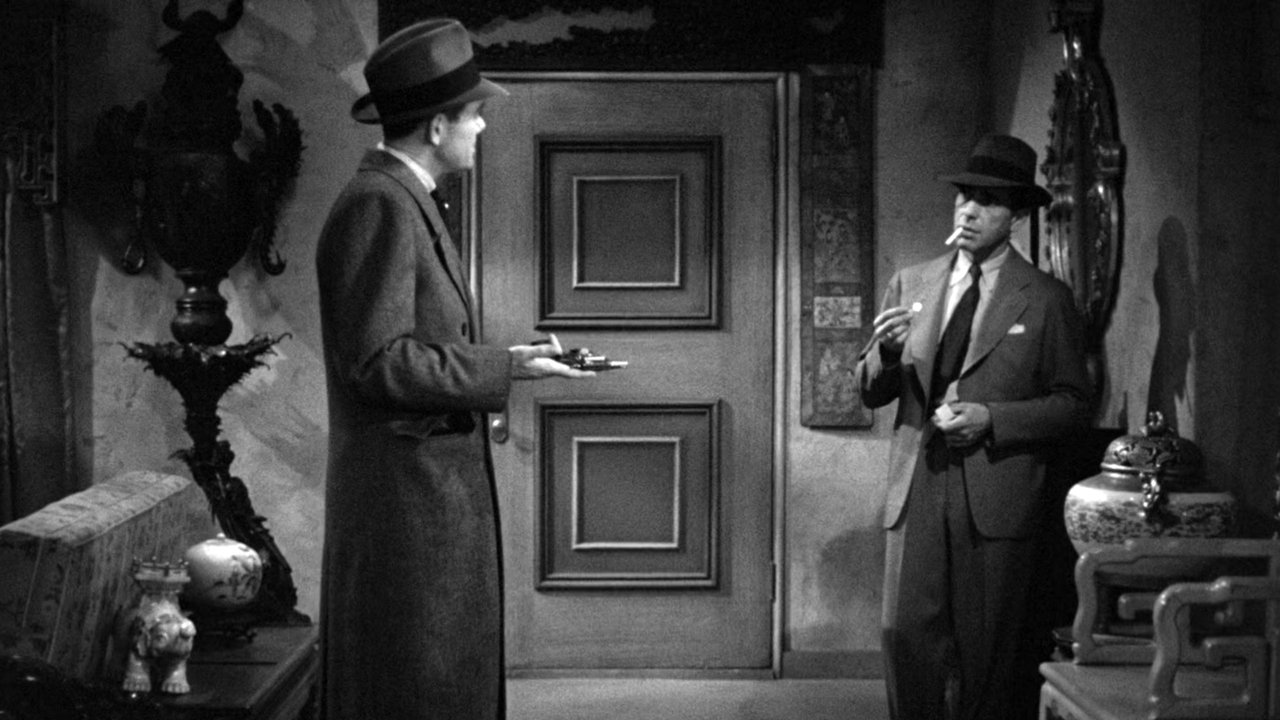
Part of the dark intensity of The Big Sleep comes from what it can’t say. Because of the restrictive Production Code of the 1940s, the "vices" of the Sternwood sisters—which in the Raymond Chandler novel included drug addiction and pornography—had to be translated into a coded cinematic language. Martha Vickers, playing the younger sister Carmen, conveys a terrifying, predatory instability through a thumb-sucking trance and a vacant, giggling stare that feels far more disturbing than any graphic depiction could achieve.
Director Howard Hawks leaned into the shadows, using Sidney Hickox’s cinematography to create a sense of claustrophobia. Even in the wide shots of the Sternwood mansion or the cluttered apartment of Louis Jean Heydt’s Joe Brody, the black levels are so deep they feel like they could swallow the characters whole. This isn't just a stylistic choice; it reflects a world where the moral compass has been smashed. Characters like the gambler Eddie Mars, played with a chilling, polite menace by John Ridgely, represent the institutionalized corruption that the film hints is the real "big sleep" of the city.
The Beautiful Mess of a Narrative
Let’s be honest: the plot is a beautiful, incoherent disaster. Legend has it that even William Faulkner, who co-wrote the screenplay with Leigh Brackett, called Raymond Chandler to ask who killed the Sternwood chauffeur, only for Chandler to admit he didn't know either. The Big Sleep is less of a movie and more of an expensive, rain-soaked mood board. There are disappearances, double-crosses, and sudden murders (poor Charles Waldron as the General deserved a better family) that never quite resolve into a tidy picture.
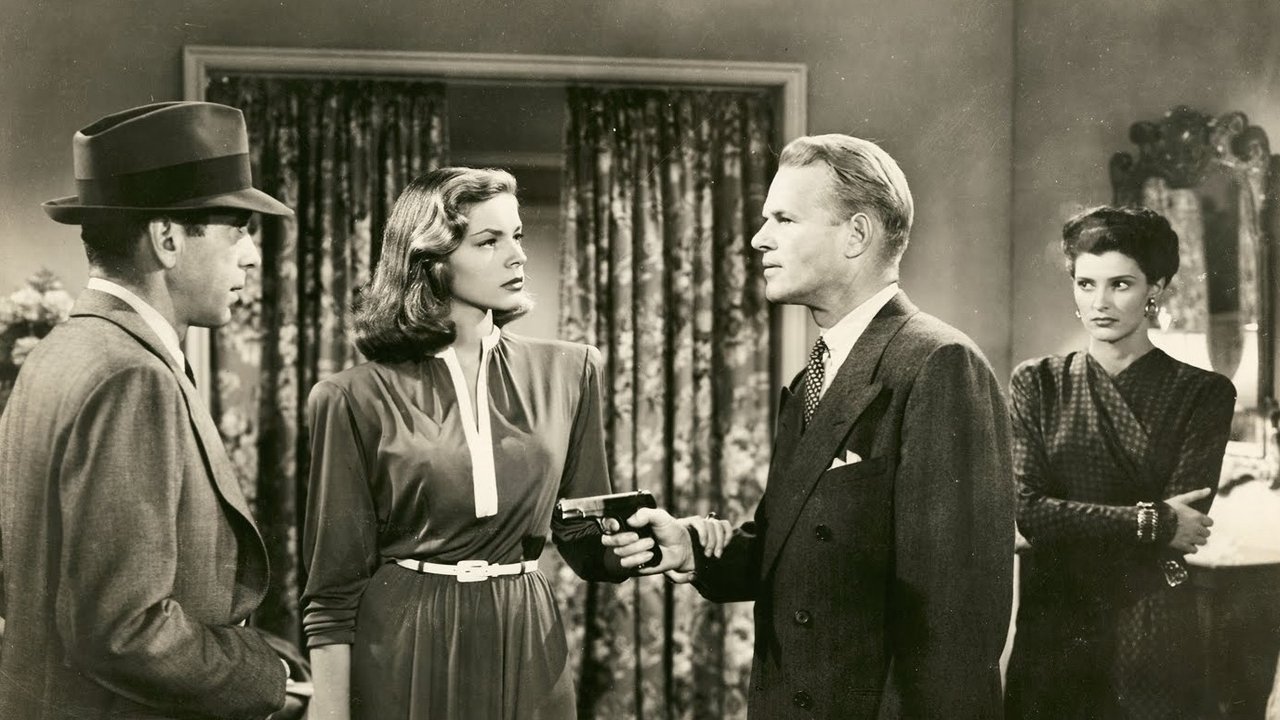
But that’s exactly why the film works as a piece of dark art. Life doesn't always provide a neat resolution, and in the cynical landscape of 1946, the confusion felt right. The audience is trapped in Marlowe’s perspective; we are just as bewildered as he is by the endless parade of thugs and dames. We aren't here for the "who," we are here for the "how." How a man keeps his soul when everyone else has sold theirs for a stack of chips at Eddie Mars’ casino.
The film serves as a high-water mark for the studio system’s ability to manufacture glamour out of grimness. Max Steiner’s score punctuates the tension with stabbing brass, while the craftsmanship of the Warner Bros. sets makes Los Angeles feel like a sprawling, gothic labyrinth. It is a masterpiece of artifice that manages to feel more real than the evening news.
The final act of The Big Sleep doesn't offer a sunny sunrise or a clean slate. It offers a temporary reprieve in the form of a siren's song and a dark road home. It captures that specific, heavy feeling of the late 1940s—a time when the world had survived a global nightmare only to wake up in a cold, grey morning. Whether you can follow the plot or not becomes irrelevant by the time the credits roll. You don't watch this movie to solve a puzzle; you watch it to get lost in the fog.

Keep Exploring...
-
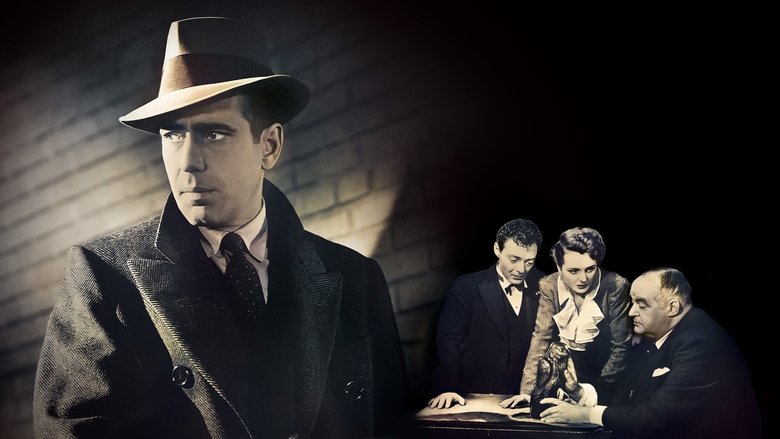
The Maltese Falcon
1941
-
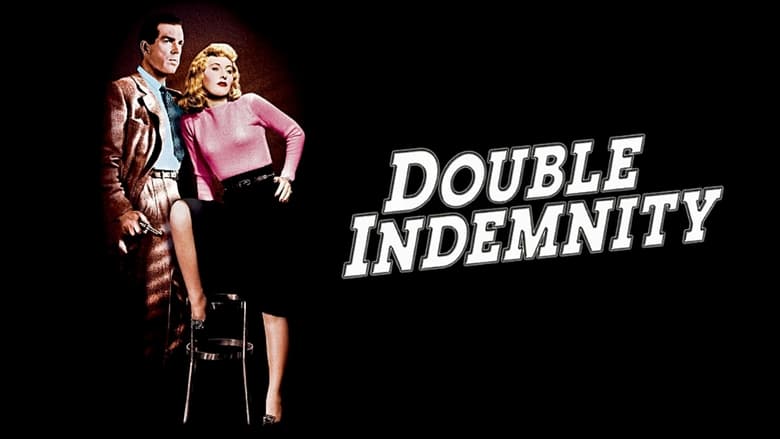
Double Indemnity
1944
-
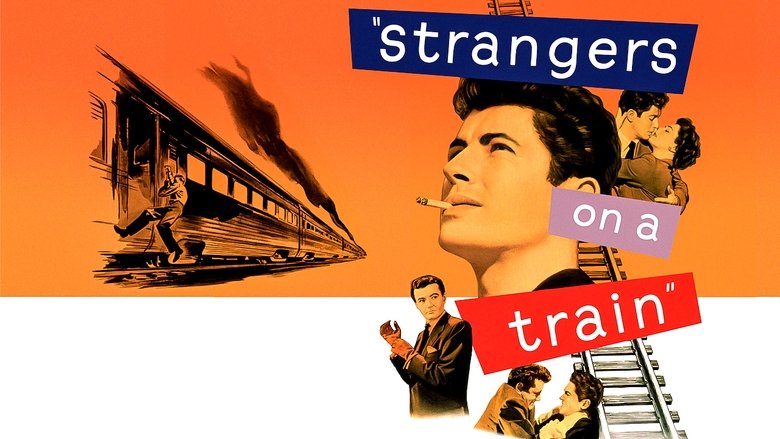
Strangers on a Train
1951
-
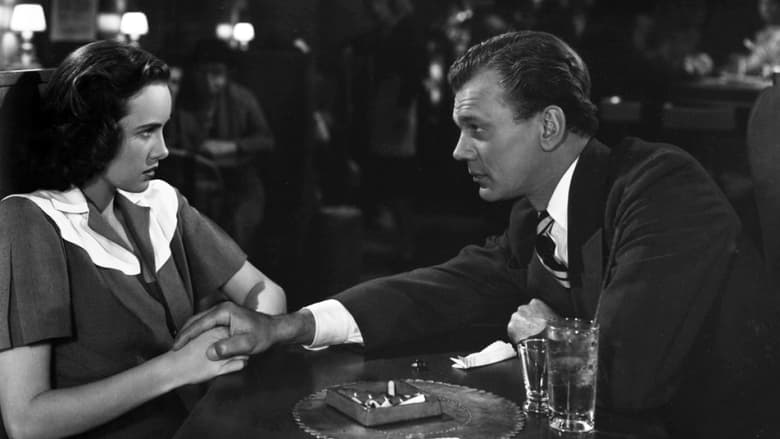
Shadow of a Doubt
1943
-
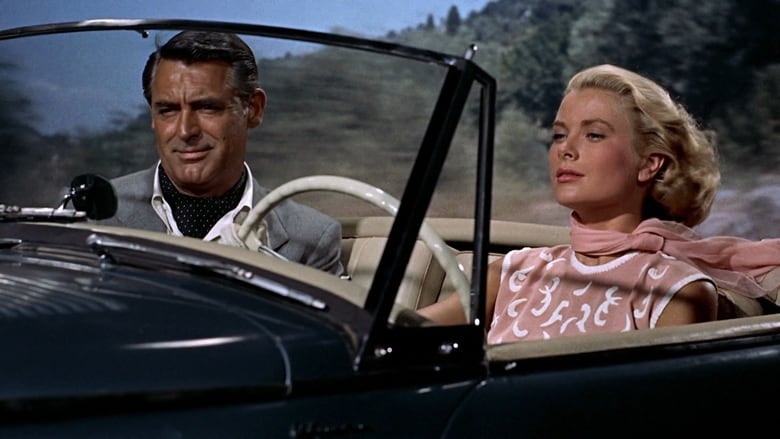
To Catch a Thief
1955
-
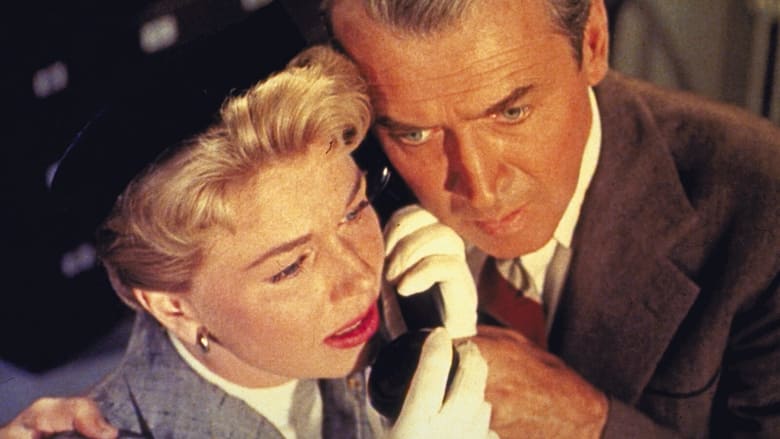
The Man Who Knew Too Much
1956
-
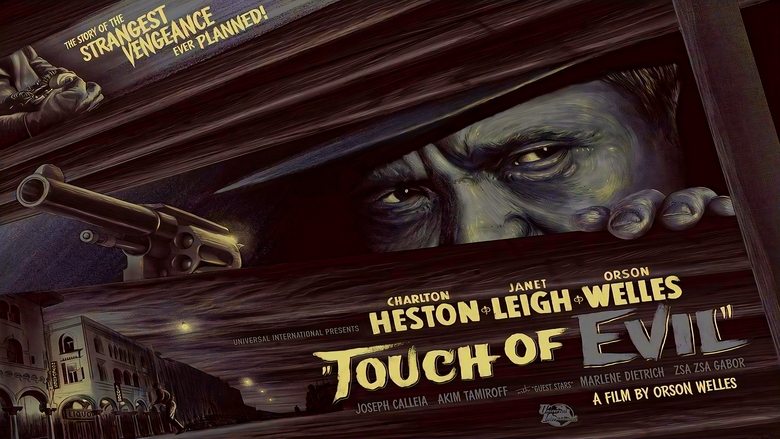
Touch of Evil
1958
-
Suspicion
1941
-
Spellbound
1945
-
Notorious
1946
-
Rope
1948
-
The Killing
1956
-

Rashomon
1950
-
Diabolique
1955
-

Murder by Death
1976
-
Blow Out
1981
-
Clue
1985
-
Mississippi Burning
1988
-
Arlington Road
1999
-
The Outfit
2022