Bicycle Thieves
"A city of millions. A search for one."
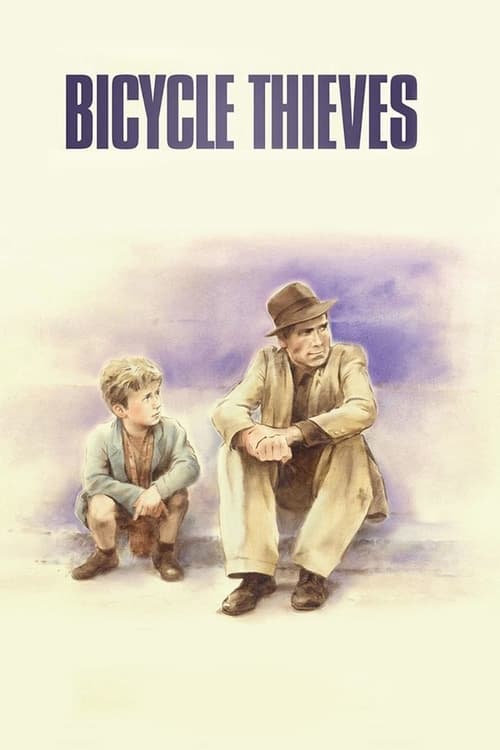
Imagine, for a second, that you are a producer in 1948. You’ve got a script about a poor man in Rome whose bicycle is stolen. You take it to David O. Selznick—the man who gave the world Gone with the Wind—and he says he’ll finance the whole thing on one condition: you have to cast Cary Grant as the lead. Imagine the chin-dimpled, suave icon of Hollywood’s Golden Age wandering through the rubble of post-war Italy, looking for a Fides bike. It’s an absurd image, and thankfully, Vittorio De Sica told him to take a hike.
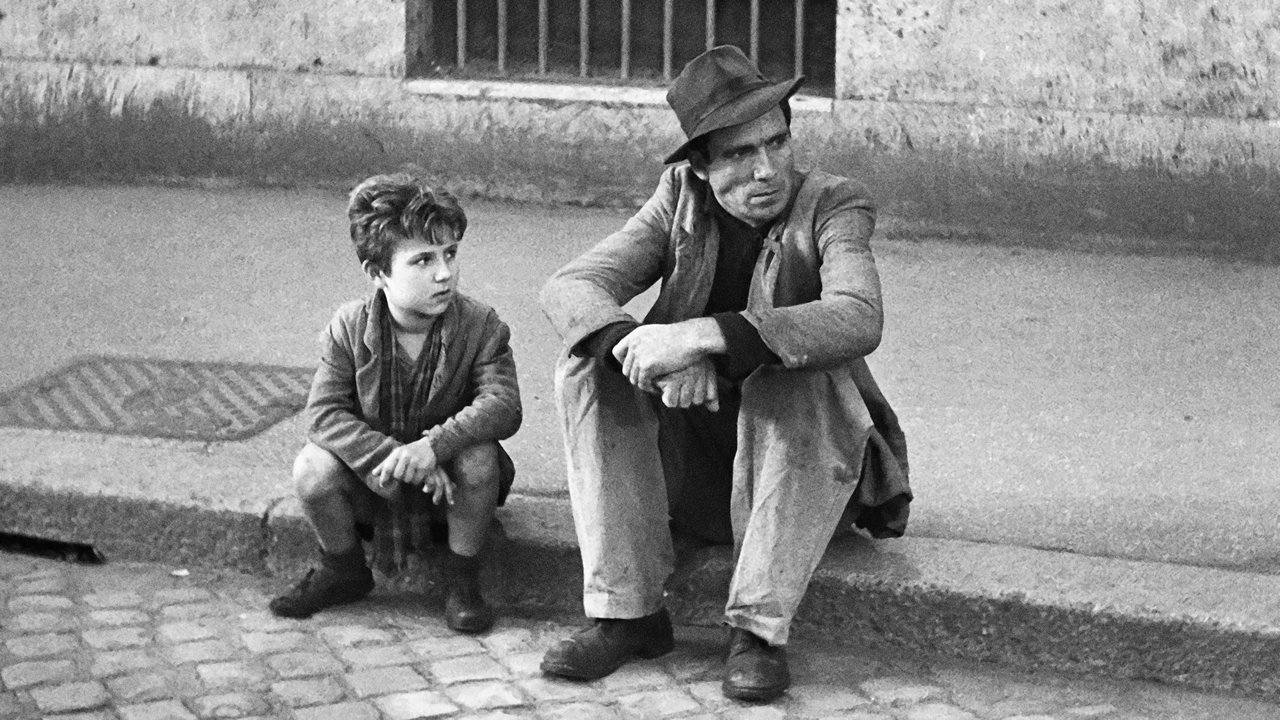
Instead of a Hollywood star, De Sica went to a factory and found Lamberto Maggiorani. He wasn't an actor; he was a guy who knew exactly what it felt like to worry about his next meal. That’s the magic of Bicycle Thieves (often translated as The Bicycle Thief). It’s not just a movie; it’s a desperate, sweating, heart-aching slice of reality that makes the glossy studio productions of the era look like Sunday morning cartoons. I watched this on a tablet while my neighbor was loudly practicing the tuba, and somehow, the discordant brass notes actually fit the mood of post-war Rome perfectly.
The Cary Grant That Never Was
The brilliance of this film lies in its rejection of everything "Golden Age" Hollywood stood for. While MGM was busy building massive, candy-colored sets for musicals, De Sica and his screenwriter Cesare Zavattini (who also wrote the whimsical Miracle in Milan) took their cameras into the actual, unwashed streets of Rome. There are no filtered lenses here, no perfect three-point lighting. It’s raw, it’s grey, and it’s crowded.
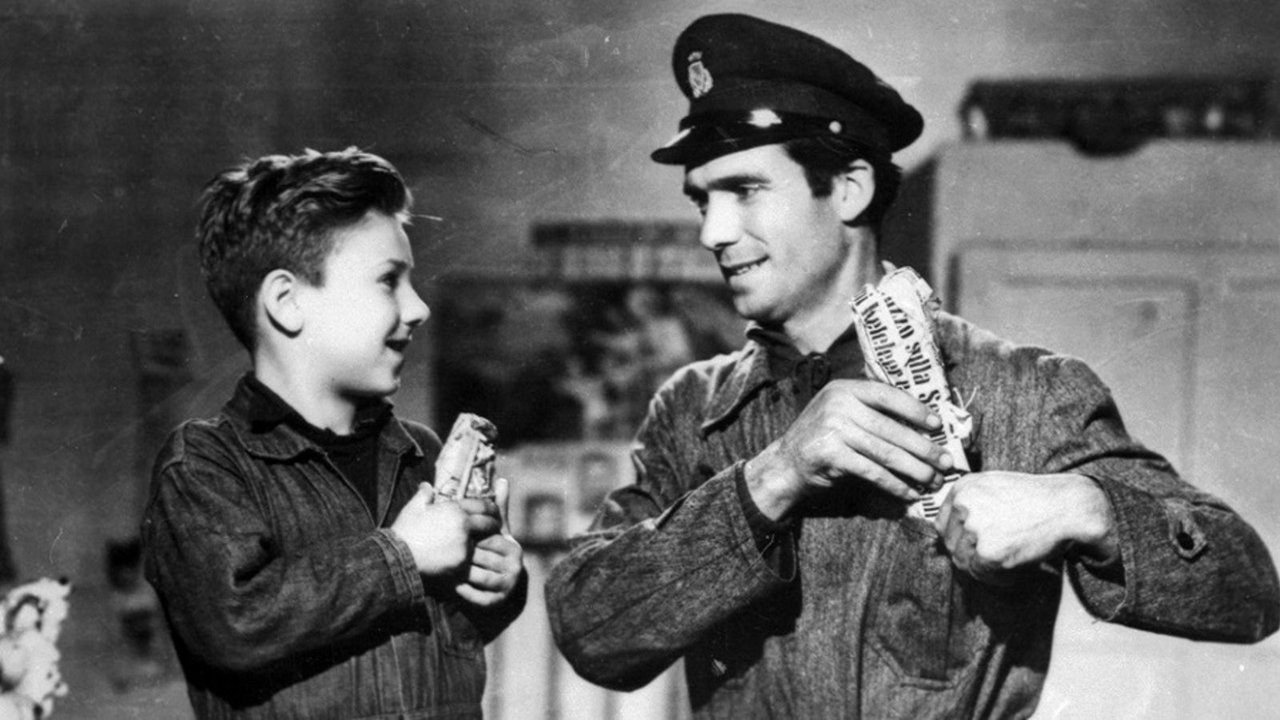
The plot is deceptively simple: Antonio (Lamberto Maggiorani) finally lands a job hanging posters. He needs a bicycle to do it. His wife, Maria (Lianella Carell), paws the family’s bedsheets to the pawnshop to get his bike out of hock. On his first day, some kid swipes it. The rest of the movie is Antonio and his young son, Bruno (Enzo Staiola), walking through the city trying to find it.
Antonio is the world's worst detective, but he's the world's most relatable failure. He’s not a hero; he’s a man who is terrified of disappearing back into the breadlines. Every time he misses the thief by a few seconds, you feel a physical knot in your stomach. It’s a thriller where the "bomb" under the table is just the threat of being unemployed.
A Boy, A Man, and a Heartbreaking Walk
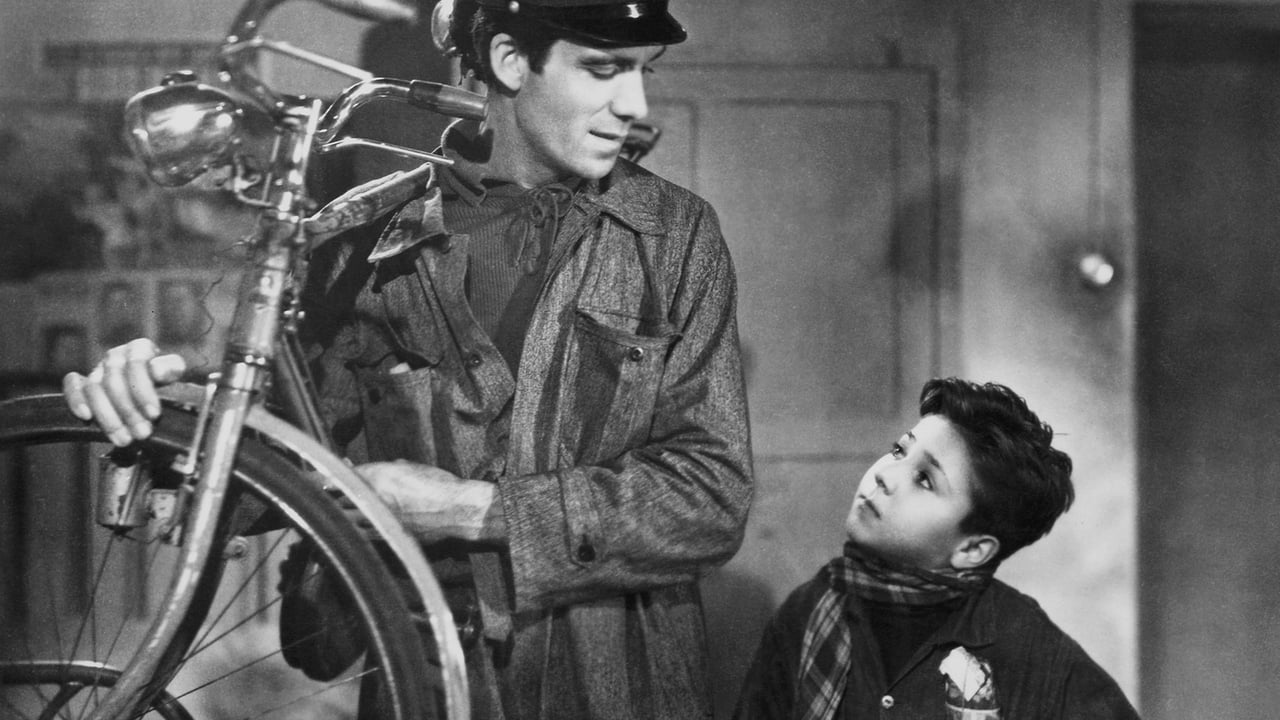
While Maggiorani provides the desperate soul of the film, Enzo Staiola, as the young Bruno, steals every single frame he’s in. He doesn’t act like a "movie kid." He doesn’t have cute catchphrases or perfectly coiffed hair. He’s just a little man-child who watches his father with a mix of hero-worship and dawning realization that Dad doesn't have all the answers.
There is a scene in a restaurant where Antonio, in a fit of "to hell with it" desperation, takes Bruno to eat mozzarella in carrozza. For a few minutes, they try to pretend they’re the kind of people who can afford a nice lunch. But as Antonio watches a wealthy family at the next table, the weight of his reality crashes back down. If you don’t feel a lump in your throat when Bruno looks at his father during that meal, you might actually be a robot.
The cinematography by Carlo Montuori doesn't try to be "pretty," but it is deeply thoughtful. The way the camera captures the vastness of the Roman plazas makes Antonio and Bruno look like ants in a giant, uncaring machine. It’s a masterclass in using scale to communicate helplessness.
The Beauty of the Bare Minimum
As an "indie" forefather, Bicycle Thieves is the ultimate proof that you don't need a budget if you have a pulse. De Sica operated on a shoestring, often using "non-professional" actors he found in the very neighborhoods he was filming. This wasn't just a stylistic choice; it was a necessity of the time. Italy was broke, the film industry was in shambles, and the only thing they had plenty of was truth.

The film raises a philosophical question that Hollywood usually avoids: what happens to a "good" man when the system gives him no choice but to be "bad"? It doesn't offer easy answers. It doesn't give us a climactic fistfight or a miraculous recovery of the stolen goods. It gives us a crowd of people, a dusty street, and the crushing weight of a father’s shame in front of his son.
The most tragic thing about this movie isn't the bike; it's the realization that Rome is just a giant, indifferent bureaucratic dumpster fire. It’s a film that demands you look at the person next to you on the bus and wonder what they’ve had to sacrifice just to be there.
Bicycle Thieves is 89 minutes of pure, unrefined humanity. It’s the kind of film that reminds you why movies were invented in the first place—not just to escape our lives, but to finally see them clearly. It’s short, it’s sharp, and it stays with you long after the credits roll. If you’ve never dipped your toes into international cinema, this is the place to start. Just make sure you have some tissues handy—and maybe a lock for your bike.

Keep Exploring...
-
High Noon
1952
-
Rome, Open City
1945
-
Casablanca
1943
-

Laura
1944
-
It's a Wonderful Life
1946
-
The Treasure of the Sierra Madre
1948
-

All About Eve
1950
-
Sunset Boulevard
1950
-
Rope
1948
-

Rashomon
1950
-
The African Queen
1952
-

Ikiru
1952
-
Tokyo Story
1953
-

Singin' in the Rain
1952
-
The Grapes of Wrath
1940
-
Citizen Kane
1941
-
La Strada
1954
-
Sabrina
1954
-
Seven Samurai
1954
-
Rebel Without a Cause
1955