Rope
"One chest. Eight guests. A murder for dessert."
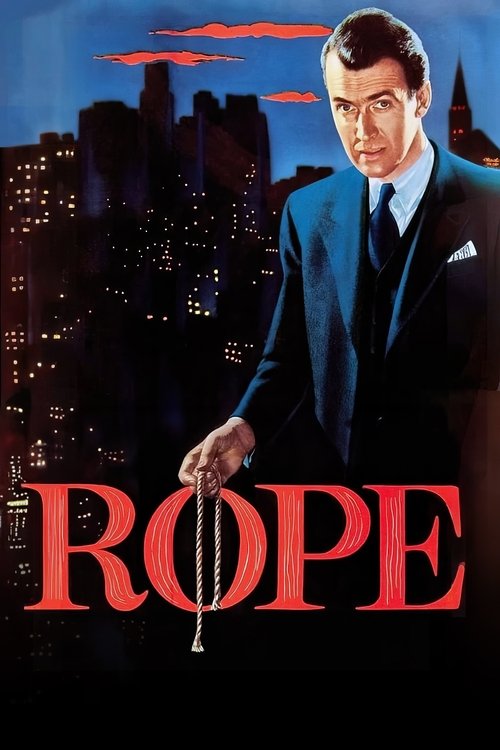
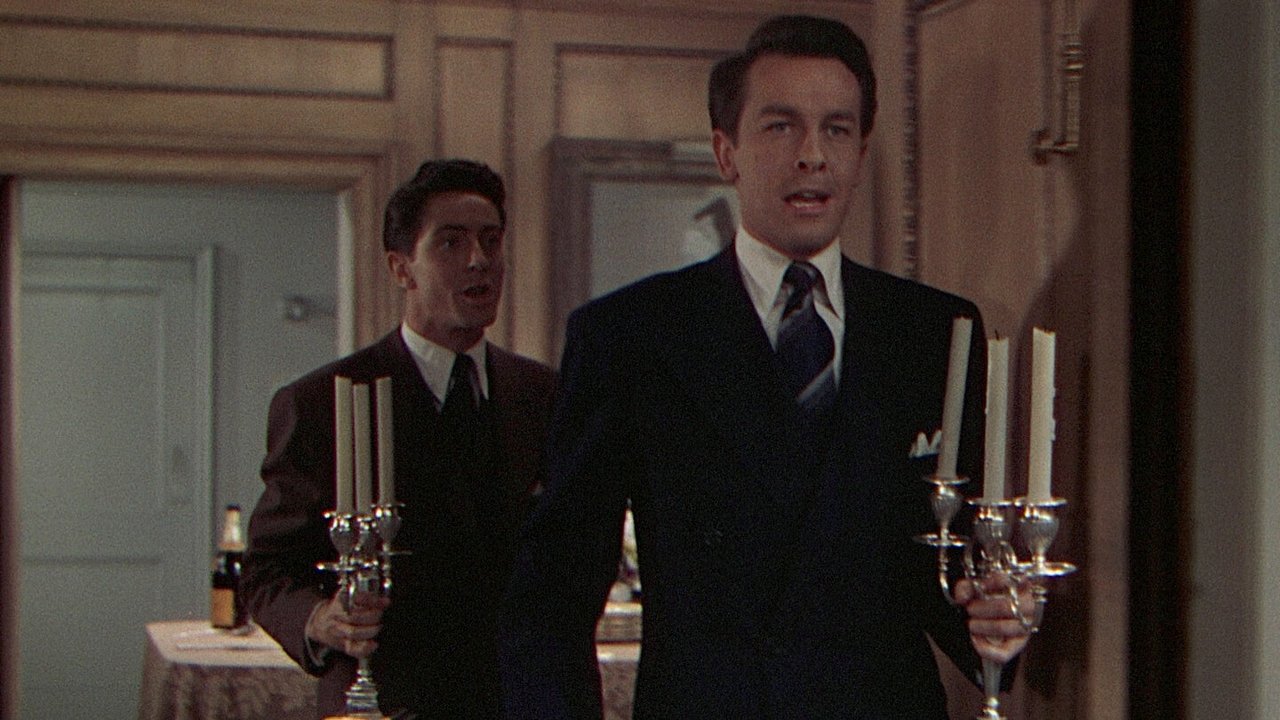
There’s something deeply unsettling about watching a man breathe his last breath while the golden sun sets over a Manhattan skyline that is, in reality, a massive, curved cyclorama. Alfred Hitchcock’s Rope doesn’t start with a mystery; it starts with a strangulation. We see the struggle, we see the body of young David Kentley limp and lifeless, and we see his killers—John Dall and Farley Granger—stuff him into an antique wooden chest. Then, they decide to use that chest as a buffet table for a dinner party.

I watched this most recently on my laptop while my roommate was in the kitchen loudly making a kale smoothie, and for a split second, the whir of the blender blended perfectly with the opening shriek of the film. It added a bizarre, modern layer of domesticity to a story that is already suffocatingly intimate. That is the magic of Rope; it’s a film that feels like it’s happening in your own living room, mostly because Hitchcock refused to let the camera leave the apartment.
The Audacity of the "One-Shot"
In 1948, Hollywood was the land of the "invisible cut." Studios like MGM and Warner Bros. had perfected a language of editing that kept the audience comfortable. Hitchcock, ever the provocateur, decided to throw the rulebook into the East River. He filmed Rope in a series of ten-minute takes, stitched together with "hidden" wipes—the camera pans into the back of a suit jacket or the lid of a piano—to create the illusion of a single, continuous shot.
Watching it today, the technique is basically a very expensive game of "Floor is Lava" for the camera crew. You can almost feel the frantic energy off-camera as stagehands scurried to move heavy walls and furniture out of the way of the massive Technicolor camera, only to slide them back into place seconds later. It’s an athletic feat of filmmaking. While some critics at the time found it gimmicky, I find that it creates a relentless, ticking-clock tension. You aren't just a spectator; you are an uninvited guest trapped at the most awkward dinner party in New York history.
A Masterclass in Intellectual Arrogance
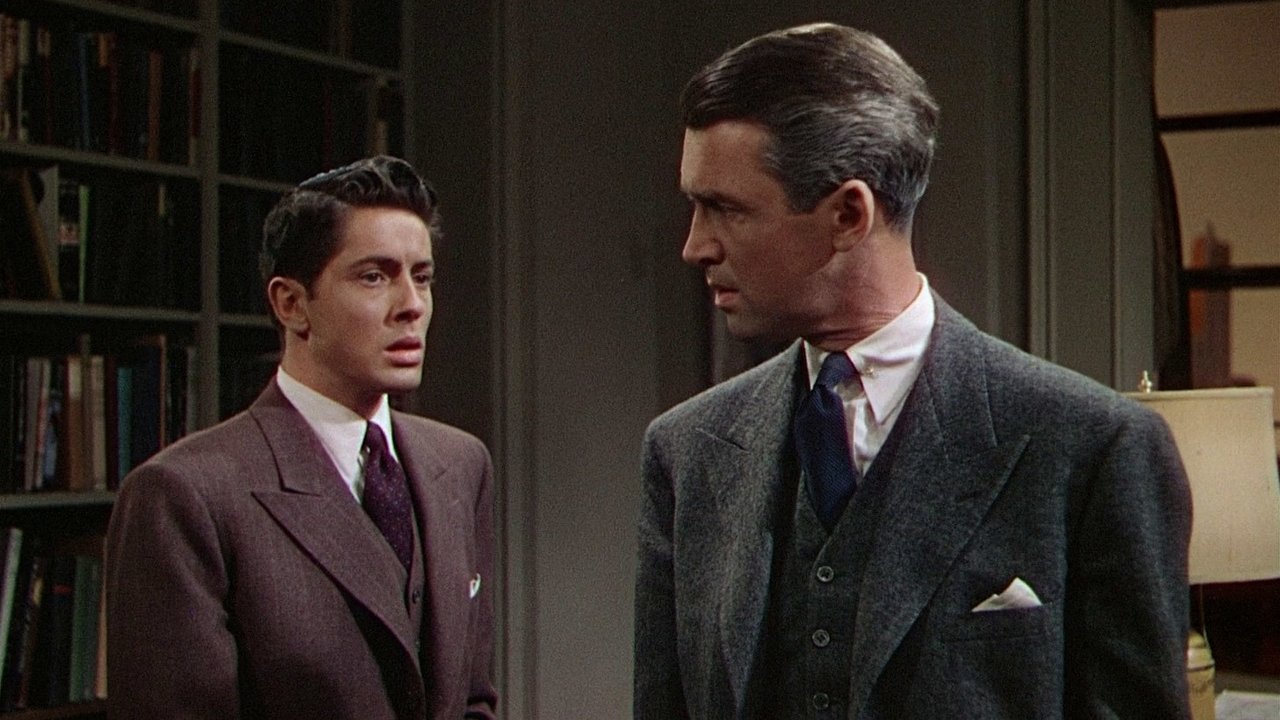
The drama rests entirely on the shoulders of three men. John Dall, as Brandon, is chillingly charismatic. He represents the peak of post-war Nietzschean arrogance, believing himself to be an "Ubermensch" who is above the "herd" morality of the common man. His performance is sharp and predatory. Opposite him, Farley Granger plays Phillip as a raw nerve. Phillip’s guilt is so palpable that every time the camera lingers on his shaking hands, you feel the walls closing in.
Then there is James Stewart as Rupert Cadell. This was a radical casting choice for the era. Stewart was the "everyman," the hero of Mr. Smith Goes to Washington. Here, he plays a cynical, dry-witted teacher whose own fringe intellectual theories inspired the murder. Watching Stewart realize that his "clever" classroom talk has been translated into a literal corpse is the cinematic equivalent of a cold shower for a philosophy major. His final monologue isn't just a condemnation of the killers; it’s a reckoning with his own ego. It’s some of the most nuanced work Stewart ever did, proving he was far more than just a "shucks-golly" persona.
Subverting the Code and the Craft
Because this was the Golden Age of Hollywood, the Production Code (the "Hays Office") was in full swing, monitoring everything from the length of a kiss to the portrayal of crime. Hitchcock and screenwriter Arthur Laurents had to perform a delicate dance. The play the film is based on—inspired by the real-life Leopold and Loeb murder—had heavy homoerotic undertones between the two killers. In 1948, you couldn't say that out loud.
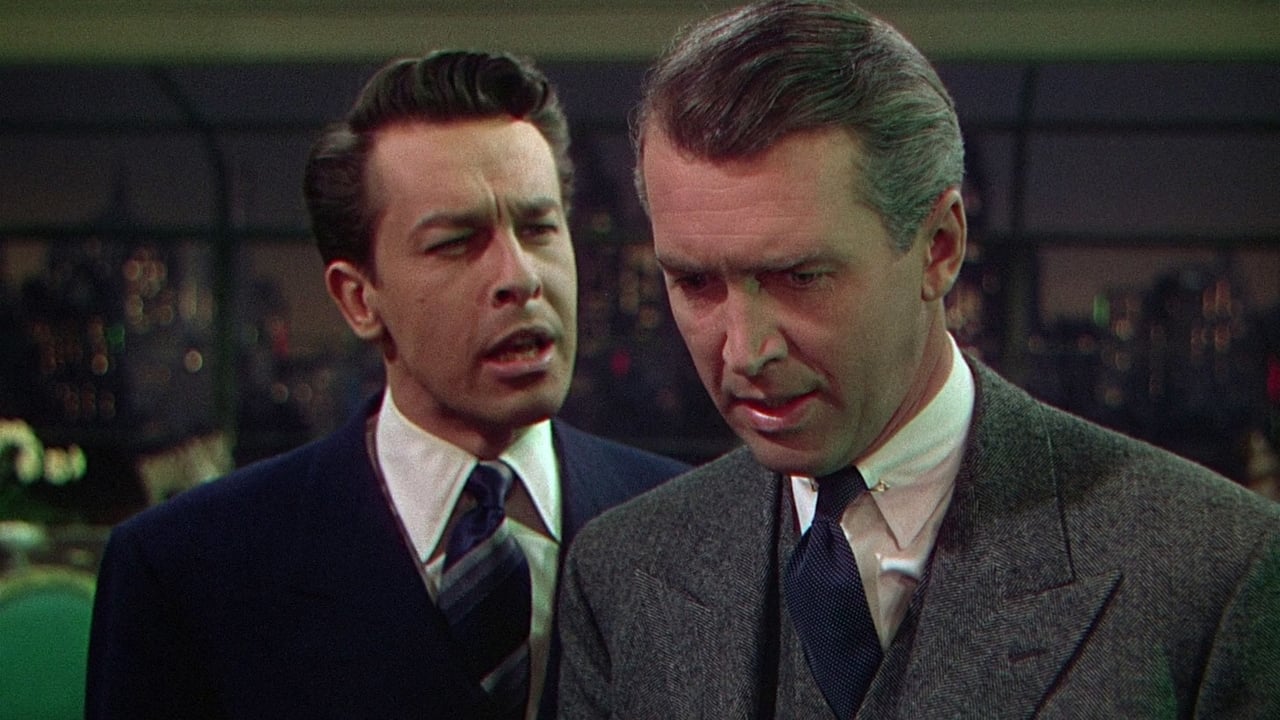
Instead, they coded it through performance and subtext. The way Brandon and Phillip share a cigarette, the intimacy of their shared secret, and their domestic bickering told the audience everything the censors forbade. It’s a fascinating example of how creative constraints can actually lead to more sophisticated storytelling.
The production itself was a marvel of ingenuity. The "sky" outside the window featured clouds made of spun glass wool that were moved manually between takes to simulate a realistic sunset. As the film progresses, the light shifts from a bright afternoon to a deep, neon-soaked night, mirroring the darkening moral landscape inside the room. The technical glamour of Technicolor usually served musicals or epics, but here, it’s used to highlight the sickly pallor of Phillip’s face and the stark, polished wood of the "casket" everyone is eating off of.
Rope remains one of Hitchcock's most daring experiments, a film that feels both like a stage play and a piece of futuristic cinema. It strips away the comfort of the montage and forces you to sit with the discomfort of the crime. By the time the final shot is fired and the credits roll, you’ll likely find yourself exhaling a breath you didn’t realize you were holding.
If you enjoy dramas that trade "action" for psychological warfare and technical bravado, this is essential viewing. It’s a cold, calculated, and brilliantly acted exploration of the dark side of human vanity. Just don't expect to look at a wooden storage chest the same way again.
Keep Exploring...
-
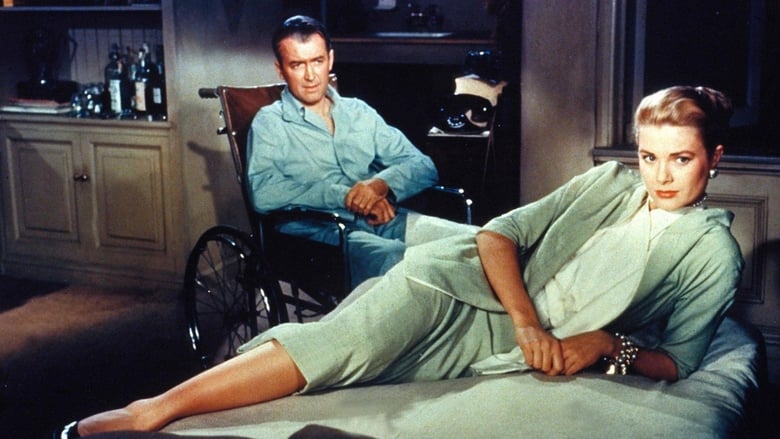
Rear Window
1954
-
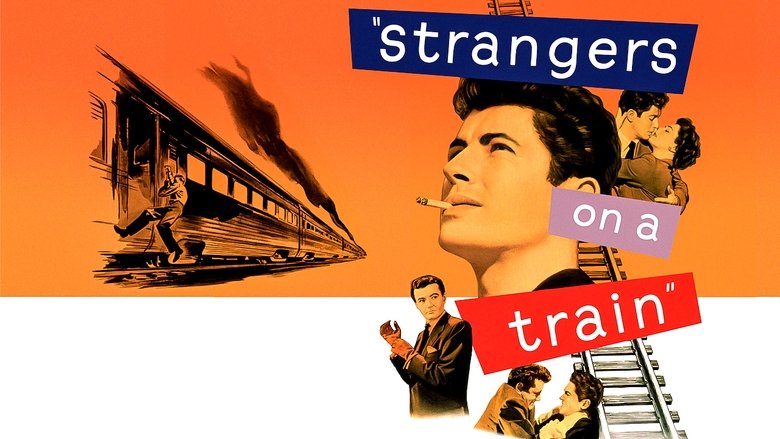
Strangers on a Train
1951
-
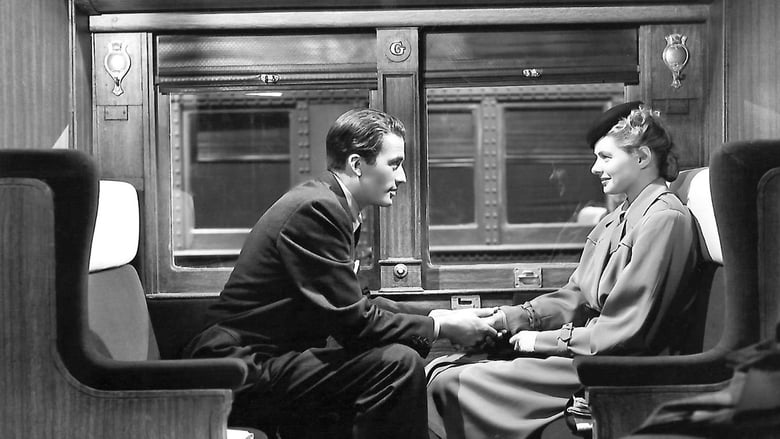
Spellbound
1945
-
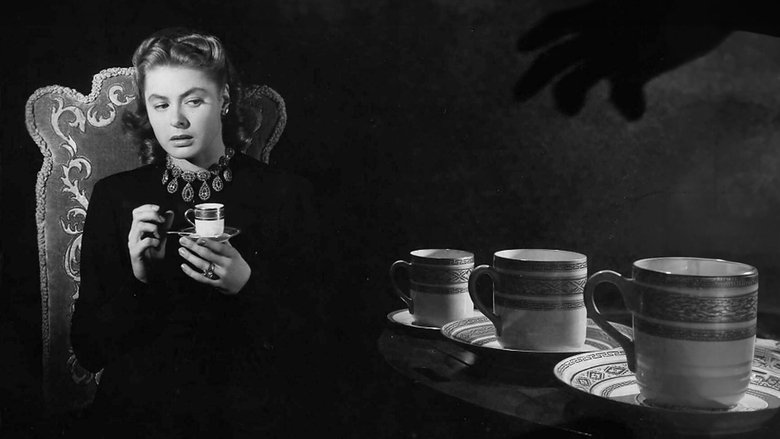
Notorious
1946
-
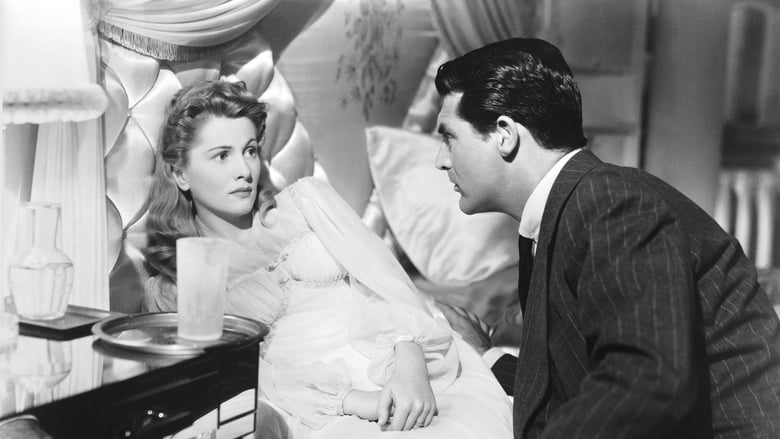
Suspicion
1941
-
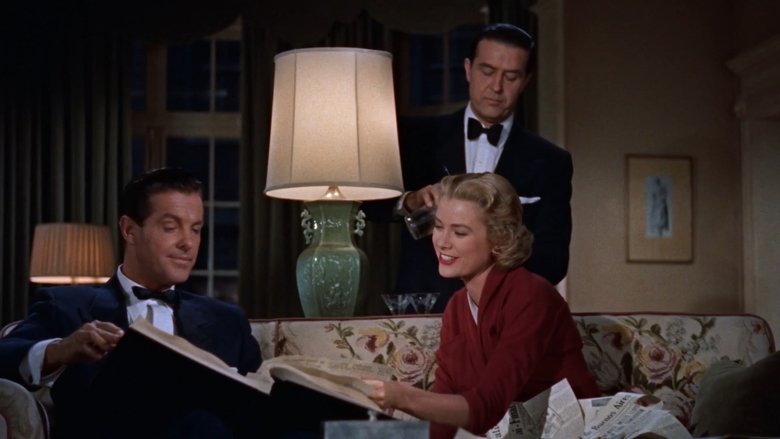
Dial M for Murder
1954
-
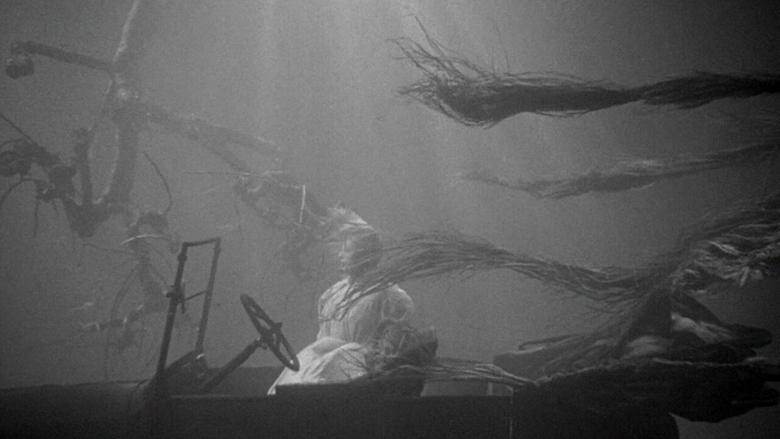
The Night of the Hunter
1955
-
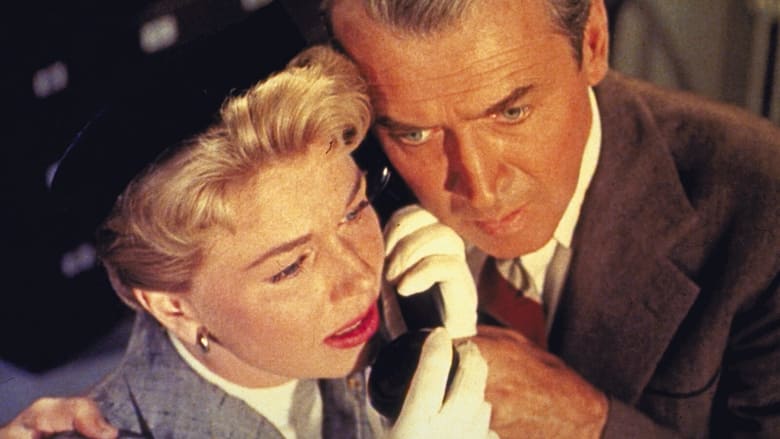
The Man Who Knew Too Much
1956
-

Vertigo
1958
-
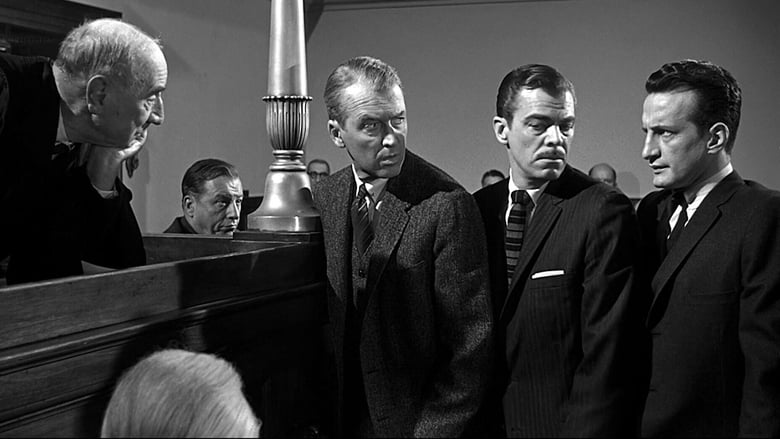
Anatomy of a Murder
1959
-

Rebecca
1940
-
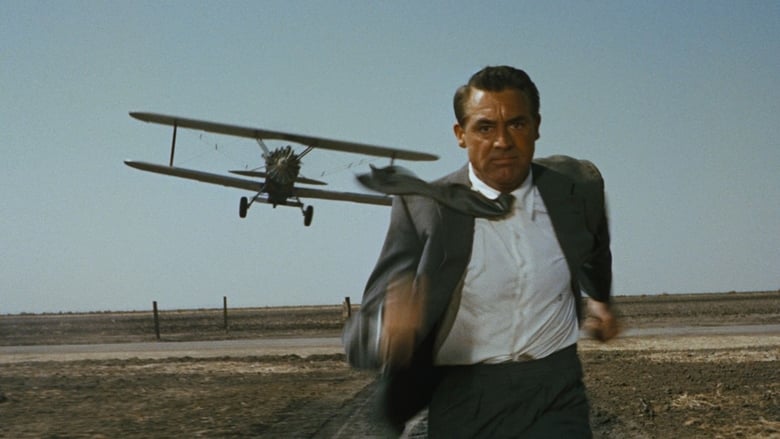
North by Northwest
1959
-
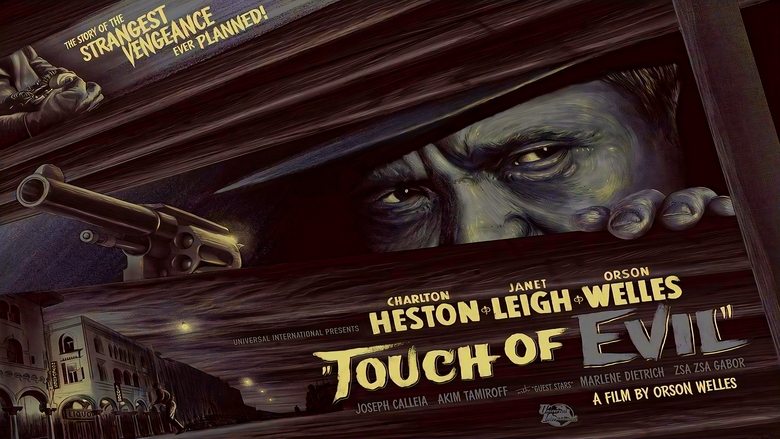
Touch of Evil
1958
-
Shadow of a Doubt
1943
-

Rashomon
1950
-
The Day the Earth Stood Still
1951
-

On the Waterfront
1954
-
To Catch a Thief
1955
-
The Killing
1956
-
Witness for the Prosecution
1957