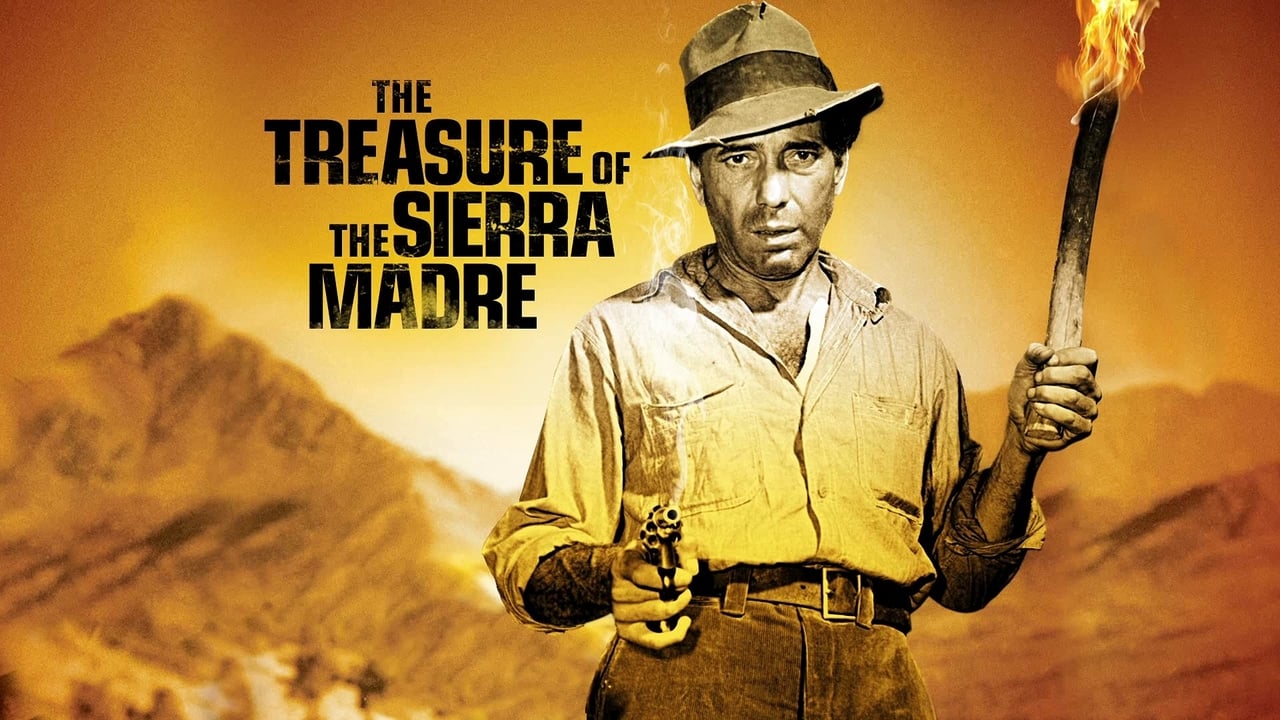
The Treasure of the Sierra Madre
"The gold doesn't change the mountain; it changes the man."
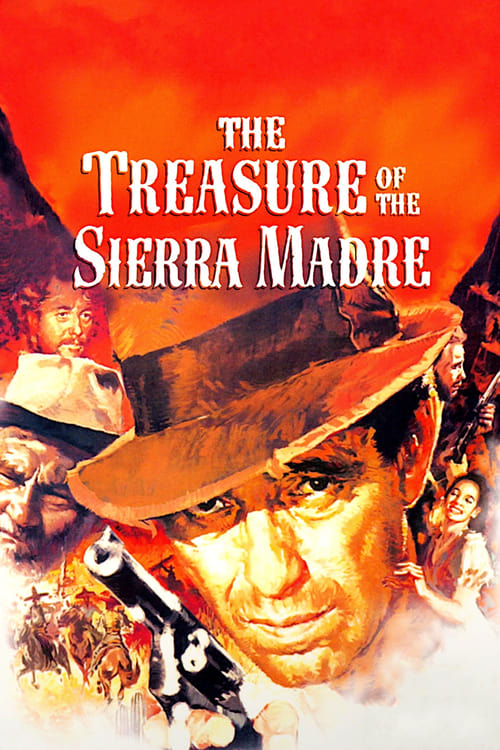
I watched The Treasure of the Sierra Madre on a Tuesday afternoon while my neighbor was aggressively power-washing his driveway, and the rhythmic, abrasive drone of the water actually made the oppressive Mexican heat on screen feel even more suffocating. It felt appropriate. This isn't a movie that wants you to be comfortable; it’s a movie that wants you to feel the grit between your teeth and the growing suspicion in your gut.
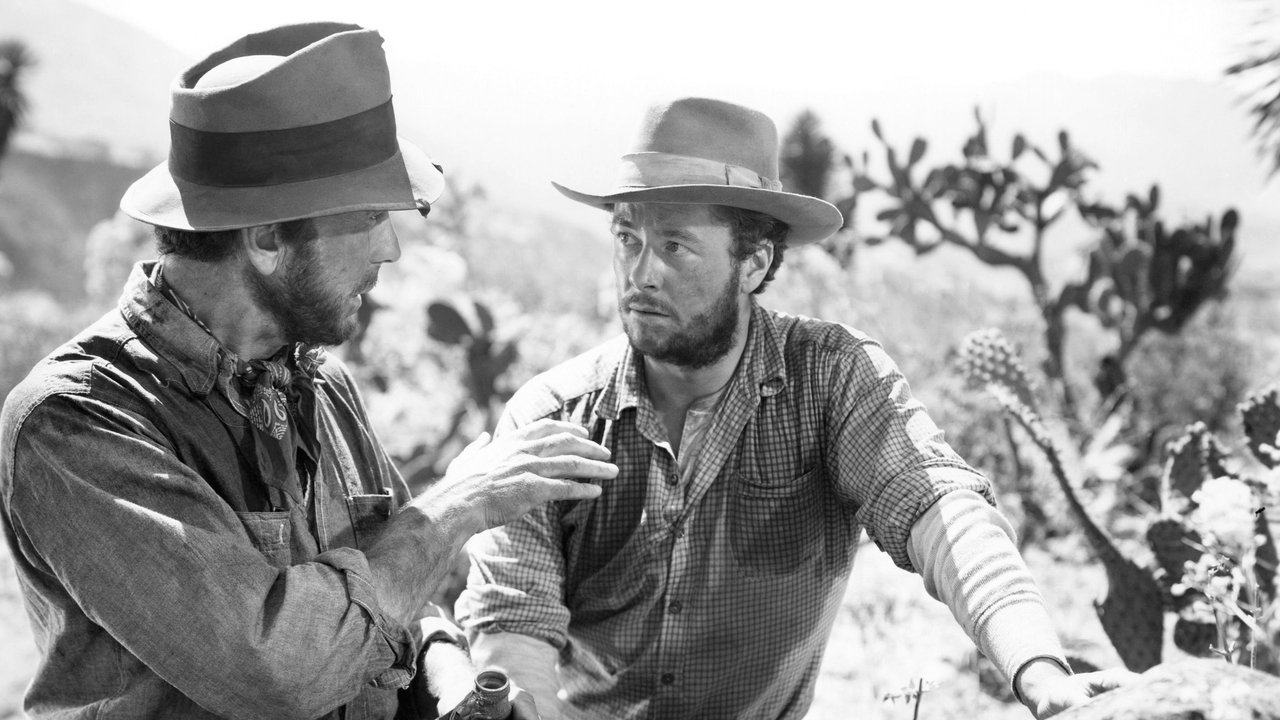
Most people recognize this 1948 classic for the "we don't need no stinking badges" line—which, for the record, is a misquote—but the film is so much more than a source of pop-culture memes. It is a nasty, sweat-soaked study of how quickly a man will slit his friend's throat for a pile of yellow dirt. Directed by John Huston, it’s a high-water mark for Hollywood’s Golden Age, proving that even within the rigid studio system, you could produce something deeply cynical, philosophically heavy, and visually uncompromising.
The Anti-Hero We Didn’t Ask For
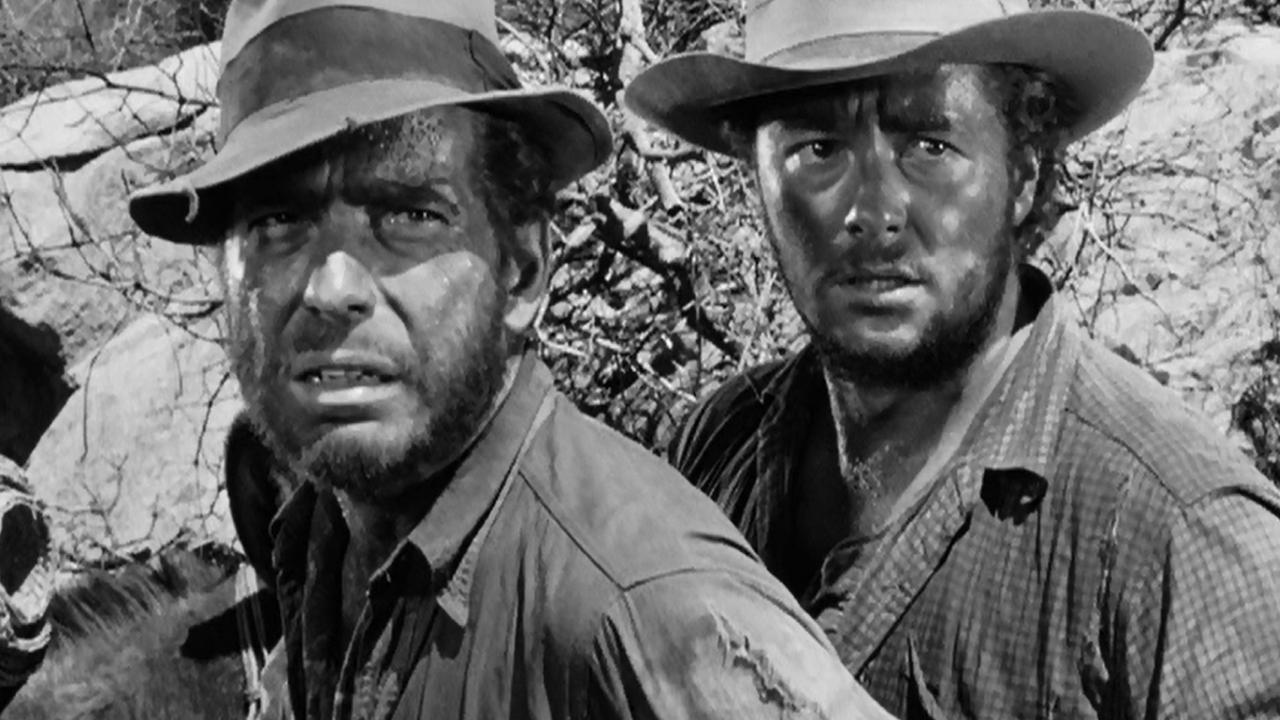
At the center of the storm is Humphrey Bogart as Fred C. Dobbs. If you’re used to the suave, untouchable Bogart of Casablanca, prepare to have your illusions shattered. In this film, he is a twitchy, paranoid mess of a man. We meet him as a "down-and-outer" in Tampico, literally begging for "one more peso" from a recurring tourist (played in a cheeky cameo by director John Huston himself).
When Dobbs teams up with the young Bob Curtin (Tim Holt) and an old, wisened prospector named Howard (Walter Huston), they head into the mountains to find gold. But the real story isn't the trek up; it’s the moral slide down. Bogart’s performance is a masterwork of insecurity masquerading as toughness. He doesn't play Dobbs as a villain; he plays him as a man whose soul is being eaten away by a very specific kind of rot. Watching his eyes dart back and forth as he guards his "goods" is genuinely uncomfortable. He’s not a hero, and the movie is brave enough to make you actively dislike its biggest star.
A Family Affair and a Studio Fight
The real heart of the film, however, belongs to Walter Huston (the director's father). As Howard, he provides the film’s moral (and literal) compass. He’s the only one who truly understands that gold is just "a lot of trouble." The elder Huston won an Oscar for this role, making the Hustons the first father-son duo to win in the same year.
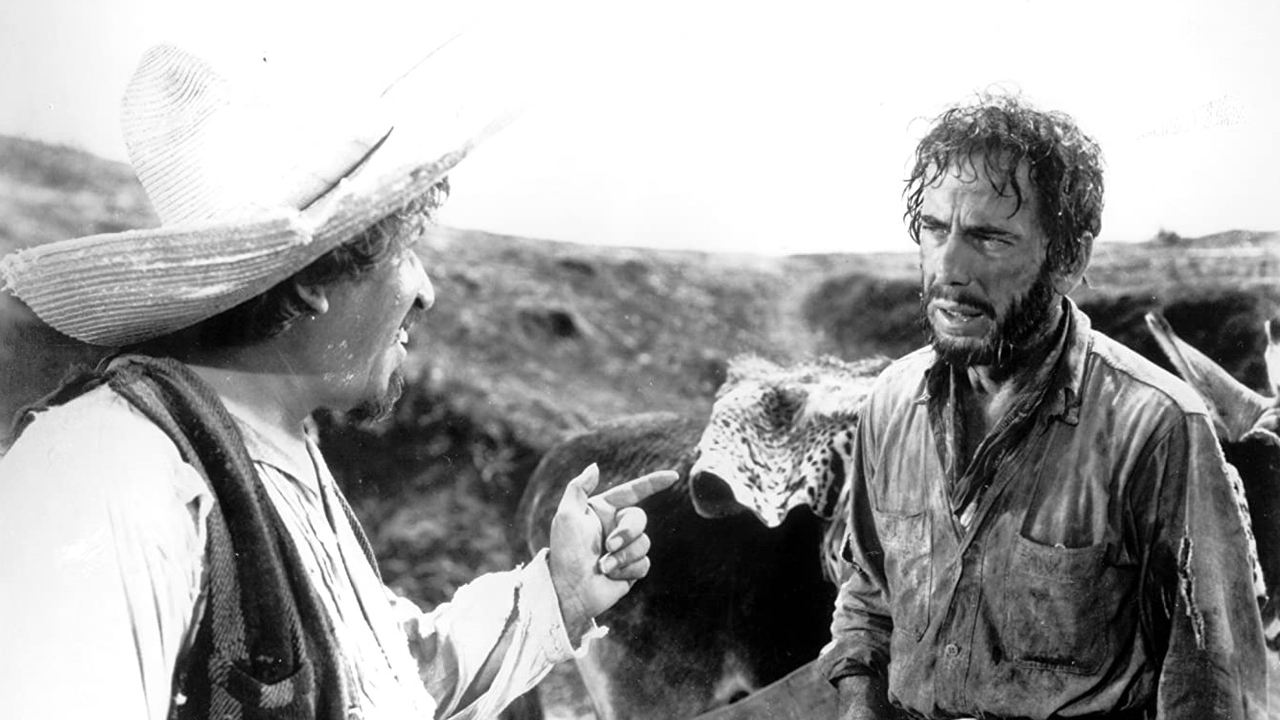
What makes the production of The Treasure of the Sierra Madre fascinating is how much John Huston had to fight for it. Warner Bros. expected a standard Humphrey Bogart adventure flick. Instead, Huston insisted on filming on location in Mexico—a rarity at the time when most "exotic" locations were just painted backdrops on a Burbank soundstage. The studio heads were reportedly horrified by the dailies, complaining that Bogart looked like a "bum" and that the film was too dark.
They weren't wrong, but that's exactly why it works. The dust is real. The sweat is real. Even the bandits, led by the charismatic and terrifying Alfonso Bedoya as "Gold Hat," feel like they belong to the landscape rather than a casting office. There’s a texture to this film that most movies from 1948 simply lack. It’s a Western, sure, but it feels more like a psychological thriller dressed in denim and spurs.
The Philosophy of the Laugh
Underneath the adventure lies a cold, hard philosophical question: Is man inherently greedy, or does the world make him that way? Howard seems to think it’s the former, and he watches his younger companions with a sort of weary, amused pity. The "Treasure" in the title is a cursed object, not because it's magical, but because of the "human nature" it brings to the surface.
The film deals with the idea of "The Big Laugh"—the universe’s tendency to play cruel jokes on our grandest ambitions. Without spoiling the ending, the resolution of the plot is one of the most intellectually satisfying moments in cinema history. It’s a moment of pure, existential irony that forces the characters (and the audience) to realize that the mountain doesn't care about their struggle. The wind doesn't care about their gold.
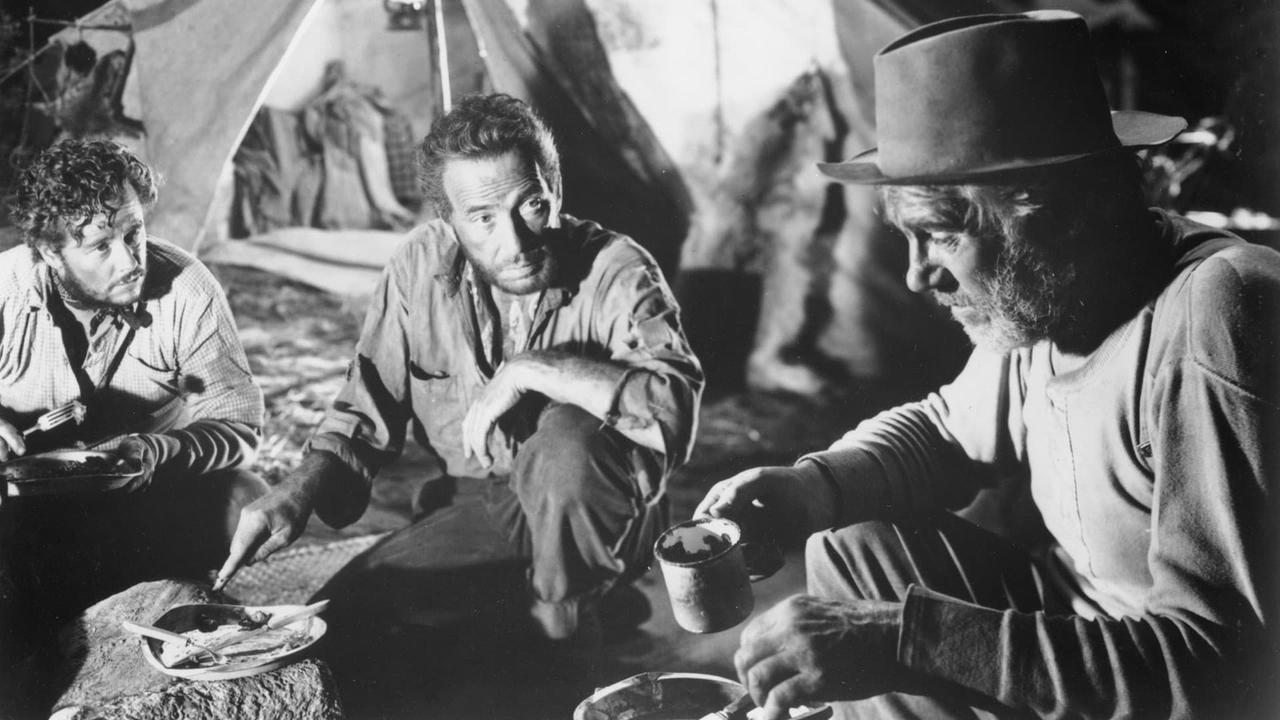
I’ll go out on a limb and say this is the best ending of the 1940s, period. It’s not "happy" in the traditional sense, but it is profoundly human. It suggests that while we might lose our riches, our sanity, and our shirts, the ability to laugh at the absurdity of it all might be the only thing worth keeping.
The Treasure of the Sierra Madre is essential viewing for anyone who thinks "old movies" are just stiff actors in tuxedos. It is a gritty, cynical, and deeply thoughtful exploration of the dark corners of the human heart. It’s a film that respects its audience enough to let them sit with the discomfort of watching a man lose his mind over a pile of sand. If you haven't seen it, find the biggest screen you can and get ready to get dusty.
The lesson here is simple: never trust a man who’s had a taste of the mountain. And maybe, just maybe, keep a closer eye on your pesos.
Keep Exploring...
-
The African Queen
1952
-
The Maltese Falcon
1941
-
Sabrina
1954
-
High Noon
1952
-
Casablanca
1943
-

Laura
1944
-

All About Eve
1950
-
The Wages of Fear
1953
-
Ben-Hur
1959
-
The Grapes of Wrath
1940
-
Rebel Without a Cause
1955
-

The Searchers
1956
-

Ikiru
1952
-
Tokyo Story
1953
-

Spirit: Stallion of the Cimarron
2002
-
It's a Wonderful Life
1946
-
Sunset Boulevard
1950
-
A Streetcar Named Desire
1951
-
The Day the Earth Stood Still
1951
-
Dances with Wolves
1990